Dulces De La Rosa — Supplier
About Dulces De La Rosa - Chocolate & Confectionery Supplier in Mexico
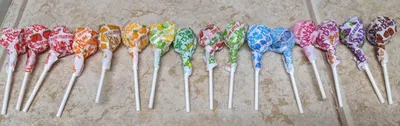
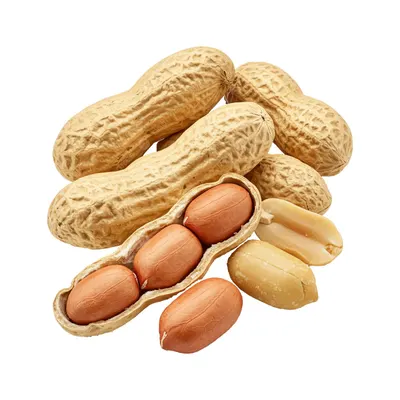
Mexico hosts the imported supplier Dulces De La Rosa, which currently lists seven active confectionery products. The catalogue includes Mazapan de la Rosa, Pulparindo de la rosa, Marshmallows de la rosa, De la rosa’s jumbo lollipop, De la rosa cocktail peanuts (HS 2008.11, roasted salted peanuts), Nugs de la rosa (HS 1806.31, milk/dark chocolate with peanut toffee filling) and Chocolate de la rosa. All items fall under the broader Chocolate & Confectionery category, with the two HS‑coded products covering the nuts (2008) and chocolate (1806) chapters of the customs tariff. The supplier’s product set reflects typical Mexican sweet‑snack offerings, ranging from traditional marzipan‑style treats to coated peanuts and chocolate bars.
The product list shows a mix of sugar‑based candies and nut‑enhanced chocolates. Mazapan de la Rosa is a peanut‑based marzipan, Pulparindo de la rosa is a tamarind‑flavored candy, Marshmallows de la rosa are gelatinous sugar confections, and the jumbo lollipop is a hard‑candy stick. The two HS‑coded items provide clear tariff classification: roasted salted peanuts are classified under heading 2008.11, while the chocolate‑toffee product falls under heading 1806.31 for chocolate preparations with added fillings. This structure allows buyers to identify duty rates and regulatory requirements for each product type.
Product Range and Specialties of Dulces De La Rosa
The catalogue’s seven items cover three material groups: sugar‑based candies, roasted peanuts, and chocolate preparations. In the confectionery market, sugar candies such as marshmallows and lollipops typically meet moisture limits of 5‑8 % and use food‑grade gelatin or glucose syrup, with hardness measured in Vickers or Shore units for lollipops. Roasted salted peanuts classified under HS 2008.11 are usually exported with moisture below 5 % and aflatoxin levels under 10 ppb, complying with Codex Alimentarius limits. Chocolate products in HS 1806.31 commonly specify cocoa solids content (30‑70 % for milk chocolate, >70 % for dark), milk‑solids‑non‑fat around 20 % for milk variants, sugar 30‑50 %, and moisture under 2 %, with particle size below 30 µm for a smooth mouthfeel.
Trade and Export Information - Dulces De La Rosa
Mexico is a major exporter of confectionery to the United States, Canada, the European Union and Central American markets. Buyers of Mexican chocolate and nut‑based sweets typically encounter HS chapter 18 for chocolate (including 1806.31) and HS chapter 20 for nuts (including 2008.11). Importers often require food‑safety certifications such as ISO 22000, HACCP plans, FDA Food Facility Registration for U.S. entry, and EU food‑law compliance (EU Regulation 1169/2011). Kosher and Halal certificates are also frequently requested for specific consumer segments. Standard export logistics involve palletizing products in food‑grade polyethylene bags (e.g., 500 kg per pallet), loading into 20‑ft or 40‑ft containers, and shipping under FOB Mexico or CIF destination terms. Seasonal peaks around holidays can affect container availability and lead times.
Sourcing from Dulces De La Rosa - Buyer Guidance
When sourcing from Dulces De La Rosa, request a product specification sheet that details ingredient percentages, moisture content, shelf life, and any allergen statements. Ask for a Certificate of Analysis for each batch, especially for the roasted peanuts (aflatoxin test) and chocolate (cocoa content, heavy‑metal screening). Verify that the supplier can provide the certifications typical for Mexican confectionery exporters - ISO 22000 or HACCP compliance, and any regional certifications required by your market such as FDA registration or EU food‑law documentation. Arrange a pre‑shipment sample to confirm taste, texture and packaging integrity before confirming larger orders.
Frequently Asked Questions About Dulces De La Rosa
What confectionery products are listed by Dulces De La Rosa?
The supplier lists seven items: Mazapan de la Rosa, Pulparindo de la rosa, Marshmallows de la rosa, De la rosa’s jumbo lollipop, De la rosa cocktail peanuts, Nugs de la rosa and Chocolate de la rosa.
Which products have specific HS codes and what are they?
De la rosa cocktail peanuts are classified under HS 2008.11 for roasted salted peanuts, and Nugs de la rosa are under HS 1806.31 for chocolate preparations with peanut toffee filling.
What certifications should a buyer verify for these Mexican confectionery goods?
Buyers should confirm ISO 22000 or HACCP food‑safety certification, FDA Food Facility Registration for U.S. imports, and EU food‑law compliance if shipping to Europe. Kosher or Halal certificates may be required for specific market segments.
What quality parameters are typical for the chocolate product (Nugs de la rosa)?
Typical specifications include cocoa solids 30‑70 %, milk solids‑non‑fat around 20 % for milk chocolate, sugar 30‑50 %, moisture below 2 %, and aflatoxin‑free peanuts in the filling. Particle size is usually under 30 µm and the product should pass heavy‑metal limits set by Codex.
How are the confectionery items usually packaged for export?
Export packaging commonly uses food‑grade polyethylene bags ranging from 500 g to 25 kg, stacked on Euro pallets (max 1 200 kg) and loaded into 20‑ft or 40‑ft containers. Candies such as lollipops and marshmallows are often placed in airtight secondary packs to preserve texture.
What are typical minimum order quantities and lead times?
Minimum order quantities often start at 500 kg per product, with larger batches for peanuts and chocolate. Lead times for production and export generally range from 30 to 45 days after order confirmation, depending on seasonal demand.
How can a buyer request a sample from Dulces De La Rosa?
Buyers should submit a sample request through the trade platform, specifying the product name, desired sample quantity (e.g., 1 kg), and preferred Incoterm such as FOB Mexico. The supplier will arrange shipment after confirming sample availability and any required testing fees.
What documentation is needed for customs clearance of these products?
Customs clearance typically requires the commercial invoice, packing list, HS code declaration (2008.11 or 1806.31), Certificate of Origin, and any applicable food‑safety certificates (ISO 22000, HACCP, FDA or EU compliance). Importers should also provide a phytosanitary certificate for the roasted peanuts if required by the destination country.




 , Mexico