DHN International — Verified Supplier
About DHN International - Peanut Kernel Supplier in India
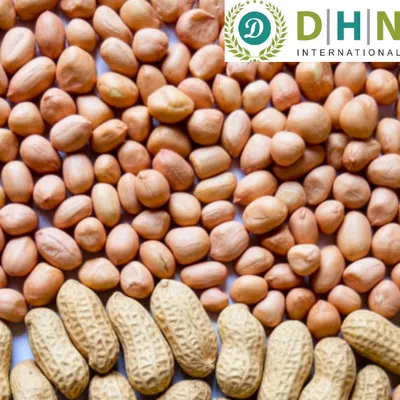
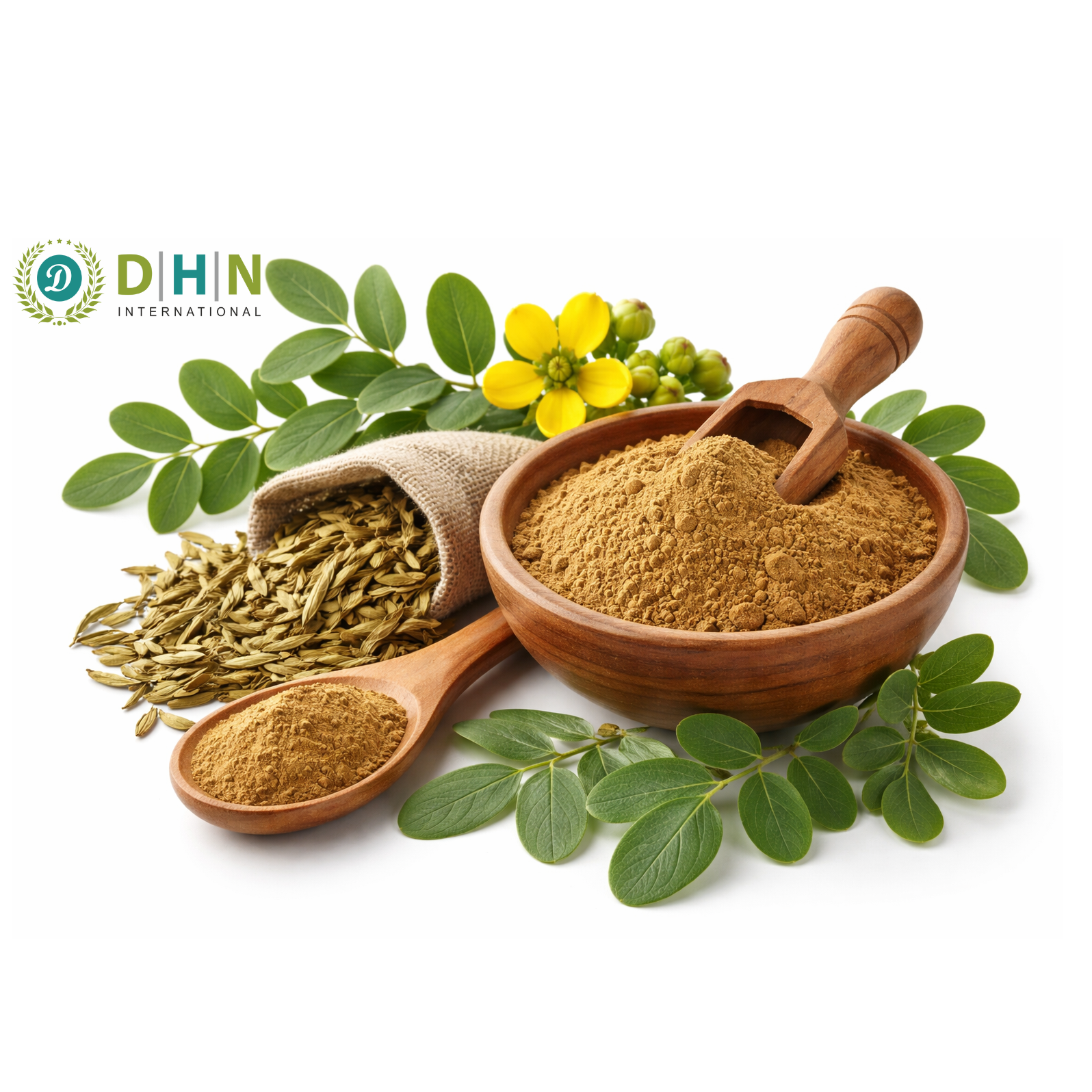
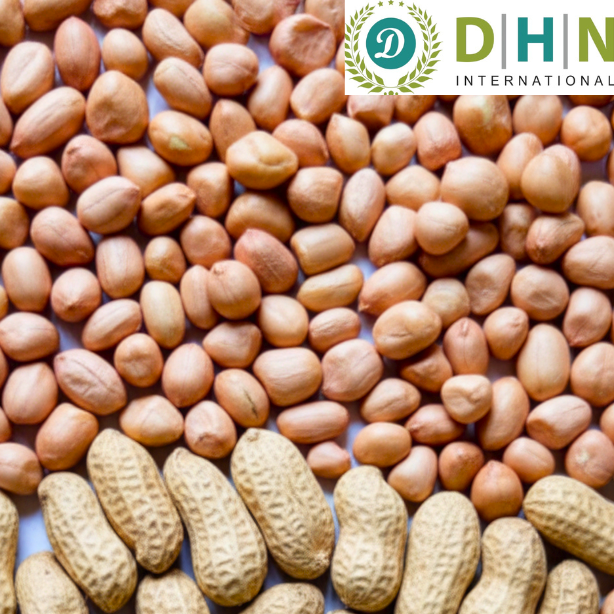
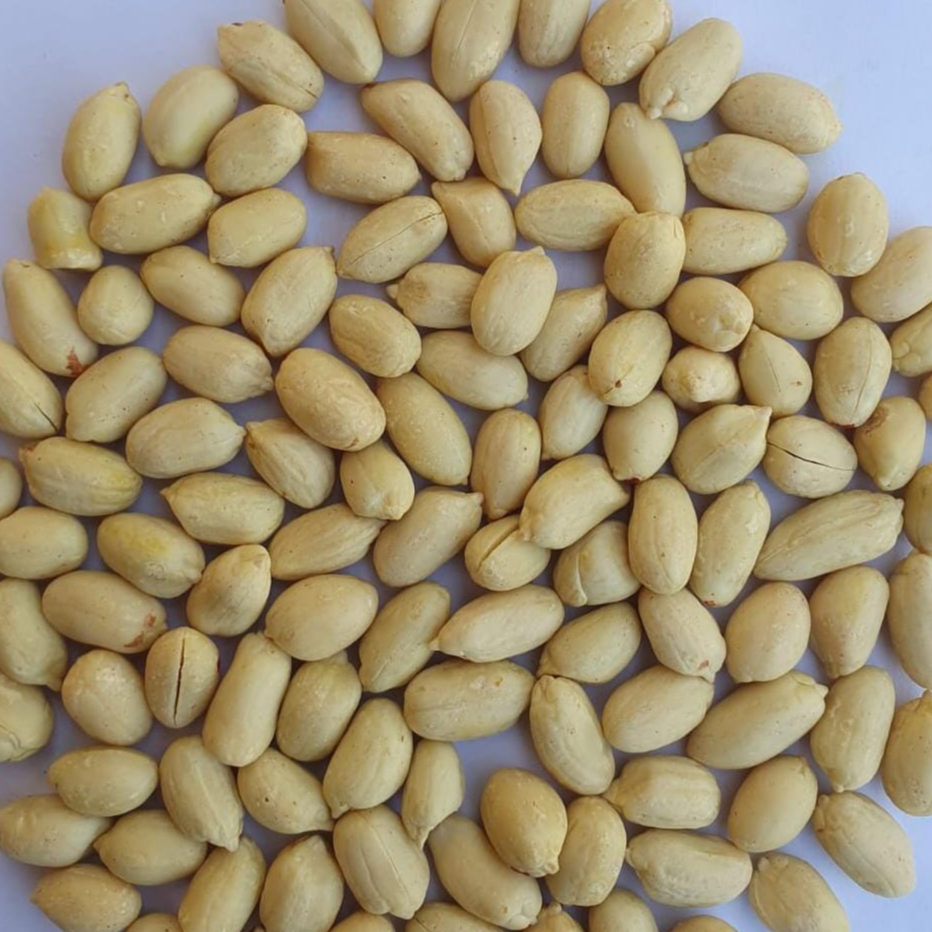
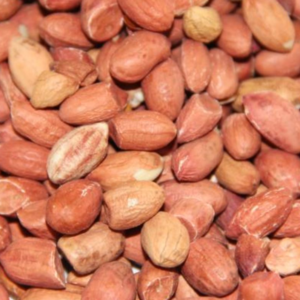
DHN International, located in the state of Gujrat, India, offers a diverse range of products, with 10 active products in its catalogue. The company's primary product categories include Peanut Kernel, Peanuts, Peanut Oil, Emulsifiers, Food Chemicals, Chia Seeds, Peach, and Sunflower. DHN International's catalogue features a variety of products, such as Non GMO Soya Lecithin Liquid, Sunflower Lecithin liquid, chia seed, Dried safflower petals, Java Peanut, Bold peanut, Premium Sunflower Lecithin Powder, Peanut Groundnuts, BLANCHED PEANUT, and Senna Extract. These products are typically used in the food and beverage industry, with HS code families including DHN_01, DHN_02, DHN_03, 1202.42, and BLANCHED PEANUTS.
Exporters of Peanut Kernel and Peanuts, like DHN International, usually have their products graded according to quality standards, such as moisture content, oil content, and impurity levels. For instance, Java Peanut and Bold peanut have HS codes DHN_02 and PEANUTS-DHN-02, respectively, and are made from materials with specified moisture and oil content. The company's products are also made from materials like Acetone insoluble, Acid Value, Moisture, Toluene Insouble, and Senna Extract.
Product Range and Specialties of DHN International
DHN International's product range includes a variety of lecithin products, such as Non GMO Soya Lecithin Liquid and Sunflower Lecithin liquid, which are commonly used as emulsifiers in the food industry. These products typically have specifications like moisture content, acetone insoluble, and toluene insoluble. Buyers of these products usually require certifications like ISO or HACCP, and may request test reports and samples to verify the product's quality. For example, Premium Sunflower Lecithin Powder has a material specification of Moisture, Acetone Insoluble, and Hexance.
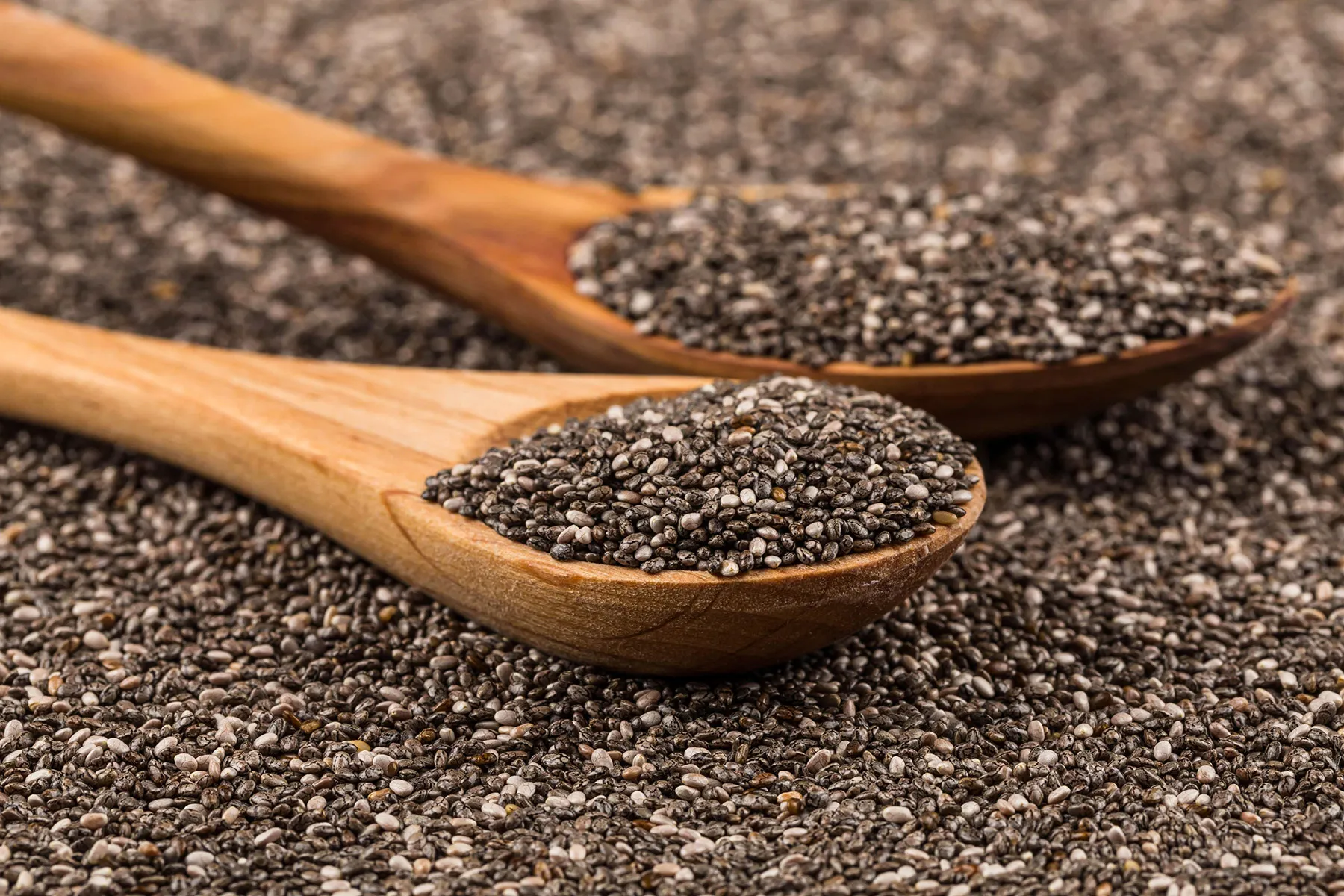
The company's catalogue also features products like chia seed, Dried safflower petals, and Peanut Groundnuts, which are typically used in the food and beverage industry. These products may have certifications like USDA Organic or Non-GMO, and buyers may request documents like certificates of origin and phytosanitary certificates.
Trade and Export Information - DHN International
Exporters of Peanut Kernel and Peanuts, like DHN International, typically export their products to regions like Europe, the Middle East, and Asia, where there is a high demand for these products. The HS code families involved in the export of these products include 1202.42 and DHN_02. Buyers of these products usually require certifications like ISO or HACCP, and may request test reports and samples to verify the product's quality. The logistics of exporting these products typically involve packaging in 20 ft or 40 ft containers, and shipping via Incoterms like CIF or FOB. For instance, Peanut Groundnuts have an HS code of 1202.42 and are typically packaged in 20 ft containers.
Sourcing from DHN International - Buyer Guidance
Buyers sourcing from DHN International should request specifications, samples, and test reports to verify the product's quality. For example, buyers of Java Peanut and Bold peanut should request documents like certificates of origin and phytosanitary certificates, and verify the product's moisture and oil content. Buyers should also confirm the product's packaging and shipping details, including the container size and Incoterms used. Additionally, buyers may want to request certifications like ISO or HACCP, and verify the product's compliance with regulatory requirements like food safety standards.
Frequently Asked Questions About DHN International
What is the typical quality grade of Peanut Kernel and Peanuts?
The typical quality grade of Peanut Kernel and Peanuts is based on factors like moisture content, oil content, and impurity levels. Buyers should request specifications and test reports to verify the product's quality.
What certifications are typically required for Peanut Kernel and Peanuts?
Buyers of Peanut Kernel and Peanuts typically require certifications like ISO or HACCP, and may request documents like certificates of origin and phytosanitary certificates.
What is the typical packaging and shipping method for Peanut Kernel and Peanuts?
The typical packaging and shipping method for Peanut Kernel and Peanuts involves packaging in 20 ft or 40 ft containers, and shipping via Incoterms like CIF or FOB.
How can buyers verify the quality of Peanut Kernel and Peanuts?
Buyers can verify the quality of Peanut Kernel and Peanuts by requesting specifications, samples, and test reports, and by confirming the product's packaging and shipping details.
What are the typical lead times and MOQ for Peanut Kernel and Peanuts?
The typical lead times and MOQ for Peanut Kernel and Peanuts vary depending on the supplier and the specific product, but buyers should confirm these details with the supplier before ordering.
What are the regulatory requirements for importing Peanut Kernel and Peanuts?
The regulatory requirements for importing Peanut Kernel and Peanuts vary depending on the country and region, but buyers should verify the product's compliance with food safety standards and other regulatory requirements before importing.
What are the typical payment terms for importing Peanut Kernel and Peanuts?
The typical payment terms for importing Peanut Kernel and Peanuts vary depending on the supplier and the specific product, but buyers should confirm these details with the supplier before ordering.




 , India





.jpg.png)