Delft Essential Oils — Verified Supplier
About Delft Essential Oils - Essential Oils Supplier in South Africa
Delft Essential Oils, based in South Africa, offers a range of essential oils, with 8 active products listed. The company's product catalogue includes Organic Lemon Scented Tea Tree, Conventional Tea Tree Oil, Organic Rosemary Oil Var Verbenone, and other variants. These products are part of the broader essential oils category, which typically involves products with specific purity and quality standards, such as those defined by the International Organization for Standardization (ISO).
The essential oils category, which Delft Essential Oils operates in, often involves products with distinct characteristics, such as different scents, extraction methods, and applications. For instance, tea tree oil is commonly used for its antimicrobial properties, while rosemary oil is valued for its fragrance and potential health benefits. The HS code families for these products, such as 3301 for essential oils, are crucial for international trade and customs purposes.
Product Range and Specialties of Delft Essential Oils
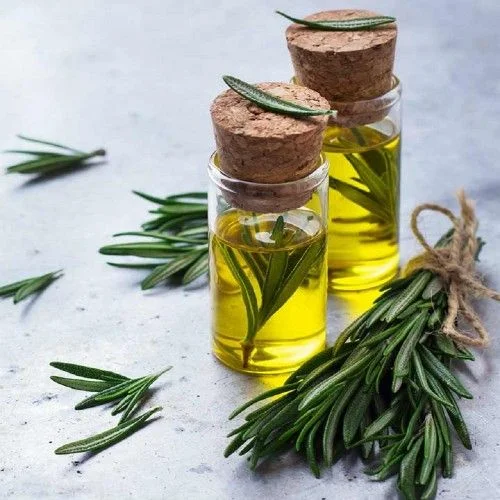
Delft Essential Oils' product range encompasses various essential oils, including organic and conventional options. Buyers in this category usually look for products that meet specific standards, such as ISO 4730 for tea tree oil, which dictates requirements for purity, density, and other quality parameters. The materials used in these products, such as the plants from which the oils are extracted, are also important considerations. For example, rosemary oil is often extracted from Rosmarinus officinalis, and its quality can depend on factors like the plant's growing conditions and the extraction method used.
Trade and Export Information - Delft Essential Oils
Exporters of essential oils, like Delft Essential Oils, typically deal with buyers from regions such as Europe, North America, and Asia, where these oils are used in industries like cosmetics, pharmaceuticals, and food manufacturing. The trade involves adhering to various regulations, including those related to packaging, labeling, and shipping, with Incoterms like FOB (Free on Board) or CIF (Cost, Insurance, and Freight) commonly used. Certifications, such as those for organic products or compliance with Good Manufacturing Practice (GMP), are also critical in this trade.
Sourcing from Delft Essential Oils - Buyer Guidance
Buyers sourcing from Delft Essential Oils should request specifications, samples, and test reports to verify the quality of the essential oils. It is also advisable to confirm the availability of certifications like ISO 9001 for quality management or ISO 14001 for environmental management, which are commonly required in the industry. Before ordering, verifying the MOQ (Minimum Order Quantity) and lead time is essential to ensure a smooth transaction. Additionally, understanding the packaging options, such as glass bottles or aluminum containers, and the shipping logistics, including the use of 20 ft or 40 ft containers, can help in planning and cost management.
Frequently Asked Questions About Delft Essential Oils
What is the primary product category of Delft Essential Oils?
The primary product category of Delft Essential Oils is Essential Oils, including various organic and conventional options.
What certifications should I request from Delft Essential Oils?
Buyers should request certifications relevant to the essential oils industry, such as ISO 4730 for tea tree oil or organic certifications, to ensure the products meet their quality and regulatory requirements.
What are the typical quality parameters for essential oils?
Typical quality parameters for essential oils include purity, often measured by gas chromatography, and density, which can affect the oil's fragrance and therapeutic properties. Other parameters might include the oil's color, viscosity, and solubility.
What is the MOQ for Delft Essential Oils' products?
The MOQ for Delft Essential Oils' products can vary depending on the specific essential oil and packaging options; buyers should confirm this detail before placing an order.
How are essential oils typically packaged and shipped?
Essential oils are often packaged in glass bottles or aluminum containers to preserve their quality and fragrance. Shipping typically involves the use of sealed containers and may utilize Incoterms like CIF or FOB, with logistics managed through common shipping carriers.
What regulatory considerations are important for buyers of essential oils?
Buyers of essential oils should be aware of regulations related to the use of these oils in their intended applications, such as cosmetics or food products. This includes compliance with local and international standards for safety, labeling, and environmental impact.
Can Delft Essential Oils provide custom formulations or blends of essential oils?
Delft Essential Oils may offer custom formulations or blends based on buyer specifications; however, this should be confirmed directly with the supplier as it may depend on their capabilities and the specific requirements of the buyer.




 , South Africa