Dattasa Environment — Verified Supplier
About Dattasa Environment - Spice and Tea Supplier in India
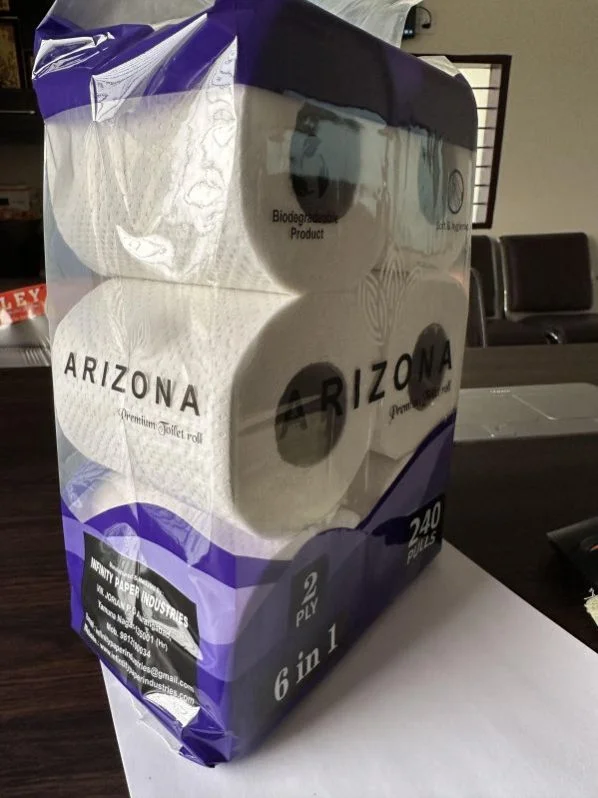
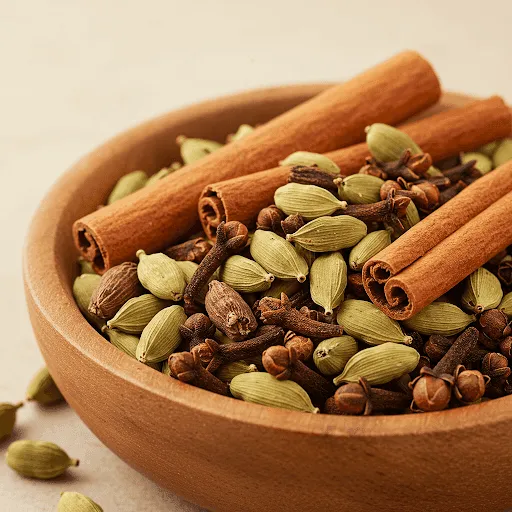
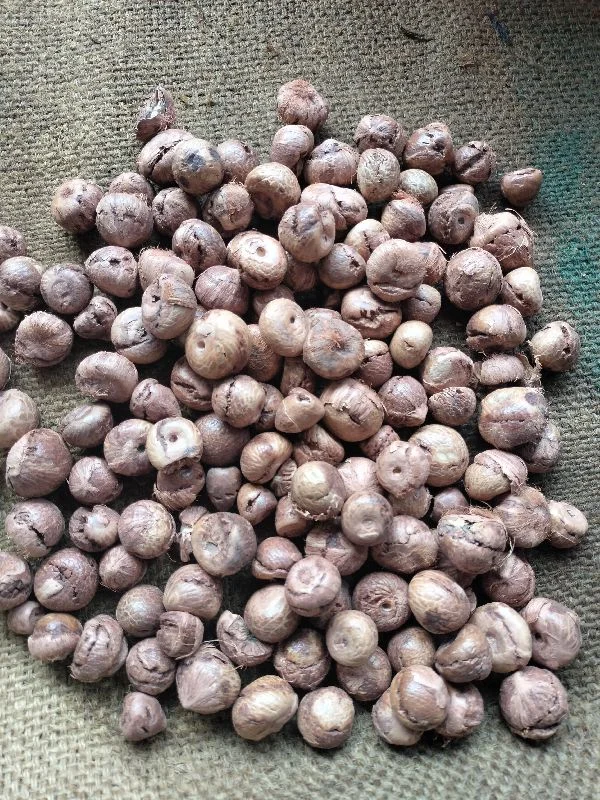
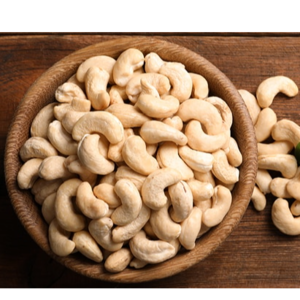
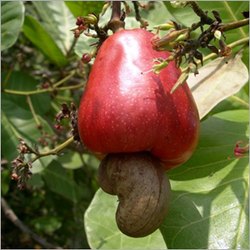
Dattasa Environment, located in India, offers a diverse range of 18 products. The company's product catalogue includes various spice and tea products, such as Cumin Seeds, Pepper, Green Cardamom, and Instant Tea Premix. Specifically, their Green Cardamom product is classified under the HS code 0908.31 and is made from Whole Green Cardamom Pods (Elettaria cardamomum). Other products include Cashew Nuts, with different grades such as W400, W320, and W180, as well as other specialty items like Jaggery, Toilet Paper, and Incense Fragrance Stick.
Buyers can expect to find a variety of products from Dattasa Environment, with a focus on spice and tea products. The company's location in India provides a strategic advantage for exporting goods to regions such as the Middle East, Africa, and Southeast Asia, which typically import large quantities of spices and tea. India is known for its quality spice exports, with common grades and standards including ASTM and ISO certifications for products like Cumin Seeds and Coriander Seeds.
Product Range and Specialties of Dattasa Environment
Dattasa Environment's product range is characterized by a variety of spice and tea products. For instance, their Cashew Nuts are available in different grades, including W400, W320, and W180, which cater to various market requirements. The company also offers Instant Tea Premix, which is a blend of tea and spices, and is commonly packaged in 20 ft or 40 ft containers. In the spice category, buyers typically look for products that meet certain quality standards, such as moisture percentage, purity percentage, and grain length in mm. For example, Cumin Seeds usually have a moisture content of around 10% and a purity level of 99%. The Green Cardamom product, classified under the HS code 0908.31, is made from Whole Green Cardamom Pods (Elettaria cardamomum) and is commonly used in culinary and medicinal applications.
Trade and Export Information - Dattasa Environment
Exporters of spice and tea products from India, like Dattasa Environment, typically ship their goods to regions such as the Middle East, Africa, and Southeast Asia. These products are often classified under HS code chapters 09 (Coffee, Tea, Mate and Spices) and 12 (Oil seeds and oleaginous fruits). The HS code 0908.31, for example, is specific to Green Cardamom products. Buyers of these products usually require certifications such as ISO 9001:2015 and ASTM B452-02, which ensure the products meet certain quality and safety standards. In terms of logistics, exporters from India often use Incoterms like CIF (Cost, Insurance and Freight) or FOB (Free on Board) for sea shipments, and the goods are usually packaged in 20 ft or 40 ft containers to ensure safe transportation.
Sourcing from Dattasa Environment - Buyer Guidance
When sourcing from Dattasa Environment, buyers should request specifications, samples, and test reports to verify the quality of the products. For spice products like Cumin Seeds and Coriander Seeds, buyers should check for moisture content, purity level, and grain length. For tea products like Instant Tea Premix, buyers should verify the blend composition, packaging, and shelf life. It is also essential to request documents like certificates of origin, commercial invoices, and packing lists to ensure smooth customs clearance and compliance with regulatory requirements. Buyers should also confirm the MOQ (Minimum Order Quantity) and lead time to ensure timely delivery of their orders.
Frequently Asked Questions About Dattasa Environment
What is the product range of Dattasa Environment?
Dattasa Environment offers a diverse range of 18 products, including spice and tea products like Cumin Seeds, Pepper, Green Cardamom, and Instant Tea Premix.
What are the common grades and standards for Cashew Nuts?
Cashew Nuts are available in different grades, including W400, W320, and W180, which cater to various market requirements. Buyers typically look for products that meet certain quality standards, such as moisture percentage, purity percentage, and grain length in mm.
How are spice products like Cumin Seeds and Coriander Seeds typically packaged?
Spice products like Cumin Seeds and Coriander Seeds are often packaged in 20 ft or 40 ft containers, with common packaging materials including jute bags, polypropylene bags, or paper bags. The packaging is designed to protect the products from moisture, pests, and other environmental factors during transportation and storage.
What certifications are typically required for tea products like Instant Tea Premix?
Buyers of tea products like Instant Tea Premix usually require certifications such as ISO 9001:2015 and ASTM B452-02, which ensure the products meet certain quality and safety standards. These certifications verify the product's composition, packaging, and shelf life.
What is the typical MOQ and lead time for orders from Dattasa Environment?
The MOQ and lead time for orders from Dattasa Environment vary depending on the product and market requirements. Buyers should confirm the MOQ and lead time with the supplier to ensure timely delivery of their orders. Typically, the MOQ for spice products is around 100 kg, while the lead time is around 15-30 days.
How do buyers verify the quality of products from Dattasa Environment?
Buyers can verify the quality of products from Dattasa Environment by requesting specifications, samples, and test reports. They should also check for certifications like ISO 9001:2015 and ASTM B452-02, and verify the product's composition, packaging, and shelf life. Additionally, buyers can conduct their own quality tests and inspections to ensure the products meet their requirements.
What documents should buyers request from Dattasa Environment?
Buyers should request documents like certificates of origin, commercial invoices, and packing lists from Dattasa Environment to ensure smooth customs clearance and compliance with regulatory requirements. These documents verify the product's origin, value, and packaging, and are essential for international trade.
How do buyers ensure compliance with regulatory requirements when importing products from Dattasa Environment?
Buyers should verify the product's compliance with regulatory requirements like food safety standards, labeling requirements, and packaging regulations. They should also ensure that the products are properly classified under the correct HS code chapters, such as 09 (Coffee, Tea, Mate and Spices) and 12 (Oil seeds and oleaginous fruits). Additionally, buyers should comply with Incoterms like CIF (Cost, Insurance and Freight) or FOB (Free on Board) for sea shipments, and ensure that the goods are properly packaged and labeled for transportation and storage.




 , India