Das Handlooms — Supplier
About Das Handlooms - Silk Supplier in India
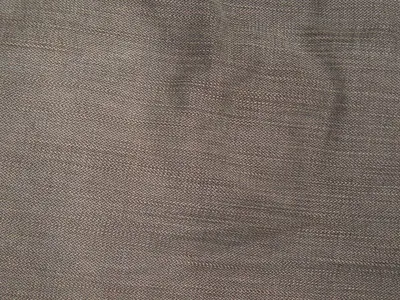
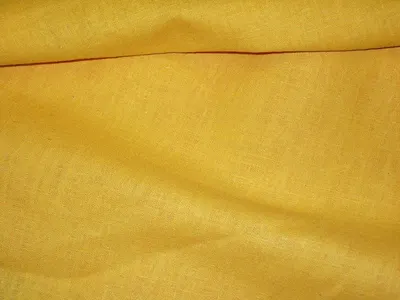
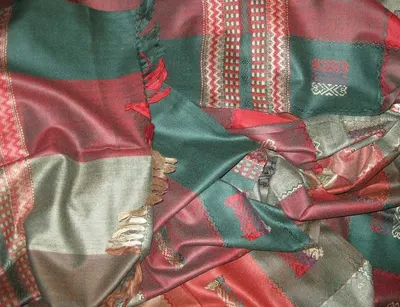
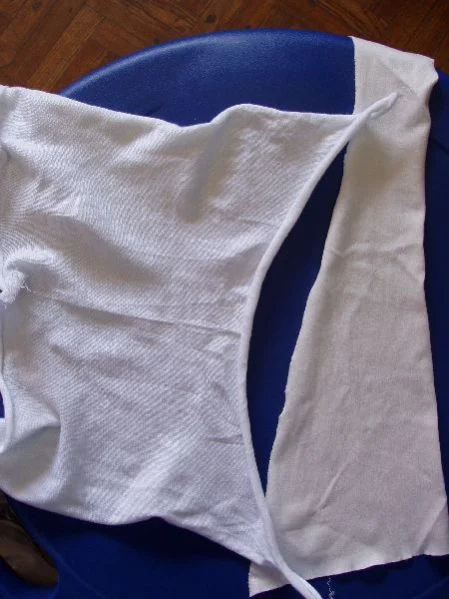
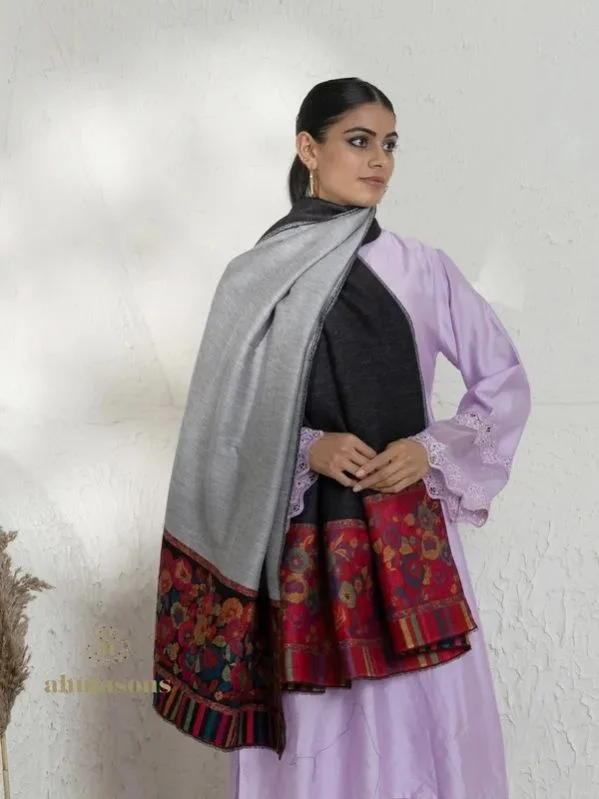
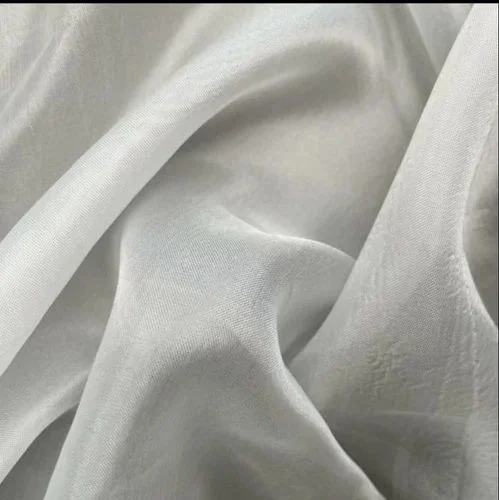
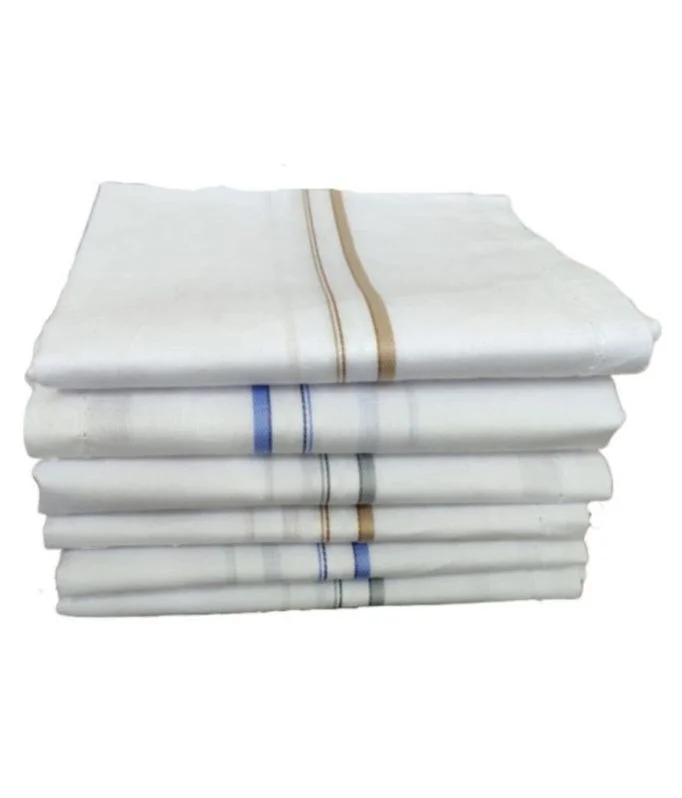
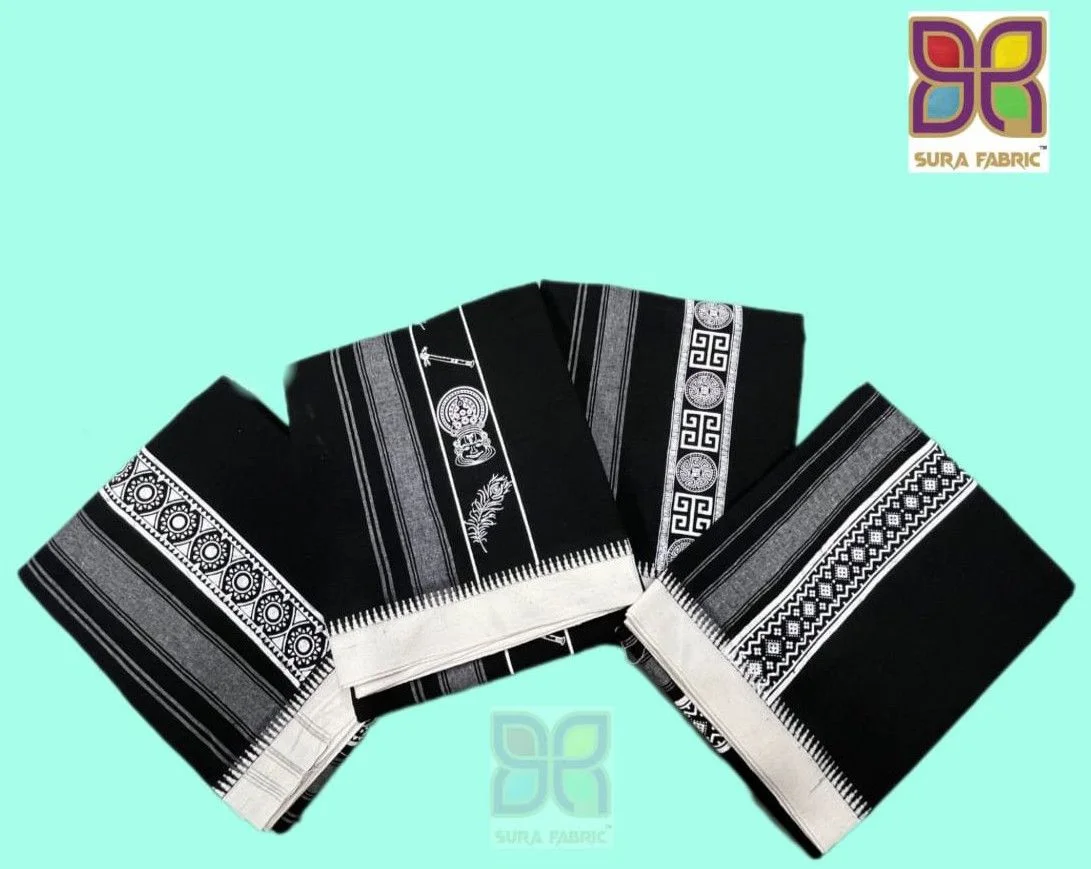
Das Handlooms, located in India, offers a range of textile products, with 7 active products in its catalogue. The company's primary product category is Silk, and it also lists products such as Handkerchief, Towels, Textile Waste, and Shawls. Specifically, its catalogue includes Tussar Silk Fabric, Tussar Silk Dupatta, Handkerchief-Cotton (Pasapalli), Tussah Silk Towel, Tussar Ghicha Silk Fabric, Tussar Silk Waste, and Tussah Silk Shawl.
Buyers from regions such as Europe, North America, and the Middle East typically import Silk and other textile products from India. These products are often used in the fashion and home textiles industries. The HS code families involved in the export of these products include 5007 for woven fabrics of silk, and 6307 for other made-up articles of textile materials.
Product Range and Specialties of Das Handlooms
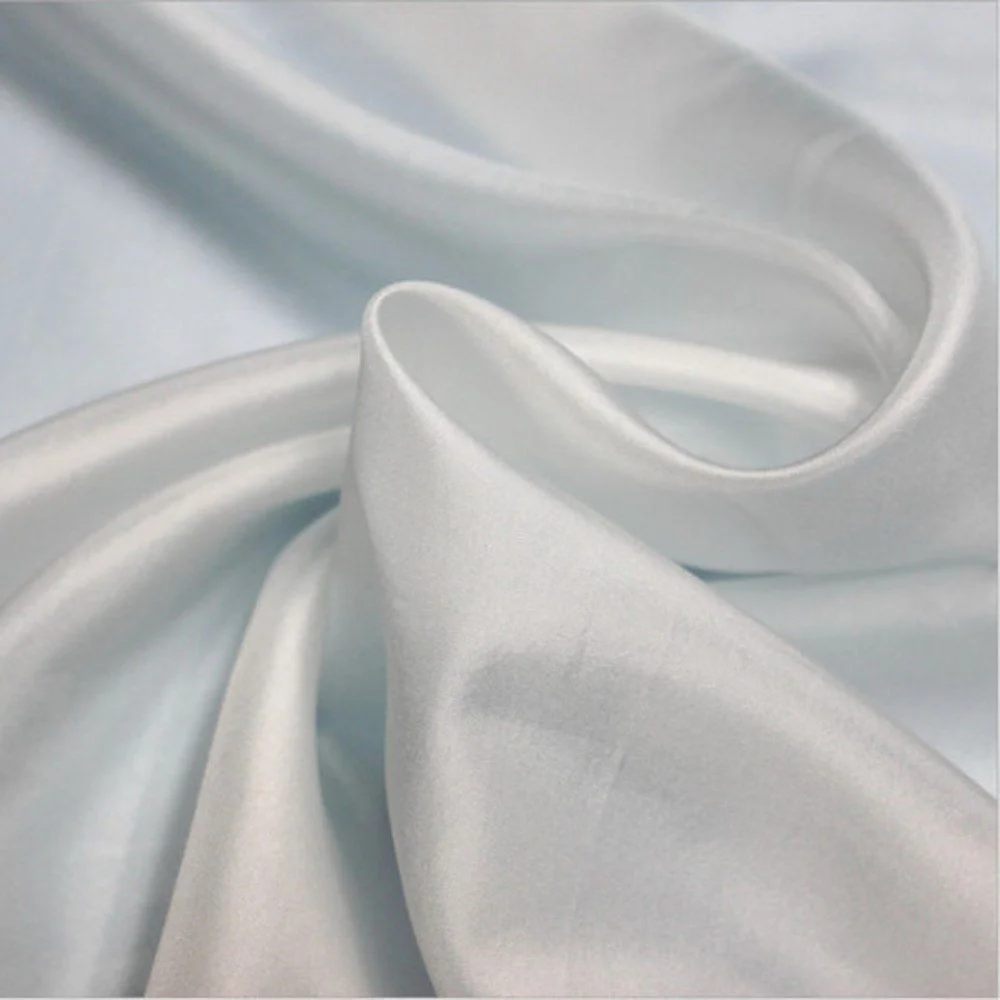
Das Handlooms' product range includes various types of Silk fabrics and products, such as Tussar Silk Fabric and Tussar Ghicha Silk Fabric. The typical grades of Silk fabrics include Charmeuse, Habotai, and Dupioni. Buyers of Silk fabrics usually require specifications such as weight in grams per square meter (GSM), thread count, and weave type. For example, a typical Silk fabric may have a GSM of 80-100 and a thread count of 200-400.
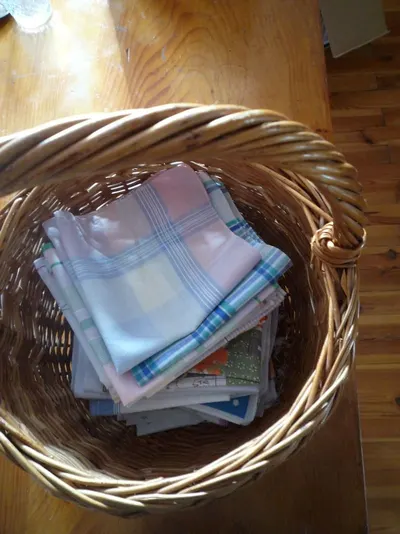
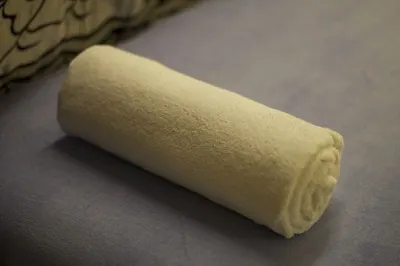
In addition to Silk fabrics, Das Handlooms also lists Handkerchief-Cotton (Pasapalli) and Tussah Silk Towel. The typical specifications for these products include material composition, size, and weight. For instance, a Handkerchief-Cotton (Pasapalli) may be made of 100% cotton, have a size of 40x40 cm, and weigh 50-60 grams.
Trade and Export Information - Das Handlooms
Exporters of Silk and other textile products from India, like Das Handlooms, typically export to regions such as Europe, North America, and the Middle East. The HS code families involved in the export of these products include 5007 for woven fabrics of silk, and 6307 for other made-up articles of textile materials. Certifications such as ISO 9001 and ISO 14001 are commonly required for textile exporters. Buyers should also be aware of the regulatory requirements for importing textile products, such as compliance with EU or US regulations.
The logistics and packaging norms for exporting textile products from India typically involve shipping in 20 ft or 40 ft containers, with packaging materials such as poly bags or cartons. The Incoterms used may be CIF (Cost, Insurance, and Freight) or FOB (Free on Board).
Sourcing from Das Handlooms - Buyer Guidance
When sourcing from Das Handlooms, buyers should request specifications such as material composition, size, weight, and thread count for Silk fabrics. They should also ask for test reports and certifications such as ISO 9001 and ISO 14001. Additionally, buyers should verify the supplier's trust tier and active product count to ensure they are dealing with a reliable supplier.
Buyers should also be aware of the typical quality parameters for Silk fabrics, such as GSM, thread count, and weave type. They should request samples and verify the products' quality before placing an order. The minimum order quantity (MOQ) and lead time should also be confirmed with the supplier before ordering.
Frequently Asked Questions About Das Handlooms
What types of Silk fabrics does Das Handlooms offer?
Das Handlooms offers Tussar Silk Fabric and Tussar Ghicha Silk Fabric, among other products. The typical grades of Silk fabrics include Charmeuse, Habotai, and Dupioni.
What are the typical specifications for Handkerchief-Cotton (Pasapalli)?
The typical specifications for Handkerchief-Cotton (Pasapalli) include material composition, size, and weight. For instance, a Handkerchief-Cotton (Pasapalli) may be made of 100% cotton, have a size of 40x40 cm, and weigh 50-60 grams.
What certifications are required for textile exporters from India?
Certifications such as ISO 9001 and ISO 14001 are commonly required for textile exporters from India. Buyers should also be aware of the regulatory requirements for importing textile products, such as compliance with EU or US regulations.
How are textile products typically packaged and shipped from India?
The logistics and packaging norms for exporting textile products from India typically involve shipping in 20 ft or 40 ft containers, with packaging materials such as poly bags or cartons. The Incoterms used may be CIF (Cost, Insurance, and Freight) or FOB (Free on Board).
What should buyers request when sourcing from Das Handlooms?
Buyers should request specifications such as material composition, size, weight, and thread count for Silk fabrics. They should also ask for test reports and certifications such as ISO 9001 and ISO 14001. Additionally, buyers should verify the supplier's trust tier and active product count to ensure they are dealing with a reliable supplier.
What are the typical quality parameters for Silk fabrics?
The typical quality parameters for Silk fabrics include GSM, thread count, and weave type. Buyers should request samples and verify the products' quality before placing an order. The minimum order quantity (MOQ) and lead time should also be confirmed with the supplier before ordering.
How can buyers verify the quality of the products before ordering?
Buyers can verify the quality of the products by requesting samples and test reports. They should also check the supplier's trust tier and active product count to ensure they are dealing with a reliable supplier. Additionally, buyers should confirm the MOQ and lead time with the supplier before ordering.
What is the minimum order quantity (MOQ) for Das Handlooms' products?
The MOQ for Das Handlooms' products should be confirmed with the supplier before ordering. Buyers should also verify the lead time and other specifications to ensure they are getting the products they need.




 , India