Cv.Tropical Indo Pratama — Verified Supplier
About Cv.Tropical Indo Pratama - Charcoal Supplier in Indonesia
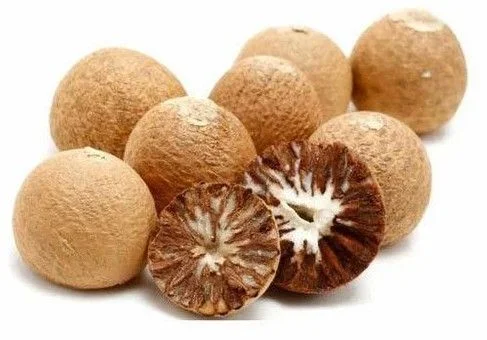
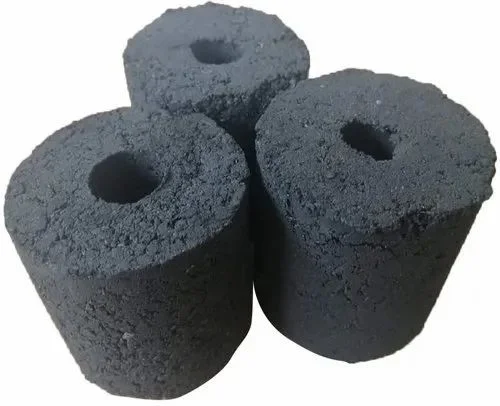
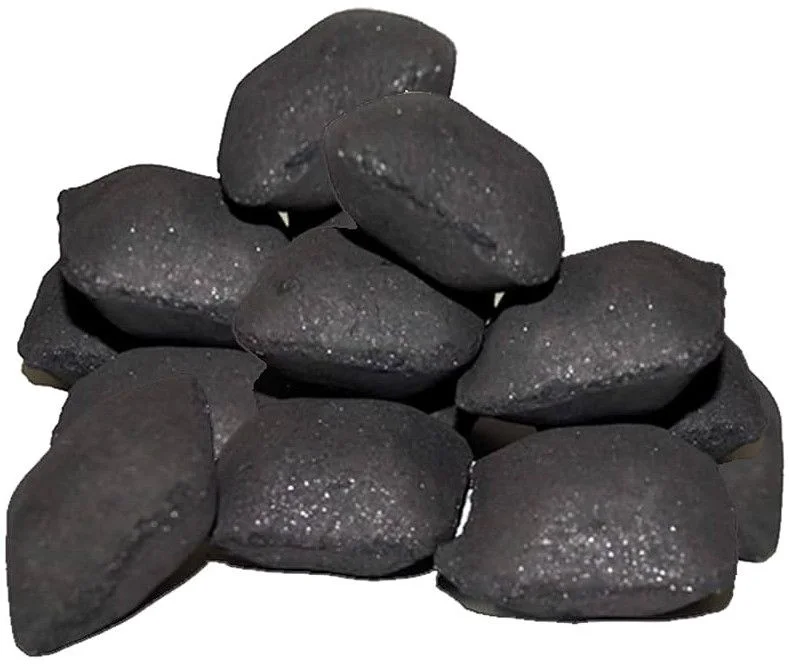
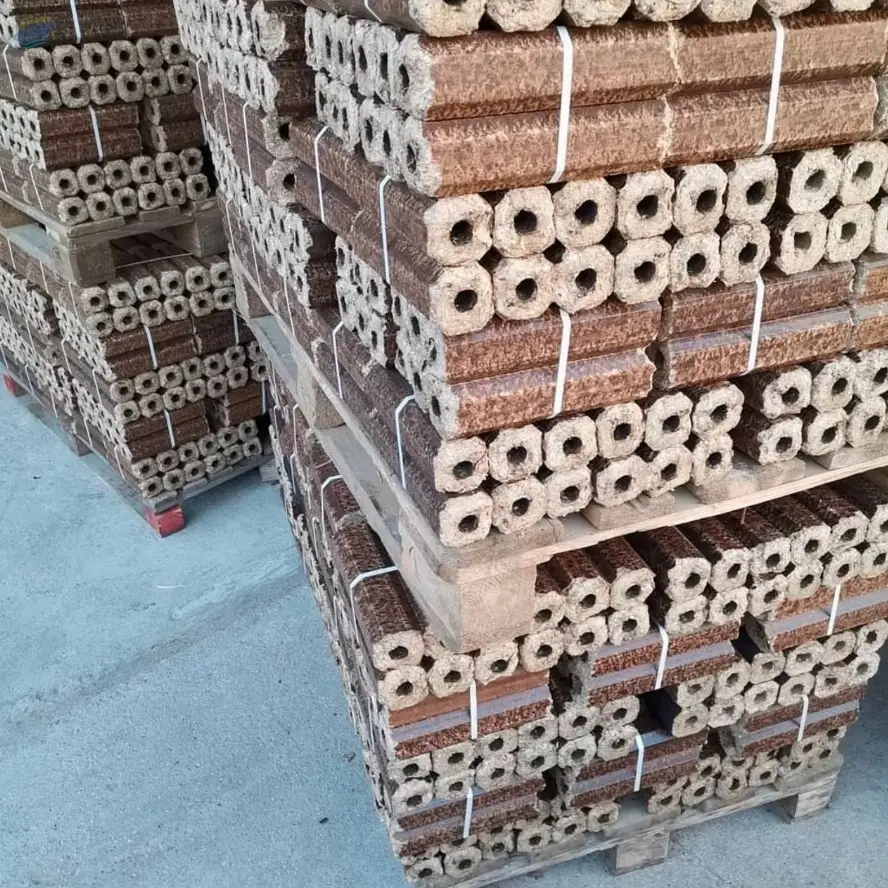
Indonesia is a major exporter of agricultural and forest products. Cv.Tropical Indo Pratama lists eight active products across charcoal, spices and betel nut. The catalogue includes wooden broom handles, cinnamon, various forms of charcoal (lump wood, coconut briquette, mangrove Kachi for BBQ, coconut shell natural charcoal), long pepper, and split betel nut (HS 0802.90). The split betel nut is described as dried Areca catechu with split grade 75-85%. The product set reflects typical Indonesian outputs in these categories.
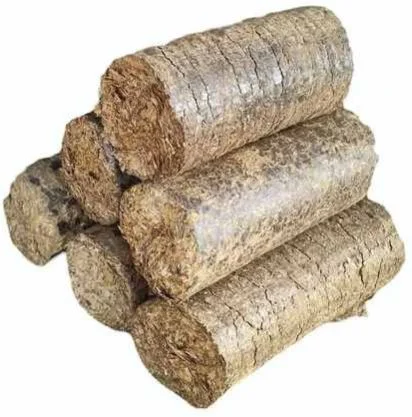
The supplier’s catalogue groups items under three top categories: Charcoal, Spices, Betel nut. Charcoal items cover both lump and briquette formats, commonly classified under HS chapters 44 (wood charcoal). The spice items - cinnamon and long pepper - fall under HS 0905 and 0909 respectively. The wooden broom handle is a wood product without a specific HS code provided. The eight-product portfolio gives buyers a concise selection of Indonesian raw and processed commodities.
Product Range and Specialties of Cv.Tropical Indo Pratama
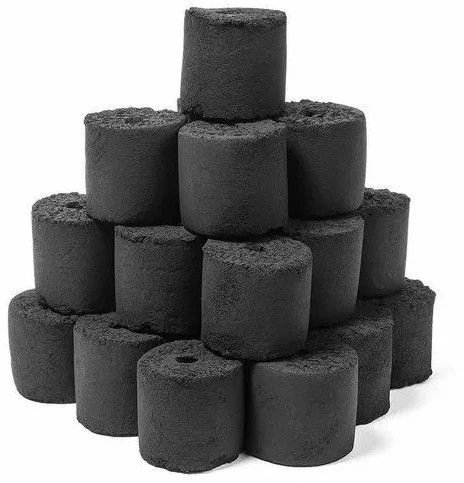
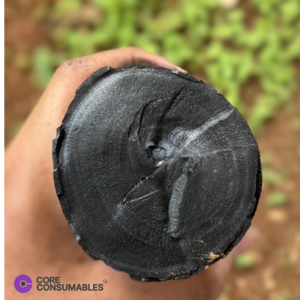
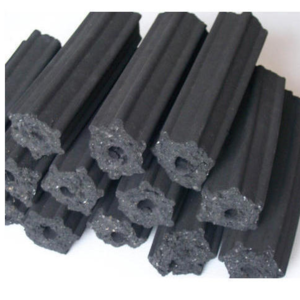
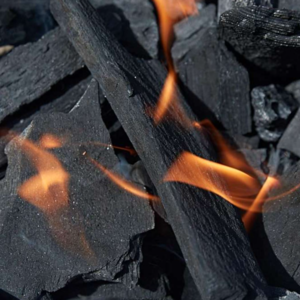
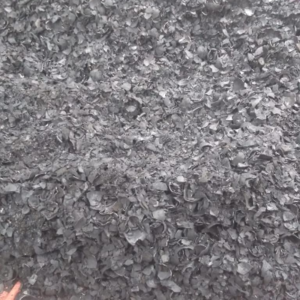
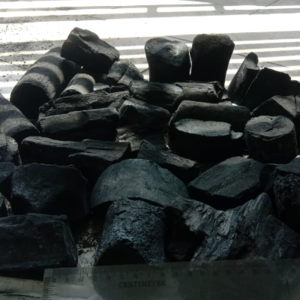
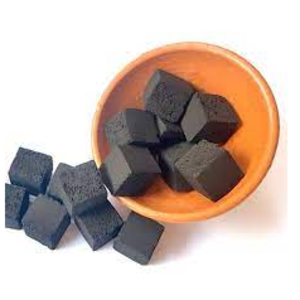
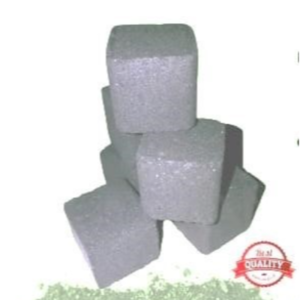
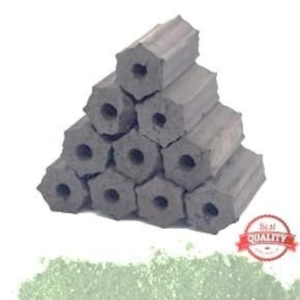
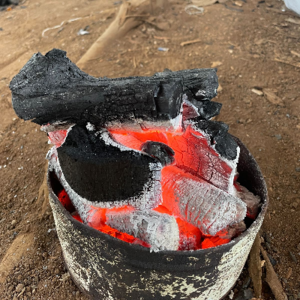
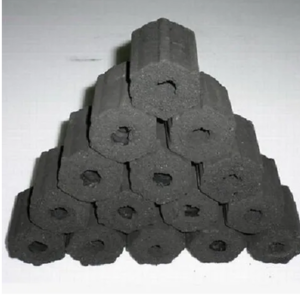
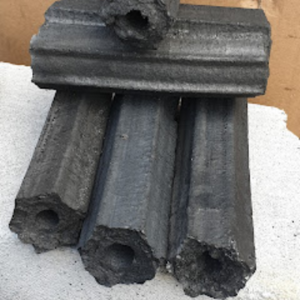
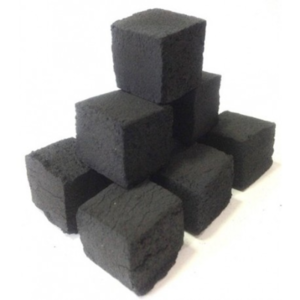
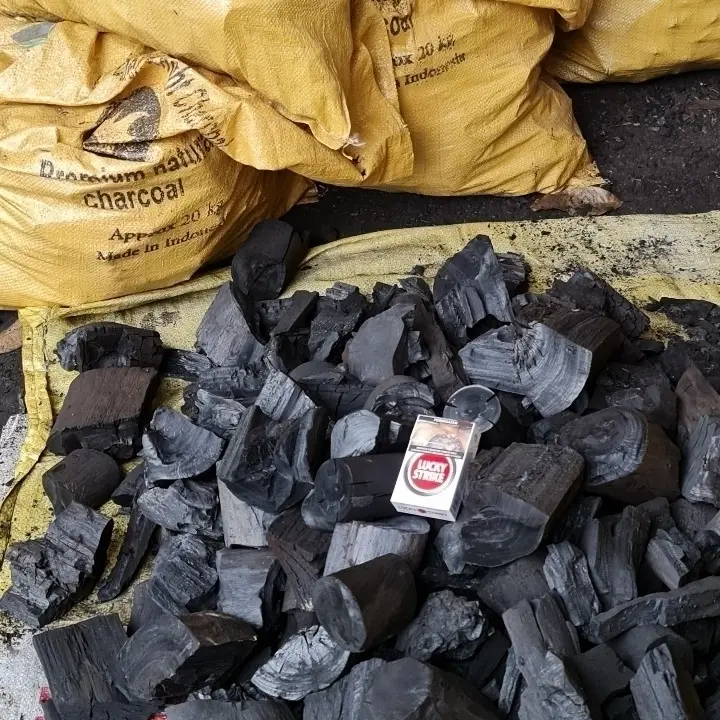
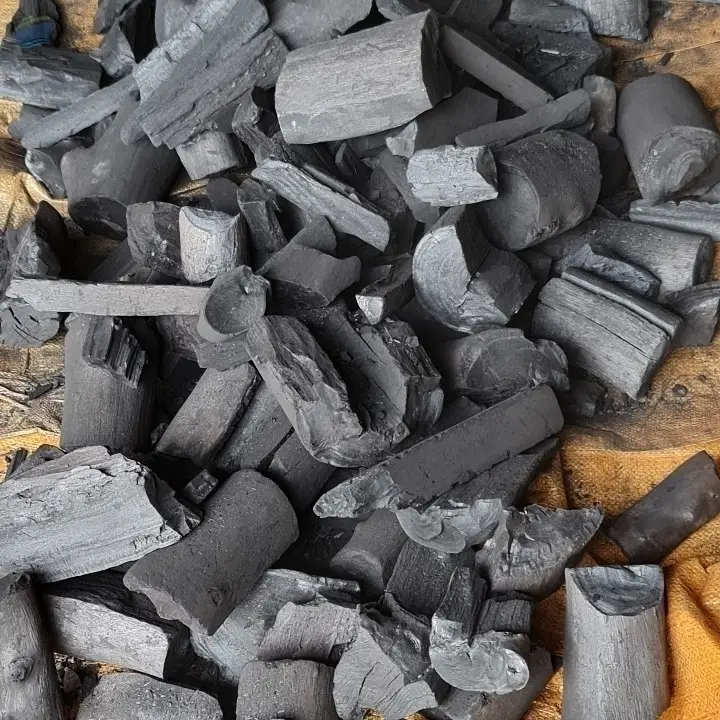
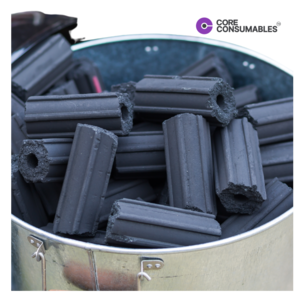
Cv.Tropical Indo Pratama’s eight‑item list comprises wooden broom handles, cinnamon, four charcoal variants (lump wood, coconut briquette, mangrove Kachi for BBQ, coconut shell natural), long pepper and split betel nut. In the charcoal segment, lump charcoal typically has moisture below 10 % and ash under 5 %, while briquettes are graded for carbon content of 85‑90 % and uniform pellet size (10‑20 mm). Mangrove Kachi is valued for low ash and high calorific value, and coconut shell charcoal is noted for high iodine value and low volatile matter.
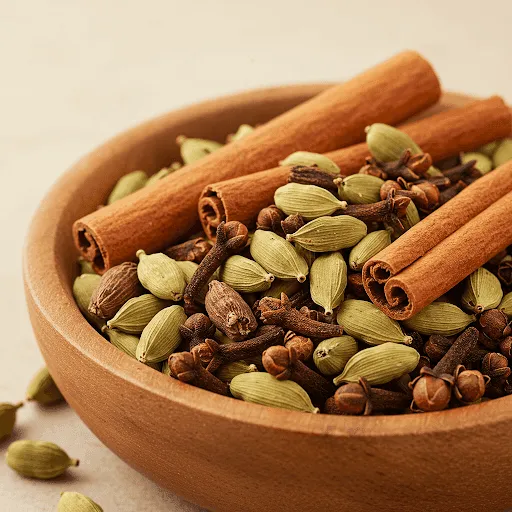
Spice specifications are industry‑standard: cinnamon is graded by essential oil content (1‑2 %) and moisture ≤12 %, while long pepper is assessed for particle size (5‑10 mm), moisture ≤12 % and microbial limits such as total plate count <10⁴ CFU/g. Wooden broom handles are typically hardwood shafts of 1.2 m length and 30 mm diameter, packaged in bulk cartons. Buyers in this sector usually request ISO 9001 or ISO 22000 quality management certificates, FSC or PEFC verification for wood‑based items, and phytosanitary certificates for agricultural products.
Trade and Export Information - Cv.Tropical Indo Pratama
Indonesia’s forest and spice sectors supply charcoal to markets in the Middle East, Europe and Africa, while its spices are heavily exported to the EU and the United States. Betel nut shipments are commonly directed to South‑Asian and Middle‑Eastern consumers. Charcoal products fall under HS 4401‑4403, spices under HS 0905 (cinnamon) and 0909 (long pepper), and betel nut under HS 0802.90. Importers typically require a phytosanitary certificate, a certificate of analysis for moisture and ash, and, where applicable, FSC or ISO certifications for wood‑derived goods.
Standard logistics involve 20‑ft containers accommodating up to 12 tons of charcoal in 25 kg polypropylene bags, 50 kg multi‑layer sacks for spices, and 20‑kg jute bags for betel nut. FOB and CIF terms dominate Indonesian export contracts, with buyers often specifying ports such as Jakarta, Surabaya, or Batam for onward shipment to destination hubs in Asia, Europe or the Gulf region.
Sourcing from Cv.Tropical Indo Pratama - Buyer Guidance
When sourcing charcoal from this supplier, request moisture and ash analysis reports, carbon content data for briquettes, and size‑grading certificates. For cinnamon and long pepper, ask for a certificate of analysis covering moisture, essential oil (cinnamon) or particle size (pepper), and microbial testing results. Split betel nut should be accompanied by a phytosanitary certificate, a COA confirming the 75‑85 % split grade, and verification of the HS 0802.90 classification.
Buyers should also confirm packaging dimensions and weight to ensure container loading efficiency, and request sample shipments before finalizing larger orders. Verifying any ISO, FSC or other quality management certifications cited by the supplier helps align with import‑country compliance. Clarify Incoterms (FOB or CIF) and the designated loading port to avoid logistical discrepancies.
Frequently Asked Questions About Cv.Tropical Indo Pratama
What product categories does Cv.Tropical Indo Pratama offer?
The supplier lists eight items across charcoal (lump wood, coconut briquette, mangrove Kachi, coconut shell), spices (cinnamon, long pepper), a wooden broom handle, and split betel nut (HS 0802.90).
Which HS codes apply to the listed products?
The split betel nut is classified under HS 0802.90. Charcoal products typically fall under HS chapter 44 (e.g., 4401 for wood charcoal). Spices such as cinnamon and long pepper correspond to HS 0905 and 0909 respectively. No HS code is provided for the wooden broom handle.
What quality specifications are common for the charcoal products?
Buyers usually request moisture below 10 %, ash content under 5 % for lump charcoal, and a carbon content of 85‑90 % for briquettes. Size grading (10‑20 mm pieces) and low sulfur are also standard specifications.
What tests are standard for the cinnamon and long pepper?
Typical specifications include moisture ≤12 %, essential oil content 1‑2 % for cinnamon, and particle size 5‑10 mm for long pepper. Microbial limits such as total plate count <10⁴ CFU/g and aflatoxin screening are commonly required.
What documentation should a buyer request before importing split betel nut?
A phytosanitary certificate, a certificate of analysis confirming the 75‑85 % split grade, and the HS code declaration (0802.90) are standard. Importers also verify compliance with any local pesticide residue limits.
What packaging formats are typical for these products?
Charcoal is usually packed in 25 kg polypropylene bags, spices in 50 kg multi‑layer sacks, and betel nut in 20 kg jute bags. Wooden broom handles are shipped in cartons of 100‑200 units.
Which Incoterms are most frequently used for Indonesian exports of these goods?
FOB (Free on Board) and CIF (Cost, Insurance, Freight) are the prevailing terms, with buyers often specifying destination ports in the Middle East, Europe or Southeast Asia.




 , Indonesia