CV Fortune Agro Indonesia — Verified Supplier

About CV Fortune Agro Indonesia - Cassava Products Supplier in Indonesia

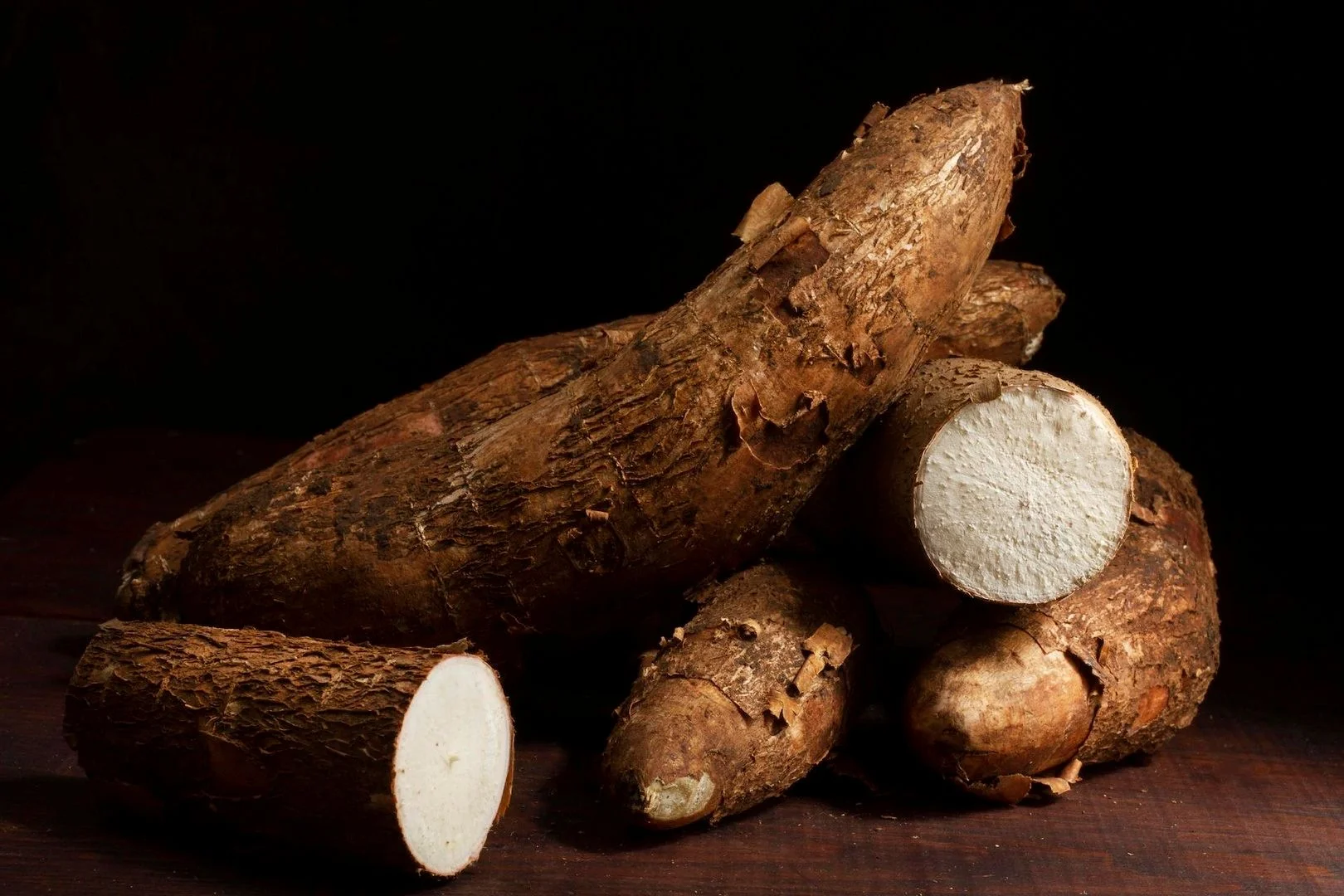
Indonesia hosts CV Fortune Agro Indonesia, which lists six active products across the categories of chips, fresh cassava, tapioca starch, flour and snacks. The catalogue includes both raw and processed cassava derivatives as well as melinjo based snack items. Products are identified under HS code families for processed food items, with two items carrying specific HS codes. The supplier’s portfolio reflects typical Indonesian agricultural processing outputs. Export activity is positioned for bulk food ingredients and snack commodities.

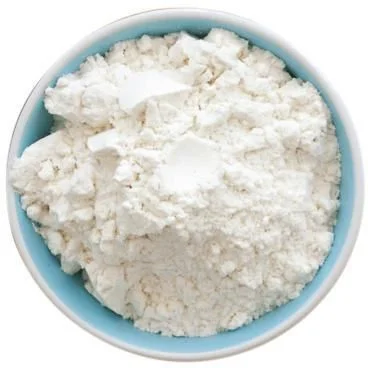
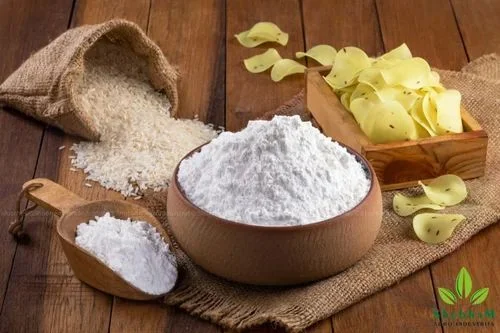
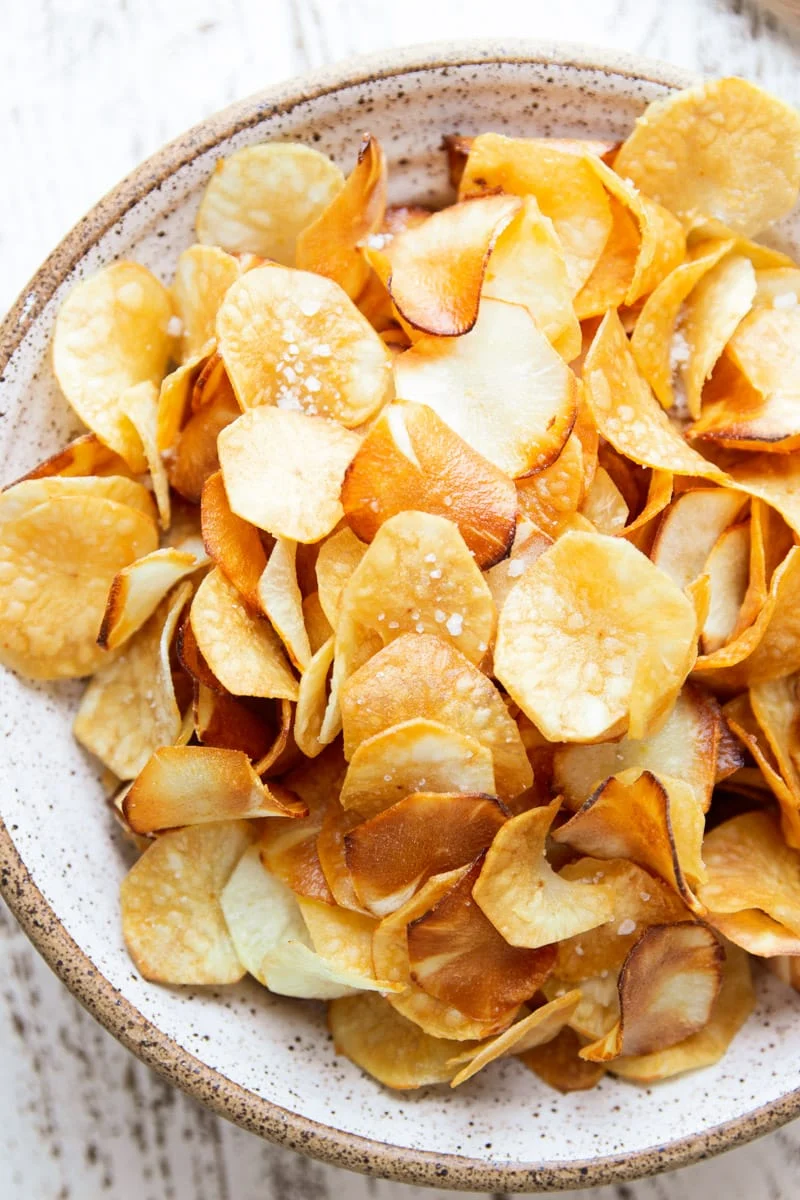
The product list comprises Cassava Root, Tapioca Starch, Cassava Flour, Cassava Chips (HS 2005.20, material Cassava (Manioc) Root), Melinjo Chips (HS 2008.99, material Melinjo nuts, vegetable oil, salt, spices) and a traditional cracker (Kerupuk). Each item falls under HS chapters 20 for prepared or preserved foods. The catalogue does not specify certifications, focusing on product type and material composition. The range supports both ingredient buyers and finished‑goods manufacturers.

Product Range and Specialties of CV Fortune Agro Indonesia

The catalogue offers raw Cassava Root, processed Tapioca Starch, fine Cassava Flour, two snack chips and a traditional cracker. In the global market, cassava starch is typically sold with purity levels of 98‑99 % dry matter and moisture below 12 %. Cassava flour commonly meets moisture limits of 12‑14 % and ash content under 2 %. Snack chips are usually packaged with moisture content below 5 % to ensure crispness, and melinjo chips often contain added vegetable oil and seasoning within regulated salt limits. HS 2005.20 covers prepared or preserved vegetables, while HS 2008.99 captures other prepared foodstuffs not elsewhere specified.

Industry standards for these products often reference ISO 22000 for food safety management and HACCP plans for processing facilities. Buyers of tapioca starch frequently request laboratory analysis for amylose/amylopectin ratio and viscosity. Cassava flour specifications may include particle size distribution (e.g., 100 - 200 µm) and gluten‑free certification. Snack manufacturers typically require batch‑level ingredient declarations and shelf‑life testing.

Trade and Export Information - CV Fortune Agro Indonesia

Indonesia is a major exporter of cassava‑derived ingredients to Southeast Asian, Middle Eastern and European food processors. Buyers in the United Arab Emirates, Saudi Arabia, the Netherlands and Singapore regularly import HS 2005.20 and HS 2008.99 products for snack production and ingredient blending. Export logistics commonly use 20 ft or 40 ft containers with moisture‑proof liners, and CIF or FOB terms are standard for bulk food shipments.

Regulatory requirements for Indonesian food exports include compliance with the importing country’s food safety standards, such as EU Regulation 1169/2011 for labeling and US FDA food import guidelines. Typical documentation includes a phytosanitary certificate, certificate of origin, and a laboratory test report covering moisture, microbial load and pesticide residues. Buyers often request ISO 22000 or HACCP audit reports even if the supplier does not list them, to verify the processing environment.

Sourcing from CV Fortune Agro Indonesia - Buyer Guidance

When sourcing cassava root or flour, request a moisture content analysis and a mycotoxin test report, as high humidity can affect storage stability. For tapioca starch, ask for a purity assay and viscosity measurement to confirm suitability for thickening applications. Verify that the supplier can provide a recent HACCP or ISO 22000 audit copy if food safety certification is required by your market.

For snack items such as Cassava Chips and Melinjo Chips, obtain a sample batch for sensory evaluation and a laboratory report covering oil content, salt level and microbial limits (e.g., total plate count below 10⁴ CFU/g). Confirm packaging specifications, typically multi‑layer polyethylene bags or food‑grade cartons, and ensure that the HS codes on the commercial invoice match the product description. Clarify lead times, which for processed foods from Indonesia range from 30 to 45 days after order confirmation.

Frequently Asked Questions About CV Fortune Agro Indonesia

What product codes are used for the snack chips in the catalogue?

Cassava Chips are listed under HS 2005.20 and Melinjo Chips under HS 2008.99, reflecting prepared vegetable and other prepared food categories.

Which certifications should a buyer request for the starch product?

Buyers typically request ISO 22000 or HACCP audit reports, along with a laboratory purity test showing at least 98 % dry matter for Tapioca Starch.

What packaging formats are common for the cassava flour?

Cassava Flour is usually packed in food‑grade polyethylene bags of 25 kg or in 1‑ton bulk sacks, sealed to protect against moisture.

How is moisture content controlled for the chips?

Manufacturers aim for moisture below 5 % in the final chip product, and buyers often ask for a moisture analysis report for each shipment.

Which markets typically import Indonesian cassava products?

Key import regions include Southeast Asia, the Middle East, and the European Union, where cassava starch is used in confectionery and bakery formulations.

What documentation is required for customs clearance of the melinjo chips?

Customs generally require a commercial invoice with the correct HS 2008.99 code, a certificate of origin, and a phytosanitary certificate for the plant‑derived ingredients.


Featured Products from this Supplier

Other Suppliers in Primary Category

Top Trusted Suppliers

Related Products

Trending in Parent Category

More Suppliers in Category

Related Products

Other Suppliers

EximNext
58.7K+ live requirements
Register Free🎁 Reach verified global buyers
Post Requirement
🌍 Trusted by 224.9K+ businesses in 200+ countries|
58.7K+ active requirements right now
✉️ [email protected]
|
Sell on EximNextPost Requirement
EximNext
AgricultureApparelConstructionElectronicFoodHomeIndustrialMineralsMiscellaneous
🔥 Deals|✨ AI Match|🏭 Suppliers|📋 Buy Leads|💰 Trade Finance
58.7K+ live RFQs·194.8K+ suppliers
🎁 Reach global buyers →
EximNext
EximNext
Register Free
🎁 Reach verified global buyers
Sign In
📋Post Requirement💬Get Quotes✨AI Match📋RFQ Marketplace
All Categories
Services & Tools
🏭Supplier Directory🔥Today's Deals💰Trade Finance
Sell on EximNext →
AboutContactBlogHelp
Agriculture & Food  ·  Indonesia
6
products listed

CV Fortune Agro Indonesia

⚓ Harbor
Country flag , Indonesia
🛡️
54/100
Trust Score

CV Fortune Agro Indonesia Product Catalog

Showing 6 of 6 products
View all products →
Cassava Root
⚓ Harbor
Cassava Root
Contact
MOQ: 1 Unit
Tapioca Starch
⚓ Harbor
Tapioca Starch
Contact
MOQ: 1 Unit
Cassava Flour
⚓ Harbor
Cassava Flour
Contact
MOQ: 1 Unit
Cassava Chips
⚓ Harbor
Cassava Chips
Contact
MOQ: 1 Unit
Melinjo Chips
⚓ Harbor
Melinjo Chips
Contact
MOQ: 1 Unit
Cracker (Kerupuk)
⚓ Harbor
Cracker (Kerupuk)
Contact
MOQ: 1 Unit

About CV Fortune Agro Indonesia - Cassava Products Supplier in Indonesia

Indonesia hosts CV Fortune Agro Indonesia, which lists six active products across the categories of chips, fresh cassava, tapioca starch, flour and snacks. The catalogue includes both raw and processed cassava derivatives as well as melinjo based snack items. Products are identified under HS code families for processed food items, with two items carrying specific HS codes. The supplier’s portfolio reflects typical Indonesian agricultural processing outputs. Export activity is positioned for bulk food ingredients and snack commodities.

The product list comprises Cassava Root, Tapioca Starch, Cassava Flour, Cassava Chips (HS 2005.20, material Cassava (Manioc) Root), Melinjo Chips (HS 2008.99, material Melinjo nuts, vegetable oil, salt, spices) and a traditional cracker (Kerupuk). Each item falls under HS chapters 20 for prepared or preserved foods. The catalogue does not specify certifications, focusing on product type and material composition. The range supports both ingredient buyers and finished‑goods manufacturers.

Product Range and Specialties of CV Fortune Agro Indonesia

The catalogue offers raw Cassava Root, processed Tapioca Starch, fine Cassava Flour, two snack chips and a traditional cracker. In the global market, cassava starch is typically sold with purity levels of 98‑99 % dry matter and moisture below 12 %. Cassava flour commonly meets moisture limits of 12‑14 % and ash content under 2 %. Snack chips are usually packaged with moisture content below 5 % to ensure crispness, and melinjo chips often contain added vegetable oil and seasoning within regulated salt limits. HS 2005.20 covers prepared or preserved vegetables, while HS 2008.99 captures other prepared foodstuffs not elsewhere specified.

Industry standards for these products often reference ISO 22000 for food safety management and HACCP plans for processing facilities. Buyers of tapioca starch frequently request laboratory analysis for amylose/amylopectin ratio and viscosity. Cassava flour specifications may include particle size distribution (e.g., 100 - 200 µm) and gluten‑free certification. Snack manufacturers typically require batch‑level ingredient declarations and shelf‑life testing.

Trade and Export Information - CV Fortune Agro Indonesia

Indonesia is a major exporter of cassava‑derived ingredients to Southeast Asian, Middle Eastern and European food processors. Buyers in the United Arab Emirates, Saudi Arabia, the Netherlands and Singapore regularly import HS 2005.20 and HS 2008.99 products for snack production and ingredient blending. Export logistics commonly use 20 ft or 40 ft containers with moisture‑proof liners, and CIF or FOB terms are standard for bulk food shipments.

Regulatory requirements for Indonesian food exports include compliance with the importing country’s food safety standards, such as EU Regulation 1169/2011 for labeling and US FDA food import guidelines. Typical documentation includes a phytosanitary certificate, certificate of origin, and a laboratory test report covering moisture, microbial load and pesticide residues. Buyers often request ISO 22000 or HACCP audit reports even if the supplier does not list them, to verify the processing environment.

Sourcing from CV Fortune Agro Indonesia - Buyer Guidance

When sourcing cassava root or flour, request a moisture content analysis and a mycotoxin test report, as high humidity can affect storage stability. For tapioca starch, ask for a purity assay and viscosity measurement to confirm suitability for thickening applications. Verify that the supplier can provide a recent HACCP or ISO 22000 audit copy if food safety certification is required by your market.

For snack items such as Cassava Chips and Melinjo Chips, obtain a sample batch for sensory evaluation and a laboratory report covering oil content, salt level and microbial limits (e.g., total plate count below 10⁴ CFU/g). Confirm packaging specifications, typically multi‑layer polyethylene bags or food‑grade cartons, and ensure that the HS codes on the commercial invoice match the product description. Clarify lead times, which for processed foods from Indonesia range from 30 to 45 days after order confirmation.

Frequently Asked Questions About CV Fortune Agro Indonesia

What product codes are used for the snack chips in the catalogue?

Cassava Chips are listed under HS 2005.20 and Melinjo Chips under HS 2008.99, reflecting prepared vegetable and other prepared food categories.

Which certifications should a buyer request for the starch product?

Buyers typically request ISO 22000 or HACCP audit reports, along with a laboratory purity test showing at least 98 % dry matter for Tapioca Starch.

What packaging formats are common for the cassava flour?

Cassava Flour is usually packed in food‑grade polyethylene bags of 25 kg or in 1‑ton bulk sacks, sealed to protect against moisture.

How is moisture content controlled for the chips?

Manufacturers aim for moisture below 5 % in the final chip product, and buyers often ask for a moisture analysis report for each shipment.

Which markets typically import Indonesian cassava products?

Key import regions include Southeast Asia, the Middle East, and the European Union, where cassava starch is used in confectionery and bakery formulations.

What documentation is required for customs clearance of the melinjo chips?

Customs generally require a commercial invoice with the correct HS 2008.99 code, a certificate of origin, and a phytosanitary certificate for the plant‑derived ingredients.

About CV Fortune Agro Indonesia - Cassava Products Supplier in Indonesia

Indonesia hosts CV Fortune Agro Indonesia, which lists six active products across the categories of chips, fresh cassava, tapioca starch, flour and snacks. The catalogue includes both raw and processed cassava derivatives as well as melinjo based snack items. Products are identified under HS code families for processed food items, with two items carrying specific HS codes. The supplier’s portfolio reflects typical Indonesian agricultural processing outputs. Export activity is positioned for bulk food ingredients and snack commodities.

The product list comprises Cassava Root, Tapioca Starch, Cassava Flour, Cassava Chips (HS 2005.20, material Cassava (Manioc) Root), Melinjo Chips (HS 2008.99, material Melinjo nuts, vegetable oil, salt, spices) and a traditional cracker (Kerupuk). Each item falls under HS chapters 20 for prepared or preserved foods. The catalogue does not specify certifications, focusing on product type and material composition. The range supports both ingredient buyers and finished‑goods manufacturers.

Product Range and Specialties of CV Fortune Agro Indonesia

The catalogue offers raw Cassava Root, processed Tapioca Starch, fine Cassava Flour, two snack chips and a traditional cracker. In the global market, cassava starch is typically sold with purity levels of 98‑99 % dry matter and moisture below 12 %. Cassava flour commonly meets moisture limits of 12‑14 % and ash content under 2 %. Snack chips are usually packaged with moisture content below 5 % to ensure crispness, and melinjo chips often contain added vegetable oil and seasoning within regulated salt limits. HS 2005.20 covers prepared or preserved vegetables, while HS 2008.99 captures other prepared foodstuffs not elsewhere specified.

Industry standards for these products often reference ISO 22000 for food safety management and HACCP plans for processing facilities. Buyers of tapioca starch frequently request laboratory analysis for amylose/amylopectin ratio and viscosity. Cassava flour specifications may include particle size distribution (e.g., 100 - 200 µm) and gluten‑free certification. Snack manufacturers typically require batch‑level ingredient declarations and shelf‑life testing.

Trade and Export Information - CV Fortune Agro Indonesia

Indonesia is a major exporter of cassava‑derived ingredients to Southeast Asian, Middle Eastern and European food processors. Buyers in the United Arab Emirates, Saudi Arabia, the Netherlands and Singapore regularly import HS 2005.20 and HS 2008.99 products for snack production and ingredient blending. Export logistics commonly use 20 ft or 40 ft containers with moisture‑proof liners, and CIF or FOB terms are standard for bulk food shipments.

Regulatory requirements for Indonesian food exports include compliance with the importing country’s food safety standards, such as EU Regulation 1169/2011 for labeling and US FDA food import guidelines. Typical documentation includes a phytosanitary certificate, certificate of origin, and a laboratory test report covering moisture, microbial load and pesticide residues. Buyers often request ISO 22000 or HACCP audit reports even if the supplier does not list them, to verify the processing environment.

Sourcing from CV Fortune Agro Indonesia - Buyer Guidance

When sourcing cassava root or flour, request a moisture content analysis and a mycotoxin test report, as high humidity can affect storage stability. For tapioca starch, ask for a purity assay and viscosity measurement to confirm suitability for thickening applications. Verify that the supplier can provide a recent HACCP or ISO 22000 audit copy if food safety certification is required by your market.

For snack items such as Cassava Chips and Melinjo Chips, obtain a sample batch for sensory evaluation and a laboratory report covering oil content, salt level and microbial limits (e.g., total plate count below 10⁴ CFU/g). Confirm packaging specifications, typically multi‑layer polyethylene bags or food‑grade cartons, and ensure that the HS codes on the commercial invoice match the product description. Clarify lead times, which for processed foods from Indonesia range from 30 to 45 days after order confirmation.

Frequently Asked Questions About CV Fortune Agro Indonesia
What product codes are used for the snack chips in the catalogue?
Cassava Chips are listed under HS 2005.20 and Melinjo Chips under HS 2008.99, reflecting prepared vegetable and other prepared food categories.
Which certifications should a buyer request for the starch product?
Buyers typically request ISO 22000 or HACCP audit reports, along with a laboratory purity test showing at least 98 % dry matter for Tapioca Starch.
What packaging formats are common for the cassava flour?
Cassava Flour is usually packed in food‑grade polyethylene bags of 25 kg or in 1‑ton bulk sacks, sealed to protect against moisture.
How is moisture content controlled for the chips?
Manufacturers aim for moisture below 5 % in the final chip product, and buyers often ask for a moisture analysis report for each shipment.
Which markets typically import Indonesian cassava products?
Key import regions include Southeast Asia, the Middle East, and the European Union, where cassava starch is used in confectionery and bakery formulations.
What documentation is required for customs clearance of the melinjo chips?
Customs generally require a commercial invoice with the correct HS 2008.99 code, a certificate of origin, and a phytosanitary certificate for the plant‑derived ingredients.

CV Fortune Agro Indonesia
Country flag Indonesia
⚓ HarborAgriculture & Food
54/100
Trust Score
6
Products
✓ Free to contact — no commission
✓ Escrow payment available
✓ Verified business identity
Compare more suppliers
Post a requirement — get 10 quotes free
Let verified suppliers compete for your business. Free, fast, no commitment.
EximNext Verified Supplier
Business identity verified
Physical address confirmed
Financial history checked
Certifications authenticated
Trade references validated
Due Diligence
Verify this supplier's real shipping history.
Every shipment, every buyer, every port. Trade data that can't be faked.
Run due diligence →
Discover More

Related Suppliers & Products

Explore similar suppliers, related products and trending categories

Featured Products from this Supplier

Other Suppliers in Primary Category

Top Trusted Suppliers

Related Products

Trending in Parent Category

More Suppliers in Category

Stay ahead in global trade
Weekly market insights & new supplier alerts.
EximNext
Exim Next is a leading global B2B marketplace, connecting over 205,000 verified suppliers and buyers across 200+ countries. As a trusted import export marketplace, it serves as the essential B2B portal for businesses worldwide, empowering them to expand their international reach. With Exim Next, businesses can trade smarter and grow faster.
SECURE PAYMENTS
VISAMastercardPayPalSWIFTL/CEscrow
Follow us
© 2026 EximNext