Csk Enterprising Traders — Verified Supplier
About Csk Enterprising Traders - Home Furnishing Textiles Supplier in India
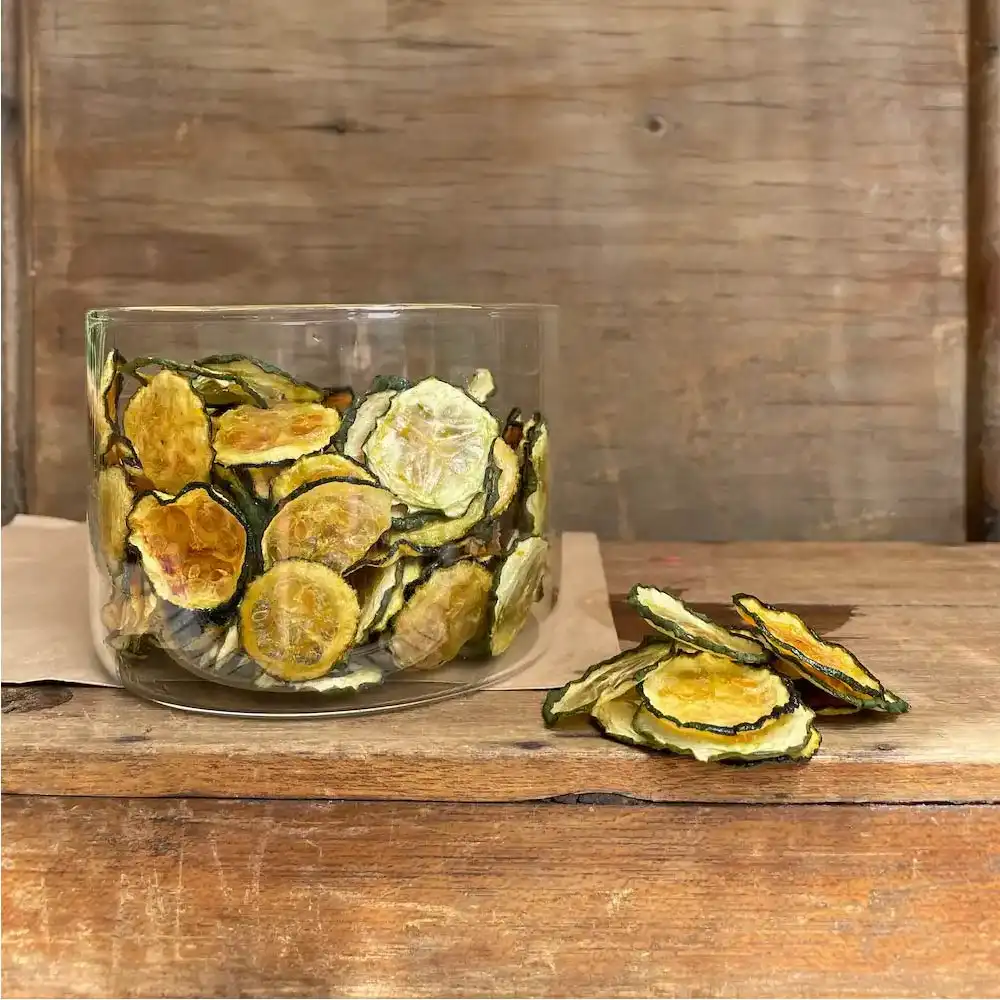
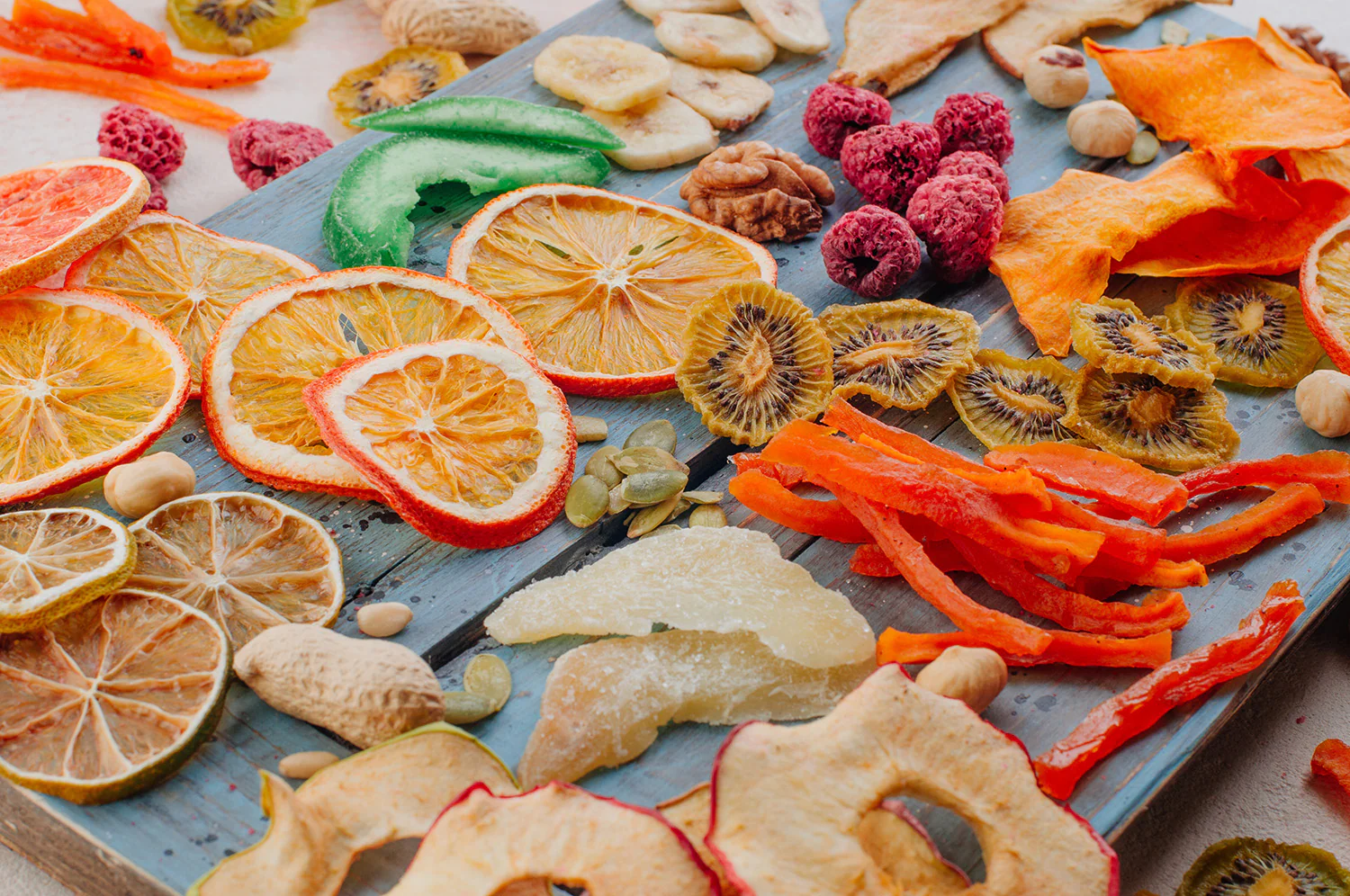
India, located in South Asia, lists ten active product lines under Csk Enterprising Traders. The catalogue spans Home Furnishing Textiles, Spices, Rice, Pulses, Fresh Onion, Leather Products, Edible Oils, Dehydrated Fruits, Fresh Fruits and Fresh Vegetables, covering a broad spectrum of agricultural and textile goods.
The product set includes generic Textiles, Spices and Nuts, milled Rice, various Pulses, Onions, Leather Goods, Cold Pressed Oils, Dried Fruits and Vegetables, fresh Fruits and fresh Vegetables. These items are classified under common HS chapters such as 61/62 for textiles, 07 for fresh vegetables, 08 for fresh fruit, 10 for cereals, 15 for oils and fats, and 42 for leather articles, reflecting typical customs coding for Indian exporters.
Product Range and Specialties of Csk Enterprising Traders
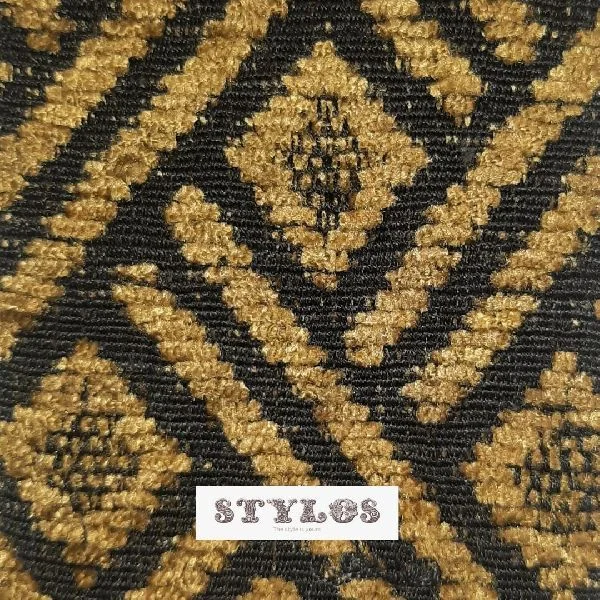
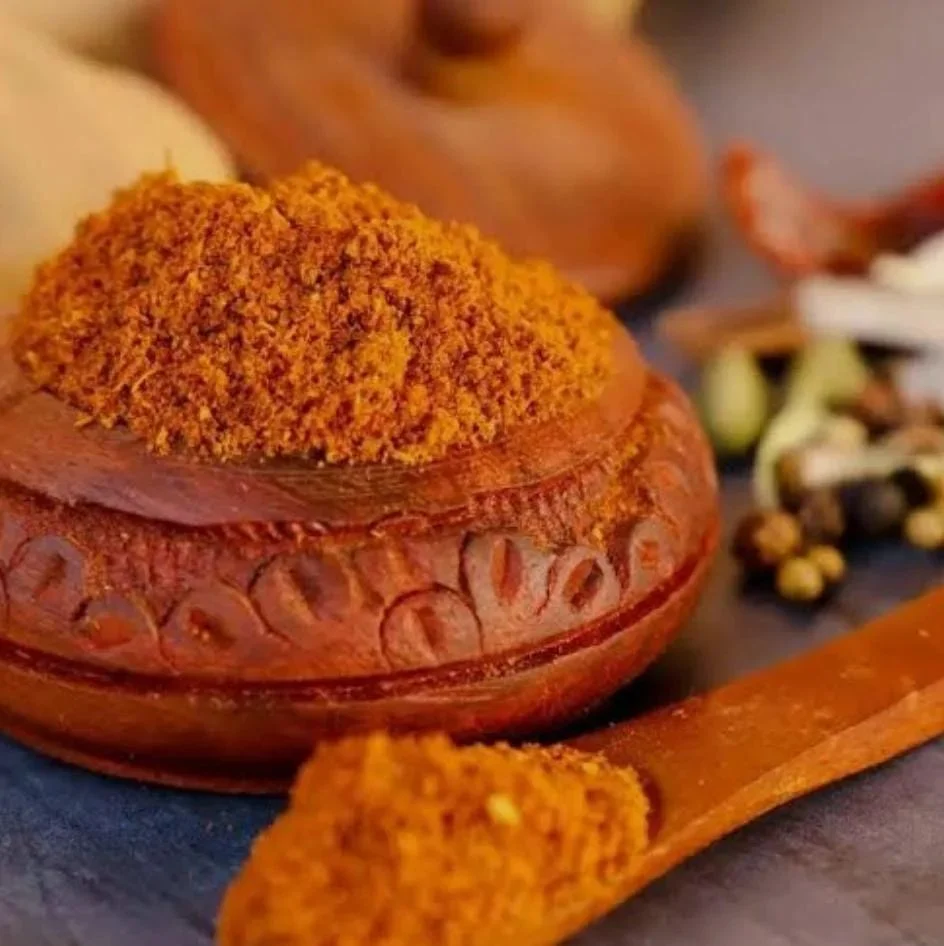
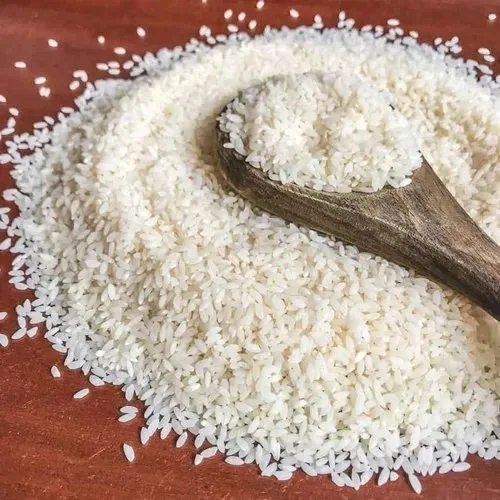
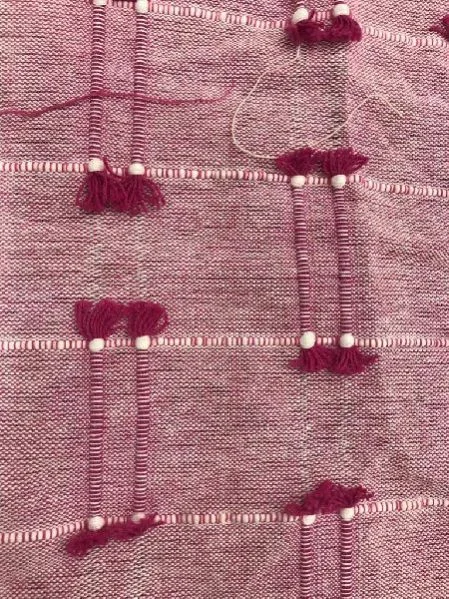
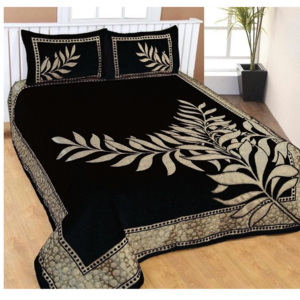
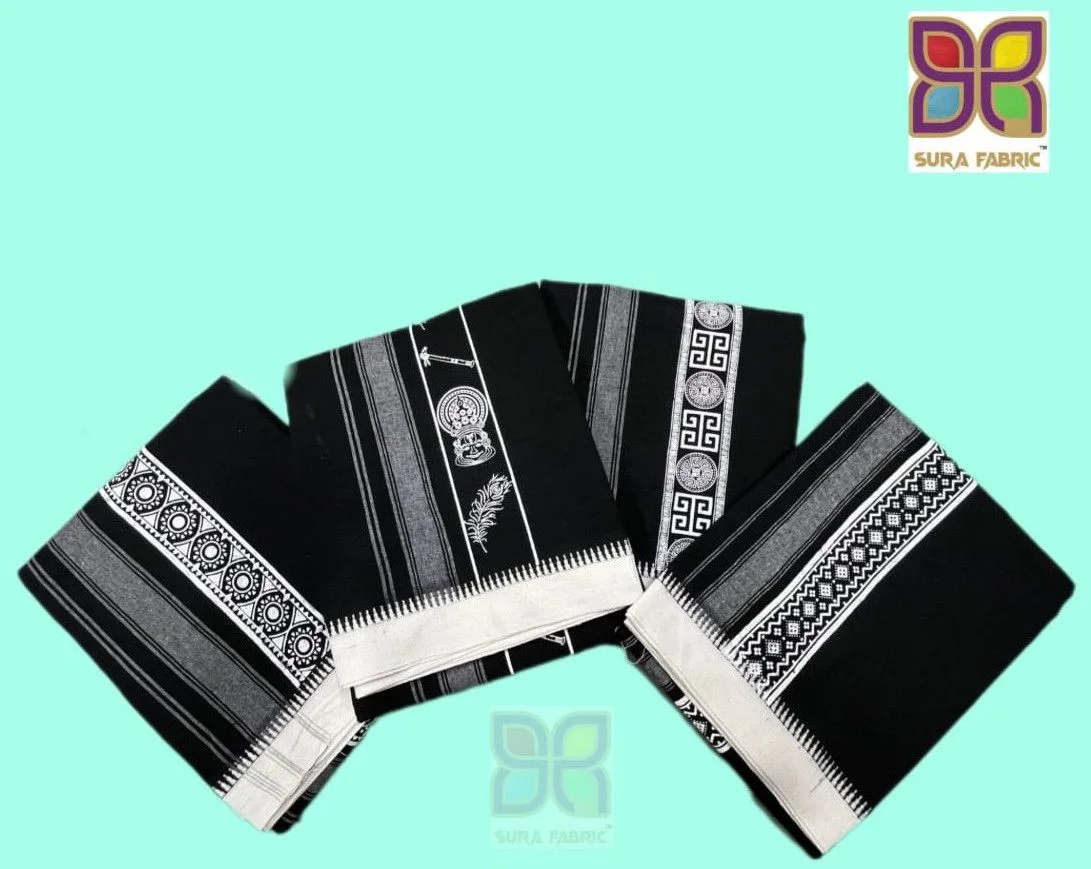
The textile line comprises woven and printed fabrics used for home furnishing, typically measured in grams per square metre (GSM) ranging from 150 to 300 and often made from cotton or polyester blends. Spices and nuts are offered in bulk with standard purity levels above 95 % and moisture content below 12 %, while Indian rice varieties such as Basmati are supplied in 25 kg bags meeting IRRI grade specifications. Pulses include gram, lentil and mung bean, generally meeting ISI grade A with moisture under 13 %. Onions are graded by size (large, medium) and have a permissible moisture ceiling of 10 %. Leather goods are mainly chrome‑tanned leather items inspected for tensile strength above 20 MPa and thickness between 0.8‑1.2 mm. Cold pressed oils, such as mustard or groundnut, are presented with free fatty acid (FFA) levels below 0.5 % and peroxide values under 10 meq O₂/kg. Dried fruits and vegetables, as well as fresh fruits and vegetables, follow typical Indian export standards for moisture (≤12 % for dried) and pesticide residue limits set by the Codex Alimentarius.
Trade and Export Information - Csk Enterprising Traders
India ranks among the top global exporters of textiles, spices, rice, pulses and edible oils, with primary markets in the Middle East, European Union, United States and Southeast Asia. Export shipments are usually packed in 20‑ft or 40‑ft containers, with textiles in rolled or folded cartons, spices and pulses in multi‑layered polypropylene bags, rice in jute or PP bags, and oils in food‑grade steel drums or IBCs. Buyers commonly request certifications such as ISO 9001, FSSAI registration, HACCP compliance and, where applicable, organic or Fairtrade certificates. Indian export procedures also require phytosanitary certificates for fresh produce, certificates of origin and, for leather goods, a leather product compliance statement under the EU REACH framework.
Sourcing from Csk Enterprising Traders - Buyer Guidance
When sourcing from this supplier, buyers should request a recent Certificate of Analysis (CoA) for each batch of spices, oils or pulses, confirming moisture, microbial and pesticide limits. For textiles, a fabric specification sheet detailing GSM, fibre composition and colour fastness should be obtained before finalising orders. Fresh produce such as onions, fruits and vegetables must be accompanied by a phytosanitary certificate and a residue test report to satisfy most import regulations. It is advisable to verify the supplier’s FSSAI licence number and any third‑party audit reports before confirming large volumes.
Frequently Asked Questions About Csk Enterprising Traders
What product specifications should I request for the home furnishing textiles?
Ask for a fabric data sheet that lists GSM (typically 150‑300), fibre blend (e.g., 80 % cotton/20 % polyester), weave type and colour‑fastness ratings. Verify that the samples meet the stated dimensions and weight before placing bulk orders.
Which certifications are normally required for Indian spices and nuts?
Buyers usually require a recent Certificate of Analysis, an FSSAI licence copy and, if the market demands, an organic certification or HACCP audit report. A phytosanitary certificate is not needed for dry spices but may be requested for certain destination countries.
How is rice typically packed for export from India?
Export‑grade rice is commonly packed in 25 kg or 50 kg jute bags, sometimes in polypropylene liners, and then palletised inside a 20‑ft or 40‑ft container. The packaging must meet ISI grade standards for moisture (≤14 %) and foreign matter.
What quality tests are standard for cold pressed edible oils?
Standard tests include free fatty acid (FFA) level (≤0.5 %), peroxide value (≤10 meq O₂/kg), iodine value and a microbial count. A CoA confirming these parameters should be supplied with each shipment.
Do I need a phytosanitary certificate for the fresh onions and vegetables?
Yes, most importing countries require a phytosanitary certificate that confirms the produce is free from pests and meets residue limits. The certificate must be issued by the Indian agricultural authority within a few days of shipment.
What are the typical minimum order quantities (MOQ) for leather goods?
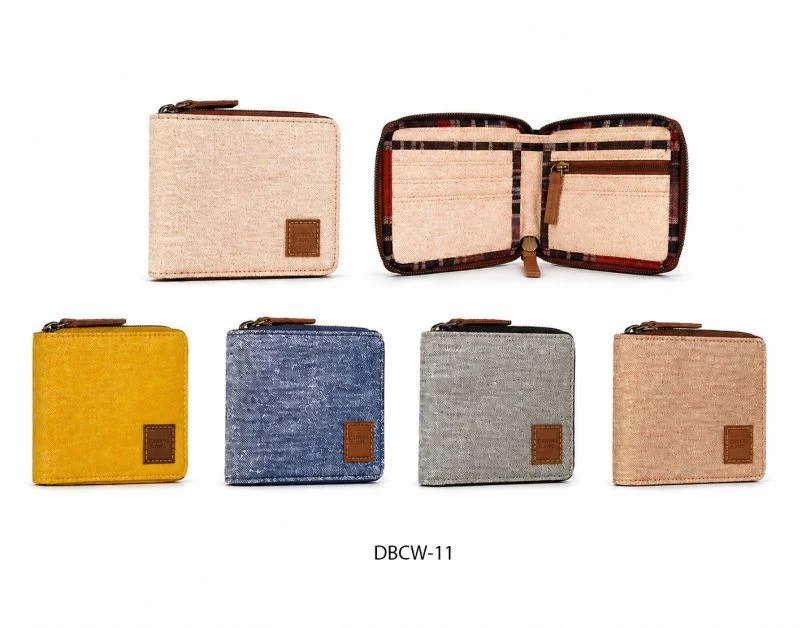
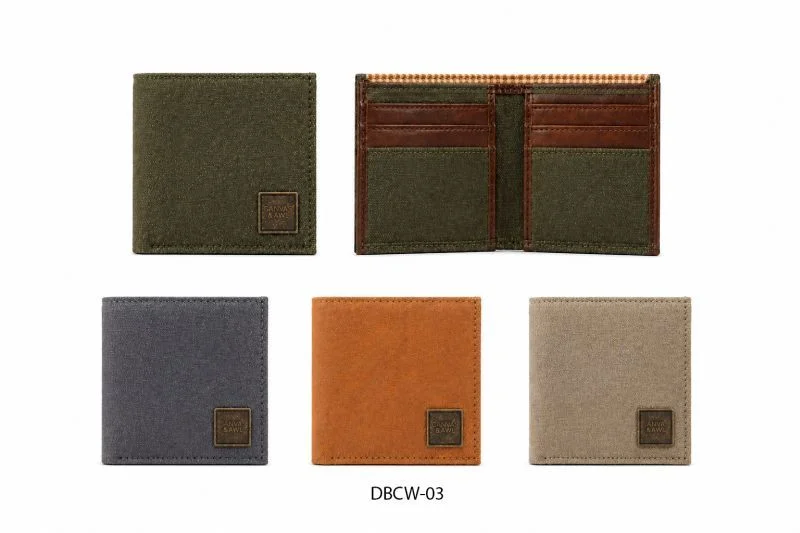
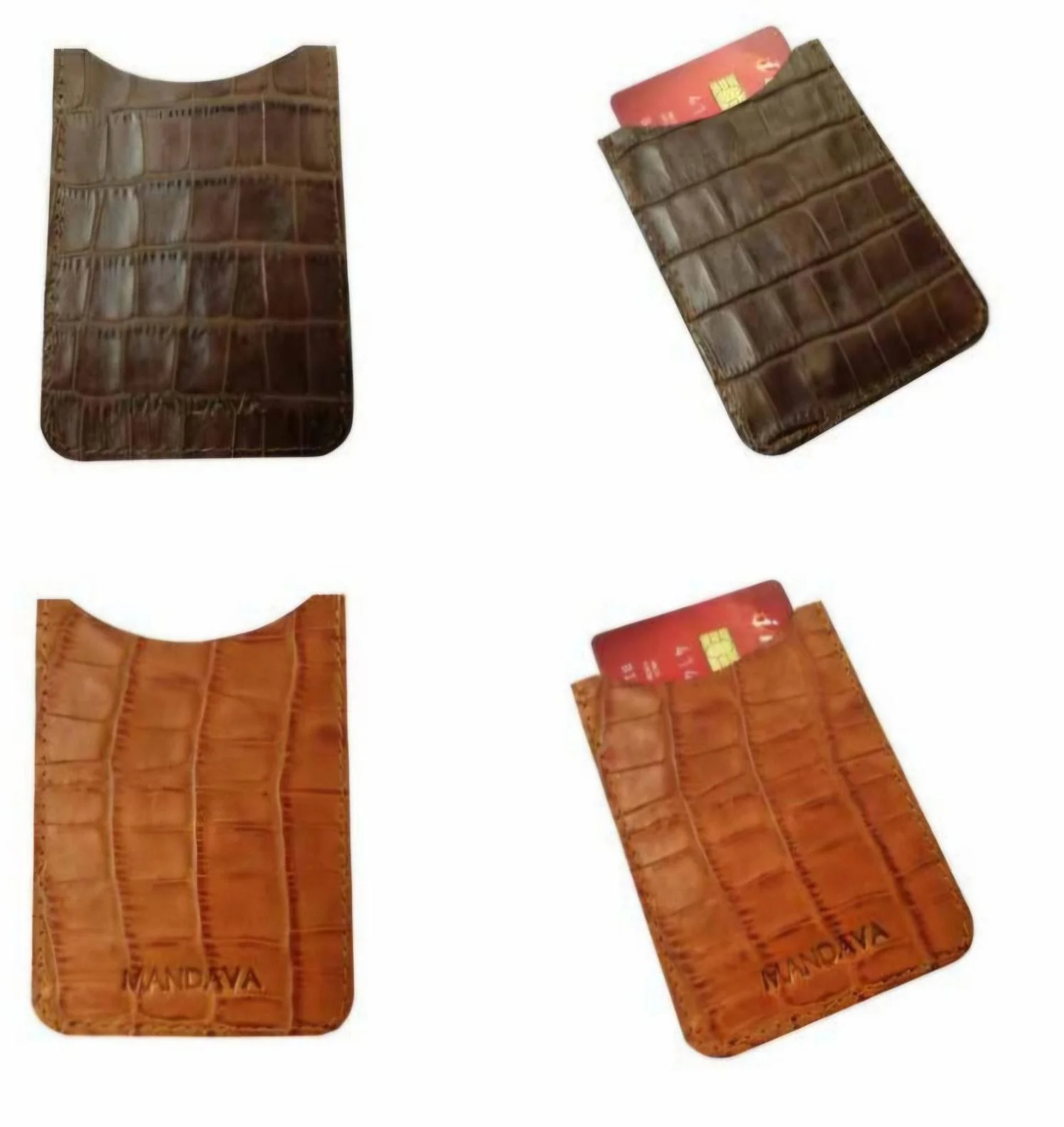
MOQs vary by product style but generally start at 500 pieces for small items such as belts or wallets, and 200 pieces for larger items like bags. Buyers should confirm the exact MOQ with the supplier for each leather article.
Which HS chapters cover the product range offered by this supplier?
The catalogue items fall under HS Chapter 61/62 (textiles), Chapter 07 (fresh vegetables), Chapter 08 (fresh fruit), Chapter 10 (cereals like rice), Chapter 15 (edible oils), Chapter 20 (spices and nuts), Chapter 21 (pulses) and Chapter 42 (leather goods).




 , India