CS Couture — Verified Supplier
About CS Couture - Ladies Kurti Supplier in India
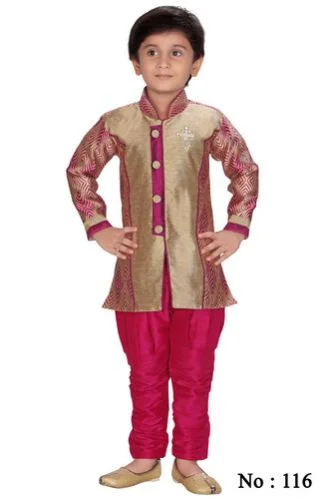
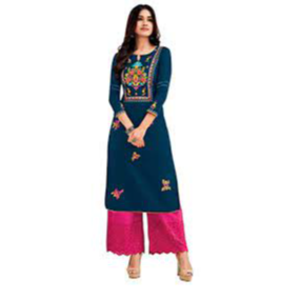
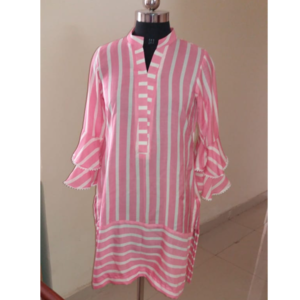
India hosts CS Couture, a supplier that currently lists nine distinct products across multiple textile and handicraft categories. The catalogue covers items such as women’s kurta sets with dupatta, readymade blouses, Palazzo pants, cushion‑cover sets, and festive accessories like Rakhi and Laddugopal dresses, reflecting a focus on traditional and contemporary Indian apparel and home‑textile décor.
The listed products fall under broader categories including Ladies Kurti, Traditional & Ethnic Wear, Home Furnishing Textiles, and Other Handicrafts & Decorative items. Each entry is identified by its product name only, without accompanying HS‑code data, and the supplier’s trust tier is recorded as “harbor.”
Product Range and Specialties of CS Couture
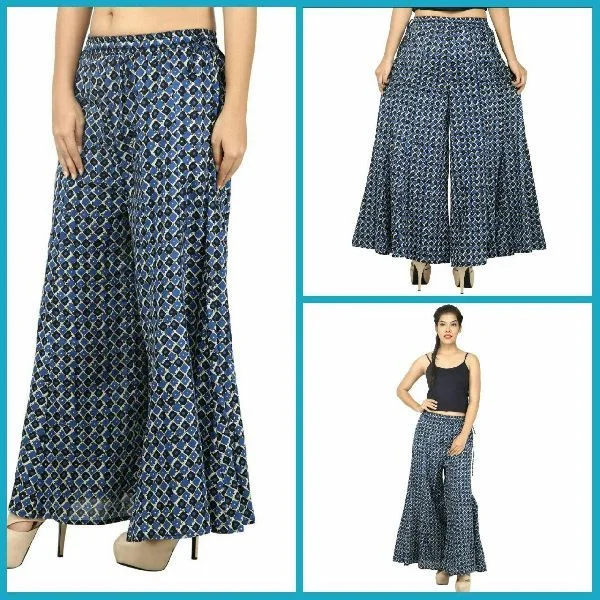
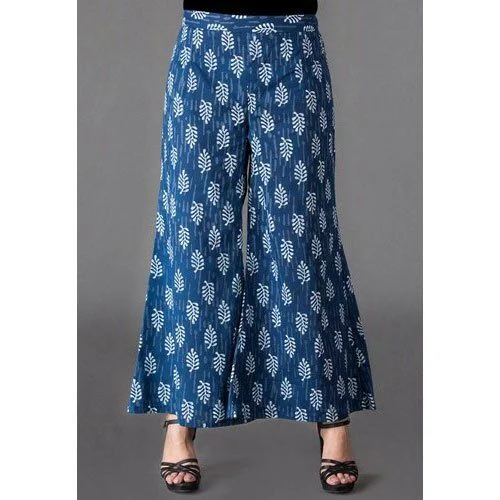
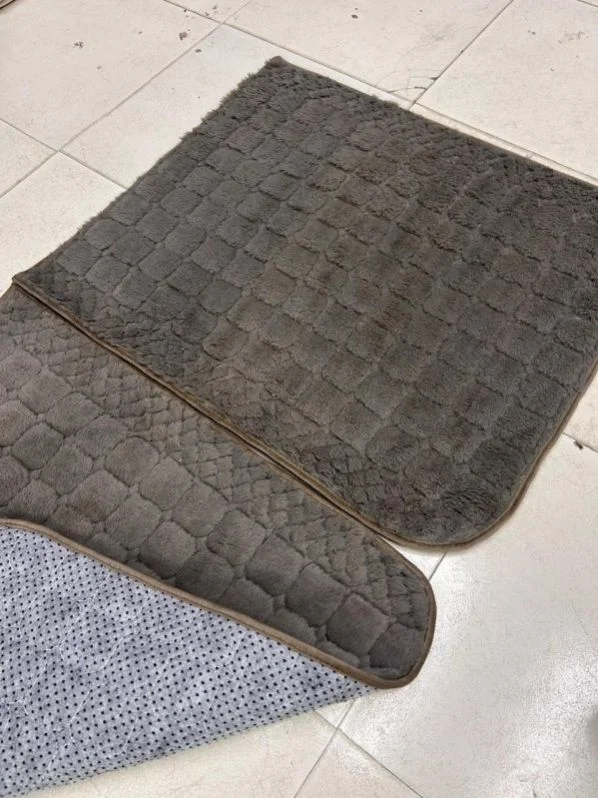
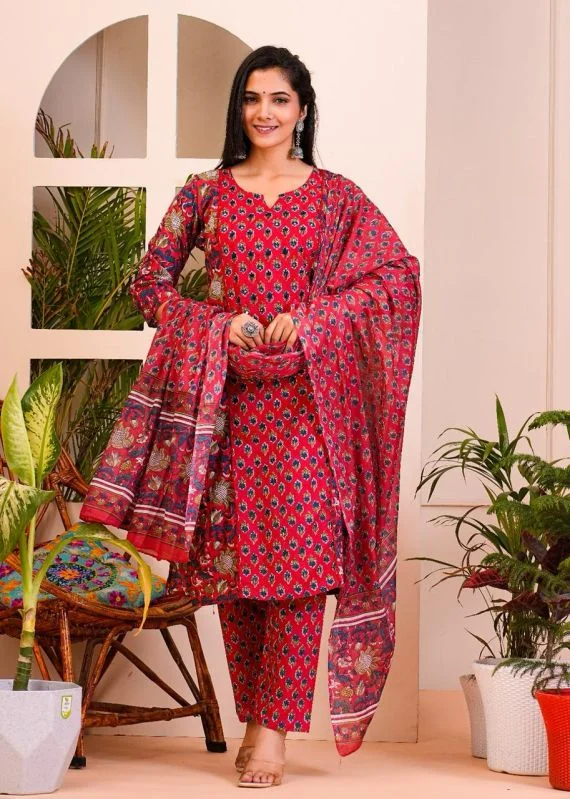
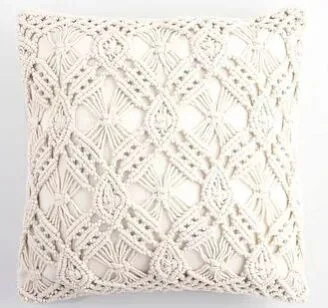
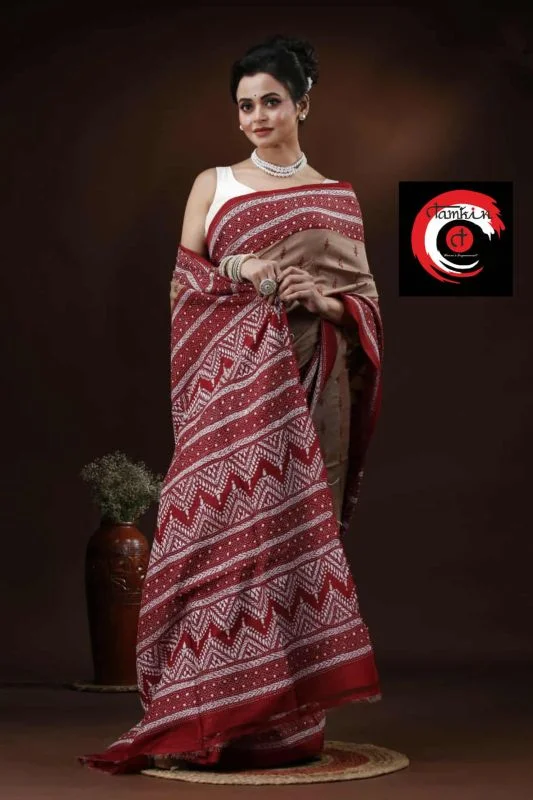
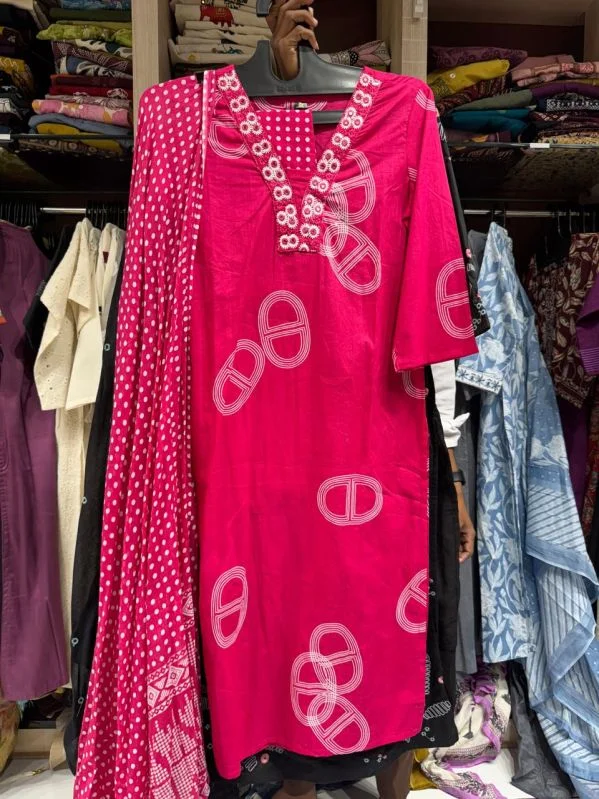
The catalogue features a Women Kurta Set With Dupatta, which typically consists of cotton or blended fabrics ranging from 120‑150 gsm, with length measurements between 105‑115 cm for the kurta and 200‑220 cm for the dupatta. Readymade blouses are usually cut to standard Indian sizing (XS‑XL) and may use silk, chiffon or georgette, while Palazzo pants are cut wide‑leg and often made from lightweight rayon or polyester blends of 180‑200 gsm. Cushion‑cover sets are commonly produced in woven cotton or printed polyester, sized at 45 × 45 cm or 50 × 50 cm, and packaged in sets of five as shown in the catalogue.
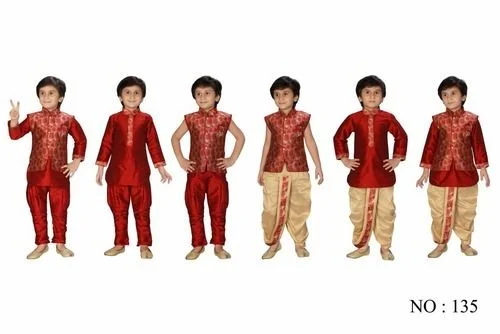
Handicraft items such as Rakhi and Laddugopal dresses are seasonal festival products; Rakhi is typically a decorative bracelet using metal alloy or fabric threads, and the Janmashtami dress often employs silk or brocade with traditional embroidery. Luxury satin scrunchies are made from high‑gloss satin (approximately 30 gsm) and are supplied with two protective pillows. Shibori chiffon dupattas use a lightweight, sheer chiffon (around 50‑60 gsm) finished with a tie‑dye pattern, a technique common in artisanal Indian textiles.
Trade and Export Information - CS Couture
India is a major exporter of ready‑made garments, ethnic wear, and home‑textile accessories, supplying markets in the United States, European Union, Middle East, and Southeast Asia. Export shipments of women’s apparel such as kurti sets and Palazzo trousers typically use 20‑foot containers with cartons of 30‑40 kg each, while smaller items like scrunchies or Rakhi are packed in poly‑bag bundles for air freight. Buyers usually request certifications such as ISI for textile safety, Oeko‑Tex Standard 100 for harmful substance testing, and, where applicable, GOTS for organic cotton garments. Indian exporters often work on FOB or CIF terms, with customs documentation that includes a commercial invoice, packing list, and certificate of origin.
Regulatory inspections for textile products focus on compliance with the EU REACH chemicals regulation and the US CPSIA for children’s accessories, meaning that items like Rakhi or infant‑size dresses may need additional safety test reports. Standard packaging includes double‑wall cartons for apparel, with inner poly‑bags to protect against moisture, and cushion‑covers are often wrapped in tissue paper before being boxed to preserve prints during transit.
Sourcing from CS Couture - Buyer Guidance
When sourcing from CS Couture, request detailed fabric composition certificates and size‑specification sheets for each garment, as Indian textiles can vary between pure cotton, cotton‑poly blends, and silk. Obtain sample swatches and, for items like satin scrunchies or chiffon dupattas, ask for colorfastness test results (AATCC 61) to verify resistance to washing and light exposure. For decorative accessories such as Rakhi, request material safety data sheets and any applicable child‑safety test reports before confirming bulk orders.
Verify that the supplier can provide standard export documentation, including a certificate of origin and, where required, test reports for restricted substances. Confirm packaging dimensions and container loading plans to ensure efficient freight handling, especially for bulk apparel shipments versus smaller accessory parcels.
Frequently Asked Questions About CS Couture
What types of garments does CS Couture list in its catalogue?
The catalogue includes a women’s kurta set with dupatta, readymade blouses, Palazzo pants, and a Palazzo style garment, all of which are typical Indian ethnic wear items.
Are fabric composition details available for the listed products?
Buyers should request a fabric composition certificate for each item; Indian manufacturers commonly use cotton, cotton‑poly blends, silk, chiffon, or satin depending on the product.
What size information is provided for the cushion‑cover set?
The set of five cushion covers is generally sized at 45 × 45 cm or 50 × 50 cm; buyers should confirm exact dimensions and thread count before ordering.
Which certifications are commonly required for Indian textile exports?
Typical certifications include ISI for safety, Oeko‑Tex Standard 100 for harmful‑substance compliance, and GOTS for organic cotton, though the supplier’s specific holdings are not listed.
How are the festival accessories like Rakhi packaged for export?
Rakhi items are usually packed in individual poly‑bags and grouped in cardboard cartons suitable for air freight or small sea‑freight shipments.
What documentation should a buyer request before placing a bulk order?
Standard documents include a commercial invoice, packing list, certificate of origin, fabric composition certificate, and any relevant test reports such as colorfastness or safety certifications.
What are the typical lead times for apparel items from India?
Lead times for ready‑made garments often range from 30 to 45 days after sample approval, depending on production batch size and fabric availability.
Which shipping terms are most frequently used for these products?
Exporters from India commonly operate on FOB (Port of Loading) or CIF (Destination Port) terms, with cargo loaded in 20‑foot or 40‑foot containers for apparel and in smaller parcels for accessories.




 , India