Crown Vaults — Verified Trader & Wholesale Supplier
About Crown Vaults - Dried Fruits & Nuts Supplier in Spain
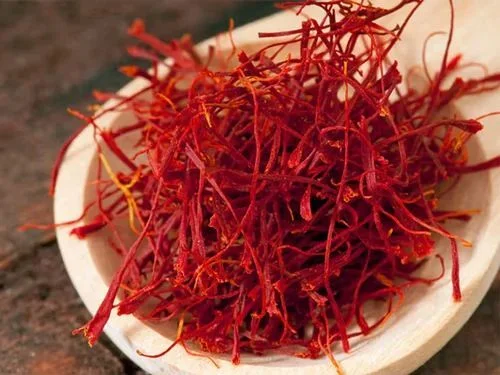
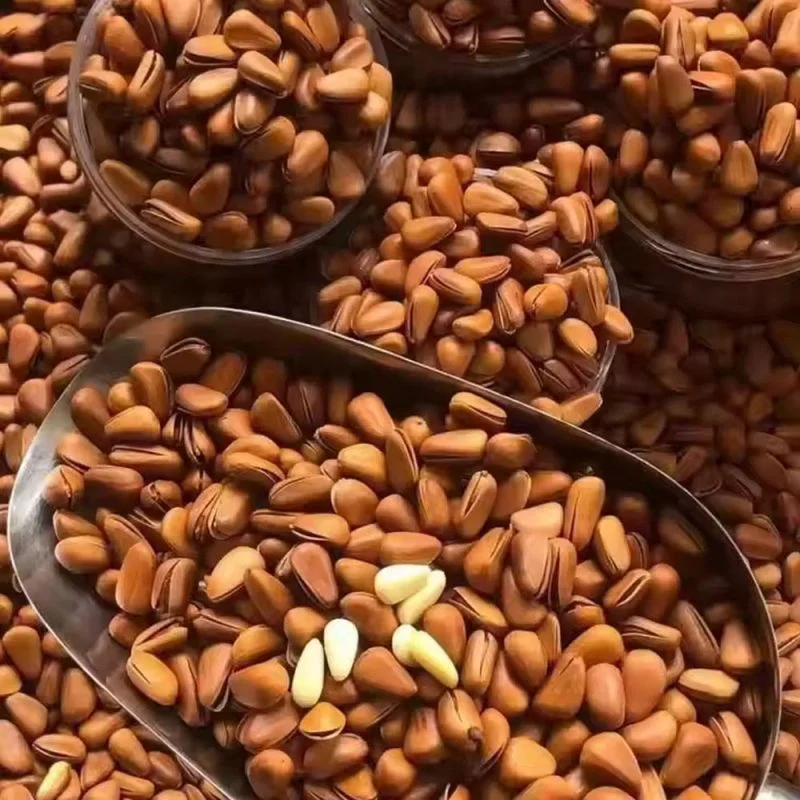
Spain, in the province of Toledo (Castilla‑La Mancha), lists five active products in its catalogue. Crown Vaults offers pine nuts, saffron (grade Negin, 2024 crop), Afghan raisins, dried mulberries, and in‑shell pistachios. The saffron entry is recorded under HS code 0910.20 and is described as Crocus sativus L. stigma threads, grade Negin. The pistachio entry carries HS code 0802.52 and is specified as dried pistachio nuts, in‑shell, natural. The remaining items are listed without HS codes in the provided data.
The product set spans two HS chapters: Chapter 08 for nuts (HS 0802.52) and Chapter 09 for spices and plant extracts (HS 0910.20). Crown Vaults classifies its offerings under the broader categories of pine nuts, saffron, raisins, mulberries, and pistachios, matching the top categories supplied. No additional product types such as pecans or hazelnuts are recorded in the active catalogue, despite being mentioned in the broader category list.
Product Range and Specialties of Crown Vaults
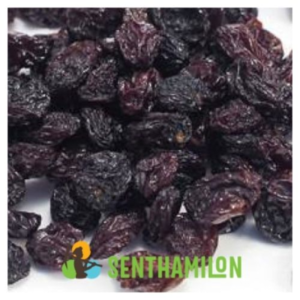
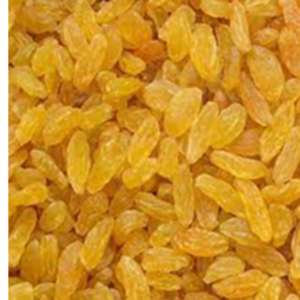
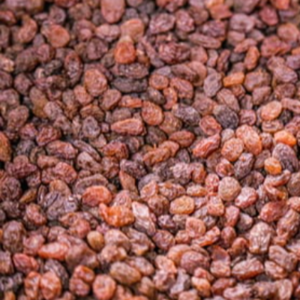
Pine nuts from Spain typically meet size grades of 10‑12 mm and moisture limits of 5 % or lower, with aflatoxin levels below 10 ppb. Saffron graded Negin corresponds to ISO 3632 Grade I, characterized by a crocin content of ≥240 ppm and a strong aroma profile. Afghan raisins are usually dried to a moisture content of 12‑14 % and are evaluated for sugar concentration and absence of foreign matter. Dried mulberries are harvested to a moisture level of 10‑12 % and are often sorted by size and colour. In‑shell pistachios from the Mediterranean region are commonly supplied with a shell split rate under 5 % and a moisture content below 6 %.
Standard export packaging for these commodities includes food‑grade polypropylene bags of 25 kg for nuts and spices, and bulk cartons of 500 kg for dried fruits, both sealed to prevent moisture ingress. HS code 0802.52 covers in‑shell pistachios, while 0910.20 is the specific code for saffron, ensuring customs classification aligns with international tariff schedules.
Trade and Export Information - Crown Vaults
Spain ranks among the top global exporters of saffron and Mediterranean nuts, supplying primarily the European Union, the Middle East, and Asian markets such as Japan and South Korea. Buyers typically request ISO 22000 or HACCP certification, along with EU organic validation when sourcing from organic‑tier suppliers. The HS chapter 08 and 09 products are subject to phytosanitary certificates and, for spices, a Certificate of Origin to benefit from preferential duties.
Logistically, 20‑ft containers can accommodate approximately 1,800 kg of pine nuts or pistachios, while 40‑ft containers hold up to 3,500 kg of dried fruits. Common Incoterms include FOB Toledo port or CIF destination, with temperature‑controlled containers used for saffron to preserve volatile compounds. Export documentation often includes a commercial invoice, packing list, phytosanitary certificate, and, where required, a fumigation certificate.
Sourcing from Crown Vaults - Buyer Guidance
When sourcing pine nuts or pistachios, buyers should request a moisture analysis, aflatoxin test results, and a recent lab report confirming compliance with EU pesticide limits (maximum residue levels). For saffron, a crocin content analysis according to ISO 3632 and a purity test for foreign matter are standard. Raisins and mulberries should be accompanied by moisture and sugar content data, as well as a mycotoxin screening.
Potential buyers are advised to verify the supplier’s organic certification if the ‘organic’ tier is required, and to obtain a copy of the latest phytosanitary certificate prior to shipment. Sample orders of 5 kg for spices and 25 kg for nuts are typical for quality assessment, and lead times in Spain average 30‑45 days from order confirmation to container loading.
Frequently Asked Questions About Crown Vaults
What HS codes apply to Crown Vaults' pine nuts and pistachios?
Pine nuts fall under HS chapter 08, generally HS 0802.90, while the listed in‑shell pistachios are classified under HS 0802.52 as indicated in the catalogue.
Which quality specifications are common for the saffron grade Negin offered?
Grade Negin corresponds to ISO 3632 Grade I, requiring a crocin content of at least 240 ppm, low moisture (<12 %), and minimal foreign matter.
What certifications are typically required for importing Spanish dried fruits and nuts?
Importers usually ask for ISO 22000 or HACCP food safety certificates, EU organic certification for organic‑tier products, and a phytosanitary certificate issued by the Spanish authority.
How are the products typically packaged for export?
Nuts and spices are commonly packed in food‑grade polypropylene bags of 25 kg, while dried fruits are shipped in bulk cartons of 500 kg, both sealed to protect against moisture.
What documentation should a buyer request before placing an order?
Buyers should request a commercial invoice, packing list, phytosanitary certificate, and, where applicable, a Certificate of Origin and recent laboratory test reports for moisture, pesticide residues, and aflatoxin.
What are typical container load capacities for these commodities?
A 20‑ft container can hold roughly 1,800 kg of nuts (pine nuts or pistachios), and a 40‑ft container can accommodate about 3,500 kg of dried fruits such as raisins or mulberries.
What sample sizes are commonly used for quality evaluation?
Buyers often order 5 kg samples for saffron or other spices and 25 kg samples for nuts to assess moisture, purity, and compliance with relevant standards.





 , Spain




.jpg.png)