City Code — Verified Supplier
About City Code - Snacks Supplier in Latvia
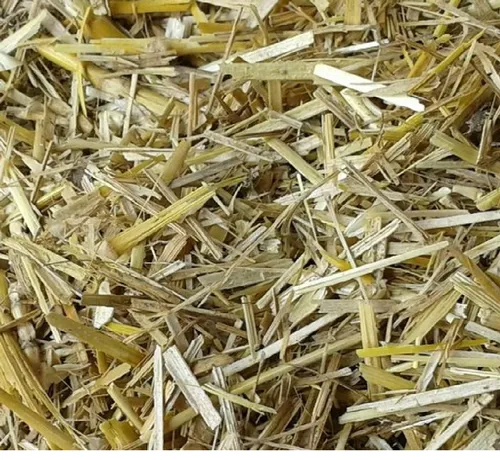
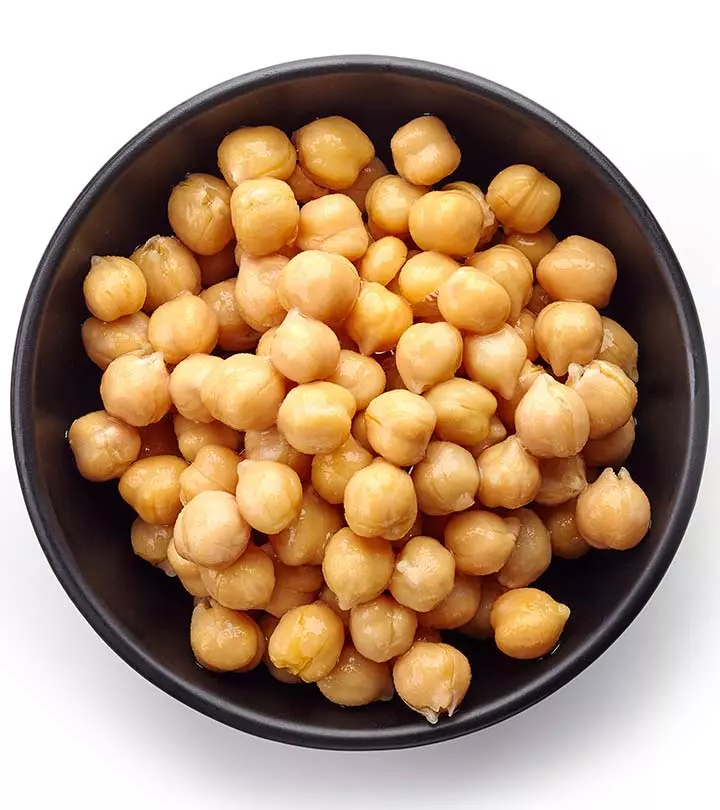
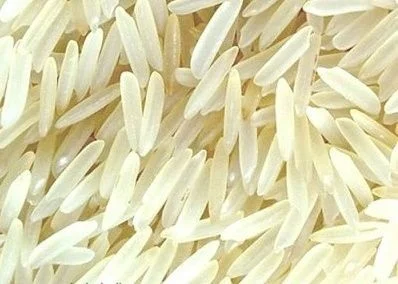
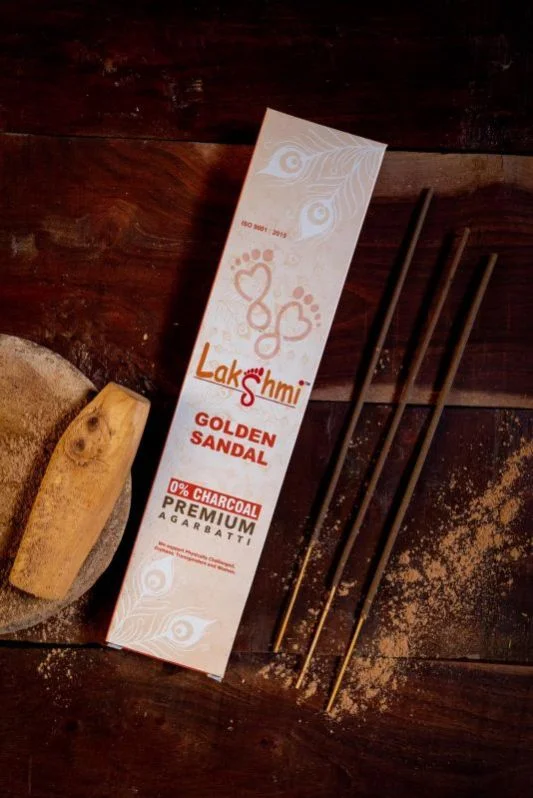
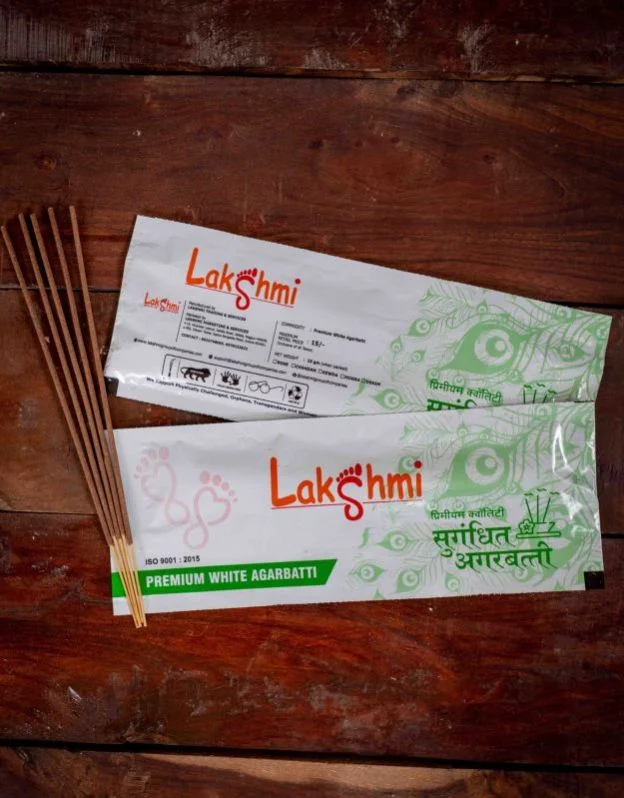
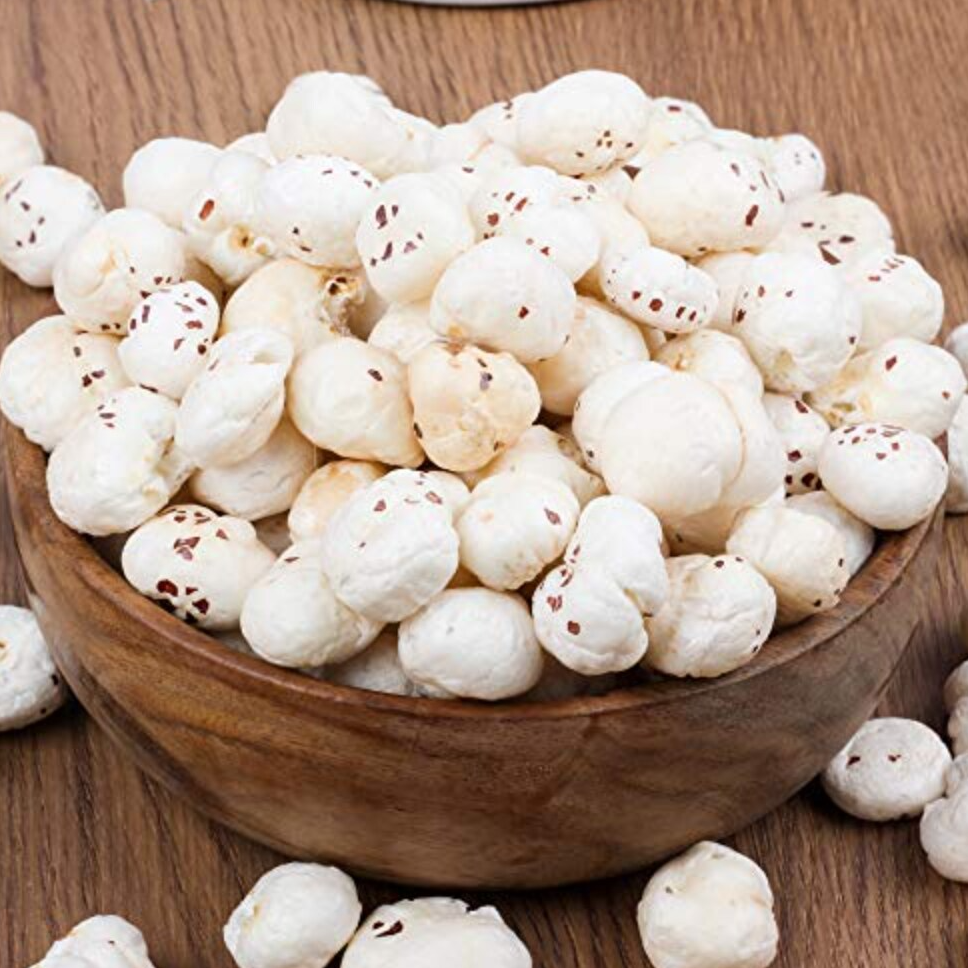
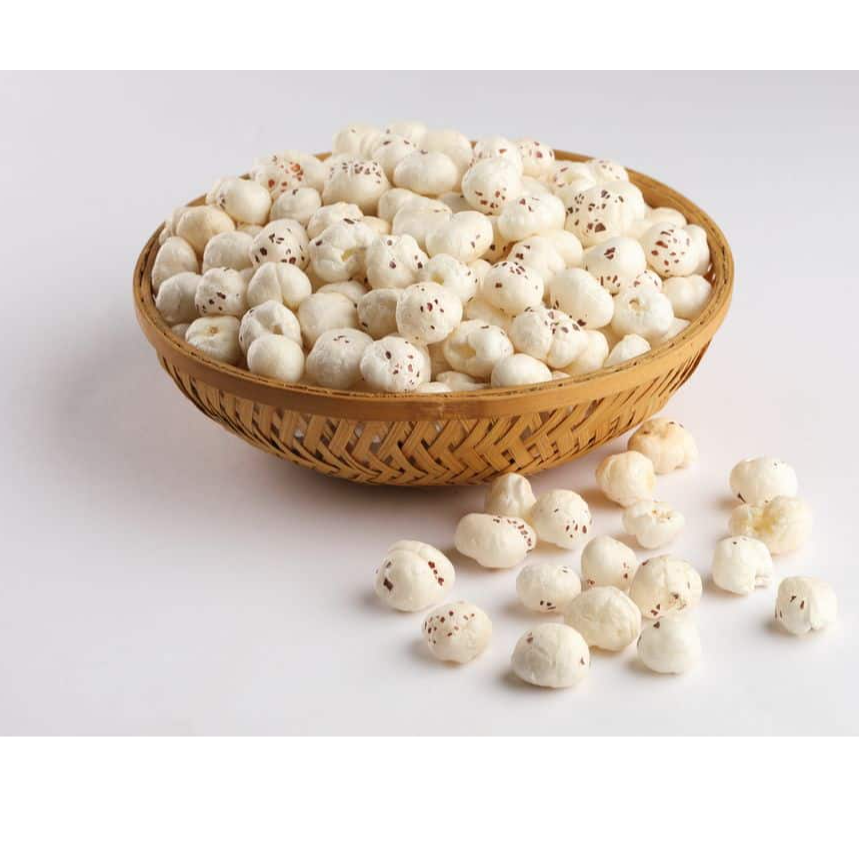
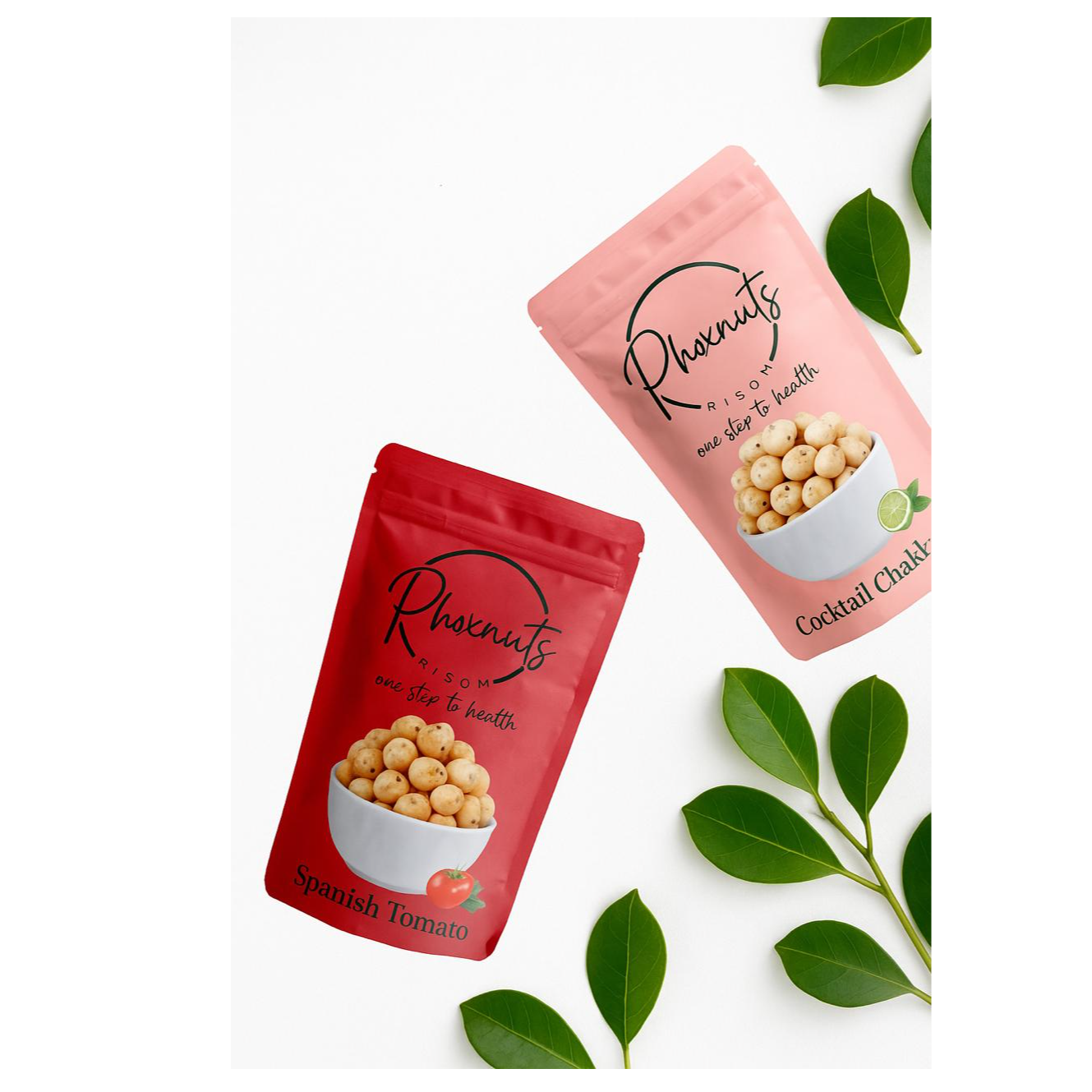
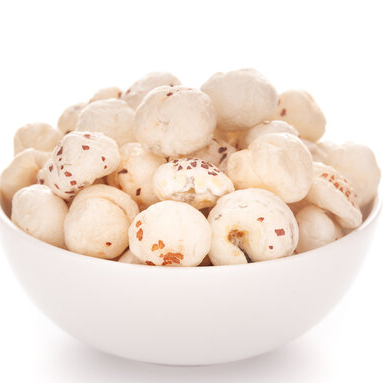
Latvia hosts City Code, a supplier that currently lists eight distinct products across four primary categories: Snacks, Incense Sticks, Bread and Non‑Basmati Rice. The catalogue includes flavored wheat crisp‑bead snacks, three variants of roasted chickpea snacks, a stock sale of Indian non‑basmati rice, and three types of natural incense sticks (Rose, Sandalwood and Nag Champa). Each item is recorded under its specific HS code family where available, for example the flavored wheat snack carries HS code 1905.90, the standard heading for prepared snack foods. The remaining items are presented without HS codes in the source data, reflecting the supplier’s focus on product description rather than tariff classification.
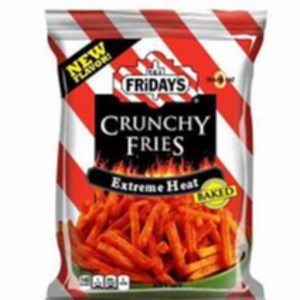
The listed snack line comprises a wheat‑based crisp bead product formulated with wheat flour, vegetable oil, salt, cumin and garlic seasonings, and yeast, matching the HS 1905.90 classification for prepared snack foods. The roasted chickpea range includes plain, sea‑salted and flavored variants, typical of ready‑to‑eat legume snacks. The rice offering is described as a stock sale of Indian non‑basmati grain, while the incense line consists of natural sticks scented with rose, sandalwood or the traditional Nag Champa blend. All eight entries are grouped under the supplier’s organic tier and are positioned for export from Latvia to international markets.
Product Range and Specialties of City Code
City Code’s catalogue focuses on three snack formats: a wheat‑based crisp bead snack, roasted chickpea bites and Indian non‑basmati rice. In the snack sector, wheat crisp products are usually manufactured to a moisture level below 10 %, oil content between 8‑12 %, and packaged in 25 kg bulk bags or 500 g retail packs. Roasted chickpea snacks commonly retain a protein content of 20‑22 %, are roasted at 150‑160 °C, and are offered with salt levels under 1 % or with added flavor coatings such as cumin or garlic. Non‑basmati rice is typically graded by grain length (5‑6 mm) and moisture around 14 %, and is shipped in 20‑ft containers holding up to 25 tonnes. The incense sticks are natural‑herb products that burn 30‑60 minutes per stick, are often packaged in cardboard boxes of 100‑200 sticks, and may be scented with essential oils derived from rose, sandalwood or the Nag Champa blend.
Industry standards for these categories include HACCP and ISO 22000 for food safety, organic certification for products labelled organic, and REACH compliance for incense sticks containing aromatic compounds. Buyers frequently request specifications such as particle size distribution for wheat crisps, aflatoxin limits for roasted legumes, and moisture analysis for rice. Typical certifications requested include EU organic certificates, third‑party laboratory reports for pesticide residues, and safety data sheets for incense materials.
Trade and Export Information - City Code
Latvia, as an EU member, benefits from the Union’s single market and streamlined customs procedures for HS chapter 19 snack foods and HS chapter 33 perfumery/incense products. Exporters of ready‑to‑eat snacks under HS 1905 90 often target Western European retailers, the Middle East and North‑African markets where demand for convenient protein‑rich snacks is high. Incense sticks classified under HS 3307 99 are commonly shipped to the United States, Europe and the Gulf Cooperation Council states, where they serve both religious and aromatherapy markets. Standard logistics involve FCL shipments on 20‑ft or 40‑ft containers, with wheat snacks and rice typically loaded in bulk bags, while incense sticks are packed in cartons to prevent breakage.
Typical buyer requirements include compliance with EU food law (Regulation 1169/2011), organic certification verification, and for incense, REACH registration of fragrance substances. Import‑export documentation normally comprises a commercial invoice, packing list, certificate of origin, and where applicable, a phytosanitary certificate for legume snacks. Freight terms such as CIF or FOB are regularly used, and temperature‑controlled containers may be requested for longer transit times to preserve product quality.
Sourcing from City Code - Buyer Guidance
When sourcing from City Code, buyers should request the most recent HACCP plan, ISO 22000 or equivalent food safety certificate, and any organic certification documents that support the supplier’s organic tier claim. For the wheat crisp snack, a sample analysis covering moisture, oil content and microbial load (e.g., total plate count <10⁴ CFU/g) is advisable before confirming bulk orders. Roasted chickpea variants should be accompanied by aflatoxin and pesticide residue reports, while the non‑basmati rice should include moisture and foreign‑matter inspection results.
Buyers are encouraged to verify packaging specifications: bulk bags for snack foods should meet ISO 9001‑compatible strength, and incense sticks should be packed in moisture‑resistant cartons. Minimum order quantities in the sector range from 500 kg for snack products, 1 tonne for rice, and 2 000 sticks for incense, with typical lead times of 30‑45 days after sample approval. Confirming Incoterms, container loading plans and any required pre‑shipment inspections will help mitigate customs delays.
Frequently Asked Questions About City Code
What product categories does City Code list in its catalogue?
City Code lists eight products across Snacks, Incense Sticks, Bread and Non‑Basmati Rice, including wheat crisp‑bead snacks, roasted chickpea snacks, Indian non‑basmati rice and three natural incense stick varieties.
Which HS code is assigned to the flavored wheat crisp snack?
The flavored wheat crisp‑bead snack is recorded under HS code 1905.90, the standard heading for prepared snack foods.
Are there any certifications that buyers should request from City Code?
Buyers should request the supplier’s HACCP plan, ISO 22000 or equivalent food‑safety certificate, and any organic certification that supports the organic tier label. For incense sticks, a REACH compliance statement or safety data sheet is advisable.
What typical specifications apply to the roasted chickpea snacks?
Roasted chickpea snacks are normally expected to have protein content of 20‑22 %, moisture below 8 %, salt under 1 % and to be free of aflatoxins above 2 µg/kg. Laboratory test reports confirming these parameters are standard practice.
How is the Indian non‑basmati rice packaged for export?
Non‑basmati rice is usually shipped in bulk bags of 25 kg or in 20‑ft containers holding up to 25 tonnes, with moisture content around 14 % and grain length of 5‑6 mm.
What are the common packaging formats for the incense sticks?
Incense sticks are generally packed in cardboard boxes containing 100‑200 sticks, with moisture‑resistant inner liners to preserve fragrance and prevent breakage during transport.
What minimum order quantities and lead times can buyers expect?
Typical minimum order quantities are 500 kg for snack products, 1 tonne for rice and 2 000 sticks for incense. Lead times are usually 30‑45 days after sample approval and receipt of required certifications.
Which markets usually import the types of products City Code offers?
The snack range is commonly imported into Western Europe, the Middle East and North‑Africa, while natural incense sticks are frequently shipped to the United States, European Union countries and Gulf Cooperation Council states. Buyers in these regions often require the certifications and documentation mentioned above.




 , Latvia