Chiltan Sea Food — Verified Supplier
About Chiltan Sea Food - Fish Supplier in Pakistan
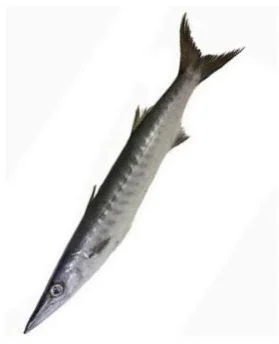
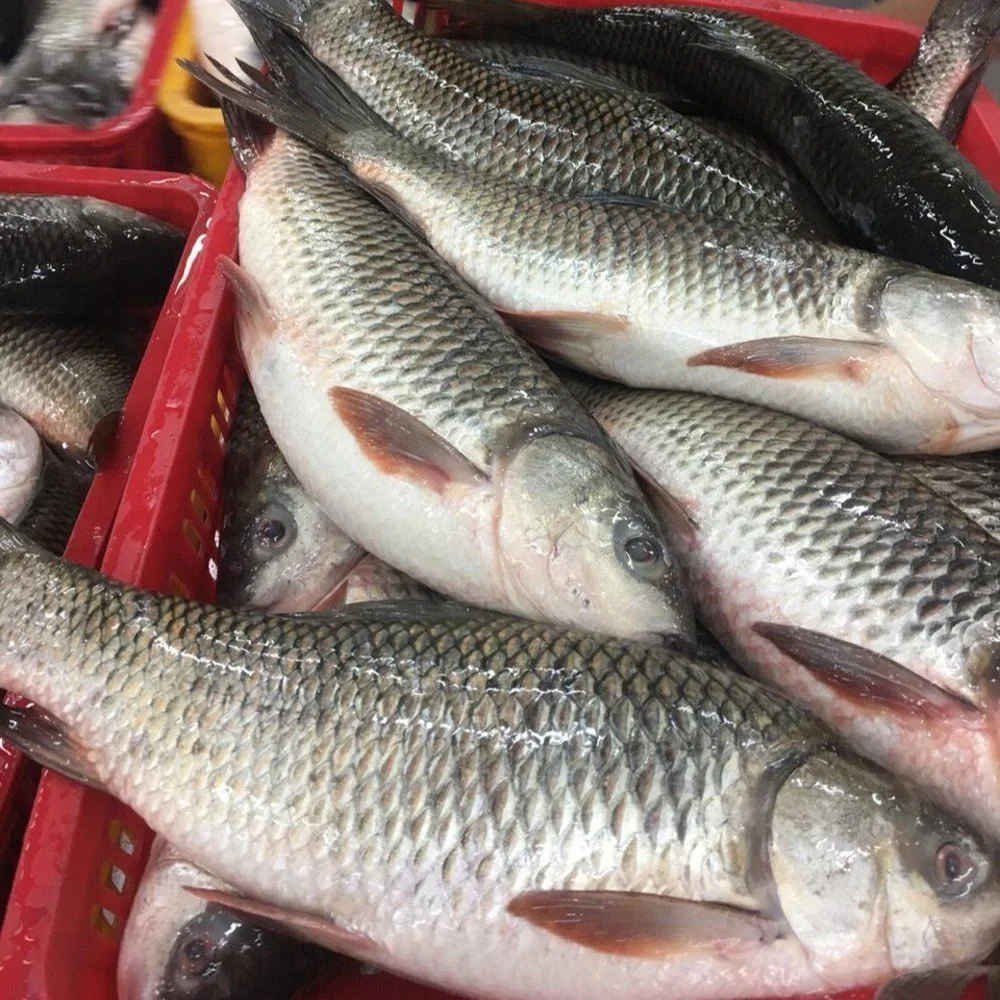
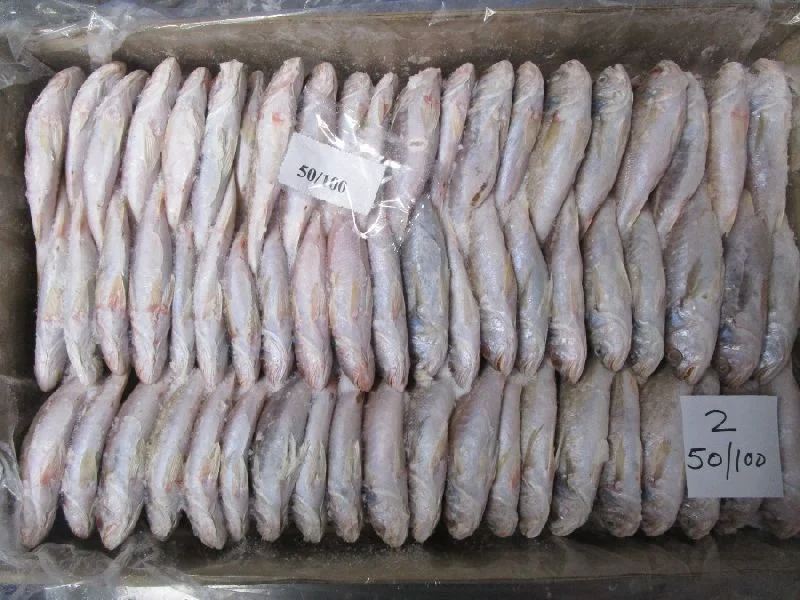
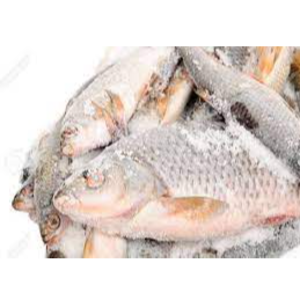
Pakistan’s seafood export sector includes Chiltan Sea Food, which currently lists five active frozen fish products. The catalogue contains three items classified under HS chapter 0303.89 (Frozen fish, other), one item under HS 0303.54 (Frozen fish - HGT grade), and one under HS 0303.79 (Frozen marine eels). Each entry specifies the material, such as whole Croaker (HGT), Ribbon Fish (Trichiurus lepturus), Silver Croaker (Pennahia argentata) in gutted or headed‑and‑gutted forms, a generic Fresh Frozen HGT fish, and Conger eel.
The supplier’s product titles describe the processing state - “HGT” (head and gutted), whole gutted, or headed and gutted - which aligns with standard frozen fish handling. All items are presented as whole frozen fish, indicating storage at or below - 18 °C and packaging for bulk shipment. The HS codes used (0303.89, 0303.54, 0303.79) are the typical tariff headings for frozen finfish and eels, allowing customs classification across most importing jurisdictions.
Product Range and Specialties of Chiltan Sea Food
Chiltan Sea Food’s catalogue focuses on frozen finfish and eels, covering species such as Croaker, Ribbon Fish, Silver Croaker, a generic HGT‑grade fish, and Conger eel. In the broader industry, frozen finfish are commonly offered in grades like whole, gutted, head‑on, or head‑and‑gutted, with size ranges from 200 g to 1 kg per specimen and moisture content generally below 70 %. Buyers often require compliance with HACCP or ISO 22000 food safety systems and may request BRC or GlobalGAP certification for retail channels. Typical specifications include frozen temperature maintenance at - 18 °C, ice‑packed cartons of 20 ft containers, and labeling of species, weight, and processing code.
Industry standards for frozen marine fish also reference the Codex Alimentarius limits for microbiological load (e.g., total viable count < 10⁶ CFU/g) and for histamine in species prone to spoilage. The HS 0303 family encompasses a broad selection of frozen fish, and exporters usually differentiate products by species, processing method (HGT, whole, gutted), and packaging format (vacuum‑packed, ice‑packed, or block‑frozen).
Trade and Export Information - Chiltan Sea Food
Pakistan ranks among the top South Asian exporters of frozen fish, with primary markets in the European Union, the Middle East, the United States, and East Asia. HS 0303.89 and 0303.79 shipments are routinely inspected under the Pakistani Fisheries Department and must be accompanied by a health certificate, a certificate of origin, and, where required, a sanitary inspection report. Importing countries often request HACCP or ISO 22000 compliance, as well as laboratory analysis for moisture, ash, and microbiological limits before customs release.
Typical logistics involve loading ice‑packed cartons into 20‑ft or 40‑ft refrigerated containers, with FOB Karachi or Port Qasim as common Incoterms. Buyers frequently specify CIF or DAP for destination ports in the EU (e.g., Rotterdam, Valencia) or the GCC (e.g., Dubai). Export documentation also includes a phytosanitary certificate for fish, a commercial invoice, and a packing list detailing net weight, gross weight, and container seal numbers.
Sourcing from Chiltan Sea Food - Buyer Guidance
When sourcing frozen fish from Chiltan Sea Food, buyers should request the supplier’s HACCP or ISO 22000 audit reports, a recent health certificate, and product-specific lab sheets showing moisture content, total viable count, and species verification. Verification of the HS code used for each product helps ensure correct tariff treatment and compliance with import regulations. Samples are typically supplied frozen in insulated boxes, allowing the buyer to assess visual quality, fillet integrity (if applicable), and temperature maintenance during transit.
Buyers should confirm the packaging format (e.g., ice‑packed cartons, vacuum‑sealed blocks) and container loading plan to match their own cold‑chain capabilities. Minimum order quantities for frozen fish often start at one 20‑ft container (approximately 12 - 15 metric tons), with lead times ranging from 15 to 30 days depending on catch season and processing schedule. Requesting a pre‑shipment inspection report can further reduce the risk of non‑conformity at the port of entry.
Frequently Asked Questions About Chiltan Sea Food
What species of frozen fish does Chiltan Sea Food offer?
The catalogue lists frozen Croaker, Ribbon Fish (Trichiurus lepturus), Silver Croaker (Pennahia argentata), a generic HGT‑grade fish, and frozen Conger eel (Conger conger).
Which HS codes are used for the listed products?
Croaker, Ribbon Fish and Silver Croaker are classified under HS 0303.89, the generic HGT fish under HS 0303.54, and Conger eel under HS 0303.79.
What processing forms are available for the fish?
Products are offered as whole frozen, gutted, or head‑and‑gutted (HGT) depending on the species, matching common industry grades for frozen finfish.
What certifications should a buyer request?
Buyers should request HACCP or ISO 22000 audit reports, a recent health certificate, and any BRC or GlobalGAP certificates if the end market requires them.
What are typical packaging and shipping methods?
Fish are ice‑packed in insulated cartons, loaded into 20‑ft or 40‑ft refrigerated containers, and shipped under FOB Karachi or CIF to the buyer’s destination.
What documentation accompanies an export shipment?
Standard documents include a health certificate, certificate of origin, sanitary inspection report, commercial invoice, packing list, and, where required, a phytosanitary certificate.
What are common minimum order quantities and lead times?
Typical minimums start at one 20‑ft container (about 12 - 15 metric tons) with lead times of 15 - 30 days, varying with seasonality and processing schedules.




 , Pakistan