Btp Dabakh Malick — Supplier
About Btp Dabakh Malick - Fresh Flowers Supplier in Senegal
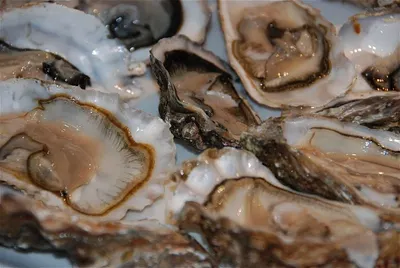
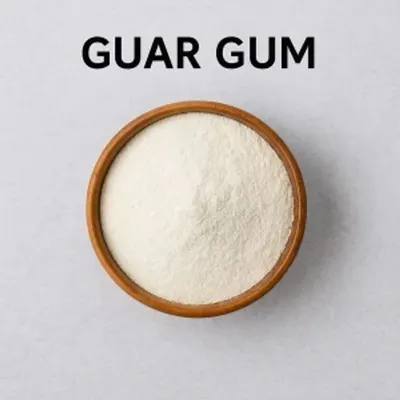
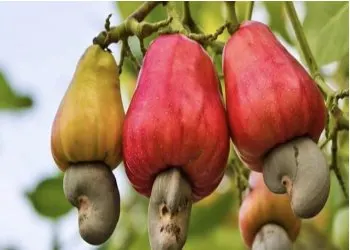
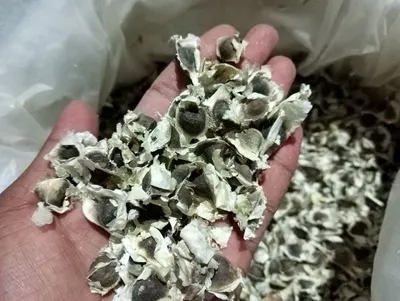
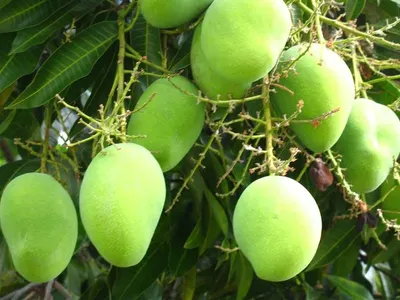
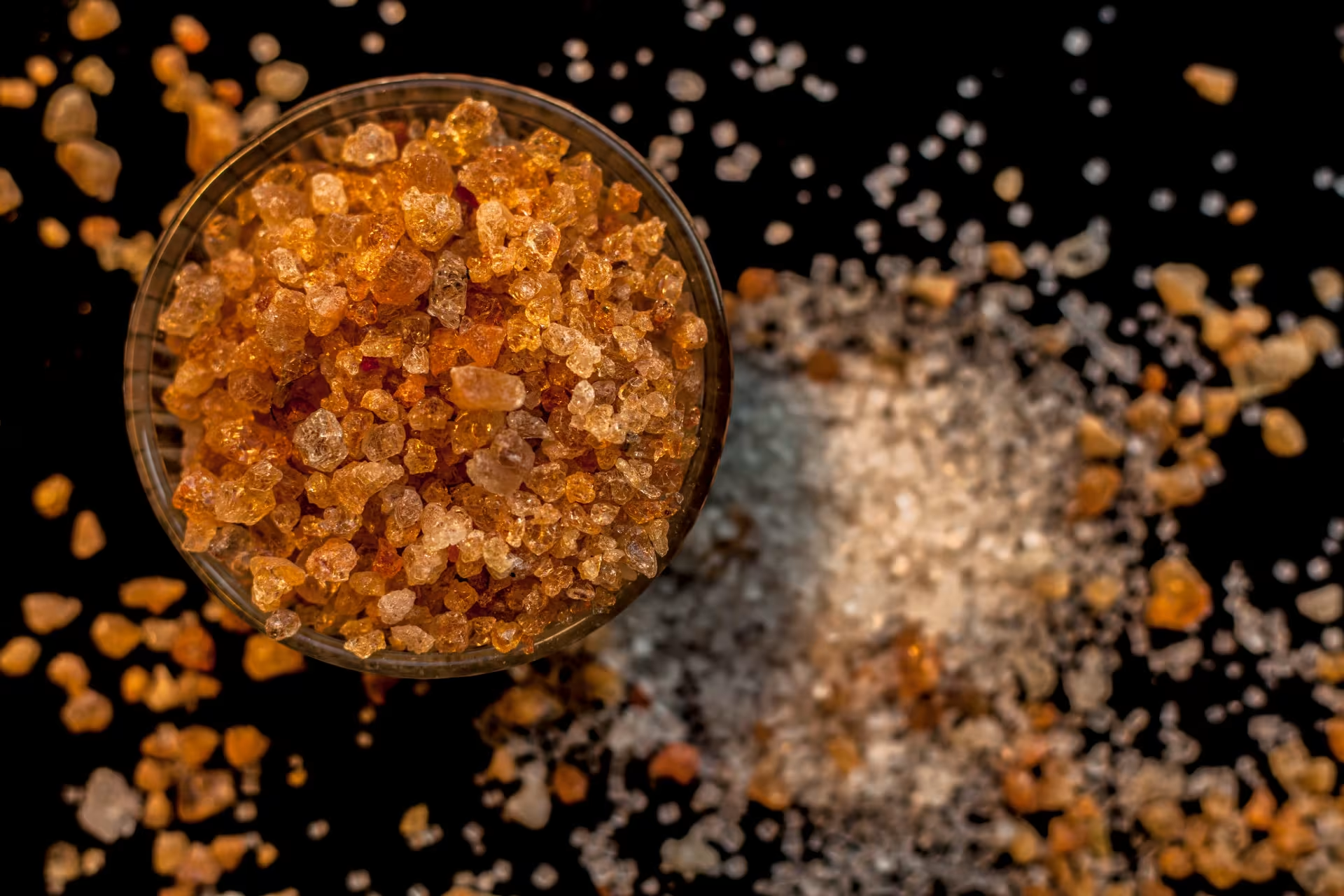
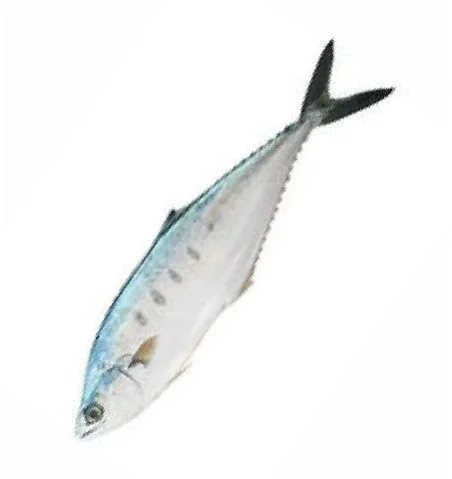
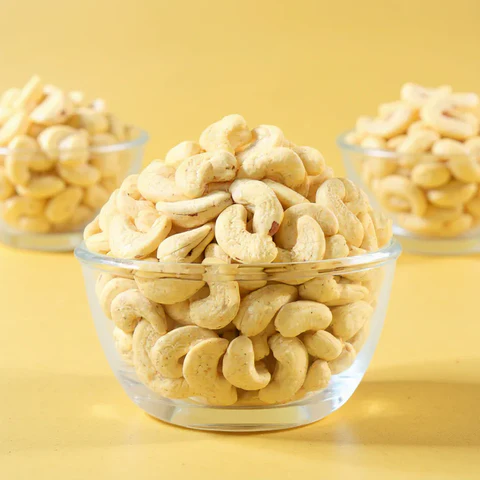
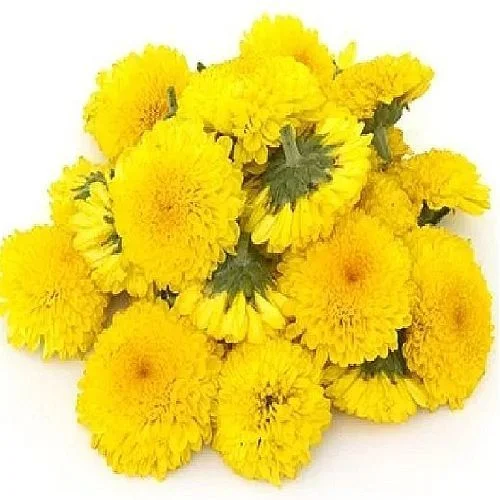
Btp Dabakh Malick is based in Senegal and lists ten active products across its catalogue. The company’s catalogue includes fresh mangoes, baobab seed, dried hibiscus flower, dried Murex, Arabic gum (HS 1301.20), peanut oil, peanuts, red mullet fish, cashew nuts and Murex operculum. These items fall under the top categories of Fresh Flowers, Mango, Oil Seeds, Arabic Gum, Peanut Oil, Peanuts, Fresh Mullet Fish and Cashew Nuts. Each product is identified by its specific material, for example Arabic gum is the exudate of the Acacia Senegal tree. The supplier’s trust tier is classified as harbor, indicating a moderate level of verification in trade platforms.
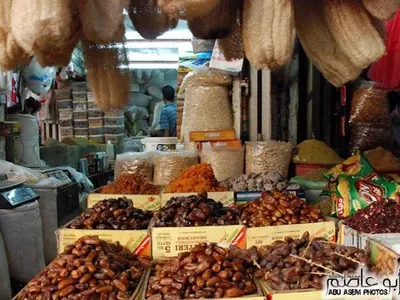
The listed products cover both horticultural and marine produce, ranging from perishable fresh mangoes and red mullet to dried botanicals such as hibiscus and baobab seed. HS code information is provided for Arabic gum (1301.20); other products follow standard HS chapters such as 0804 for mangoes, 0305 for fish, and 0801 for cashew nuts. The catalogue’s breadth reflects Senegal’s agricultural and coastal export profile, with products typically shipped to European, Middle Eastern and Asian markets. Buyers can expect standard export packaging such as bulk cartons for nuts and fruit, insulated crates for fish, and moisture‑controlled bags for dried botanicals.
Product Range and Specialties of Btp Dabakh Malick
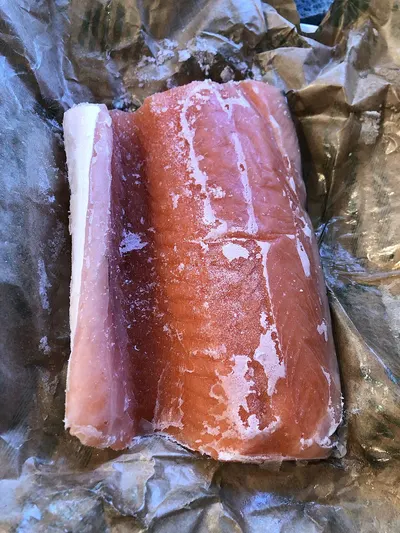
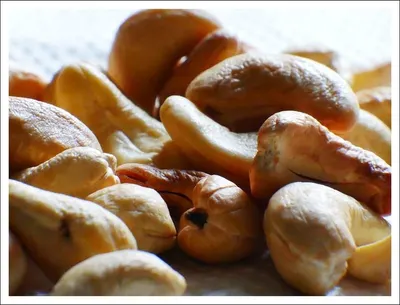
The catalogue lists Kent mangoes, which in export terms are usually graded A or B with a minimum fruit length of 250 mm, total soluble solids above 12 % Brix, and moisture below 85 %. Dried hibiscus flower and baobab seed are commonly exported with moisture content under 10 % and particle size passing a 12‑mesh screen. Arabic gum (HS 1301.20) is typically supplied in grade 1 with purity above 95 % and moisture below 13 %. Peanuts and cashew nuts are generally shipped as grade W280 or W320, shell‑removed, with moisture under 5 % and aflatoxin ≤ 10 µg kg⁻¹. Peanut oil is exported with free fatty acid levels under 2 % and an iodine value between 90 - 100. Red mullet is a fresh marine product usually iced at 0 °C, packed in 0.5 - 1 kg portions, and complies with TVB‑N limits under 30 mg 100 g⁻¹. Murex operculum, used for natural dyes, is dried to under 12 % moisture and graded by size (typically 5 - 10 mm).
Trade and Export Information - Btp Dabakh Malick
Senegal’s export infrastructure supports bulk shipments of agricultural and fishery products to the EU, the Gulf Cooperation Council and East Asian markets. Fresh mangoes (HS 0804.30) are commonly shipped in 20‑ft refrigerated containers with a typical load of 12 tons, while peanuts (HS 0802.11) and cashew nuts (HS 0801.10) travel in standard dry containers at 22 tons per 40‑ft box. Arabic gum (HS 1301.20) is classified under the gum and resin chapter and usually requires a phytosanitary certificate and ISO 22000 or HACCP compliance for food‑grade shipments. Fish such as red mullet (HS 0305.12) demand cold‑chain logistics, ice‑packed pallets, and compliance with EU fishery health regulations including a health certificate and HACCP plan. Dried botanicals like hibiscus (HS 1302.19) and baobab seed often need a certificate of origin and may be subject to EU organic verification if marketed as such. Exporters from Senegal typically work with freight forwarders familiar with Incoterms CIF or FOB, and containers are loaded at the Port of Dakar.
Sourcing from Btp Dabakh Malick - Buyer Guidance
When sourcing from Btp Dabakh Malick, request a recent phytosanitary certificate for all plant‑based items and a health certificate for the red mullet. Ask for a Certificate of Analysis that confirms moisture levels, aflatoxin limits for peanuts and cashew nuts, and purity percentages for Arabic gum. Verify that the mangoes meet export grades (size ≥ 250 mm, Brix ≥ 12 %) and that the fish is packed with temperature monitoring devices. It is advisable to obtain a sample batch report showing compliance with ISO 22000 or HACCP, especially for peanut oil and dried botanicals. Confirm container loading plans, preferred Incoterm (typically FOB Dakar) and any required pre‑shipment inspections before finalising the purchase order.
Frequently Asked Questions About Btp Dabakh Malick
What HS codes are associated with the products listed by Btp Dabakh Malick?
Arabic gum is listed under HS 1301.20. Other products follow standard codes such as mangoes (HS 0804.30), peanuts (HS 0802.11), cashew nuts (HS 0801.10), peanut oil (HS 1515.90), red mullet (HS 0305.12), dried hibiscus (HS 1302.19) and baobab seed (HS 1202.99).
Which quality specifications should buyers verify for the mangoes?
Buyers should check that the mangoes meet export grade A or B, with fruit length of at least 250 mm, total soluble solids above 12 % Brix, and moisture content below 85 %. A post‑harvest pesticide residue test complying with EU limits is also typical.
What documentation is required for the Arabic gum shipment?
A phytosanitary certificate, Certificate of Origin and a Certificate of Analysis showing purity above 95 % and moisture below 13 % are standard. Buyers often request ISO 22000 or HACCP compliance documentation for food‑grade gum.
How is the red mullet typically packed for export?
Red mullet is ice‑packed at 0 °C in insulated crates, usually in 0.5 - 1 kg portions on pallets. A health certificate, a HACCP plan and temperature log sheets are required for most destination markets.
What are the common moisture limits for the dried products?
Dried hibiscus flower, baobab seed and Murex operculum are generally exported with moisture content below 10 - 12 % to prevent mold and ensure shelf stability. A moisture test result should be included in the Certificate of Analysis.
Which certifications are typically demanded for peanuts and cashew nuts?
Buyers usually request an aflatoxin test showing levels ≤ 10 µg kg⁻¹, a phytosanitary certificate, and evidence of ISO 22000 or HACCP compliance. Some markets also require a GMP (Good Manufacturing Practice) statement.
What container sizes are used for the bulk nuts and oil seeds?
Standard 20‑ft dry containers can hold about 12 tons of peanuts or cashew nuts, while 40‑ft containers accommodate roughly 22 tons. For peanut oil, 20‑ft containers are common, loaded in drums or IBCs with sealed lids.
How should a buyer request a sample before placing a full order?
Buyers should ask for a small shipment (e.g., 5 kg of mangoes, 2 kg of Arabic gum) accompanied by a Certificate of Analysis and a lab test report. The supplier typically ships samples under a prepaid DAP term, allowing the buyer to verify quality and documentation before scaling up.




 , Senegal