Botanic Treasures — Verified Supplier
About Botanic Treasures - Herbal Products Supplier in Kenya
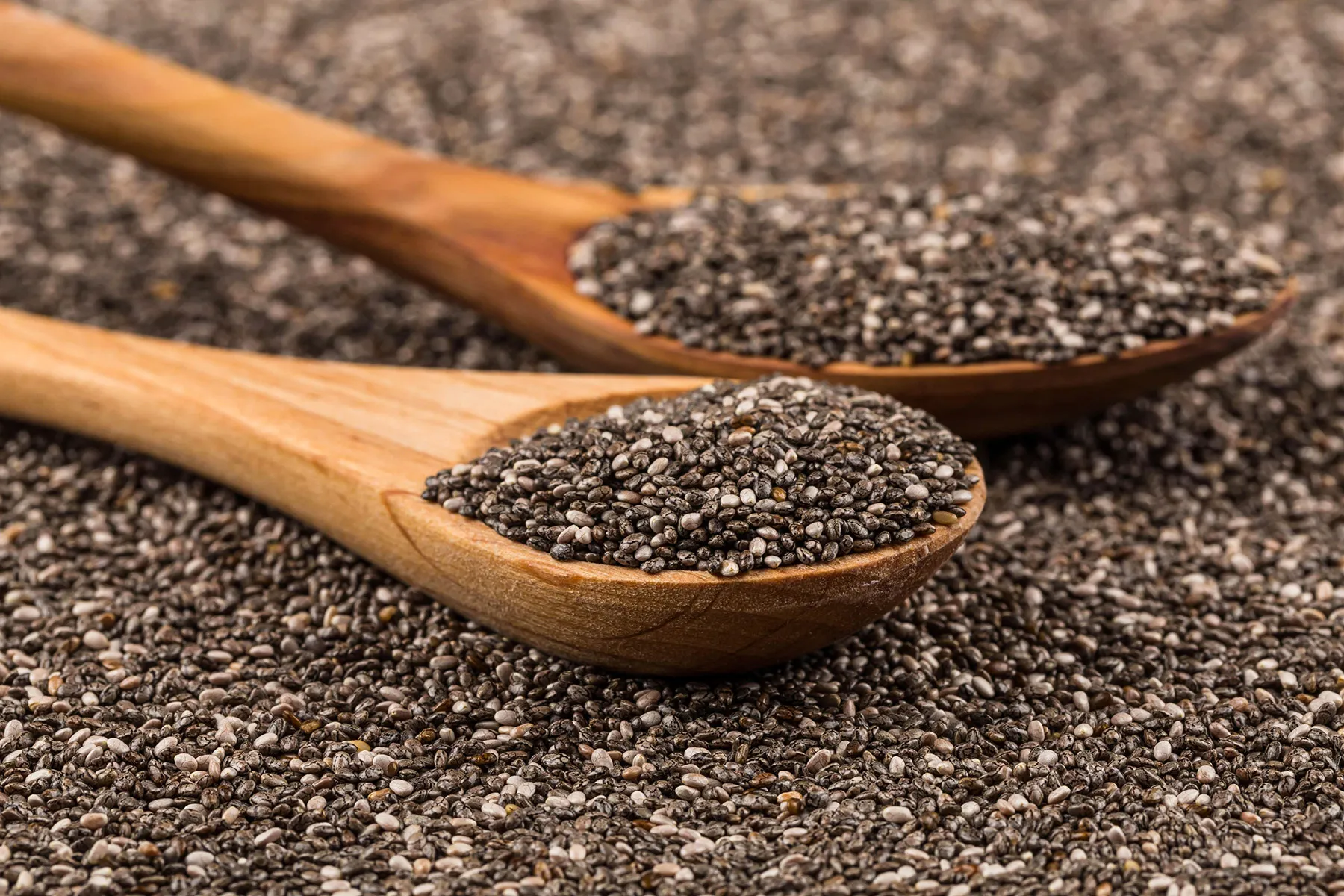
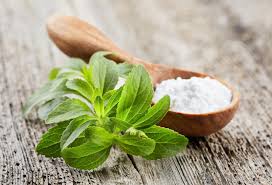
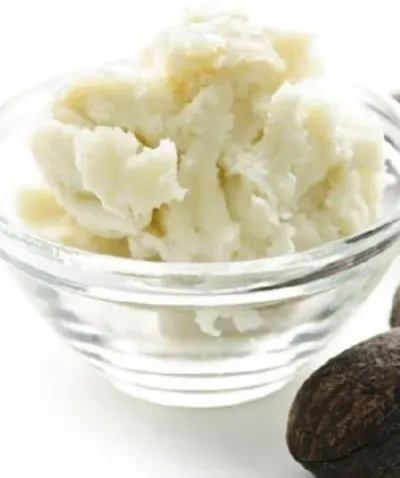
Botanic Treasures is based in Kenya and currently lists six active products. The supplier’s catalogue includes shea butter, chia seeds, moringa seed, sesame seeds, stevia leaf and moringa powder. These items fall under the top categories of Herbal Products, Shea Butter and Sesame Seeds as indicated in the supplied data. The product list reflects both raw seeds and processed powders, covering common African agricultural outputs.
The six items are presented without additional sub‑categories or HS codes in the supplied information. Each product is identified by its generic name only, such as “Shea Butter” or “Moringa Powder”, and no further technical specifications are provided in the source data.
Product Range and Specialties of Botanic Treasures
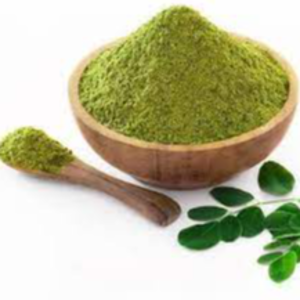
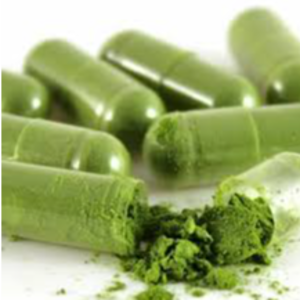
Botanic Treasures offers a concise catalogue of six products: shea butter, chia seeds, moringa seed, sesame seeds, stevia leaf and moringa powder. In the broader market, shea butter is typically graded by purity (e.g., unrefined, refined) and measured for moisture content (usually below 5 %) and peroxide value. Chia seeds are commonly sold in 25 kg bags with a standard moisture limit of 12 % and a germination rate above 85 %. Moringa seed and powder are evaluated for protein content (often 25 - 30 % in seed, 20 - 25 % in powder) and ash content. Sesame seeds are classified by hull removal (hulled vs. unhulled) and oil content (approximately 45 - 55 %). Stevia leaf is usually supplied as dried leaf with a steviol glycoside concentration of 10 - 12 % for bulk use. These typical specifications provide buyers with reference points when assessing the listed items.
Trade and Export Information - Botanic Treasures
Kenya is a recognized exporter of edible oils, seeds and herbal products, with Europe, the United States and the Middle East representing the largest import markets for shea butter, sesame and moringa derivatives. Buyers generally require compliance with food safety standards such as HACCP, ISO 22000 or local organic certifications, and they often request phytosanitary certificates for seed shipments. Bulk shipments are commonly packed in 20 ft or 40 ft containers using food‑grade polyethylene bags or drums, and CIF or FOB terms are standard. Export documentation typically includes a commercial invoice, packing list, certificate of origin and, where applicable, a certificate of analysis confirming moisture, oil and pesticide limits.
Sourcing from Botanic Treasures - Buyer Guidance
When sourcing from Botanic Treasures, purchasers should request product samples together with a certificate of analysis that details moisture, oil content, iodine value (for shea butter) and any pesticide residues. Verification of the supplier’s compliance with HACCP or ISO 22000, as well as any organic or Fairtrade certifications, should be obtained before confirming orders. Buyers are advised to confirm packaging dimensions, minimum order quantities and lead times, and to ensure that the supplied documentation aligns with the import regulations of the destination country.
Frequently Asked Questions About Botanic Treasures
What product categories does Botanic Treasures list?
The catalogue includes six items - shea butter, chia seeds, moringa seed, sesame seeds, stevia leaf and moringa powder - grouped under Herbal Products, Shea Butter and Sesame Seeds.
Are there standard grades or specifications for the shea butter offered?
In the industry shea butter is classified by purity (unrefined or refined), moisture below 5 %, and peroxide value under 10 meq O₂/kg; buyers should request a test report confirming these parameters.
What packaging formats are typical for the seeds and powders?
Seeds such as chia, sesame and moringa are usually packed in food‑grade polyethylene bags ranging from 25 kg to 1 ton, while powders like moringa powder are shipped in bulk bags (e.g., 500 kg) or lined drums.
Which certifications should a buyer ask for when importing these products from Kenya?
Commonly required certifications include HACCP or ISO 22000 food‑safety compliance, a phytosanitary certificate for seed shipments, and, if organic claims are made, a recognized organic certification such as EU‑Organic or USDA‑NOP.
What are the typical import HS code chapters for these products?
While the supplier’s data does not list HS codes, shea butter generally falls under chapter 15 (animal or vegetable fats), seeds under chapter 12 (oil seeds and oleaginous fruits), and stevia leaf under chapter 13 (vegetables).
What documents are needed for customs clearance of these goods?
Standard documents include a commercial invoice, packing list, certificate of origin, phytosanitary certificate for seeds, and a certificate of analysis for quality parameters.
What are common lead times and minimum order quantities for these items?
Lead times from Kenya typically range from 30 to 45 days after order confirmation, and minimum orders are often set at one container load - for example, 20 ft for seeds or 1 ton for shea butter - depending on the product.




 , Kenya