Bien Tay Seafood Co., Ltd. — Verified Supplier
About Bien Tay Seafood Co., Ltd. - Fish Supplier in Viet Nam
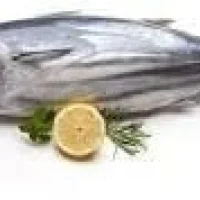
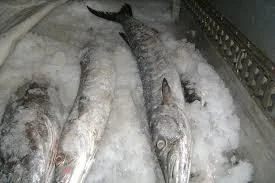
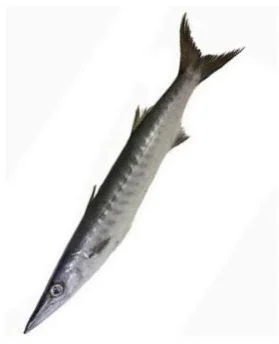
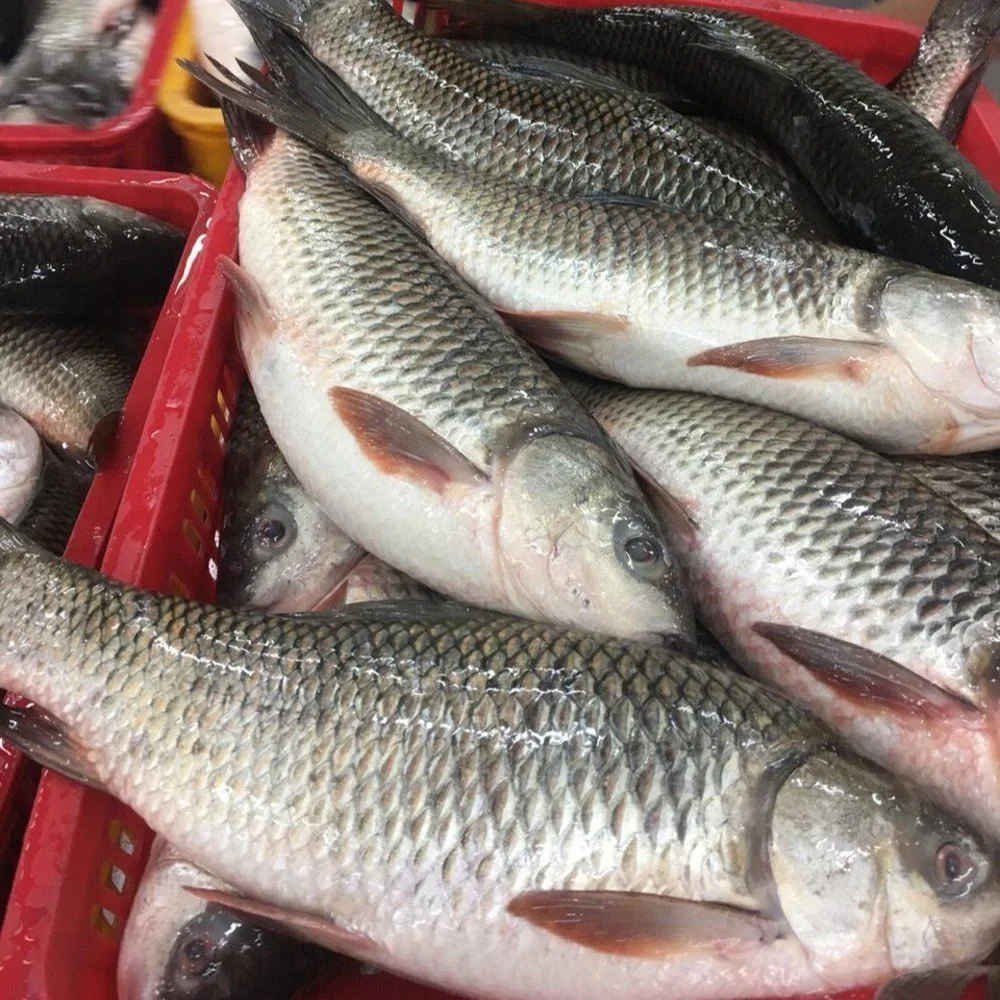
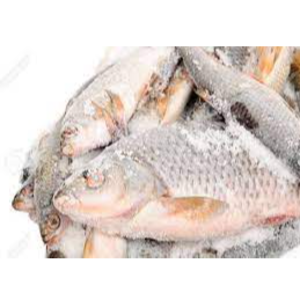
Vietnam hosts Bien Tay Seafood Co., Ltd., which currently lists six active frozen‑fish products. The catalogue is limited to the fish segment, covering both species‑specific items such as pangasius, tilapia, sardine, horse mackerel and tuna, as well as a generic frozen‑fish entry. Each product falls under the HS chapter 0303 family for frozen fish, with three items providing explicit HS codes in the supplier data.
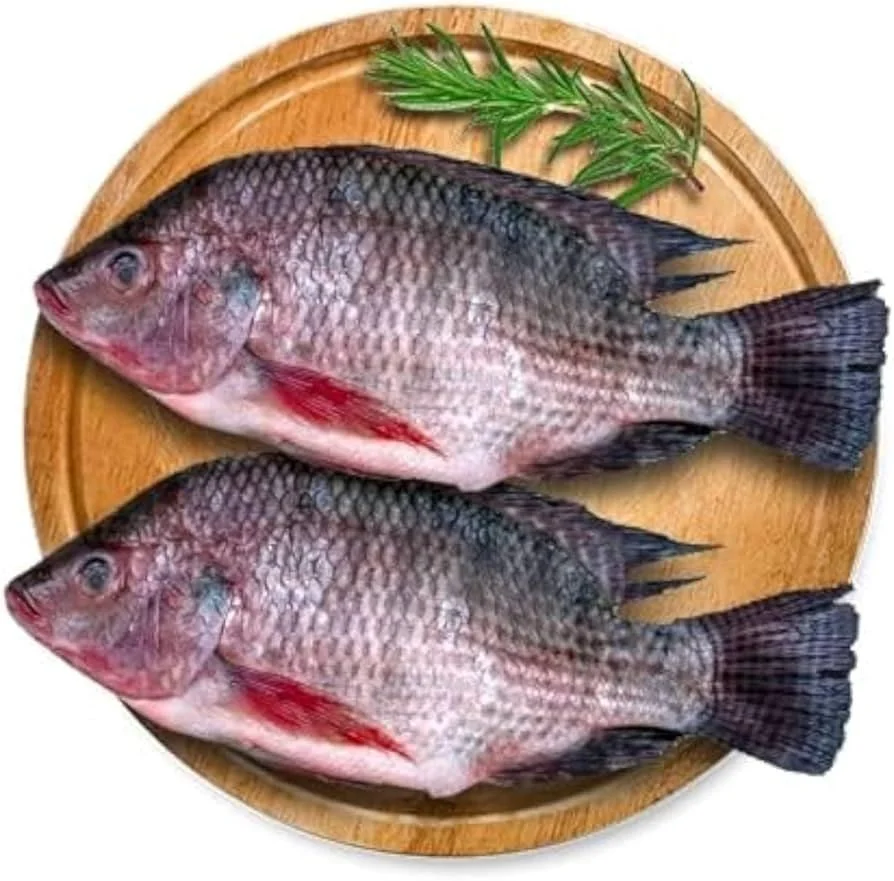
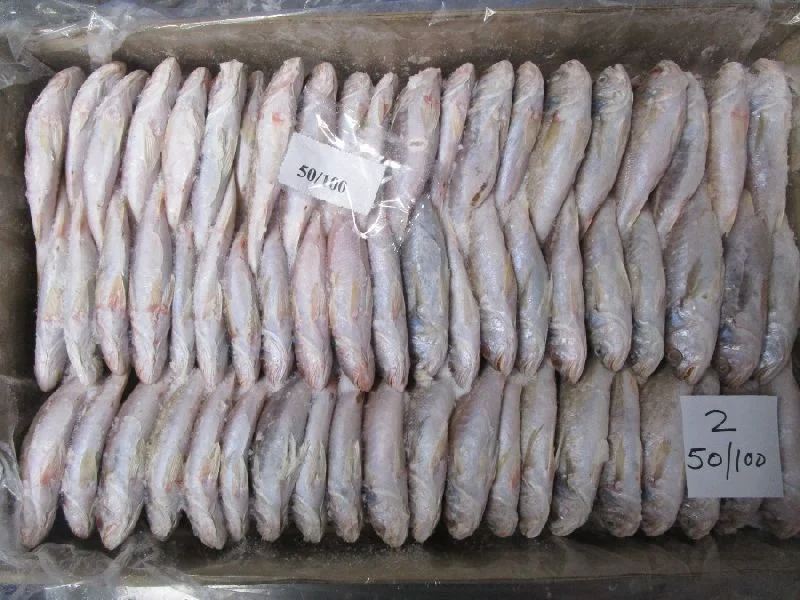
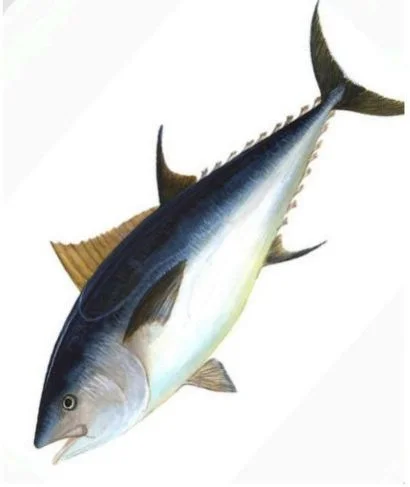
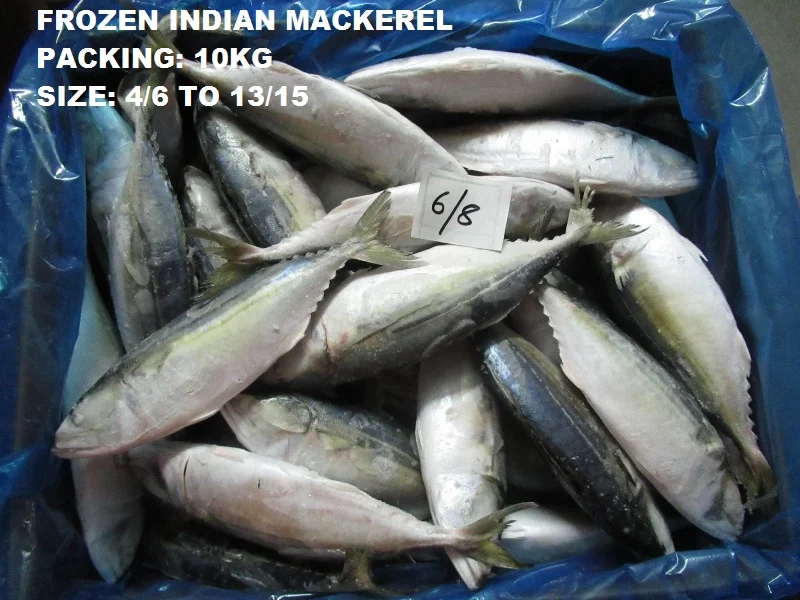
The detailed product list includes Frozen Pangasius (basa) without a specific HS code, Frozen Tilapia identified under HS code 0303.23, Frozen Sardine under HS code 0303.53, a generic Frozen Fish entry, Frozen Horse Mackerel under HS code 0303.89, and Frozen Tuna also without a listed HS code. The material descriptions specify species such as Oreochromis spp. for tilapia and Trachurus spp. for horse mackerel, reflecting standard taxonomy used in trade documentation.
Product Range and Specialties of Bien Tay Seafood Co., Ltd.
The catalogue offers whole, frozen pangasius, tilapia, sardine, horse mackerel and tuna, plus an unspecified frozen‑fish category. In the global frozen‑fish market, products are commonly graded by size (e.g., small <200 mm, medium 200‑400 mm, large >400 mm), by fillet versus whole, and by moisture content, which typically ranges from 65‑70 % for whole fish and 55‑60 % for fillets. Buyers also look for packaging standards such as insulated cardboard boxes with EPS lining, often loaded in 20‑ft refrigerated containers at 15‑18 metric tons per container.
Industry practice for these species includes compliance with HACCP or BRC food‑safety plans, and often a requirement for the ICUMSA standard for fish colour (where applicable) or a minimum fillet yield of 45‑50 % for pangasius. Export‑ready frozen sardine and horse mackerel are usually supplied in bulk packs of 20‑25 kg per box, while tilapia and tuna may be offered as gutted, headed or filleted cuts, each with documented weight tolerances of ±5 %.
Trade and Export Information - Bien Tay Seafood Co., Ltd.
Vietnam is a leading exporter of frozen catfish, tilapia, sardines and other pelagic species, with the EU, United States, Japan and China accounting for the bulk of demand. HS code 0303 covers all frozen fish products, and customs authorities in importing countries frequently request a phytosanitary certificate, a health certificate, and evidence of compliance with food‑safety standards such as HACCP, BRC or GlobalGAP. Shipping is normally performed in refrigerated (reefer) containers, with typical container loads of 20‑ft or 40‑ft units, each maintaining a temperature of - 18 °C to preserve product quality during transit.
Vietnam’s export infrastructure includes major ports such as Ho Chi Minh City and Da Nang, which provide direct refrigerated container services to major markets. Importers commonly require pre‑shipment inspection reports, including microbiological tests for Total Viable Count, E. coli and Salmonella, as well as documentation of origin and species identification. Compliance with the EU’s Rapid Alert System for Food and Feed (RASFF) and the U.S. FDA’s Seafood Import Monitoring Program (SIMP) is also standard practice for these product groups.
Sourcing from Bien Tay Seafood Co., Ltd. - Buyer Guidance
When sourcing frozen fish from Bien Tay Seafood Co., Ltd., buyers should request a product specification sheet that details species, size range, whole versus fillet format, moisture content and packaging dimensions. It is advisable to obtain a recent HACCP or BRC audit report, a health certificate issued by Vietnamese authorities, and a laboratory test report covering microbiological limits and any residue testing relevant to the target market.
Buyers should verify that the HS codes quoted (0303.23 for tilapia, 0303.53 for sardine, 0303.89 for horse mackerel) match the intended customs classification and that the supplier can provide the required documentation for each code. Sample requests are typically fulfilled in insulated boxes with a temperature log, and lead times for frozen fish shipments from Vietnam range from 30 to 45 days, depending on product preparation and container availability.
Frequently Asked Questions About Bien Tay Seafood Co., Ltd.
What frozen fish species does Bien Tay Seafood Co., Ltd. list in its catalogue?
The supplier lists six frozen‑fish items: pangasius (basa), tilapia (HS 0303.23), sardine (HS 0303.53), a generic frozen‑fish entry, horse mackerel (HS 0303.89) and tuna.
Which HS codes are associated with the supplier’s products?
Three products have explicit HS codes: Frozen Tilapia - 0303.23, Frozen Sardine - 0303.53, and Frozen Horse Mackerel - 0303.89. All items fall under chapter 0303 for frozen fish.
What certifications are typically required for importing frozen fish from Vietnam?
Importers usually ask for HACCP or BRC food‑safety certification, a Vietnamese health certificate, and a phytosanitary certificate. Additional documents may include a laboratory microbiology report and a certificate of origin.
How are the frozen fish products packaged for export?
Standard export packaging uses insulated cardboard boxes with EPS lining, stacked in refrigerated containers. Typical box weights are 20‑25 kg for whole sardine or horse mackerel and 25‑30 kg for tilapia or tuna cuts.
What is the usual lead time for a shipment of frozen fish from this supplier?
Lead times generally range from 30 to 45 days, covering product preparation, quality inspection, packaging and booking of reefers for sea freight.
What minimum order quantities (MOQ) are common for these frozen fish items?
MOQs vary by species but commonly start at one 20‑ft refrigerated container, equivalent to roughly 15 metric tons of product, or a bulk order of 10 metric tons for smaller shipments.
How can a buyer request a sample before placing a full order?
Buyers should submit a formal sample request specifying the species, cut (whole or fillet) and desired packaging. The supplier typically ships a 5‑kg insulated sample with a temperature data logger for verification.
Are there any specific quality tests buyers should expect for frozen fish?
Typical tests include moisture content (65‑70 % for whole fish), total viable count, E. coli, Salmonella, and, where applicable, histamine levels for tuna. Results are provided in a lab report accompanying the shipment.




 , Viet Nam