Beejay Seafood — Supplier
About Beejay Seafood - Frozen Fish Supplier in Indonesia
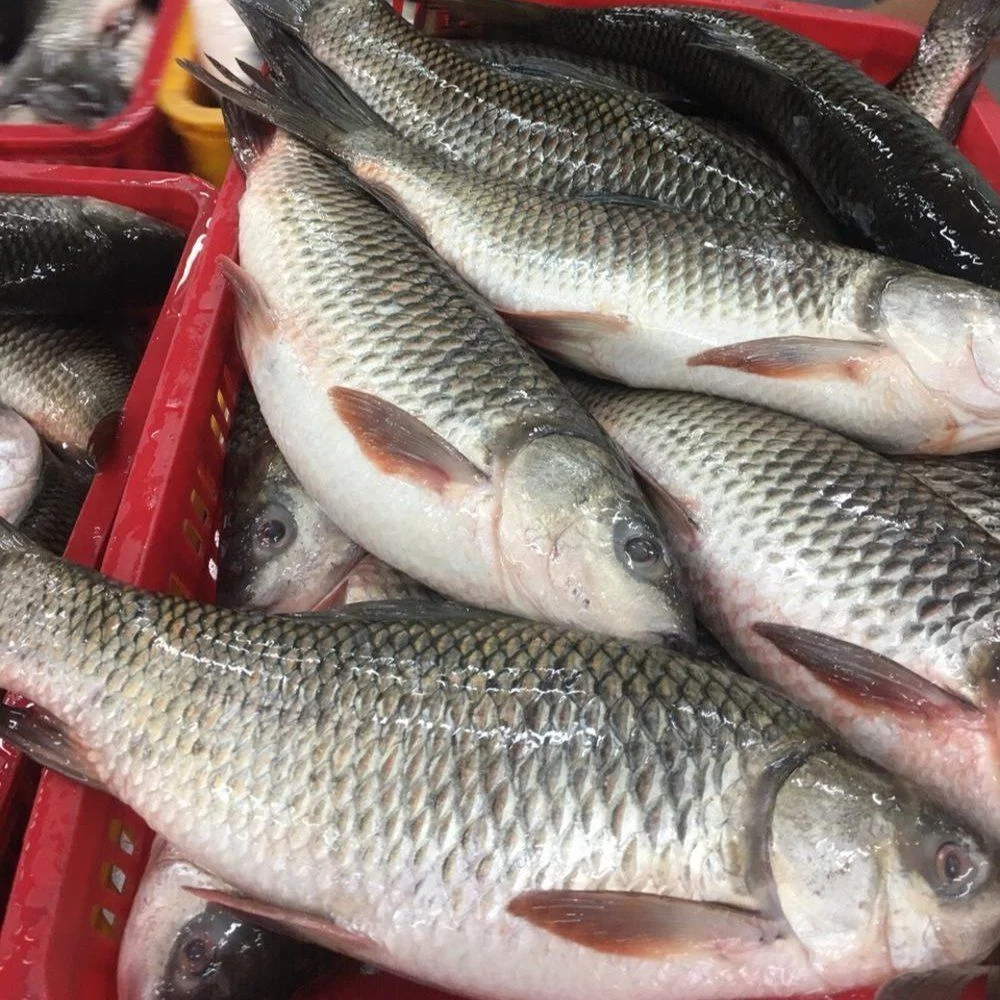
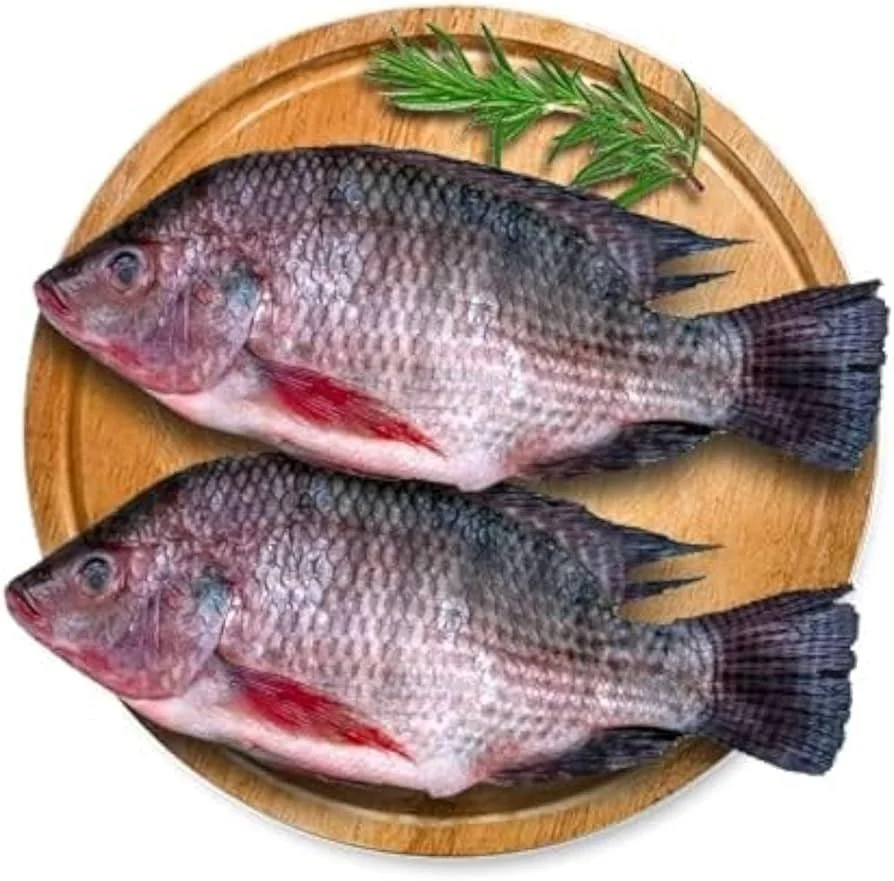
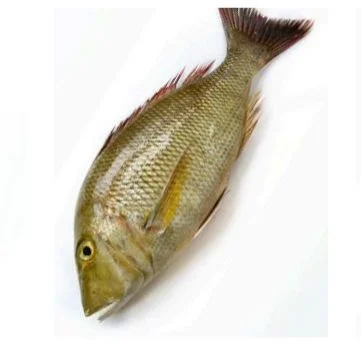
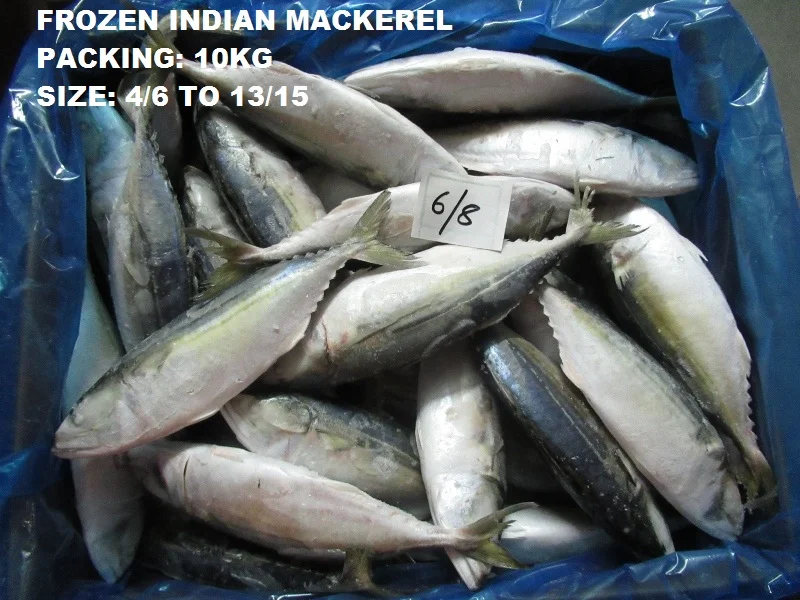
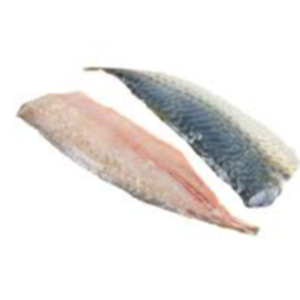
Beejay Seafood, located in Indonesia, offers 23 active products, primarily focusing on frozen and fresh fish categories. Their product range includes Frozen Indian Mackerel, Frozen Short Mackerel, Frozen Red Snapper Fillet, and other varieties of fish fillets and portions. Indonesia, being a significant player in the global seafood market, provides Beejay Seafood with an advantageous position for sourcing and exporting quality fish products. The country's extensive coastline and rich marine resources enable the supplier to offer a diverse range of fish products, catering to different buyer preferences and requirements.
The supplier's product catalogue encompasses various types of fish, including snapper, mackerel, salmon, and emperor fish, among others. These products are likely to be of interest to buyers from regions with a high demand for seafood, such as Europe, North America, and parts of Asia. The HS code families associated with these products, such as 0302, 0303, and 0304, indicate the specific categories of fish and fish products, facilitating customs clearance and trade compliance.
Product Range and Specialties of Beejay Seafood
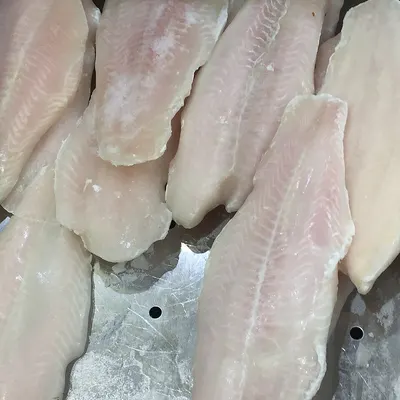
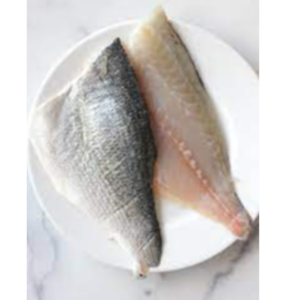
Beejay Seafood's product range is characterized by a variety of frozen and fresh fish products, including fillets, portions, and whole fish. For instance, their Frozen Red Snapper Fillet and Frozen King Snapper Fillet Skin on products exemplify the supplier's focus on quality, skin-on or skinless fish fillets. Buyers of these products typically require specifications such as fish size, weight, and packaging details to ensure the products meet their requirements. The common materials used in the packaging of these products include polyethylene bags, cardboard boxes, and styrofoam plates, which provide protection during transportation and storage.
Trade and Export Information - Beejay Seafood
Exporters of frozen and fresh fish products, like Beejay Seafood, typically require compliance with food safety and quality standards, such as HACCP and ISO 22000. Buyers of these products, especially from Europe and North America, usually demand certifications like MSC and ASC to ensure the products are sourced sustainably and responsibly. The logistics of exporting these products involve careful handling and storage to maintain the products' quality and freshness, often using refrigerated containers and trucks to transport the goods from the supplier's facility to the port of departure. Incoterms like FOB and CIF are commonly used in the trade of seafood products, determining the responsibilities of the buyer and seller regarding freight, insurance, and other costs.
Sourcing from Beejay Seafood - Buyer Guidance
When sourcing from Beejay Seafood, buyers should request specifications, samples, and test reports to verify the quality and authenticity of the products. It is essential to confirm the products' compliance with relevant food safety and quality standards, as well as any required certifications. Buyers should also clarify the packaging and shipping details, including the type of containers, labeling, and documentation, to ensure smooth customs clearance and transportation. Additionally, verifying the supplier's trust tier and active product count can provide insights into their reliability and product offerings.
Frequently Asked Questions About Beejay Seafood
What types of fish products does Beejay Seafood offer?
Beejay Seafood offers a variety of frozen and fresh fish products, including fillets, portions, and whole fish, such as snapper, mackerel, salmon, and emperor fish.
What are the common packaging materials used for Beejay Seafood's products?
The common packaging materials used for Beejay Seafood's products include polyethylene bags, cardboard boxes, and styrofoam plates, which provide protection during transportation and storage.
What certifications should buyers request from Beejay Seafood?
Buyers should request certifications like HACCP, ISO 22000, MSC, and ASC to ensure the products are sourced sustainably and responsibly, and comply with food safety and quality standards.
What are the typical logistics and transportation arrangements for Beejay Seafood's products?
The typical logistics and transportation arrangements for Beejay Seafood's products involve careful handling and storage to maintain the products' quality and freshness, often using refrigerated containers and trucks to transport the goods from the supplier's facility to the port of departure.
What Incoterms are commonly used in the trade of seafood products?
Incoterms like FOB and CIF are commonly used in the trade of seafood products, determining the responsibilities of the buyer and seller regarding freight, insurance, and other costs.
How can buyers verify the quality and authenticity of Beejay Seafood's products?
Buyers can verify the quality and authenticity of Beejay Seafood's products by requesting specifications, samples, and test reports, and confirming the products' compliance with relevant food safety and quality standards, as well as any required certifications.
What information should buyers clarify with Beejay Seafood regarding packaging and shipping?
Buyers should clarify the packaging and shipping details, including the type of containers, labeling, and documentation, to ensure smooth customs clearance and transportation.
How can buyers assess Beejay Seafood's reliability and product offerings?
Buyers can assess Beejay Seafood's reliability and product offerings by verifying their trust tier and active product count, which can provide insights into their experience and capabilities as a supplier.




 , Indonesia