Baoji Dingding Titanium Products Co., Ltd. — Supplier
About Baoji Dingding Titanium Products Co., Ltd. - Titanium Supplier in China
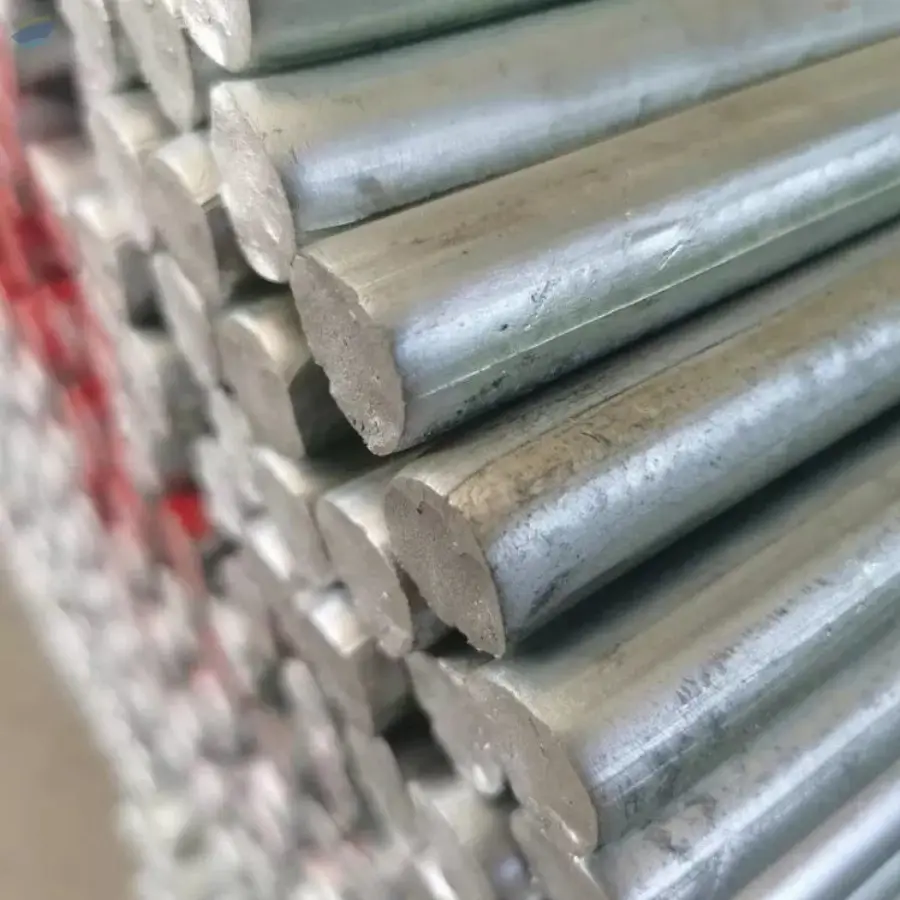
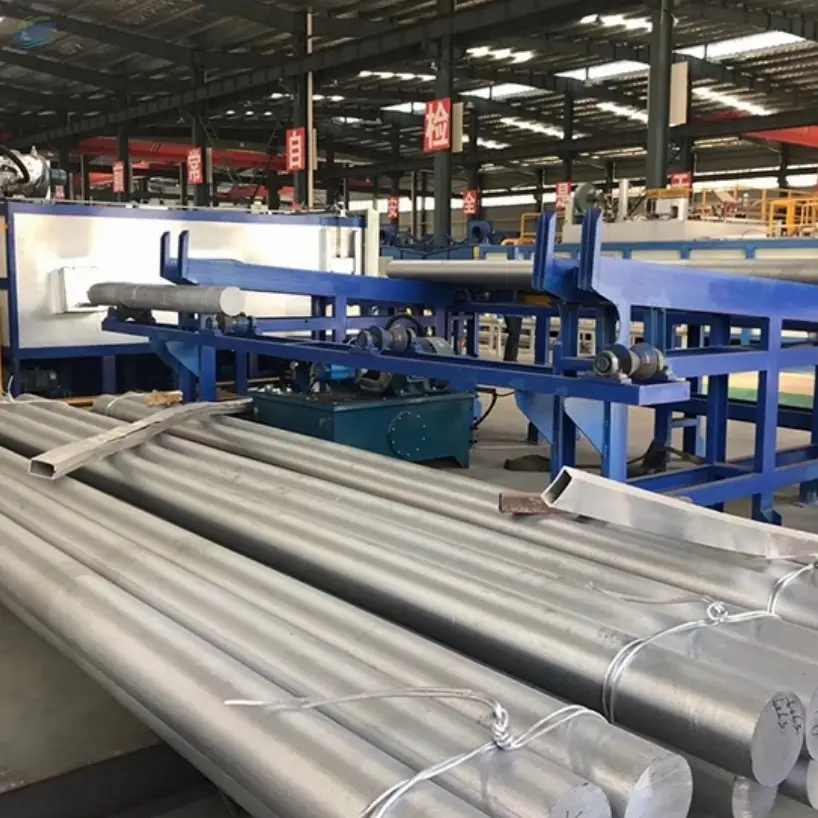
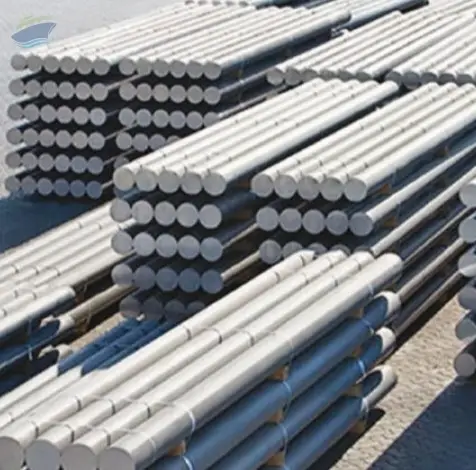
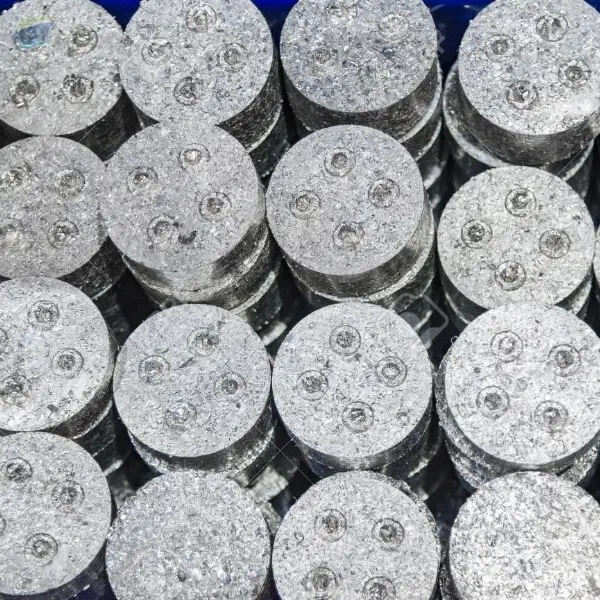
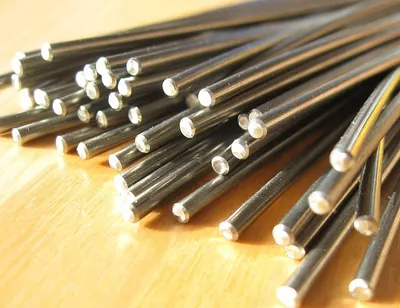
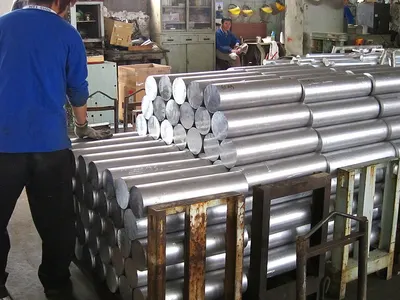
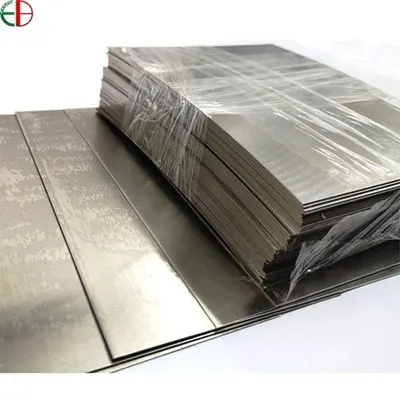
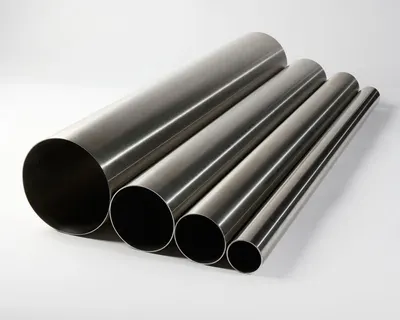
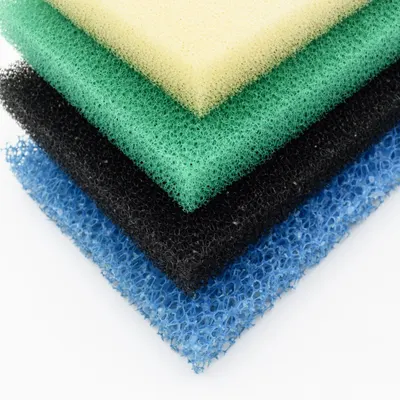
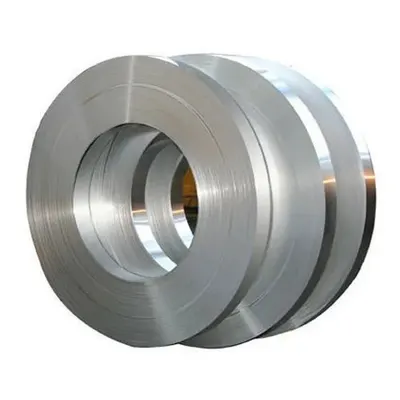
China is the origin country of Baoji Dingding Titanium Products Co., Ltd., which currently lists twelve active product entries. The catalogue includes pure titanium ingots, titanium and alloy strips, titanium sponge, mesh sheets, bars/rods, sheets, round tubes, foils, long‑radius elbows, and a nickel‑titanium (Nitinol) wire. All titanium‑based items are classified under HS code 8108.90, while the Nitinol wire carries HS code 7508.10. Materials specified range from commercially pure titanium grades 1 and 2 to titanium alloy Ti‑6Al‑4V (Grade 5) and other alloy grades such as Gr 4, Gr 7, Gr 9, Gr 12 and Gr 23. The product titles reference standards such as ASTM B348 for bars and rods, indicating compliance with recognized material specifications.
The supplier’s product list explicitly names the material composition for each item, for example the Grade 5 sheet and foil are described as Ti‑6Al‑4V with 6 % Al, 4 % V, ≤0.3 % Fe, ≤0.2 % O and balance Ti. The titanium wire entry cites Commercially Pure Grade 1 (UNS R50250). The Nitinol wire is noted as a nickel‑titanium alloy typically 55.8 % Ni and 44.2 % Ti. These details allow buyers to match the catalogue items to standard grade designations used in aerospace, medical and chemical processing sectors.
Product Range and Specialties of Baoji Dingding Titanium Products Co., Ltd.
The catalogue covers core titanium product families: ingots, sponge, sheets, foils, strips, bars/rods, round tubes, mesh sheets, elbows and a NiTi wire. Within the titanium alloy segment, the supplier lists Grade 5 (Ti‑6Al‑4V) in sheet, foil, tube and elbow forms, and multiple alloy grades for bars and rods. Commercially pure grades appear in mesh sheet, wire and some tube offerings. The Nitinol wire expands the range to shape‑memory alloys used in medical devices and actuators.
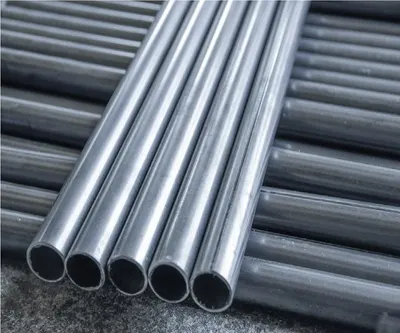
Industry practice for these categories includes standard grades defined by ASTM, AMS and ISO. Commercially pure titanium is offered in grades 1 - 4, with grade 1 having the highest corrosion resistance and grade 4 the highest strength. Ti‑6Al‑4V (Grade 5) is the most widely used alloy for aerospace and high‑performance engineering, typically supplied in thicknesses from 0.2 mm to 25 mm for sheets and diameters from 0.1 mm to 50 mm for wire. Bars and rods are commonly delivered in millimeter increments up to 300 mm diameter, conforming to ASTM B348. Tubes are produced to ASTM B637 or AMS 4919 specifications, with wall thicknesses ranging from 0.5 mm to 5 mm. Nitinol wires are usually supplied in diameters of 0.1 mm to 2 mm and must meet ASTM F2063 for medical applications.
Trade and Export Information - Baoji Dingding Titanium Products Co., Ltd.
China is a major exporter of titanium products, and the HS‑8108.90 chapter is routinely inspected by customs authorities in the United States, European Union, Japan and South Korea. Export shipments are commonly packed in wooden crates or steel drums, with moisture‑resistant inner liners to preserve surface finish. Typical Incoterms for bulk titanium shipments are FOB Shanghai or CIF Los Angeles, depending on buyer preference. Buyers in aerospace, chemical processing, marine and medical device industries frequently require mill‑test certificates, chemical analysis reports and compliance with standards such as ISO 9001, AS9100 or EN 10204 3.1. The Nitinol wire (HS 7508.10) is subject to additional scrutiny for nickel content, and many importers request a nickel‑free certification when the product is destined for medical implants.
The Chinese titanium sector benefits from a well‑developed logistics network, enabling 20‑ft containers to carry up to 12 tons of sheet or bar material, while 40‑ft containers can hold up to 20 tons. Bulk ingots are often shipped in open‑top containers with protective steel frames. Regional trade patterns show strong demand from North America for aerospace‑grade Ti‑6Al‑4V, from Europe for medical‑grade CP titanium, and from Southeast Asia for corrosion‑resistant mesh and foil used in chemical plant construction.
Sourcing from Baoji Dingding Titanium Products Co., Ltd. - Buyer Guidance
When sourcing from Baoji Dingding, buyers should request a Mill Test Certificate (MTC) that lists exact chemical composition, mechanical properties and the applicable ASTM or AMS standard. For alloy sheets and foils, a surface inspection report confirming absence of scratches, pits or oxidation is standard practice. Nitinol wire orders typically require a DSC (Differential Scanning Calorimetry) report to verify transformation temperatures, especially for medical or actuator applications. Buyers should also verify that the supplier can provide ISO 9001 or AS9100 certification if the end‑use is aerospace or medical, even though such certificates are not listed in the supplied facts.
Before placing a purchase order, confirm the dimensional tolerances (e.g., ±0.05 mm for sheet thickness, ±0.1 mm for wire diameter) and the heat‑treatment condition (annealed vs. solution‑treated) that match the intended specification. Request sample pieces shipped under the same packaging conditions as the commercial lot to evaluate surface finish and material consistency. Verify that the HS codes on the commercial invoice correspond to the product description (8108.90 for titanium items, 7508.10 for Nitinol) to avoid customs delays.
Frequently Asked Questions About Baoji Dingding Titanium Products Co., Ltd.
What titanium grades does Baoji Dingding list in its catalogue?
The catalogue mentions Commercially Pure Grade 1 and Grade 2 titanium, the alloy Ti‑6Al‑4V (Grade 5), and additional alloy grades such as Gr 4, Gr 7, Gr 9, Gr 12 and Gr 23 for bars and rods.
Which HS codes are associated with the supplier’s titanium products?
All titanium‑based items in the catalogue are classified under HS code 8108.90, while the nickel‑titanium (Nitinol) wire is listed under HS code 7508.10.
What standards are referenced for the titanium bar and rod products?
The bar/rod entry cites ASTM B348, the standard specification for titanium and titanium alloy bars and shapes.
Can I obtain chemical composition data for the Grade 5 sheet?
Buyers should request a Mill Test Certificate that provides the exact percentages of Al (≈6 %), V (≈4 %), Fe (≤0.3 %), O (≤0.2 %) and the balance titanium, as described in the product specification.
What documentation is typically required for Nitinol wire imports?
Importers usually ask for a material test report confirming the Ni/Ti ratio (approximately 55.8 % Ni / 44.2 % Ti), an ASTM F2063 compliance certificate and any relevant nickel‑content declarations for medical use.
What are the common packaging methods for the titanium mesh sheet?
Mesh sheets are normally packed in wooden crates with internal cardboard separators and a moisture‑resistant liner to protect the fine mesh structure during sea freight.
What are typical minimum order quantities for titanium foil?
Suppliers often set MOQs based on weight, with common minimums ranging from 500 kg to 1 ton for foil grades, but the exact figure should be confirmed with the seller.
Which regions import Chinese titanium products most frequently?
The United States, European Union members, Japan and South Korea are the largest import markets for Chinese titanium, especially for aerospace‑grade Ti‑6Al‑4V and medical‑grade CP titanium.




 , China










.jpg.png)