Asseya — Verified Supplier

About Asseya - Steel Supplier in Turkey

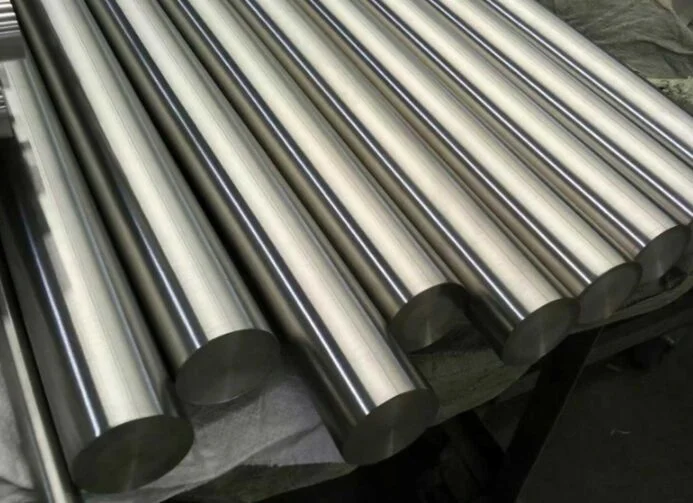
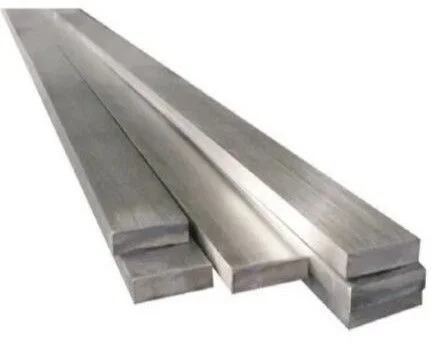
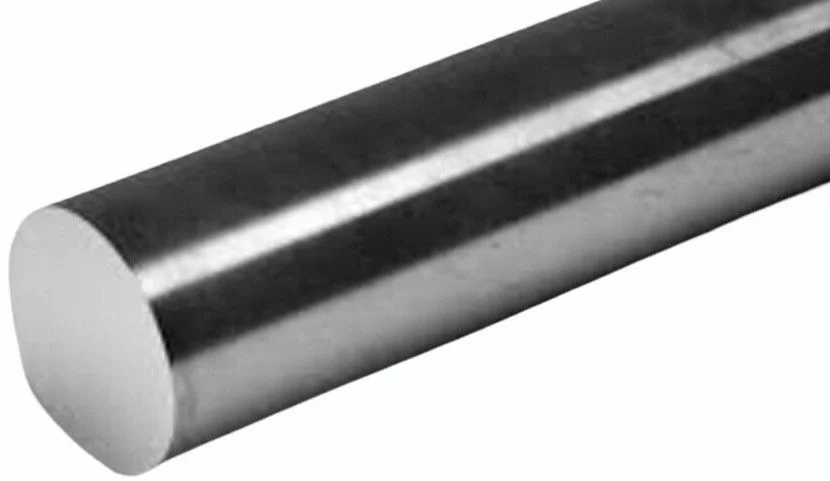
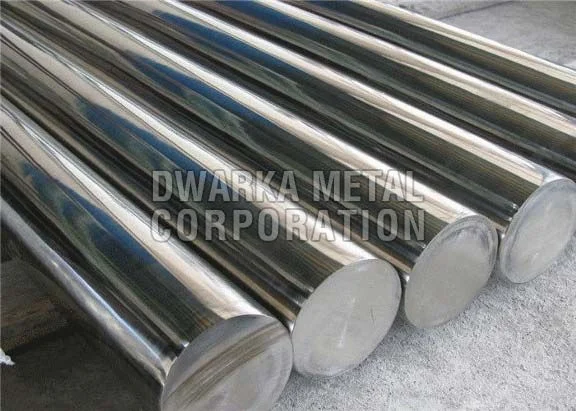
Asseya operates out of Turkey and currently lists five distinct steel products in its catalogue. The portfolio comprises steel billets, structural steel bar, steel rebar, a generic carbon‑steel bar and stainless steel bar, each assigned to a specific HS‑code family. Steel billets are recorded under HS code 7207.11 and are described as carbon steel with carbon ≤0.25 % and alloying elements such as manganese and silicon. The three carbon‑steel bar items - structural bar, rebar and non‑alloy bar - share HS code 7214.20 and are defined by carbon contents ranging from ≤0.25 % to 0.25‑0.40 %. The stainless steel bar is listed under HS code 7222.20 and specifies grades 304 or 316.

The three top categories reported - Steel Bars, Steel Billets and Stainless Steel Bars - align with common industrial classifications used in global trade. Carbon‑steel billets under HS 7207.11 are typically exported for downstream processing into rods, wire or forgings. Bars and rebar classified under HS 7214.20 are standard inputs for construction, infrastructure and machinery manufacturing. Stainless steel bars under HS 7222.20 are frequently sourced for corrosion‑resistant applications in oil & gas, food processing and architectural projects. All five items are described by material composition rather than dimensional specifications, indicating that size and tolerance details are supplied on request.

Product Range and Specialties of Asseya

The catalogue enumerates five products: Steel Billets (Carbon Steel, C ≤ 0.25 %), Structural Steel Bar (Mild/Low‑Alloy Carbon Steel), Steel Rebar (Deformed Carbon Steel), Steel Bar (Non‑Alloy Carbon Steel, C 0.25‑0.40 %) and Stainless Steel Bar (Grades 304/316). Each entry is linked to its HS code - 7207.11 for billets, 7214.20 for the three carbon‑steel bar types, and 7222.20 for the stainless variant - which is the basis for customs classification and tariff treatment.

In international steel trade, carbon‑steel billets are often produced to ASTM A108 or EN 10279 specifications, with typical chemical tolerances matching the C ≤ 0.25 % range. Structural bars and rebar are commonly supplied to ASTM A36, EN 10025 S235JR, or JIS G3101 standards, and may be delivered in deformed or plain profiles. Non‑alloy bars with C 0.25‑0.40 % are frequently graded as EN 10210 or ASTM A500 for cold‑finished applications. Stainless steel bars of 304/316 are usually manufactured to ASTM A240, EN 10088‑2, or ISO 683‑2, with corrosion‑resistance and surface finish requirements defined by the end user.

Trade and Export Information - Asseya

Turkey is a major exporter of carbon and stainless steel products, with shipments typically directed to the Middle East, North Africa, the European Union and South‑East Asia. Buyers of billets, bars and rebar often request mill test certificates (MTC) and compliance with EN or ASTM standards; the HS‑code families 7207 and 7214 are subject to anti‑dumping monitoring in several jurisdictions. Common certifications requested by importers include ISO 9001 quality management, CE marking for construction‑grade steel, and, for stainless grades, compliance with ASTM A240 or EN 10088. Standard packaging involves steel drums or wooden crates with moisture‑resistant liners, and freight is usually arranged on 20‑ft or 40‑ft containers under CIF or FOB terms. Export documentation from Turkey typically includes a commercial invoice, packing list, certificate of origin and, where applicable, a sanitary‑phytosanitary certificate for certain alloy additives.

Sourcing from Asseya - Buyer Guidance

When sourcing from Asseya, buyers should request a Mill Test Certificate that details chemical composition, tensile strength, yield point and elongation for each product batch. Verification of compliance with the relevant ASTM or EN standard (e.g., ASTM A36 for structural bar, ASTM A240 for stainless bar) helps confirm that the material meets mechanical and corrosion‑resistance expectations. Buyers are advised to obtain a copy of the supplier’s ISO 9001 certificate or equivalent quality system documentation, even though it is not listed in the supplied facts, to assess the production control environment. Clarify packaging dimensions, weight per bundle and container loading plan - typical loads are 20‑ft containers holding roughly 20 tonnes of carbon‑steel bars and 18 tonnes of stainless bars - before finalising shipping terms.

Frequently Asked Questions About Asseya

What HS codes are associated with Asseya’s steel products?

Steel Billets are classified under HS code 7207.11, while Structural Steel Bar, Steel Rebar and generic Steel Bar use HS code 7214.20. The Stainless Steel Bar is listed under HS code 7222.20.

Which material grades does Asseya specify for its stainless steel bar?

The stainless steel bar is described as grade 304 or 316, which correspond to the most common austenitic stainless grades used in corrosion‑resistant applications.

What standard specifications are typically applied to the carbon‑steel bars offered?

Carbon‑steel bars such as structural bar, rebar and generic bar are commonly produced to ASTM A36, EN 10025 (S235JR) or JIS G3101 specifications, matching the carbon ranges indicated in the catalogue.

Which documents should a buyer request before placing an order?

Buyers should request a Mill Test Certificate, a copy of any ISO 9001 or equivalent quality system certificate, and evidence of compliance with the relevant ASTM or EN standard for the specific product.

What are typical packaging and container loading practices for these steel products?

Products are usually packed in wooden crates or steel drums with moisture barriers; a standard 20‑ft container can accommodate approximately 20 tonnes of carbon‑steel bars and 18 tonnes of stainless‑steel bars, while a 40‑ft container roughly doubles that capacity.

What Incoterms are commonly used for exporting Asseya’s steel items?

Export transactions from Turkey frequently use FOB (Free on Board) or CIF (Cost, Insurance and Freight) terms, allowing the buyer to select the preferred point of responsibility transfer.

Are there any typical certifications importers look for with Turkish steel exports?

Importers often require ISO 9001 quality management certification, CE marking for construction‑grade steel, and specific product certifications such as ASTM or EN compliance, which should be confirmed with the supplier.

How long is the usual lead time for steel billets and bars from Turkey?

Lead times for carbon‑steel billets and bars generally range from 4 to 6 weeks after order confirmation, depending on production scheduling and shipping arrangements.


Featured Products from this Supplier

Other Suppliers in Primary Category

Top Trusted Suppliers

Related Products

Trending in Parent Category

More Suppliers in Category

Related Products

Other Suppliers

EximNext
58.5K+ live requirements
Register Free🎁 Reach verified global buyers
Post Requirement
🌍 Trusted by 224.6K+ businesses in 200+ countries|
58.5K+ active requirements right now
✉️ [email protected]
|
Sell on EximNextPost Requirement
EximNext
AgricultureApparelConstructionElectronicFoodHomeIndustrialMineralsMiscellaneous
🔥 Deals|✨ AI Match|🏭 Suppliers|📋 Buy Leads|💰 Trade Finance
58.5K+ live RFQs·194.6K+ suppliers
🎁 Reach global buyers →
EximNext
EximNext
Register Free
🎁 Reach verified global buyers
Sign In
📋Post Requirement💬Get QuotesAI Match📋RFQ Marketplace
All Categories
Services & Tools
🏭Supplier Directory🔥Today's Deals💰Trade Finance
Sell on EximNext
AboutContactBlogHelp
🏭

Asseya

Harbor
Country flag , Turkey
🛡️
54/100
Trust Score

Asseya Product Catalog

Showing 5 of 5 products
View all products →
Steel Bar
Harbor
Steel Bar
Contact
MOQ: 1 Unit
Stainless Steel Bar
Harbor
Stainless Steel Bar
Contact
MOQ: 1 Unit
Steel Rebar
Harbor
Steel Rebar
Contact
MOQ: 1 Unit
Structural Steel Bar
Harbor
Structural Steel Bar
Contact
MOQ: 1 Unit
Steel Billets
Harbor
Steel Billets
Contact
MOQ: 1 Unit

About Asseya - Steel Supplier in Turkey

Asseya operates out of Turkey and currently lists five distinct steel products in its catalogue. The portfolio comprises steel billets, structural steel bar, steel rebar, a generic carbon‑steel bar and stainless steel bar, each assigned to a specific HS‑code family. Steel billets are recorded under HS code 7207.11 and are described as carbon steel with carbon ≤0.25 % and alloying elements such as manganese and silicon. The three carbon‑steel bar items - structural bar, rebar and non‑alloy bar - share HS code 7214.20 and are defined by carbon contents ranging from ≤0.25 % to 0.25‑0.40 %. The stainless steel bar is listed under HS code 7222.20 and specifies grades 304 or 316.

The three top categories reported - Steel Bars, Steel Billets and Stainless Steel Bars - align with common industrial classifications used in global trade. Carbon‑steel billets under HS 7207.11 are typically exported for downstream processing into rods, wire or forgings. Bars and rebar classified under HS 7214.20 are standard inputs for construction, infrastructure and machinery manufacturing. Stainless steel bars under HS 7222.20 are frequently sourced for corrosion‑resistant applications in oil & gas, food processing and architectural projects. All five items are described by material composition rather than dimensional specifications, indicating that size and tolerance details are supplied on request.

Product Range and Specialties of Asseya

The catalogue enumerates five products: Steel Billets (Carbon Steel, C ≤ 0.25 %), Structural Steel Bar (Mild/Low‑Alloy Carbon Steel), Steel Rebar (Deformed Carbon Steel), Steel Bar (Non‑Alloy Carbon Steel, C 0.25‑0.40 %) and Stainless Steel Bar (Grades 304/316). Each entry is linked to its HS code - 7207.11 for billets, 7214.20 for the three carbon‑steel bar types, and 7222.20 for the stainless variant - which is the basis for customs classification and tariff treatment.

In international steel trade, carbon‑steel billets are often produced to ASTM A108 or EN 10279 specifications, with typical chemical tolerances matching the C ≤ 0.25 % range. Structural bars and rebar are commonly supplied to ASTM A36, EN 10025 S235JR, or JIS G3101 standards, and may be delivered in deformed or plain profiles. Non‑alloy bars with C 0.25‑0.40 % are frequently graded as EN 10210 or ASTM A500 for cold‑finished applications. Stainless steel bars of 304/316 are usually manufactured to ASTM A240, EN 10088‑2, or ISO 683‑2, with corrosion‑resistance and surface finish requirements defined by the end user.

Trade and Export Information - Asseya

Turkey is a major exporter of carbon and stainless steel products, with shipments typically directed to the Middle East, North Africa, the European Union and South‑East Asia. Buyers of billets, bars and rebar often request mill test certificates (MTC) and compliance with EN or ASTM standards; the HS‑code families 7207 and 7214 are subject to anti‑dumping monitoring in several jurisdictions. Common certifications requested by importers include ISO 9001 quality management, CE marking for construction‑grade steel, and, for stainless grades, compliance with ASTM A240 or EN 10088. Standard packaging involves steel drums or wooden crates with moisture‑resistant liners, and freight is usually arranged on 20‑ft or 40‑ft containers under CIF or FOB terms. Export documentation from Turkey typically includes a commercial invoice, packing list, certificate of origin and, where applicable, a sanitary‑phytosanitary certificate for certain alloy additives.

Sourcing from Asseya - Buyer Guidance

When sourcing from Asseya, buyers should request a Mill Test Certificate that details chemical composition, tensile strength, yield point and elongation for each product batch. Verification of compliance with the relevant ASTM or EN standard (e.g., ASTM A36 for structural bar, ASTM A240 for stainless bar) helps confirm that the material meets mechanical and corrosion‑resistance expectations. Buyers are advised to obtain a copy of the supplier’s ISO 9001 certificate or equivalent quality system documentation, even though it is not listed in the supplied facts, to assess the production control environment. Clarify packaging dimensions, weight per bundle and container loading plan - typical loads are 20‑ft containers holding roughly 20 tonnes of carbon‑steel bars and 18 tonnes of stainless bars - before finalising shipping terms.

Frequently Asked Questions About Asseya

What HS codes are associated with Asseya’s steel products?

Steel Billets are classified under HS code 7207.11, while Structural Steel Bar, Steel Rebar and generic Steel Bar use HS code 7214.20. The Stainless Steel Bar is listed under HS code 7222.20.

Which material grades does Asseya specify for its stainless steel bar?

The stainless steel bar is described as grade 304 or 316, which correspond to the most common austenitic stainless grades used in corrosion‑resistant applications.

What standard specifications are typically applied to the carbon‑steel bars offered?

Carbon‑steel bars such as structural bar, rebar and generic bar are commonly produced to ASTM A36, EN 10025 (S235JR) or JIS G3101 specifications, matching the carbon ranges indicated in the catalogue.

Which documents should a buyer request before placing an order?

Buyers should request a Mill Test Certificate, a copy of any ISO 9001 or equivalent quality system certificate, and evidence of compliance with the relevant ASTM or EN standard for the specific product.

What are typical packaging and container loading practices for these steel products?

Products are usually packed in wooden crates or steel drums with moisture barriers; a standard 20‑ft container can accommodate approximately 20 tonnes of carbon‑steel bars and 18 tonnes of stainless‑steel bars, while a 40‑ft container roughly doubles that capacity.

What Incoterms are commonly used for exporting Asseya’s steel items?

Export transactions from Turkey frequently use FOB (Free on Board) or CIF (Cost, Insurance and Freight) terms, allowing the buyer to select the preferred point of responsibility transfer.

Are there any typical certifications importers look for with Turkish steel exports?

Importers often require ISO 9001 quality management certification, CE marking for construction‑grade steel, and specific product certifications such as ASTM or EN compliance, which should be confirmed with the supplier.

How long is the usual lead time for steel billets and bars from Turkey?

Lead times for carbon‑steel billets and bars generally range from 4 to 6 weeks after order confirmation, depending on production scheduling and shipping arrangements.

About Asseya - Steel Supplier in Turkey

Asseya operates out of Turkey and currently lists five distinct steel products in its catalogue. The portfolio comprises steel billets, structural steel bar, steel rebar, a generic carbon‑steel bar and stainless steel bar, each assigned to a specific HS‑code family. Steel billets are recorded under HS code 7207.11 and are described as carbon steel with carbon ≤0.25 % and alloying elements such as manganese and silicon. The three carbon‑steel bar items - structural bar, rebar and non‑alloy bar - share HS code 7214.20 and are defined by carbon contents ranging from ≤0.25 % to 0.25‑0.40 %. The stainless steel bar is listed under HS code 7222.20 and specifies grades 304 or 316.

The three top categories reported - Steel Bars, Steel Billets and Stainless Steel Bars - align with common industrial classifications used in global trade. Carbon‑steel billets under HS 7207.11 are typically exported for downstream processing into rods, wire or forgings. Bars and rebar classified under HS 7214.20 are standard inputs for construction, infrastructure and machinery manufacturing. Stainless steel bars under HS 7222.20 are frequently sourced for corrosion‑resistant applications in oil & gas, food processing and architectural projects. All five items are described by material composition rather than dimensional specifications, indicating that size and tolerance details are supplied on request.

Product Range and Specialties of Asseya

The catalogue enumerates five products: Steel Billets (Carbon Steel, C ≤ 0.25 %), Structural Steel Bar (Mild/Low‑Alloy Carbon Steel), Steel Rebar (Deformed Carbon Steel), Steel Bar (Non‑Alloy Carbon Steel, C 0.25‑0.40 %) and Stainless Steel Bar (Grades 304/316). Each entry is linked to its HS code - 7207.11 for billets, 7214.20 for the three carbon‑steel bar types, and 7222.20 for the stainless variant - which is the basis for customs classification and tariff treatment.

In international steel trade, carbon‑steel billets are often produced to ASTM A108 or EN 10279 specifications, with typical chemical tolerances matching the C ≤ 0.25 % range. Structural bars and rebar are commonly supplied to ASTM A36, EN 10025 S235JR, or JIS G3101 standards, and may be delivered in deformed or plain profiles. Non‑alloy bars with C 0.25‑0.40 % are frequently graded as EN 10210 or ASTM A500 for cold‑finished applications. Stainless steel bars of 304/316 are usually manufactured to ASTM A240, EN 10088‑2, or ISO 683‑2, with corrosion‑resistance and surface finish requirements defined by the end user.

Trade and Export Information - Asseya

Turkey is a major exporter of carbon and stainless steel products, with shipments typically directed to the Middle East, North Africa, the European Union and South‑East Asia. Buyers of billets, bars and rebar often request mill test certificates (MTC) and compliance with EN or ASTM standards; the HS‑code families 7207 and 7214 are subject to anti‑dumping monitoring in several jurisdictions. Common certifications requested by importers include ISO 9001 quality management, CE marking for construction‑grade steel, and, for stainless grades, compliance with ASTM A240 or EN 10088. Standard packaging involves steel drums or wooden crates with moisture‑resistant liners, and freight is usually arranged on 20‑ft or 40‑ft containers under CIF or FOB terms. Export documentation from Turkey typically includes a commercial invoice, packing list, certificate of origin and, where applicable, a sanitary‑phytosanitary certificate for certain alloy additives.

Sourcing from Asseya - Buyer Guidance

When sourcing from Asseya, buyers should request a Mill Test Certificate that details chemical composition, tensile strength, yield point and elongation for each product batch. Verification of compliance with the relevant ASTM or EN standard (e.g., ASTM A36 for structural bar, ASTM A240 for stainless bar) helps confirm that the material meets mechanical and corrosion‑resistance expectations. Buyers are advised to obtain a copy of the supplier’s ISO 9001 certificate or equivalent quality system documentation, even though it is not listed in the supplied facts, to assess the production control environment. Clarify packaging dimensions, weight per bundle and container loading plan - typical loads are 20‑ft containers holding roughly 20 tonnes of carbon‑steel bars and 18 tonnes of stainless bars - before finalising shipping terms.

Frequently Asked Questions About Asseya
What HS codes are associated with Asseya’s steel products?
Steel Billets are classified under HS code 7207.11, while Structural Steel Bar, Steel Rebar and generic Steel Bar use HS code 7214.20. The Stainless Steel Bar is listed under HS code 7222.20.
Which material grades does Asseya specify for its stainless steel bar?
The stainless steel bar is described as grade 304 or 316, which correspond to the most common austenitic stainless grades used in corrosion‑resistant applications.
What standard specifications are typically applied to the carbon‑steel bars offered?
Carbon‑steel bars such as structural bar, rebar and generic bar are commonly produced to ASTM A36, EN 10025 (S235JR) or JIS G3101 specifications, matching the carbon ranges indicated in the catalogue.
Which documents should a buyer request before placing an order?
Buyers should request a Mill Test Certificate, a copy of any ISO 9001 or equivalent quality system certificate, and evidence of compliance with the relevant ASTM or EN standard for the specific product.
What are typical packaging and container loading practices for these steel products?
Products are usually packed in wooden crates or steel drums with moisture barriers; a standard 20‑ft container can accommodate approximately 20 tonnes of carbon‑steel bars and 18 tonnes of stainless‑steel bars, while a 40‑ft container roughly doubles that capacity.
What Incoterms are commonly used for exporting Asseya’s steel items?
Export transactions from Turkey frequently use FOB (Free on Board) or CIF (Cost, Insurance and Freight) terms, allowing the buyer to select the preferred point of responsibility transfer.
Are there any typical certifications importers look for with Turkish steel exports?
Importers often require ISO 9001 quality management certification, CE marking for construction‑grade steel, and specific product certifications such as ASTM or EN compliance, which should be confirmed with the supplier.
How long is the usual lead time for steel billets and bars from Turkey?
Lead times for carbon‑steel billets and bars generally range from 4 to 6 weeks after order confirmation, depending on production scheduling and shipping arrangements.

🏭
Asseya
Country flag , Turkey
Harbor
54/100
Trust Score
📦
5
Products
Free to contact — no commission
Escrow payment available
Verified business identity
Compare more suppliers
Post a requirement — get 10 quotes free
Let verified suppliers compete for your business. Free, fast, no commitment.
EximNext Verified Supplier
Business identity verified
Physical address confirmed
Financial history checked
Certifications authenticated
Trade references validated
Due Diligence
Verify this supplier's real shipping history.
Every shipment, every buyer, every port. Trade data that can't be faked.
Run due diligence →
Discover More

Related Suppliers & Products

Explore similar suppliers, related products and trending categories

Featured Products from this Supplier

Other Suppliers in Primary Category

Top Trusted Suppliers

Related Products

Trending in Parent Category

More Suppliers in Category

Stay ahead in global trade
Weekly market insights & new supplier alerts.
EximNext
Exim Next is a leading global B2B marketplace, connecting over 205,000 verified suppliers and buyers across 200+ countries. As a trusted import export marketplace, it serves as the essential B2B portal for businesses worldwide, empowering them to expand their international reach. With Exim Next, businesses can trade smarter and grow faster.
SECURE PAYMENTS
VISAMastercardPayPalSWIFTL/CEscrow
Follow us
© 2026 EximNext