Alfa Herbs — Verified Supplier
About Alfa Herbs - Fresh Flowers Supplier in Egypt
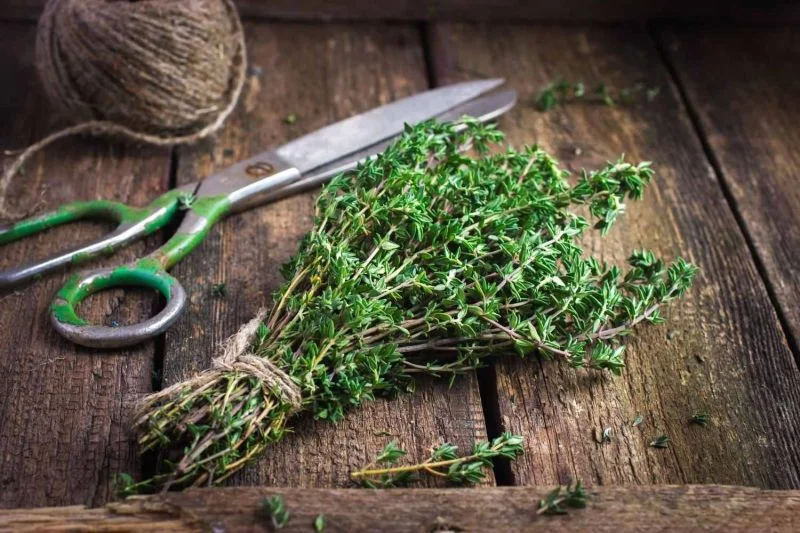
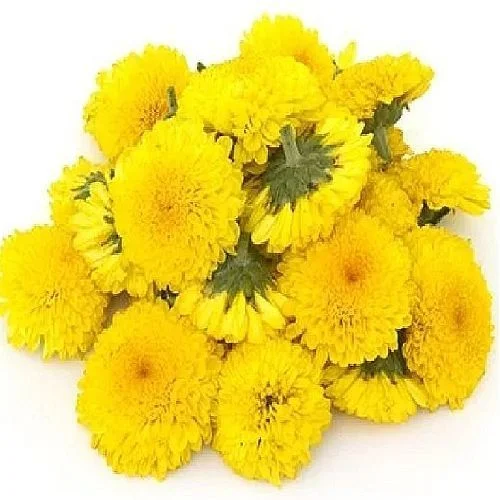
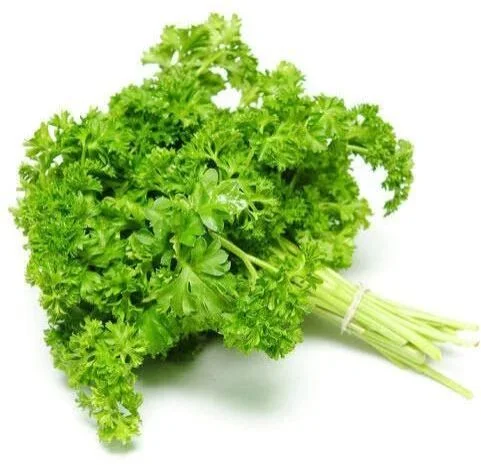
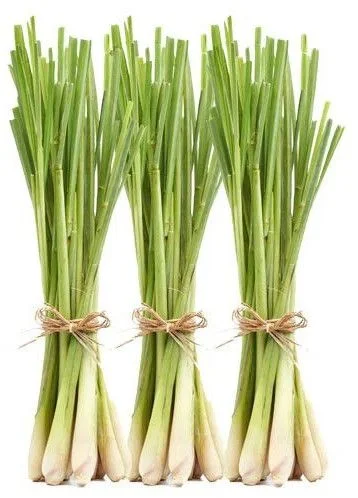
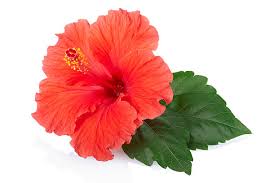
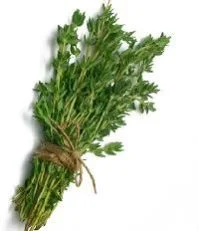
Alfa Herbs operates from Egypt and currently lists eight active products in its catalogue. The portfolio covers fresh cut flowers such as Chamomile and Hibiscus, a set of leafy herbs including Parsley, Basil, Thyme and Lemongrass, and two spice seeds - Fennel and Caraway. Each product is recorded under the relevant HS chapter used for trade, for example Chapter 06 for fresh flowers and Chapter 09 for dried herbs and spices. The supplier’s trust tier is classified as "harbor", indicating a mid‑level verification status within the platform’s risk framework.
The eight items span three broad commodity groups: fresh flowers, culinary herbs, and spice seeds. Fresh‑cut flowers are typically classified under HS 0602‑0603, while dried herbs fall under HS 0910 and spice seeds under HS 1212. Buyers normally look for phytosanitary certificates for the flower items and certificate of analysis for the herb and seed items. Standard export documentation from Egypt includes a commercial invoice, packing list, and certificate of origin, which are required for customs clearance in most destination markets.
Product Range and Specialties of Alfa Herbs
The catalogue lists Chamomile Flowers, Hibiscus Flowers, Parsley, Basil, Thyme, Lemongrass, Fennel Seeds and Caraway Seeds. In the fresh‑flower segment, quality grades are often expressed by stem length (e.g., 30‑45 cm for Chamomile), bud opening percentage, and moisture content below 10 %. For the leafy herbs, common specifications include leaf colour, moisture ≤12 %, and pesticide residue limits that align with EU maximum residue levels. Spice seeds are typically evaluated on purity (generally ≥98 %), oil content (Fennel 4‑6 %, Caraway 3‑5 %), and moisture not exceeding 12 %.
Trade and Export Information - Alfa Herbs
Egypt is a recognized exporter of cut flowers to the European Union, the Gulf Cooperation Council and North America, with most shipments consolidated in 20‑ft or 40‑ft refrigerated containers. Fresh flowers require insulated packaging, often with gel packs, and are shipped under CIF or CIP terms to preserve freshness. Dried herbs and spice seeds are usually packed in food‑grade polypropylene bags of 20 kg or 25 kg, placed in standard dry containers, and classified under HS chapters 09 and 12. Common buyer requirements include GlobalGAP or ISO 22000 compliance, phytosanitary certificates for flowers, and certificates of analysis for herbs and seeds. Egyptian exporters typically work with freight forwarders familiar with EU phytosanitary inspection regimes and the US FDA Food Facility Registration where applicable.
Sourcing from Alfa Herbs - Buyer Guidance
When sourcing from Alfa Herbs, buyers should request a recent phytosanitary certificate for any fresh‑flower order and a certificate of analysis for herb or seed shipments. Verify that the analysis includes moisture content, purity, and pesticide residue testing in line with the buyer’s target market regulations. It is advisable to obtain a sample batch - for flowers a 5 kg insulated box, for herbs a 5 kg sealed bag, and for seeds a 2 kg sample - to confirm compliance with colour, size and purity specifications before confirming larger volumes.
Frequently Asked Questions About Alfa Herbs
What product categories does Alfa Herbs offer?
Alfa Herbs lists eight products: Chamomile Flowers, Hibiscus Flowers, Parsley, Basil, Thyme, Lemongrass, Fennel Seeds and Caraway Seeds, covering fresh cut flowers, culinary herbs and spice seeds.
Which HS codes apply to the items in the catalogue?
Fresh flowers such as Chamomile and Hibiscus fall under HS chapter 06 (e.g., 0602‑0603). Dried herbs like Parsley, Basil, Thyme and Lemongrass are classified under HS 0910, while Fennel and Caraway seeds are placed in HS chapter 12 (e.g., 1212).
What certifications are typically required for these products?
Buyers usually require phytosanitary certificates for fresh flowers and certificates of analysis for herbs and seeds. Industry‑standard certifications such as GlobalGAP, ISO 22000 or HACCP are commonly requested to demonstrate food safety compliance.
What are the typical packaging formats?
Fresh flowers are packed in insulated boxes with gel packs, generally sized for 20‑ft refrigerated containers. Dried herbs and seeds are packed in food‑grade polypropylene bags of 20 kg or 25 kg, placed inside standard dry containers.
What are common Incoterms used for shipments from Egypt?
Exports from Egypt frequently use CIF (Cost, Insurance, Freight) or CIP (Carriage and Insurance Paid to) for fresh flowers, and FOB or EXW for dried herbs and seeds, depending on the buyer’s logistics preferences.
What sample quantities should a buyer request?
For fresh flowers a 5 kg insulated sample box is typical, for herbs a 5 kg sealed bag, and for spice seeds a 2 kg sample, allowing verification of moisture, purity and visual quality before larger orders.
Which markets import these products most often?
The European Union, Gulf Cooperation Council countries and the United States are the main importers of Egyptian fresh flowers, while dried herbs and spice seeds are also supplied to North America, the Middle East and parts of Asia.
What documentation accompanies an export order?
Standard export documentation includes a commercial invoice, packing list, certificate of origin, phytosanitary certificate for flowers, and a certificate of analysis for herbs or seeds, all of which facilitate customs clearance in the destination country.




 , Egypt