Al Fao Foodstuff LLC — Verified Supplier
About Al Fao Foodstuff LLC - Fresh Mutton Supplier in United Arab Emirates
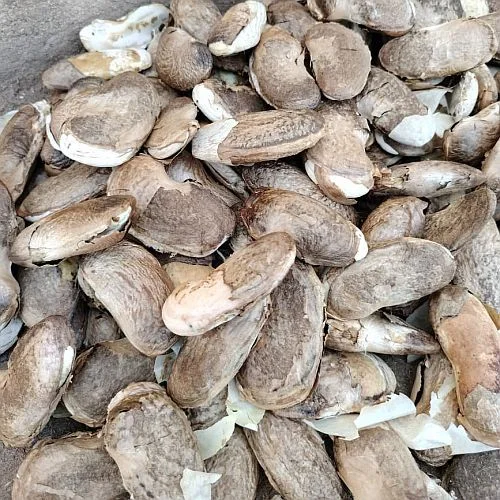
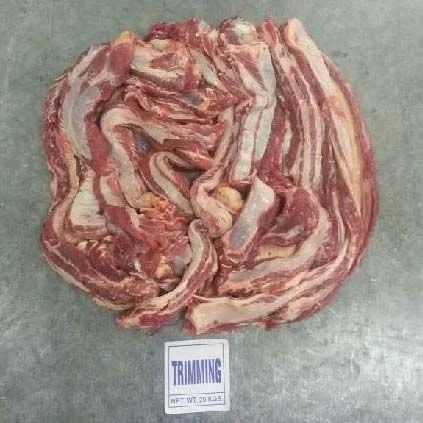
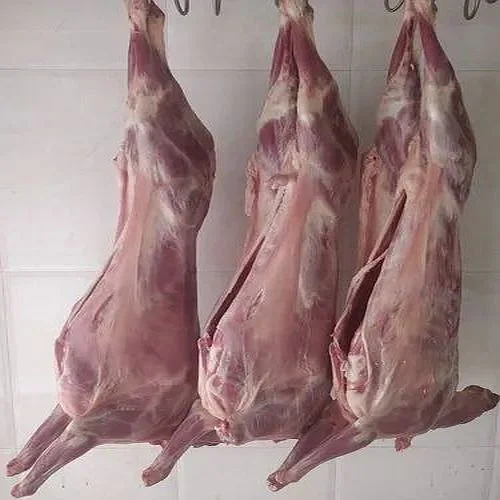
Al Fao Foodstuff LLC is based in the United Arab Emirates. The company currently lists six distinct products in its catalogue. These products cover fresh meat, oilseeds, legumes, specialty gums, and fibre. The list includes chilled Sudanese mutton, Sudanese sesame seeds, peanuts, watermelon seeds, gum Arabic, and cotton. The gum Arabic entry specifies HS code 1301.20 and identifies the material as natural gum derived from Acacia senegal trees.
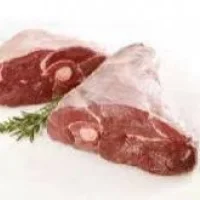
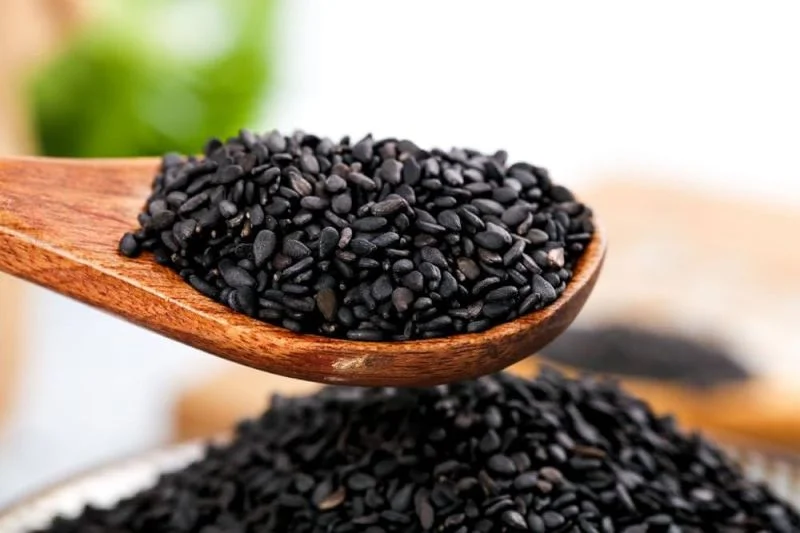
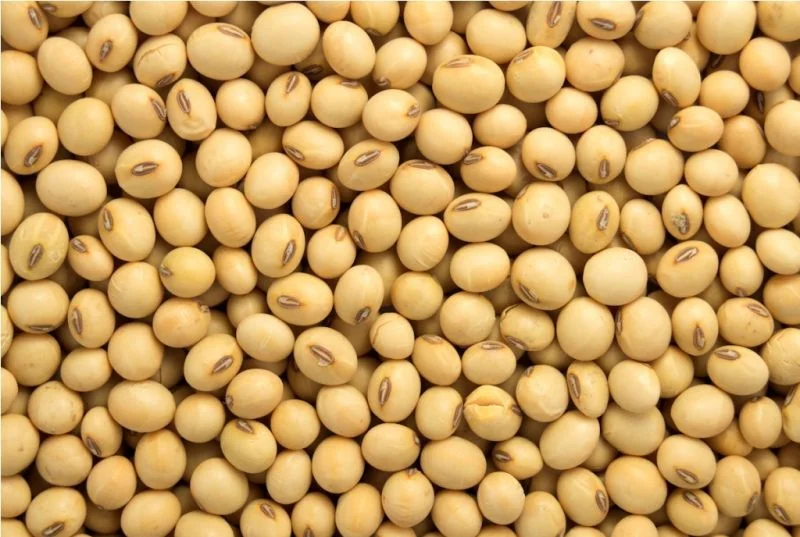
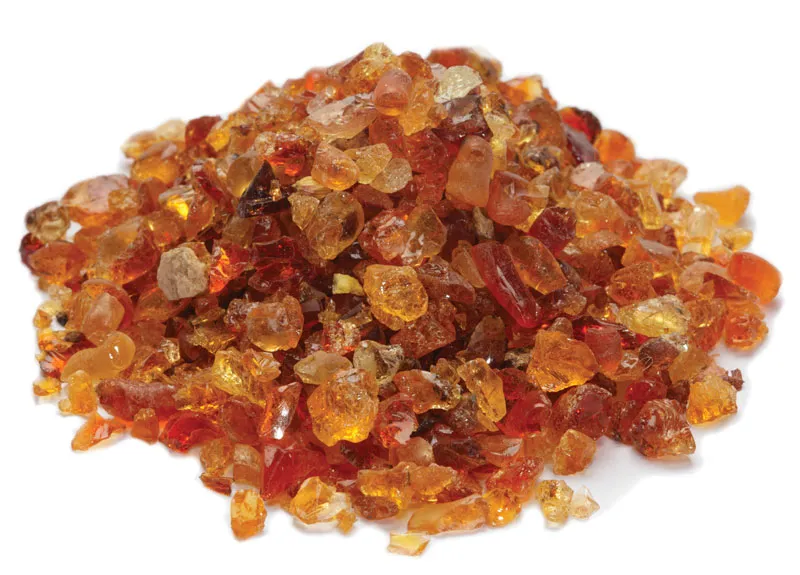
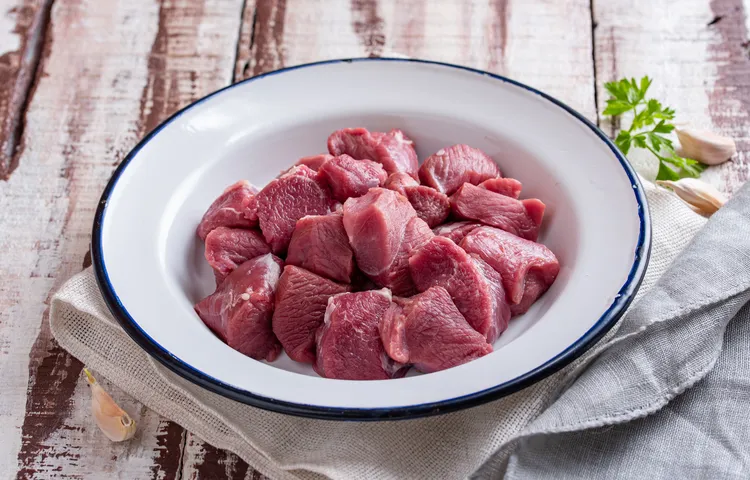
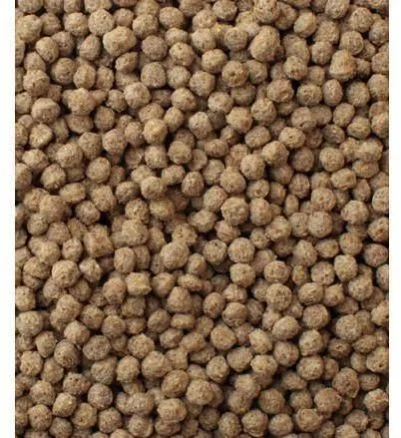
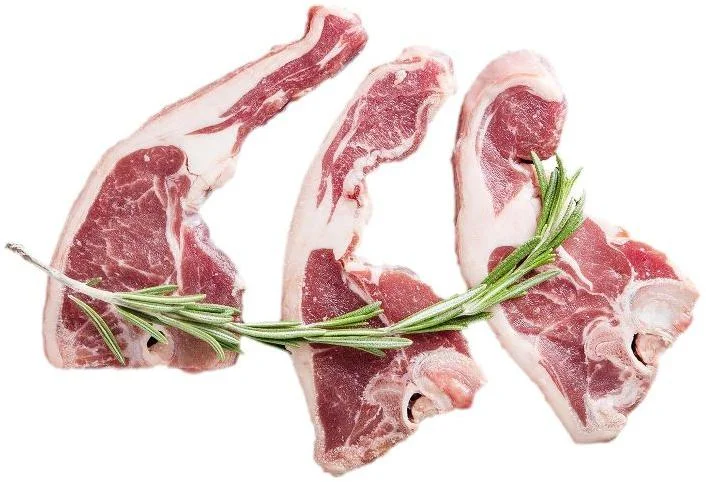
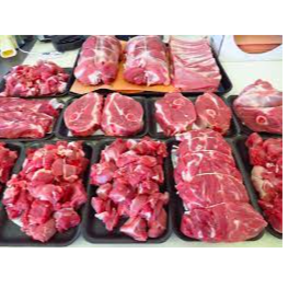
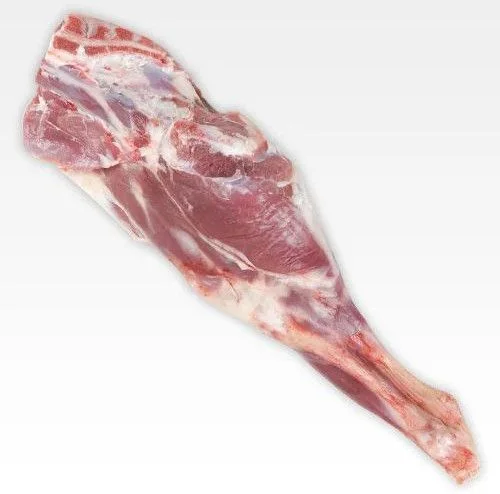
The chilled Sudanese mutton is presented as a fresh meat offering suitable for bulk or retail distribution. The sesame seeds and watermelon seeds are categorized as oilseed and fruit seed commodities respectively, each typically traded in bulk bags. Peanut is listed as a legume product, commonly shipped in 25‑kg bags. Gum Arabic is a natural hydrocolloid used in food and pharmaceutical formulations, with its HS classification indicating a non‑synthetic gum product. Cotton appears as a raw fibre commodity, generally exported in bales.
Product Range and Specialties of Al Fao Foodstuff LLC
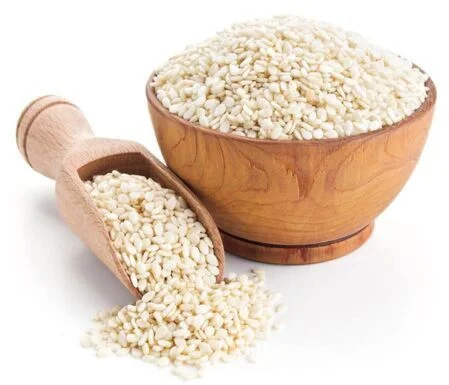
The catalogue shows chilled Sudanese mutton, Sudanese sesame seeds, peanuts, watermelon seeds, gum Arabic (HS 1301.20), and cotton. In the meat segment, fresh mutton is usually graded as Category A, chilled at 0‑4 °C, with carcass weights between 10 kg and 14 kg. Sesame seeds are commonly sold as Grade 0, with a minimum oil content of 55 % and moisture not exceeding 6 %. Peanut shipments typically meet Grade AA specifications, with aflatoxin levels below 10 µg/kg and may be supplied shell‑on or shelled. Watermelon seeds are generally classified as Grade 0, moisture ≤5 % and free of foreign matter. Gum Arabic is traded as a natural hydrocolloid, Grade 1, purity ≥90 % and water‑soluble. Cotton is exported as raw fibre, staple length 30‑38 mm and micronaire 3.5‑4.5, packaged in standard bales.
Trade and Export Information - Al Fao Foodstuff LLC
The United Arab Emirates serves as a logistics hub for agricultural commodities, and exporters of meat, oilseeds, legumes, gums and fibre often ship to the Gulf Cooperation Council, European Union, United States and East Asian markets. Fresh mutton falls under HS chapter 02 for meat, while sesame, peanuts and watermelon seeds are classified in HS chapter 12 for oilseeds and fruits. Gum Arabic is recorded under HS chapter 13 for vegetable products, specifically HS 1301.20 for natural gum. Cotton is classified in HS chapter 52. Buyers usually require phytosanitary certificates, Halal certificates for meat, and ISO 22000 or HACCP compliance for food‑grade seeds and gums. Standard export packaging includes insulated containers for chilled meat, jute or polypropylene bulk bags (25 kg) for seeds, 20‑kg drums for gum Arabic, and 500‑kg cotton bales. Common Incoterms are FOB UAE ports or CIF to the destination, with 20‑ft or 40‑ft containers handling the volumes.
Sourcing from Al Fao Foodstuff LLC - Buyer Guidance
When sourcing from this supplier, request a recent Halal certificate and a phytosanitary inspection report for the chilled mutton. For sesame, peanuts and watermelon seeds, ask for moisture analysis, oil content (for sesame) and aflatoxin test results to verify compliance with EU and US limits. Gum Arabic buyers should obtain a purity certificate and a laboratory analysis confirming ≥90 % polysaccharide content. Cotton purchasers normally verify staple length, micronaire and any residual pesticide residues. Typical minimum order quantities are 500 kg for chilled meat, 1 ton per seed type, 500 kg for gum Arabic and one 500‑kg bale for cotton. Lead times range from 15 to 30 days after order confirmation, depending on product availability and required documentation.
Frequently Asked Questions About Al Fao Foodstuff LLC
What HS code does the gum Arabic from Al Fao Foodstuff LLC use?
The gum Arabic is listed with HS code 1301.20, which classifies natural gums derived from Acacia species.
Which certifications should I ask for when importing the chilled Sudanese mutton?
Request a current Halal certificate and a phytosanitary certificate. Buyers often also ask for a temperature log confirming storage at 0‑4 °C.
What quality parameters are typical for the Sudanese sesame seeds?
Buyers look for Grade 0 sesame with oil content of at least 55 %, moisture ≤6 %, and foreign matter below 0.5 %.
Are there specific test reports needed for the peanuts?
Aflatoxin analysis (≤10 µg/kg), moisture content (≤5 %), and shell‑on or shelled condition verification are standard laboratory reports.
How is gum Arabic usually packaged for export?
It is commonly packed in 20‑kg food‑grade drums or bulk sacks, sealed to prevent moisture ingress, and labeled with batch and purity details.
What are the typical packaging and shipping methods for cotton?
Cotton is exported in standard 500‑kg bales, stacked on pallets, and loaded into 20‑ft or 40‑ft containers. FOB terms from UAE ports are frequently used.
What minimum order quantities apply to the watermelon seeds?
The usual MOQ is one metric ton, shipped in bulk polypropylene bags of 25 kg each.
Which Incoterms are most commonly used for these products?
Suppliers in the UAE typically offer FOB (Free on Board) from Dubai or Abu Dhabi ports, and CIF (Cost, Insurance, Freight) to major importing regions.




 , United Arab Emirates