Al Durr Al Nafees Sea Food — Verified Supplier

About Al Durr Al Nafees Sea Food - Seafood Supplier in Mauritania

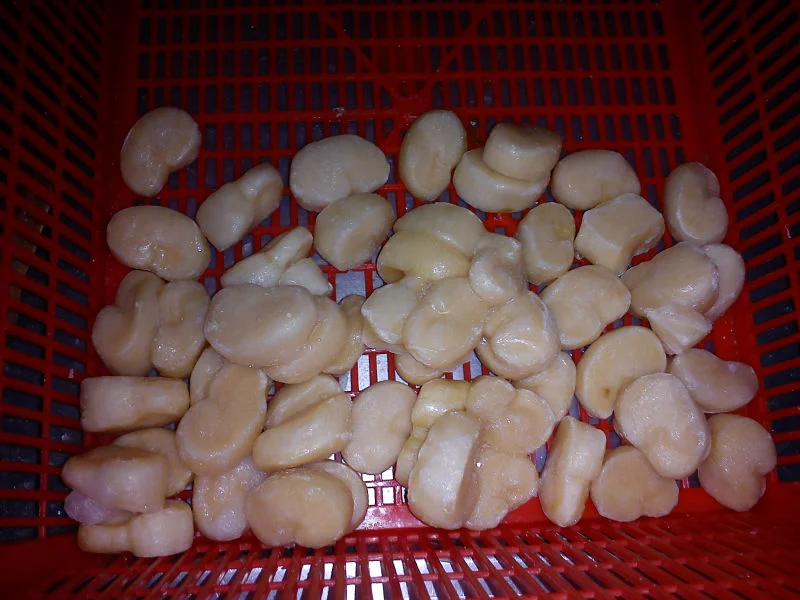
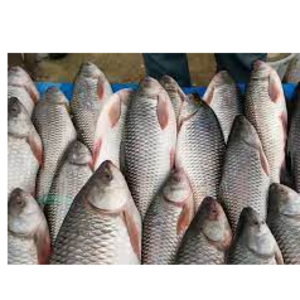
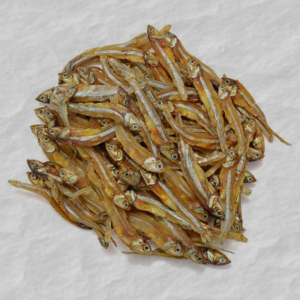
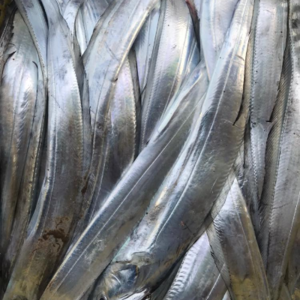
Mauritania‑based Al Durr Al Nafees Sea Food lists five active seafood items in its catalogue. The portfolio includes frozen ribbon fish, skipjack tuna, frozen mullet, frozen octopus and dried baby shark, the latter identified with HS code 0305.59 and described as dried material from small shark species. All products fall under the broader HS chapter 0305 that covers fish and fish products. The supplier is classified as an imported tier with a harbor trust tier, indicating it operates through established import channels. The catalogue reflects a focus on both frozen and dried marine species suitable for bulk international trade.

The product set spans common Atlantic‑origin seafood categories. Frozen ribbon fish and frozen mullet are typically shipped on ice in 10 kg insulated boxes, while frozen octopus is often packed in vacuum‑sealed bags of 20 kg. Skipjack tuna may be offered fresh or frozen, generally within 1 - 2 kg whole fish portions. Dried baby shark, classified under HS 0305.59, is usually supplied in bulk bags with moisture content below 12 %. These specifications align with standard industry handling for high‑value fish products destined for EU, US and Asian markets.

Product Range and Specialties of Al Durr Al Nafees Sea Food

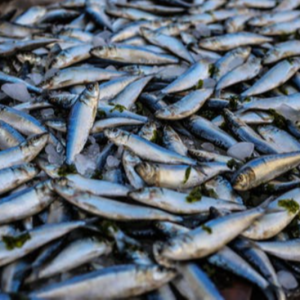
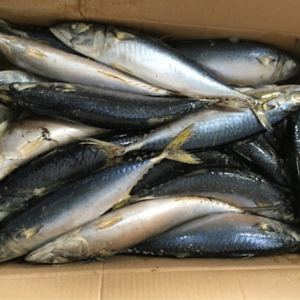
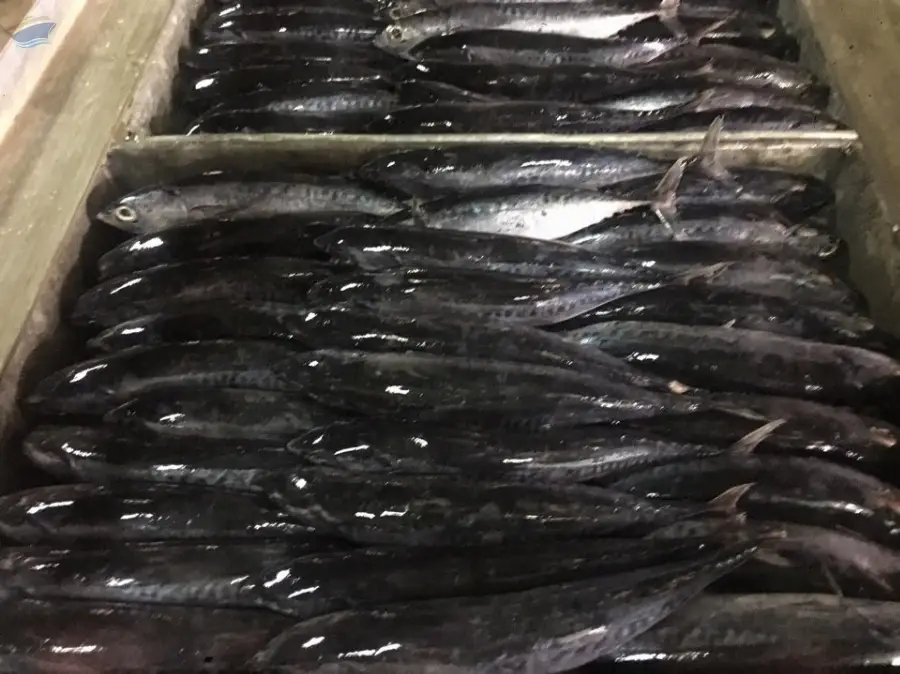
The catalogue presents five distinct items: frozen ribbon fish, skipjack tuna, frozen mullet, frozen octopus and dried baby shark (HS 0305.59). In the seafood trade, frozen ribbon fish is graded by length (typically 25 - 35 cm), ice content (minimum 80 % by weight) and absence of off‑flavours. Skipjack tuna is commonly evaluated by average weight (1.0 - 1.5 kg per fish), colour, and lipid content, with fresh‑cut portions requiring rapid icing. Frozen mullet and frozen octopus are usually supplied in 20 kg vacuum packs, with octopus measured by arm length (10 - 15 cm) and flesh firmness. Dried baby shark is processed to a moisture level under 12 % and packaged in 25 kg polypropylene bags. Industry standards such as BRC Global Standard for Food Safety and HACCP plans are routinely applied to these product types to meet buyer expectations.

Typical trade packaging includes insulated wooden crates for frozen fish, refrigerated containers (reefers) of 20 ft or 40 ft capacity, and bulk bags for dried specimens. Each 20 ft reefer can hold approximately 12 metric tons of frozen fish, while a 40 ft reefer accommodates up to 24 metric tons. Dried shark shipments generally fill standard 1 ton bulk bags, allowing efficient stacking in dry containers. These logistics align with common practices for West African seafood exporters.

Trade and Export Information - Al Durr Al Nafees Sea Food

Mauritania exports a significant share of its Atlantic catch to the European Union, the United States and East Asian markets. Buyers in Spain, France, the United Kingdom, Japan and South Korea regularly import HS 0305 fish products, often requiring compliance with EU Regulation 853/2004, US FDA seafood safety standards, and Japanese Ministry of Health specifications. Commonly requested certifications include HACCP, BRC, ISO 22000 and, where applicable, MSC eco‑label for sustainably sourced species. Export shipments are typically handled under FOB or CIF Incoterms, with refrigerated containers (reefers) maintaining temperatures at - 18 °C for frozen fish and ambient conditions for dried shark.

Mauritanian seafood exporters benefit from established port facilities in Nouadhibou and Nouakchott, which support rapid chilling and ice‑packing operations. Inspection regimes frequently involve pre‑export veterinary certificates, sanitary certificates issued by the national fisheries authority, and third‑party laboratory reports for heavy‑metal residues (e.g., mercury limits of 0.5 ppm for tuna). Documentation is aligned with the World Trade Organization’s SPS Agreement, facilitating smooth customs clearance in major importing regions.

Sourcing from Al Durr Al Nafees Sea Food - Buyer Guidance

When sourcing from Al Durr Al Nafees Sea Food, buyers should request up‑to‑date health certificates, a certificate of origin and laboratory analysis reports covering microbiological counts, histamine levels (for tuna) and heavy‑metal residues. Verify that the supplier can provide HACCP or BRC audit reports, especially for frozen products that will enter regulated markets. Typical minimum order quantities range from 15 metric tons for frozen fish (equivalent to one full 20 ft reefer) to 2 metric tons for dried baby shark, with lead times of 30 - 45 days from order confirmation to shipment.

Confirm packaging details such as insulated crate dimensions, ice load (approximately 10 % of gross weight) and container sealing methods before finalizing the order. Request sample shipments of at least 5 kg per product to evaluate freshness, texture and compliance with size specifications. Maintaining clear communication on documentation and quality test results helps mitigate inspection delays at destination ports.

Frequently Asked Questions About Al Durr Al Nafees Sea Food

What seafood products are listed in the Al Durr Al Nafees Sea Food catalogue?

The catalogue includes frozen ribbon fish, skipjack tuna, frozen mullet, frozen octopus and dried baby shark (HS 0305.59). Each item is presented as a distinct product line suitable for bulk export.

Which HS codes apply to the listed products?

All items fall under HS chapter 0305 for fish and fish products. The dried baby shark is specifically coded as 0305.59, while the other frozen species use the general 0305 heading without a further sub‑code disclosed.

What certifications are typically required for these seafood products?

Importers commonly require HACCP compliance, BRC or ISO 22000 food‑safety certifications, and, for sustainably sourced species, MSC certification. Buyers should request the supplier’s audit reports to confirm these standards.

How are the products usually packaged for shipment?

Frozen fish are packed in insulated wooden crates or vacuum‑sealed 20 kg bags, then loaded into reefers (20 ft or 40 ft) with an ice load of about 10 % of total weight. Dried baby shark is shipped in 25 kg bulk polypropylene bags placed in dry containers.

What are the typical lead times and minimum order quantities?

Lead times are generally 30 - 45 days from order confirmation. Minimum orders are around 15 metric tons for frozen fish (one 20 ft reefer) and 2 metric tons for dried baby shark.

How can a buyer request a sample or detailed specifications?

Buyers should contact the supplier through the trade platform’s messaging system, specifying the desired product, quantity (e.g., 5 kg) and any required test parameters such as moisture or mercury limits.

Which regions are the main import destinations for Mauritanian seafood?

The primary markets are the European Union (especially Spain, France and the UK), the United States, Japan and South Korea, where demand for frozen fish and specialty dried products is strong.

What documentation should be verified before shipment?

Verify the presence of a sanitary certificate, certificate of origin, HACCP/BRC audit report, and laboratory test results for microbiology, histamine (for tuna) and heavy‑metal residues. These documents are essential for customs clearance in most destination countries.


Other Suppliers in Fish

Top Trusted Suppliers

Related Products in Fish

Trending in Parent Category

More Suppliers in Parent Category

Related Products

Other Suppliers

EximNext
58.5K+ live requirements
Register Free🎁 Reach verified global buyers
Post Requirement
🌍 Trusted by 224.7K+ businesses in 200+ countries|
58.5K+ active requirements right now
✉️ [email protected]
|
Sell on EximNextPost Requirement
EximNext
AgricultureApparelConstructionElectronicFoodHomeIndustrialMineralsMiscellaneous
🔥 Deals|✨ AI Match|🏭 Suppliers|📋 Buy Leads|💰 Trade Finance
58.5K+ live RFQs·194.6K+ suppliers
🎁 Reach global buyers →
EximNext
EximNext
Register Free
🎁 Reach verified global buyers
Sign In
📋Post Requirement💬Get QuotesAI Match📋RFQ Marketplace
All Categories
Services & Tools
🏭Supplier Directory🔥Today's Deals💰Trade Finance
Sell on EximNext
AboutContactBlogHelp
🏭

Al Durr Al Nafees Sea Food

Harbor
Country flag , Mauritania
🛡️
55/100
Trust Score

Al Durr Al Nafees Sea Food Product Catalog

Showing 5 of 5 products
View all products →
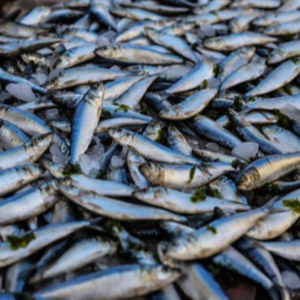
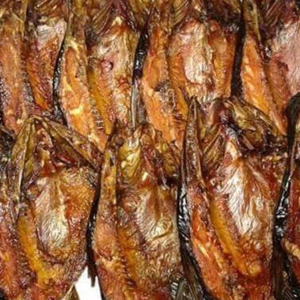
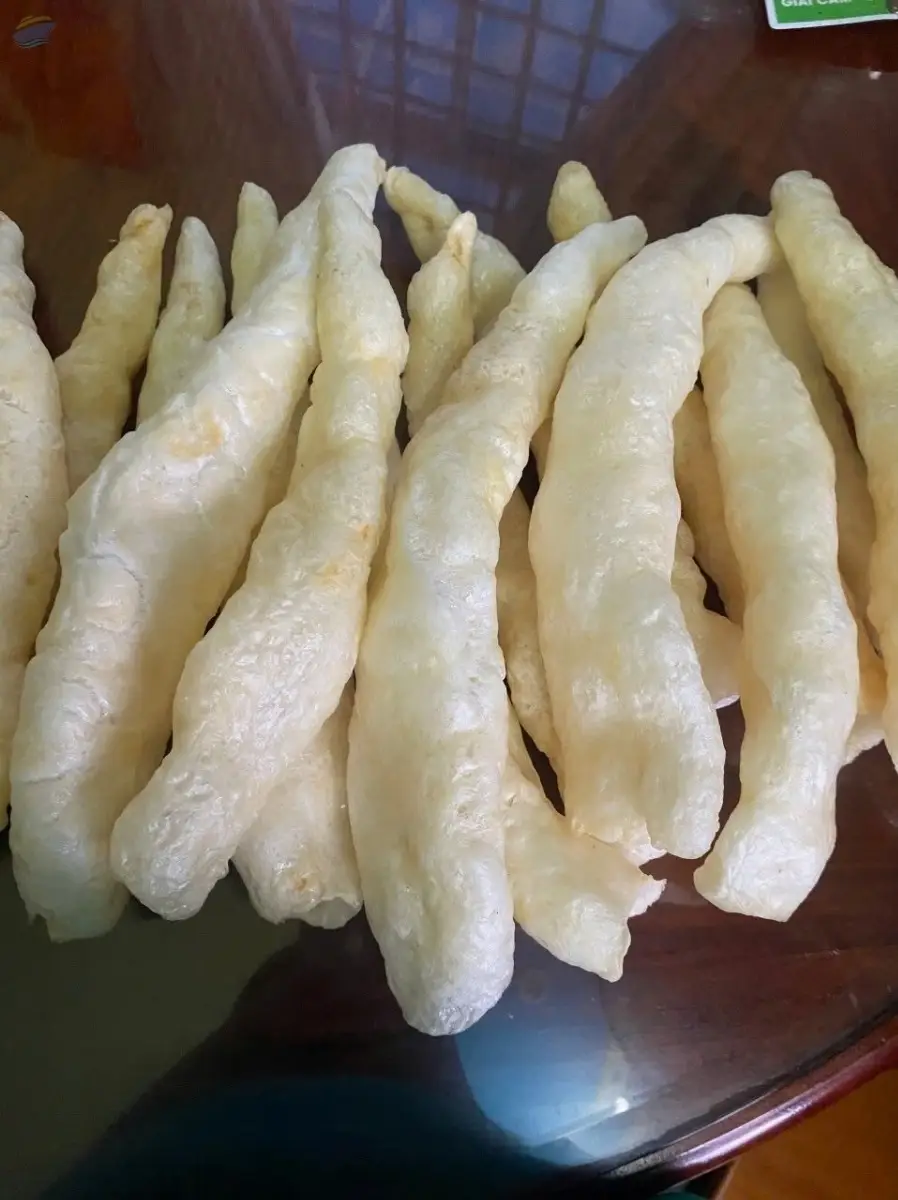
Baby shark
Harbor
Baby shark
Contact
MOQ: 1 Unit
Frozen octopus
Harbor
Frozen octopus
Contact
MOQ: 1 Unit
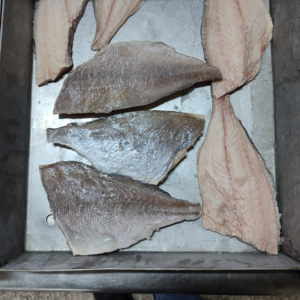
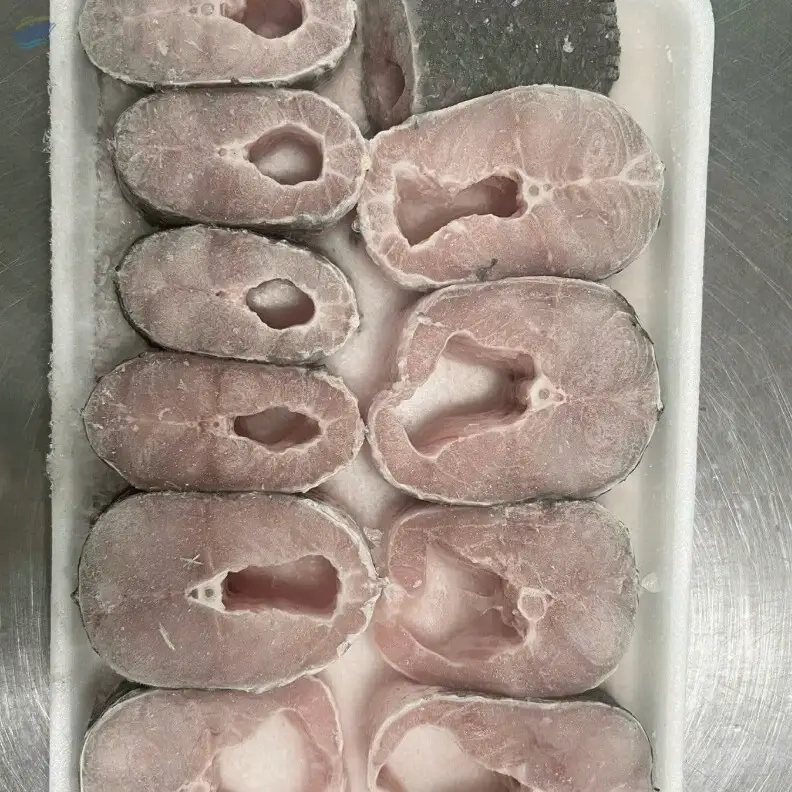
Frozen mullet
Harbor
Frozen mullet
Contact
MOQ: 1 Unit
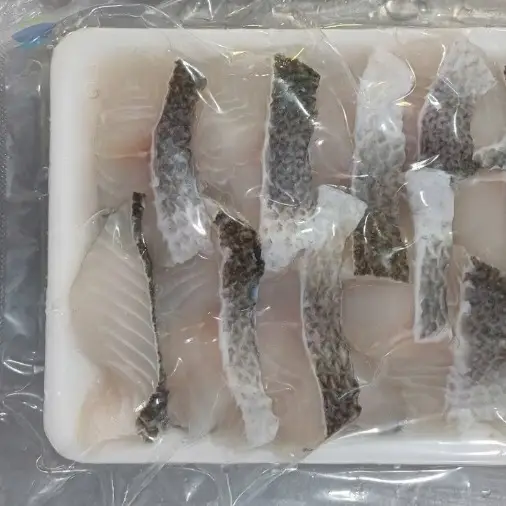
Frozen ribbon fish
Harbor
Frozen ribbon fish
Contact
MOQ: 1 Unit
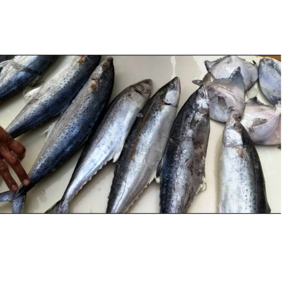
Skipjack tuna
Harbor
Skipjack tuna
Contact
MOQ: 1 Unit

About Al Durr Al Nafees Sea Food - Seafood Supplier in Mauritania

Mauritania‑based Al Durr Al Nafees Sea Food lists five active seafood items in its catalogue. The portfolio includes frozen ribbon fish, skipjack tuna, frozen mullet, frozen octopus and dried baby shark, the latter identified with HS code 0305.59 and described as dried material from small shark species. All products fall under the broader HS chapter 0305 that covers fish and fish products. The supplier is classified as an imported tier with a harbor trust tier, indicating it operates through established import channels. The catalogue reflects a focus on both frozen and dried marine species suitable for bulk international trade.

The product set spans common Atlantic‑origin seafood categories. Frozen ribbon fish and frozen mullet are typically shipped on ice in 10 kg insulated boxes, while frozen octopus is often packed in vacuum‑sealed bags of 20 kg. Skipjack tuna may be offered fresh or frozen, generally within 1 - 2 kg whole fish portions. Dried baby shark, classified under HS 0305.59, is usually supplied in bulk bags with moisture content below 12 %. These specifications align with standard industry handling for high‑value fish products destined for EU, US and Asian markets.

Product Range and Specialties of Al Durr Al Nafees Sea Food

The catalogue presents five distinct items: frozen ribbon fish, skipjack tuna, frozen mullet, frozen octopus and dried baby shark (HS 0305.59). In the seafood trade, frozen ribbon fish is graded by length (typically 25 - 35 cm), ice content (minimum 80 % by weight) and absence of off‑flavours. Skipjack tuna is commonly evaluated by average weight (1.0 - 1.5 kg per fish), colour, and lipid content, with fresh‑cut portions requiring rapid icing. Frozen mullet and frozen octopus are usually supplied in 20 kg vacuum packs, with octopus measured by arm length (10 - 15 cm) and flesh firmness. Dried baby shark is processed to a moisture level under 12 % and packaged in 25 kg polypropylene bags. Industry standards such as BRC Global Standard for Food Safety and HACCP plans are routinely applied to these product types to meet buyer expectations.

Typical trade packaging includes insulated wooden crates for frozen fish, refrigerated containers (reefers) of 20 ft or 40 ft capacity, and bulk bags for dried specimens. Each 20 ft reefer can hold approximately 12 metric tons of frozen fish, while a 40 ft reefer accommodates up to 24 metric tons. Dried shark shipments generally fill standard 1 ton bulk bags, allowing efficient stacking in dry containers. These logistics align with common practices for West African seafood exporters.

Trade and Export Information - Al Durr Al Nafees Sea Food

Mauritania exports a significant share of its Atlantic catch to the European Union, the United States and East Asian markets. Buyers in Spain, France, the United Kingdom, Japan and South Korea regularly import HS 0305 fish products, often requiring compliance with EU Regulation 853/2004, US FDA seafood safety standards, and Japanese Ministry of Health specifications. Commonly requested certifications include HACCP, BRC, ISO 22000 and, where applicable, MSC eco‑label for sustainably sourced species. Export shipments are typically handled under FOB or CIF Incoterms, with refrigerated containers (reefers) maintaining temperatures at - 18 °C for frozen fish and ambient conditions for dried shark.

Mauritanian seafood exporters benefit from established port facilities in Nouadhibou and Nouakchott, which support rapid chilling and ice‑packing operations. Inspection regimes frequently involve pre‑export veterinary certificates, sanitary certificates issued by the national fisheries authority, and third‑party laboratory reports for heavy‑metal residues (e.g., mercury limits of 0.5 ppm for tuna). Documentation is aligned with the World Trade Organization’s SPS Agreement, facilitating smooth customs clearance in major importing regions.

Sourcing from Al Durr Al Nafees Sea Food - Buyer Guidance

When sourcing from Al Durr Al Nafees Sea Food, buyers should request up‑to‑date health certificates, a certificate of origin and laboratory analysis reports covering microbiological counts, histamine levels (for tuna) and heavy‑metal residues. Verify that the supplier can provide HACCP or BRC audit reports, especially for frozen products that will enter regulated markets. Typical minimum order quantities range from 15 metric tons for frozen fish (equivalent to one full 20 ft reefer) to 2 metric tons for dried baby shark, with lead times of 30 - 45 days from order confirmation to shipment.

Confirm packaging details such as insulated crate dimensions, ice load (approximately 10 % of gross weight) and container sealing methods before finalizing the order. Request sample shipments of at least 5 kg per product to evaluate freshness, texture and compliance with size specifications. Maintaining clear communication on documentation and quality test results helps mitigate inspection delays at destination ports.

Frequently Asked Questions About Al Durr Al Nafees Sea Food

What seafood products are listed in the Al Durr Al Nafees Sea Food catalogue?

The catalogue includes frozen ribbon fish, skipjack tuna, frozen mullet, frozen octopus and dried baby shark (HS 0305.59). Each item is presented as a distinct product line suitable for bulk export.

Which HS codes apply to the listed products?

All items fall under HS chapter 0305 for fish and fish products. The dried baby shark is specifically coded as 0305.59, while the other frozen species use the general 0305 heading without a further sub‑code disclosed.

What certifications are typically required for these seafood products?

Importers commonly require HACCP compliance, BRC or ISO 22000 food‑safety certifications, and, for sustainably sourced species, MSC certification. Buyers should request the supplier’s audit reports to confirm these standards.

How are the products usually packaged for shipment?

Frozen fish are packed in insulated wooden crates or vacuum‑sealed 20 kg bags, then loaded into reefers (20 ft or 40 ft) with an ice load of about 10 % of total weight. Dried baby shark is shipped in 25 kg bulk polypropylene bags placed in dry containers.

What are the typical lead times and minimum order quantities?

Lead times are generally 30 - 45 days from order confirmation. Minimum orders are around 15 metric tons for frozen fish (one 20 ft reefer) and 2 metric tons for dried baby shark.

How can a buyer request a sample or detailed specifications?

Buyers should contact the supplier through the trade platform’s messaging system, specifying the desired product, quantity (e.g., 5 kg) and any required test parameters such as moisture or mercury limits.

Which regions are the main import destinations for Mauritanian seafood?

The primary markets are the European Union (especially Spain, France and the UK), the United States, Japan and South Korea, where demand for frozen fish and specialty dried products is strong.

What documentation should be verified before shipment?

Verify the presence of a sanitary certificate, certificate of origin, HACCP/BRC audit report, and laboratory test results for microbiology, histamine (for tuna) and heavy‑metal residues. These documents are essential for customs clearance in most destination countries.

About Al Durr Al Nafees Sea Food - Seafood Supplier in Mauritania

Mauritania‑based Al Durr Al Nafees Sea Food lists five active seafood items in its catalogue. The portfolio includes frozen ribbon fish, skipjack tuna, frozen mullet, frozen octopus and dried baby shark, the latter identified with HS code 0305.59 and described as dried material from small shark species. All products fall under the broader HS chapter 0305 that covers fish and fish products. The supplier is classified as an imported tier with a harbor trust tier, indicating it operates through established import channels. The catalogue reflects a focus on both frozen and dried marine species suitable for bulk international trade.

The product set spans common Atlantic‑origin seafood categories. Frozen ribbon fish and frozen mullet are typically shipped on ice in 10 kg insulated boxes, while frozen octopus is often packed in vacuum‑sealed bags of 20 kg. Skipjack tuna may be offered fresh or frozen, generally within 1 - 2 kg whole fish portions. Dried baby shark, classified under HS 0305.59, is usually supplied in bulk bags with moisture content below 12 %. These specifications align with standard industry handling for high‑value fish products destined for EU, US and Asian markets.

Product Range and Specialties of Al Durr Al Nafees Sea Food

The catalogue presents five distinct items: frozen ribbon fish, skipjack tuna, frozen mullet, frozen octopus and dried baby shark (HS 0305.59). In the seafood trade, frozen ribbon fish is graded by length (typically 25 - 35 cm), ice content (minimum 80 % by weight) and absence of off‑flavours. Skipjack tuna is commonly evaluated by average weight (1.0 - 1.5 kg per fish), colour, and lipid content, with fresh‑cut portions requiring rapid icing. Frozen mullet and frozen octopus are usually supplied in 20 kg vacuum packs, with octopus measured by arm length (10 - 15 cm) and flesh firmness. Dried baby shark is processed to a moisture level under 12 % and packaged in 25 kg polypropylene bags. Industry standards such as BRC Global Standard for Food Safety and HACCP plans are routinely applied to these product types to meet buyer expectations.

Typical trade packaging includes insulated wooden crates for frozen fish, refrigerated containers (reefers) of 20 ft or 40 ft capacity, and bulk bags for dried specimens. Each 20 ft reefer can hold approximately 12 metric tons of frozen fish, while a 40 ft reefer accommodates up to 24 metric tons. Dried shark shipments generally fill standard 1 ton bulk bags, allowing efficient stacking in dry containers. These logistics align with common practices for West African seafood exporters.

Trade and Export Information - Al Durr Al Nafees Sea Food

Mauritania exports a significant share of its Atlantic catch to the European Union, the United States and East Asian markets. Buyers in Spain, France, the United Kingdom, Japan and South Korea regularly import HS 0305 fish products, often requiring compliance with EU Regulation 853/2004, US FDA seafood safety standards, and Japanese Ministry of Health specifications. Commonly requested certifications include HACCP, BRC, ISO 22000 and, where applicable, MSC eco‑label for sustainably sourced species. Export shipments are typically handled under FOB or CIF Incoterms, with refrigerated containers (reefers) maintaining temperatures at - 18 °C for frozen fish and ambient conditions for dried shark.

Mauritanian seafood exporters benefit from established port facilities in Nouadhibou and Nouakchott, which support rapid chilling and ice‑packing operations. Inspection regimes frequently involve pre‑export veterinary certificates, sanitary certificates issued by the national fisheries authority, and third‑party laboratory reports for heavy‑metal residues (e.g., mercury limits of 0.5 ppm for tuna). Documentation is aligned with the World Trade Organization’s SPS Agreement, facilitating smooth customs clearance in major importing regions.

Sourcing from Al Durr Al Nafees Sea Food - Buyer Guidance

When sourcing from Al Durr Al Nafees Sea Food, buyers should request up‑to‑date health certificates, a certificate of origin and laboratory analysis reports covering microbiological counts, histamine levels (for tuna) and heavy‑metal residues. Verify that the supplier can provide HACCP or BRC audit reports, especially for frozen products that will enter regulated markets. Typical minimum order quantities range from 15 metric tons for frozen fish (equivalent to one full 20 ft reefer) to 2 metric tons for dried baby shark, with lead times of 30 - 45 days from order confirmation to shipment.

Confirm packaging details such as insulated crate dimensions, ice load (approximately 10 % of gross weight) and container sealing methods before finalizing the order. Request sample shipments of at least 5 kg per product to evaluate freshness, texture and compliance with size specifications. Maintaining clear communication on documentation and quality test results helps mitigate inspection delays at destination ports.

Frequently Asked Questions About Al Durr Al Nafees Sea Food
What seafood products are listed in the Al Durr Al Nafees Sea Food catalogue?
The catalogue includes frozen ribbon fish, skipjack tuna, frozen mullet, frozen octopus and dried baby shark (HS 0305.59). Each item is presented as a distinct product line suitable for bulk export.
Which HS codes apply to the listed products?
All items fall under HS chapter 0305 for fish and fish products. The dried baby shark is specifically coded as 0305.59, while the other frozen species use the general 0305 heading without a further sub‑code disclosed.
What certifications are typically required for these seafood products?
Importers commonly require HACCP compliance, BRC or ISO 22000 food‑safety certifications, and, for sustainably sourced species, MSC certification. Buyers should request the supplier’s audit reports to confirm these standards.
How are the products usually packaged for shipment?
Frozen fish are packed in insulated wooden crates or vacuum‑sealed 20 kg bags, then loaded into reefers (20 ft or 40 ft) with an ice load of about 10 % of total weight. Dried baby shark is shipped in 25 kg bulk polypropylene bags placed in dry containers.
What are the typical lead times and minimum order quantities?
Lead times are generally 30 - 45 days from order confirmation. Minimum orders are around 15 metric tons for frozen fish (one 20 ft reefer) and 2 metric tons for dried baby shark.
How can a buyer request a sample or detailed specifications?
Buyers should contact the supplier through the trade platform’s messaging system, specifying the desired product, quantity (e.g., 5 kg) and any required test parameters such as moisture or mercury limits.
Which regions are the main import destinations for Mauritanian seafood?
The primary markets are the European Union (especially Spain, France and the UK), the United States, Japan and South Korea, where demand for frozen fish and specialty dried products is strong.
What documentation should be verified before shipment?
Verify the presence of a sanitary certificate, certificate of origin, HACCP/BRC audit report, and laboratory test results for microbiology, histamine (for tuna) and heavy‑metal residues. These documents are essential for customs clearance in most destination countries.

🏭
Al Durr Al Nafees Sea Food
Country flag , Mauritania
Harbor
55/100
Trust Score
📦
5
Products
Free to contact — no commission
Escrow payment available
Verified business identity
Compare more suppliers
Post a requirement — get 10 quotes free
Let verified suppliers compete for your business. Free, fast, no commitment.
EximNext Verified Supplier
Business identity verified
Physical address confirmed
Financial history checked
Certifications authenticated
Trade references validated
Due Diligence
Verify this supplier's real shipping history.
Every shipment, every buyer, every port. Trade data that can't be faked.
Run due diligence →
Discover More

Related Suppliers & Products

Explore similar suppliers, related products and trending categories

Other Suppliers in Fish

Top Trusted Suppliers

Related Products in Fish

Trending in Parent Category

More Suppliers in Parent Category

Stay ahead in global trade
Weekly market insights & new supplier alerts.
EximNext
Exim Next is a leading global B2B marketplace, connecting over 205,000 verified suppliers and buyers across 200+ countries. As a trusted import export marketplace, it serves as the essential B2B portal for businesses worldwide, empowering them to expand their international reach. With Exim Next, businesses can trade smarter and grow faster.
SECURE PAYMENTS
VISAMastercardPayPalSWIFTL/CEscrow
Follow us
© 2026 EximNext