Akka Trade — Verified Supplier
About Akka Trade - Socks Supplier in Turkey
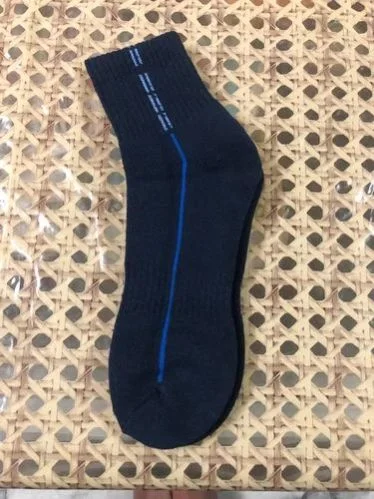
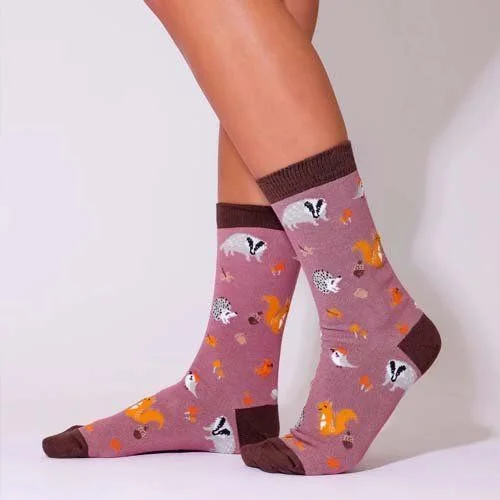
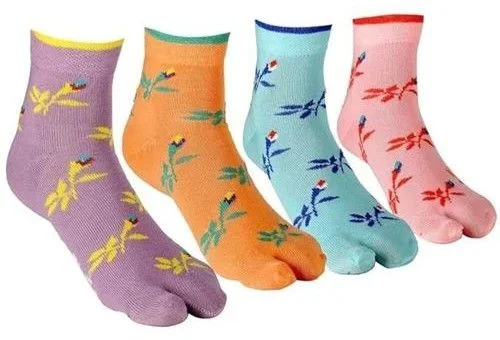
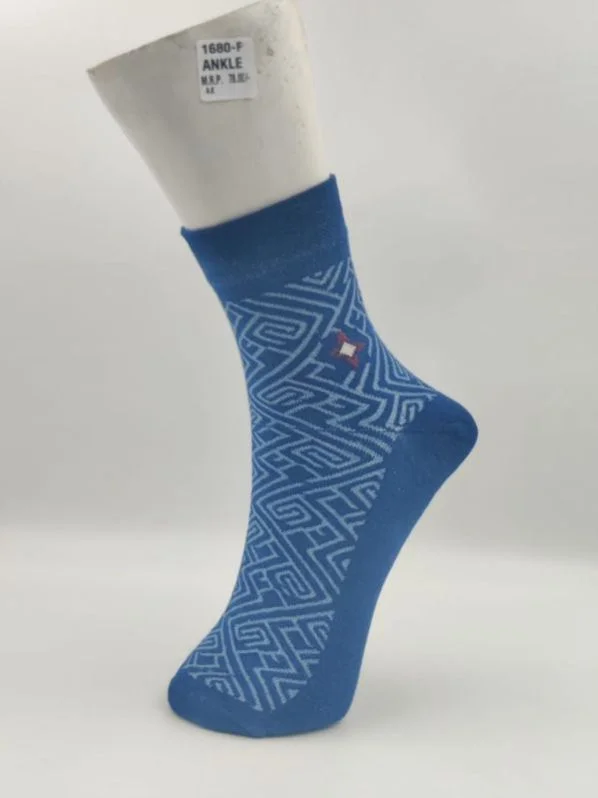
Akka Trade is based in Turkey and currently lists five active sock products in its catalogue. The offering covers Men Socks, Women Socks, Kids Socks, Diabetic Socks, and Bamboo Socks, all classified under the broader socks category. Each product type is recorded without additional sub‑category details, and the supplier’s catalogue does not provide HS codes, so the items fall under the typical HS chapter 61 heading 6115 for knitted or crocheted socks. The supplier is identified with a harbor trust tier, indicating a moderate level of verification within the platform.
The five sock varieties address distinct market segments: standard adult sizes for men and women, size‑specific designs for children, medically‑oriented diabetic socks, and environmentally focused bamboo socks. No further specifications such as material composition percentages or sizing charts are supplied, so buyers must request those details directly. The catalogue’s focus on a single category simplifies the product scope, making it straightforward for importers to evaluate the range against their own specifications.
Product Range and Specialties of Akka Trade
Akka Trade’s catalogue lists five sock types: Men Socks, Women Socks, Kids Socks, Diabetic Socks, and Bamboo Socks. In the textile industry, adult socks are commonly produced from cotton‑blend yarns with a cotton content of 70 % - 80 %, while kids’ socks often use softer cotton or bamboo fibers for comfort. Diabetic socks typically meet medical standards such as EN 14522, featuring seamless toe construction, non‑binding cuffs, and moisture‑wicking properties. Bamboo socks are marketed for their natural antibacterial properties and are usually blended with 30 % - 50 % bamboo viscose and the remainder polyester or cotton. Standard grading for socks includes yarn count (e.g., 30‑40 Ne) and denier, with commercial grades ranging from 0.5 mm to 1.0 mm thickness.
Trade and Export Information - Akka Trade
Socks manufactured in Turkey are exported primarily to the European Union, the Middle East, and North America, where demand for both fashion and functional hosiery is strong. The typical HS code for knitted socks is 6115, which subjects shipments to textile import regulations, including labeling of fiber content and country of origin. Buyers often require certifications such as Oeko‑Tex Standard 100 for chemical safety, ISO 9001 for quality management, and, for diabetic socks, CE marking to confirm compliance with medical device regulations. Turkish textile exporters usually ship in 20‑foot containers with socks packed in poly‑bag units of 500 pairs per box, using FOB or CIF Incoterms.
Sourcing from Akka Trade - Buyer Guidance
When sourcing socks from Akka Trade, buyers should request a detailed specification sheet that lists fiber composition, yarn count, gauge, and any antimicrobial or medical certifications. Sample orders of 50 pairs per style are common practice to verify seam construction, cuff elasticity, and dimensional stability before confirming larger volumes. Verify that the supplier can provide Oeko‑Tex or CE test reports where applicable, and confirm packaging details such as poly‑bag thickness (typically 100 µm) and carton dimensions to ensure efficient container loading.
Frequently Asked Questions About Akka Trade
What sock styles does Akka Trade list in its catalogue?
The catalogue includes Men Socks, Women Socks, Kids Socks, Diabetic Socks, and Bamboo Socks, totaling five active product entries.
Which HS code is normally applied to the socks offered by Akka Trade?
Socks of this type are generally classified under HS chapter 61, heading 6115 for knitted or crocheted socks.
What certifications should a buyer request for the Diabetic Socks?
Buyers should ask for CE marking and any relevant medical device conformity certificates, as well as Oeko‑Tex Standard 100 for textile safety.
What typical material composition is expected for Bamboo Socks?
Bamboo socks are often blended with 30 % - 50 % bamboo viscose and the remainder polyester or cotton, providing softness and antibacterial properties.
How are the socks usually packaged for export?
Export shipments commonly use poly‑bag packs of 500 pairs per box, placed in standard 20‑foot containers with cartons sized to maximize space utilization.
What Incoterms are commonly used for Turkish sock exports?
Suppliers from Turkey frequently employ FOB (Free on Board) or CIF (Cost, Insurance, Freight) terms, depending on the buyer’s preference.
What sample quantity is practical for quality verification?
A sample order of 50 pairs per style allows buyers to assess seam quality, cuff elasticity, and material feel before scaling up.
Which regions import Turkish socks most frequently?
The European Union, the Middle East, and North America are the primary import markets for Turkish‑produced socks.




 , Turkey