Agata Olejniczak — Supplier
About Agata Olejniczak - Millet Supplier in Poland
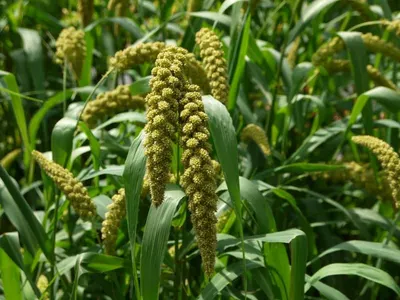
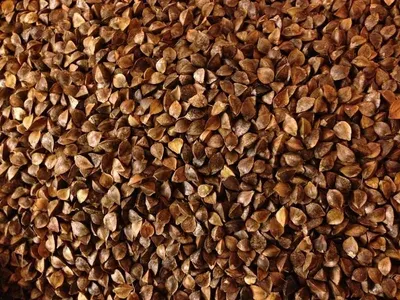
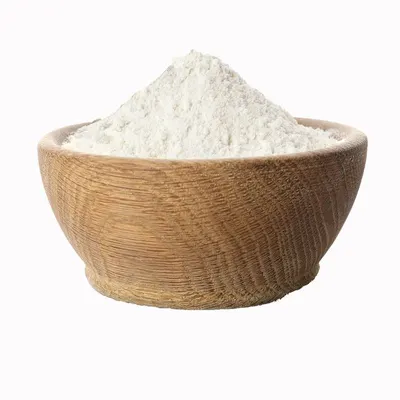
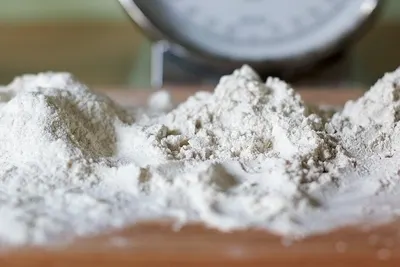
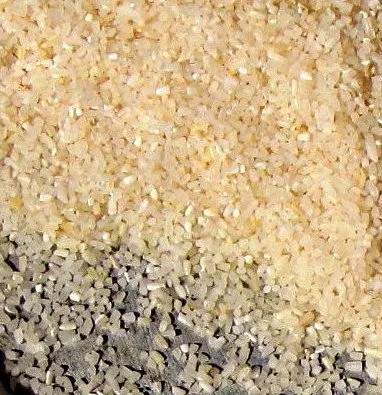
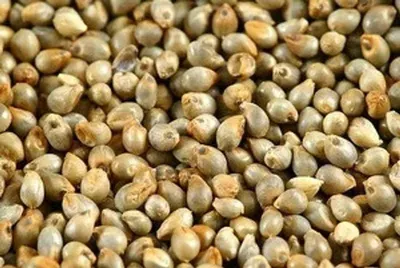
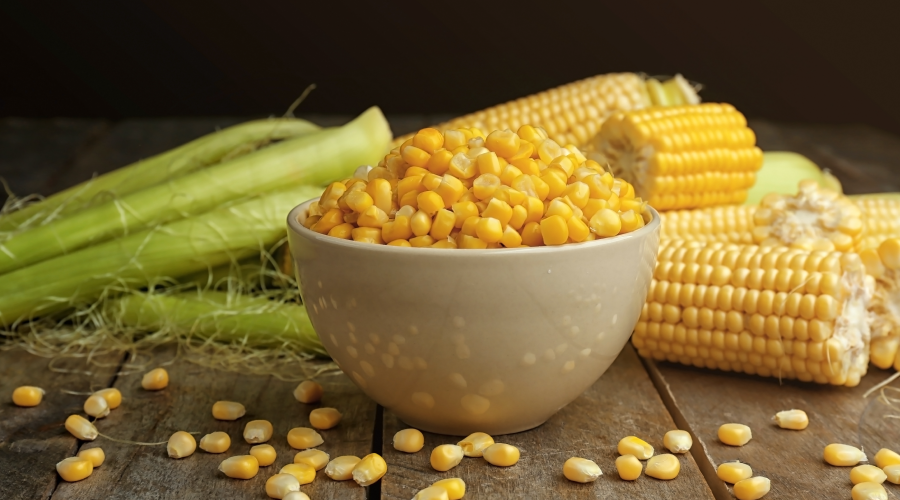
Poland is the source country for Agata Olejniczak, which currently lists seven active organic grain products. The catalogue covers millet, buckwheat, rice flour, corn and baby‑food specific items. Products include Organic Hulled Millet, Organic Buckwheat, Organic White Rice Flour, Organic Brown Rice Flour, Organic Corn Grits, Organic Hulled Millet for Baby Food and Organic Corn Semolina Baby Food. The only product with a specified HS classification is the Organic Corn Semolina Baby Food, recorded under HS code 1103.13 for processed cereal products. All listed items are presented as organic commodities.
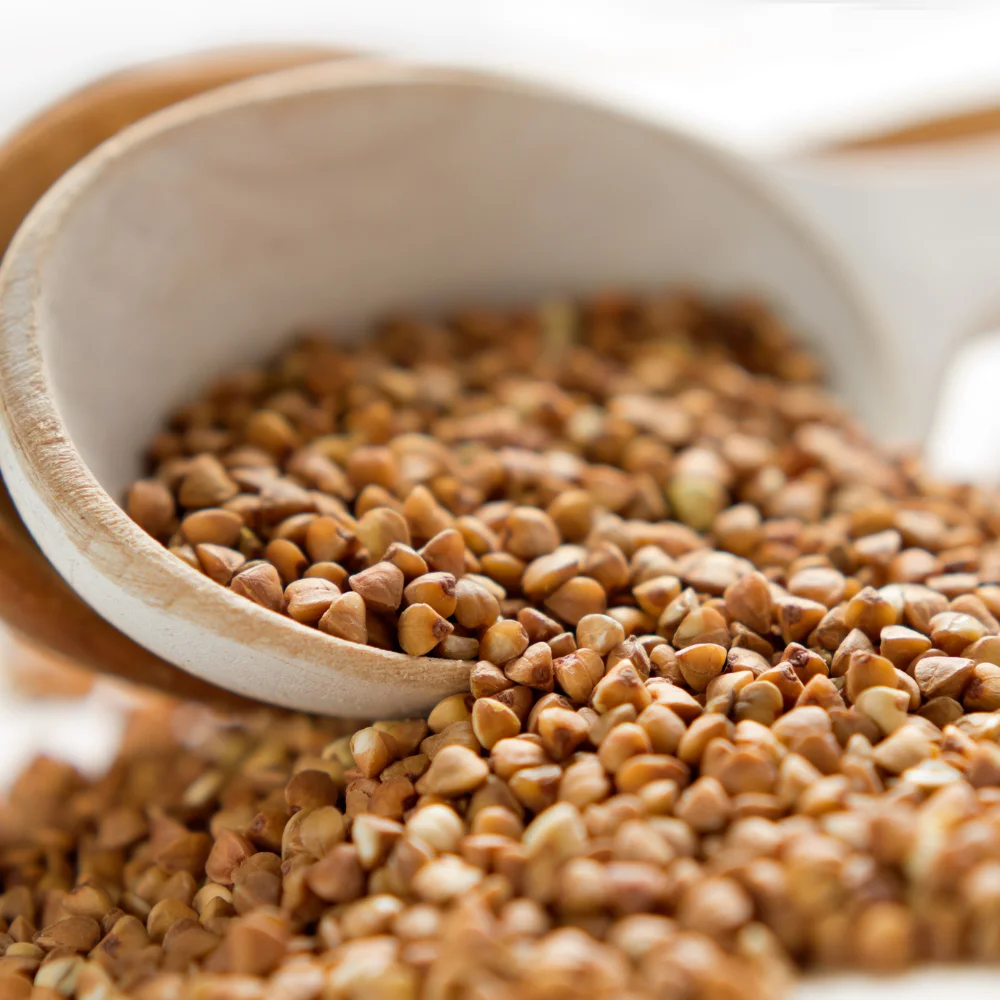
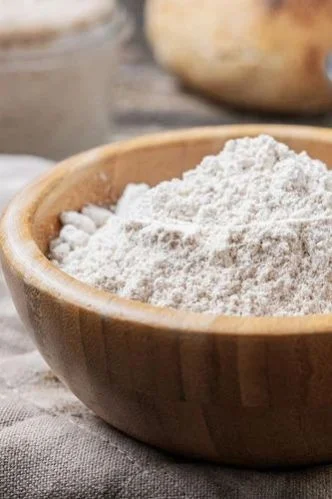
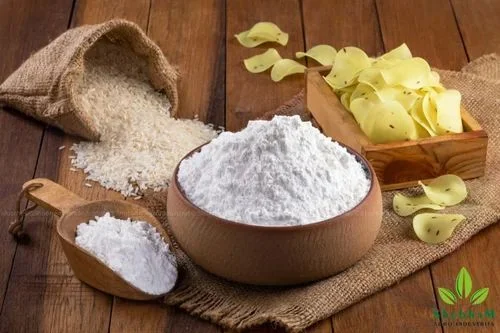
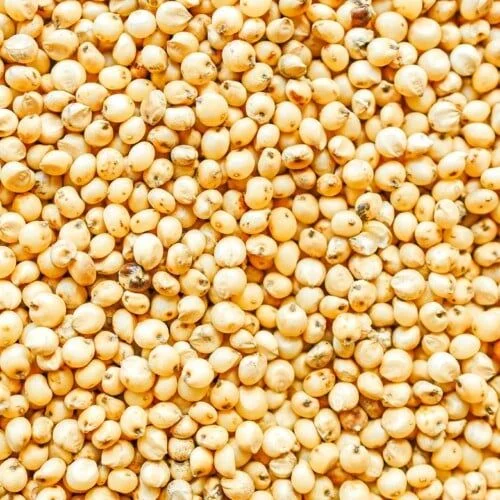
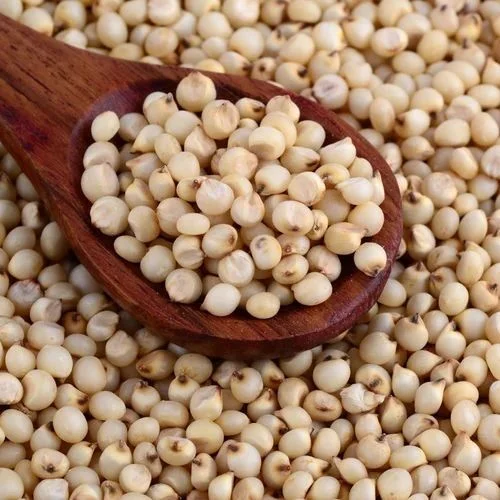
The organic millet offerings are supplied as hulled kernels suitable for milling or direct consumption. Buckwheat is offered as whole grain, while rice flour is available in both white and brown variants, reflecting typical particle size ranges of 80‑120 µm. Corn products include standard grits and a semolina grade formulated for infant nutrition. The baby‑food line comprises millet and corn formulations that meet the stricter purity and microbiological limits applied to infant foods. Each product description aligns with the corresponding HS chapter for cereals and cereal preparations.
Product Range and Specialties of Agata Olejniczak
Agata Olejniczak’s catalogue lists seven organic grain products: Organic Hulled Millet, Organic Buckwheat, Organic White Rice Flour, Organic Brown Rice Flour, Organic Corn Grits, Organic Hulled Millet for Baby Food, and Organic Corn Semolina Baby Food (HS 1103.13, material Organic Corn). The products span whole‑grain cereals and refined flours, with a dedicated baby‑food segment.
In the global organic grain market, hulled millet typically conforms to EU organic standard with moisture below 12 % and ash content under 1.5 %. Buckwheat grain is commonly graded by size (e.g., >2 mm) and low mycotoxin levels. Rice flour for food processing is often specified by particle size distribution (80‑150 µm) and a whiteness index such as ICUMSA 70‑80. Corn grits and semolina are classified under HS 1103 with common grades 1103.19 for grits and 1103.13 for semolina; they are evaluated for protein 7‑9 % and moisture under 14 %. Baby‑food cereal blends must meet Codex Alimentarius limits for heavy metals, pesticide residues and microbial counts, and are frequently required to carry EU organic certification and HACCP compliance.
Trade and Export Information - Agata Olejniczak
Poland is a recognized exporter of organic cereals within the European Union and to markets in the Middle East and North Africa. Export volumes of millet, buckwheat, rice flour and corn products are typically shipped under HS chapter 10 (cereals) and HS 1103 for processed corn preparations. Buyers often require EU organic certification, ISO 22000 or HACCP systems, and compliance with the EU Regulation (EC) No 834/2007 for organic production.
Standard packaging for these commodities includes food‑grade polyethylene bags of 25 kg or bulk containers of 1 ton, with labeling that identifies the HS code, country of origin and organic status. Common Incoterms are FOB or CIF, with sea freight in 20‑ft or 40‑ft containers depending on volume. Importers in the EU, GCC states and Asian food manufacturers typically request a phytosanitary certificate, a certificate of origin and analysis reports for moisture, pesticide residues and microbiological parameters.
Sourcing from Agata Olejniczak - Buyer Guidance
Prospective buyers should request the supplier’s EU organic certificate, a recent laboratory analysis for moisture (≤12 %), pesticide residues below the EU maximum residue limits, and mycotoxin testing results. For the baby‑food line, additional documentation such as a Codex‑compliant infant food safety dossier and a HACCP plan is advisable.
Verification of the HS code (e.g., 1103.13 for the corn semolina) against the purchase order helps ensure proper customs classification. Samples are commonly supplied in 1 kg quantities, with a typical minimum order of 500 kg per product and lead times ranging from 30 to 45 days after order confirmation. Buyers should also confirm packaging integrity and that the shipment meets the temperature and humidity conditions required for organic grain preservation.
Frequently Asked Questions About Agata Olejniczak
What organic certifications does Agata Olejniczak hold for its grain products?
The supplier’s certification details are not listed in the provided data. Buyers should request a current EU organic certificate and any additional certifications such as ISO 22000 or HACCP that are relevant to food safety.
Which HS code applies to the Organic Corn Semolina Baby Food?
The Organic Corn Semolina Baby Food is classified under HS code 1103.13, which covers semolina and similar processed corn products.
What are the typical specifications for the Organic White Rice Flour?
Organic White Rice Flour is generally specified by a particle size of 80‑150 µm, moisture content not exceeding 12 %, and a whiteness index around ICUMSA 70‑80. Compliance with EU organic standards is also expected.
How is the baby‑food corn semolina classified for customs?
For customs purposes the product falls under HS chapter 11, specifically code 1103.13 for processed corn semolina, and is treated as a food‑grade ingredient for infant nutrition.
What packaging formats are offered for the millet and buckwheat products?
Typical packaging for organic millet and buckwheat includes food‑grade polyethylene bags of 25 kg or bulk sacks of 1 ton, each clearly labeled with HS code, origin and organic status.
What documentation should be requested before placing an order?
Buyers should ask for the EU organic certificate, a recent analysis report covering moisture, pesticide residues and mycotoxins, a phytosanitary certificate, and a certificate of origin. For baby‑food items, a Codex‑compliant safety dossier and HACCP plan are advisable.
What is the usual lead time and minimum order quantity for these products?
Lead times are typically 30‑45 days after order confirmation. Minimum order quantities are usually around 500 kg per product, though exact figures should be verified with the supplier.
Which markets commonly import Polish organic grains like those offered by this supplier?
Polish organic cereals are frequently exported to European Union members, the Gulf Cooperation Council states, and Asian food manufacturers, especially those producing bakery goods, infant foods and health‑food products.




 , Poland