Advance Manufaturing — Supplier
About Advance Manufaturing - Aluminum Scrap Supplier in United States
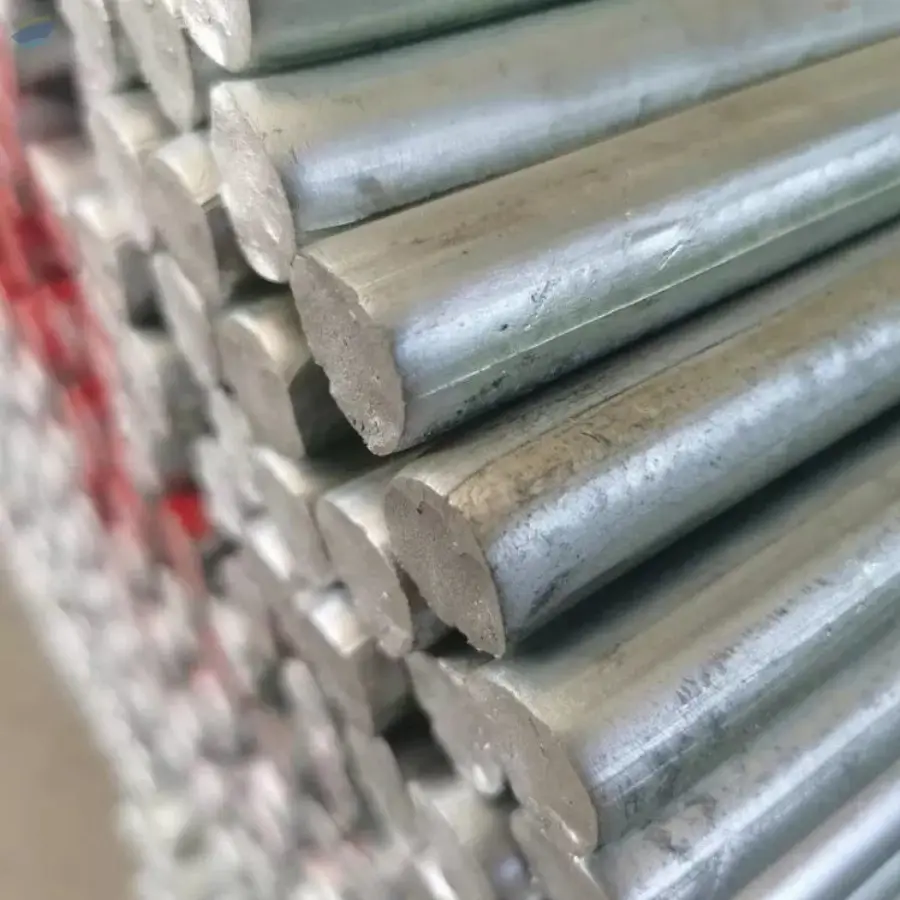
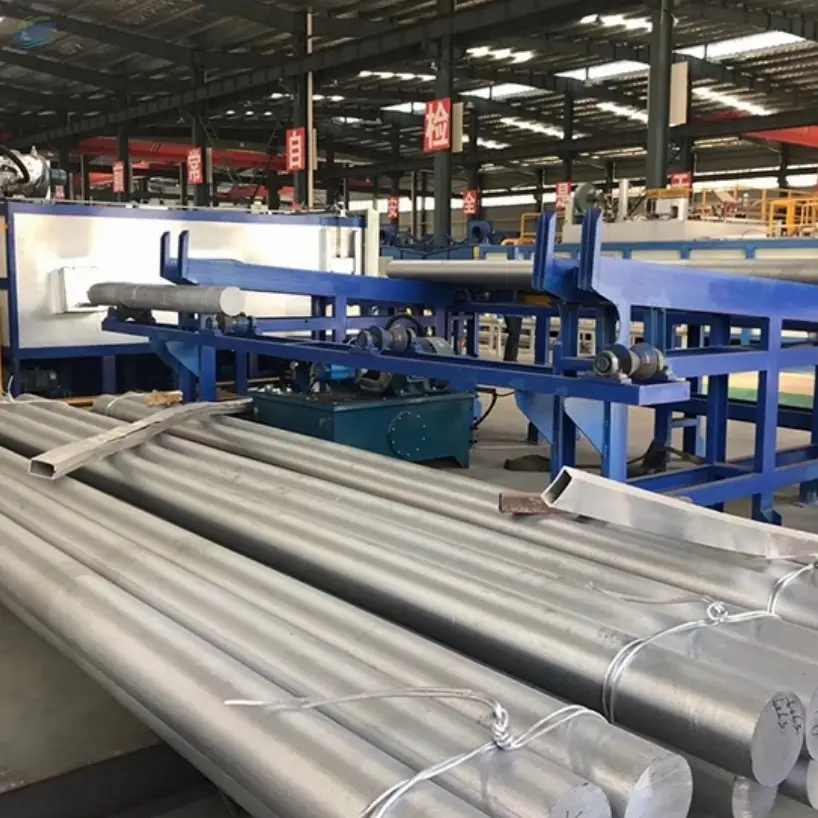
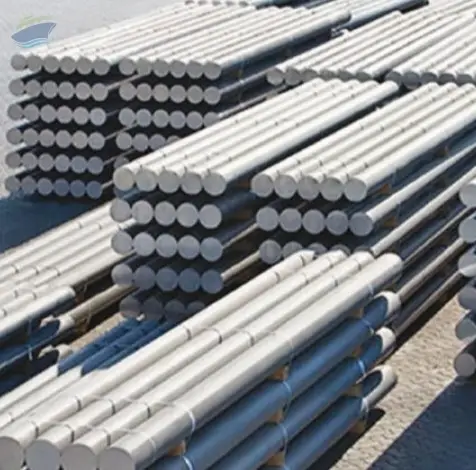
Based in Texas, United States, Advance Manufaturing lists eight distinct product entries in its online catalogue. The supplier’s top categories include Aluminum Scrap, Aluminum Bars, Aluminium Alloy, Aluminum Machinery, Aluminium Wheel Scrap, Aluminum, Aluminum Hardwares, and Rubber Scrap. All eight catalogue items fall under these broader categories and are identified by specific HS‑code families. The company is classified as an organic tier supplier within the harbor trust tier. Its catalogue combines metal, polymer and rubber scrap streams that are commonly traded in bulk.
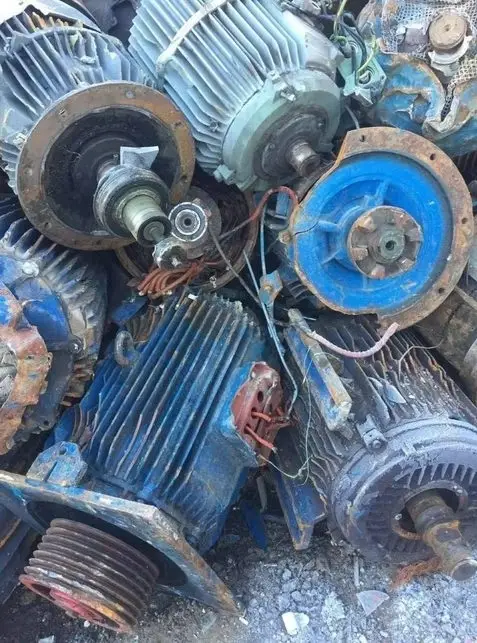
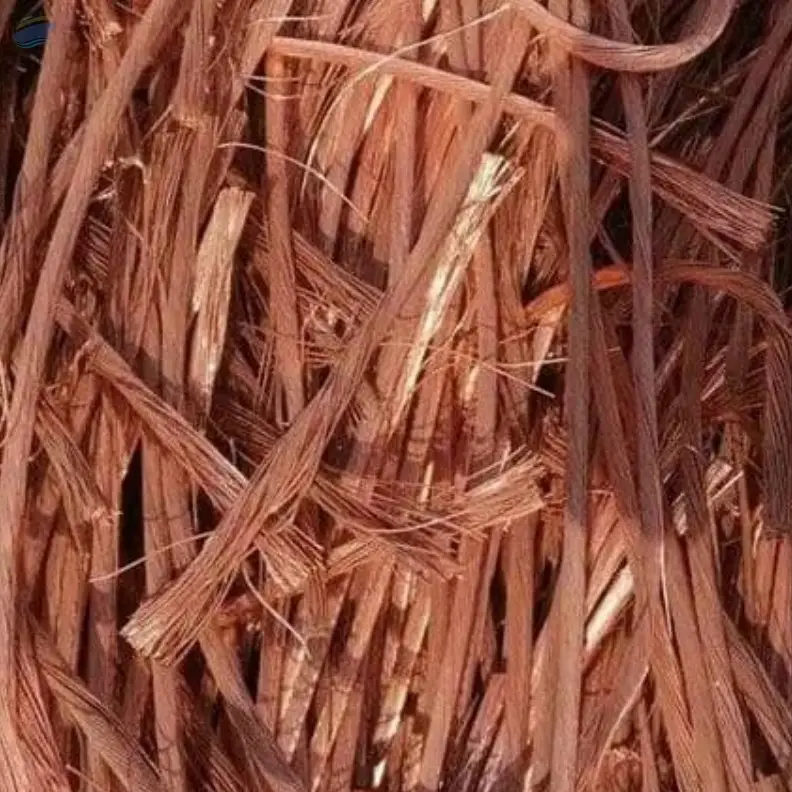
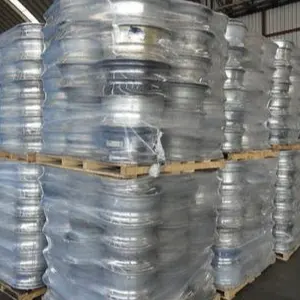
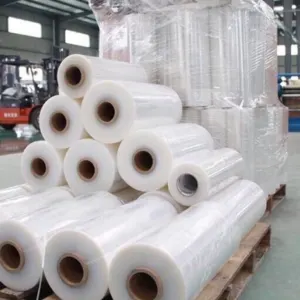
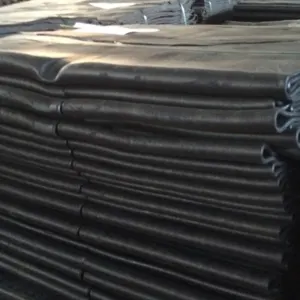
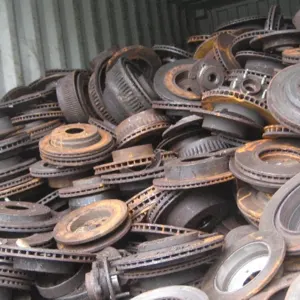
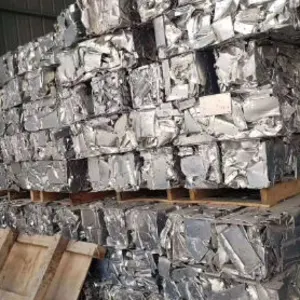
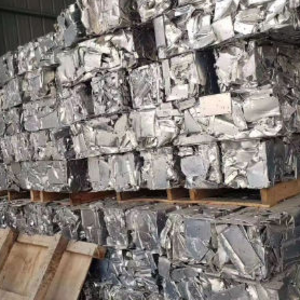
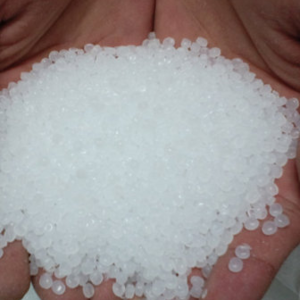
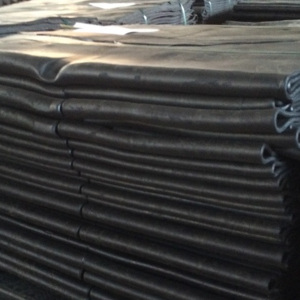
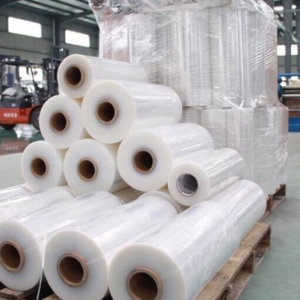
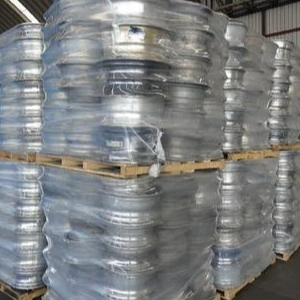
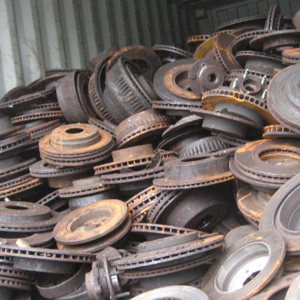
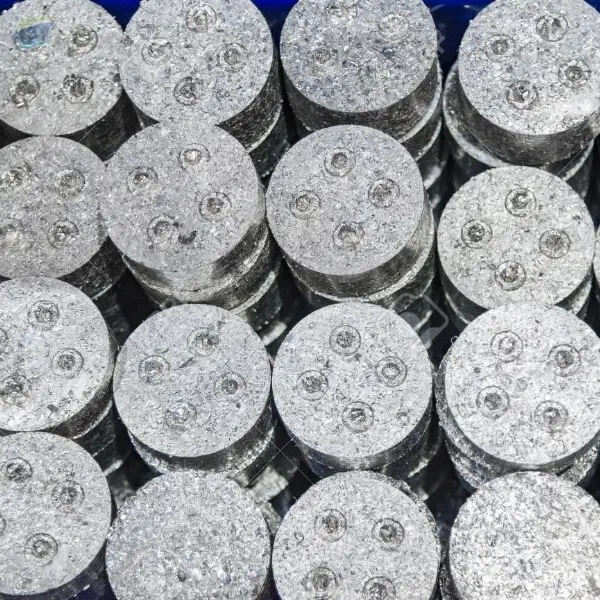
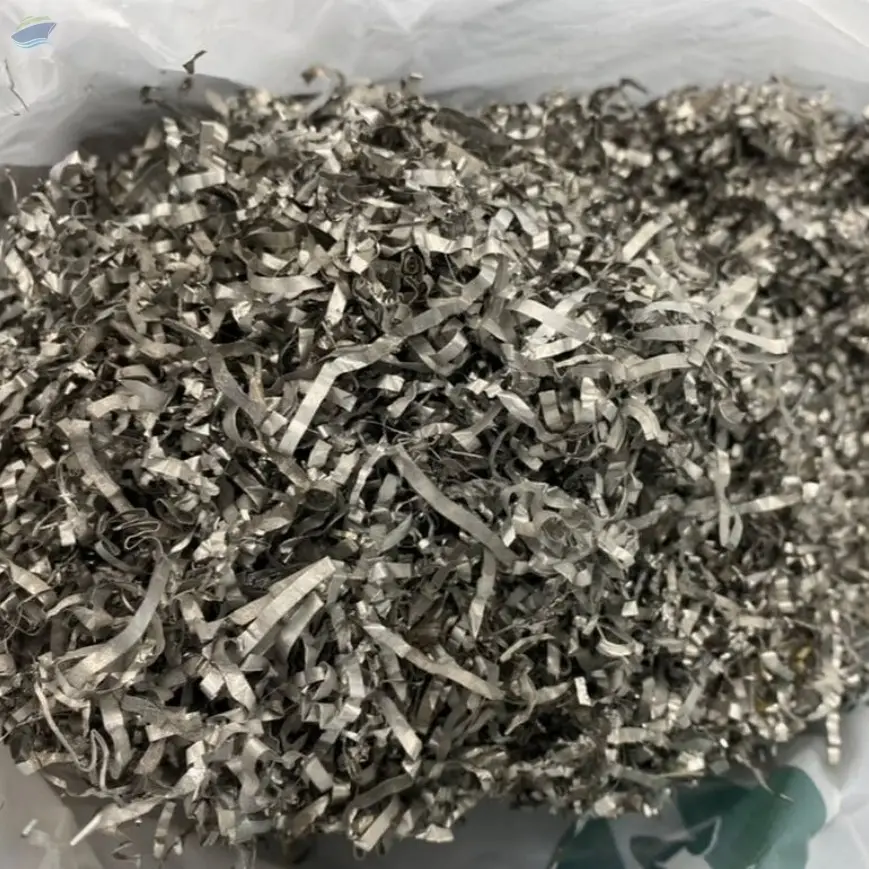
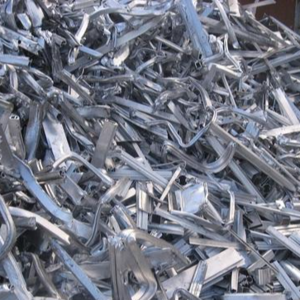
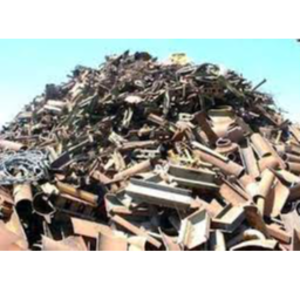
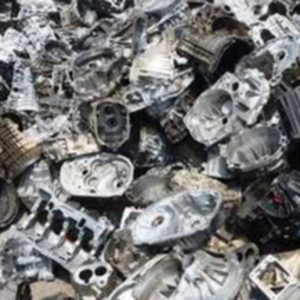
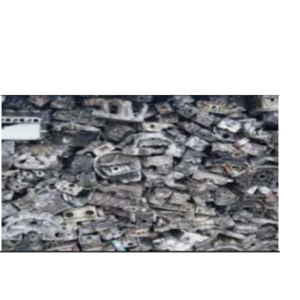
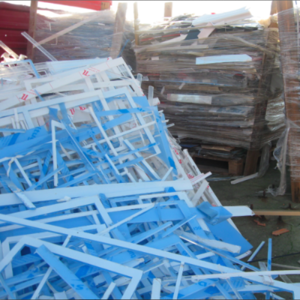
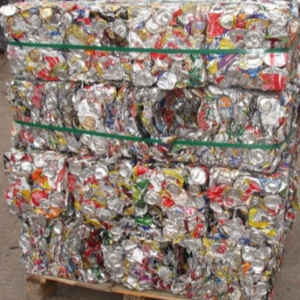
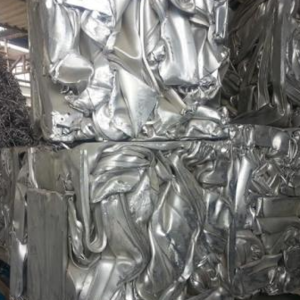
The current catalogue records aluminium scrap 6063 (HS 7602.00) described as aluminum 6063 scrap, cast iron scrap (HS 7204.49), LDPE granule scrap (HS 3915.10), uncured rubber compound (HS 4005.10), BOPP film roll scrap (HS 3915.90) and three entries for aluminium alloy wheels scrap all coded under HS 7602.00 (or 7602.00.00). Each entry specifies the material type, allowing buyers to match the product to standard industry grades such as 6063‑T5 aluminium alloy or typical wheel alloy compositions. The repeated wheel entries indicate multiple listings for the same material class. No additional certifications are listed for the supplier.
Product Range and Specialties of Advance Manufaturing
Advance Manufaturing’s catalogue covers five material families: aluminium scrap (including 6063 alloy), cast iron scrap, polyethylene (LDPE) granule scrap, uncured rubber compounds and biaxially‑oriented polypropylene (BOPP) film roll scrap, plus aluminium alloy wheel scrap. In the aluminium sector, 6063 scrap is usually supplied with a minimum aluminium purity of 99.5 % and thickness tolerances of ±0.2 mm; buyers often request a chemical analysis conforming to ASTM B595. Cast iron scrap under HS 7204.49 is typically classified by grade (e.g., #1, #2) and may be subject to moisture content limits of 0.5 % for bulk shipments. LDPE granule scrap (HS 3915.10) is graded by melt‑flow index (MFI 0.5 - 5 g/10 min) and density (0.915 - 0.925 g/cm³). Uncured rubber compounds (HS 4005.10) are evaluated by Mooney viscosity and free‑film thickness, while BOPP film roll scrap (HS 3915.90) is described by film thickness (10 - 30 µm) and gauge uniformity. Aluminium alloy wheel scrap shares the same HS 7602.00 classification and is typically inspected for alloy composition (e.g., Al‑Si‑Mg) and wheel rim dimensions.
Trade and Export Information - Advance Manufaturing
The United States is a major exporter of secondary aluminium and ferrous scrap, with the European Union, China and Turkey being the largest import destinations for HS 7602 and HS 7204 streams. Export shipments are usually packed in 20‑ft or 40‑ft containers on wooden pallets, or in bulk roll‑on/roll‑off vessels for larger volumes. Common buyer requirements include an SGS or Bureau Veritas pre‑shipment inspection, a Certificate of Origin, and compliance with REACH or the EU’s Waste Framework Directive for metal scrap. For polymer scraps such as LDPE and BOPP, buyers often request a Material Safety Data Sheet (MSDS) and confirmation of compliance with ASTM D696 for melt‑flow testing. Typical Incoterms used by US scrap exporters are FOB Texas Gulf Coast or CIF Mediterranean ports, reflecting the logistical hubs in the Gulf region.
Sourcing from Advance Manufaturing - Buyer Guidance
When sourcing from Advance Manufaturing, request a recent laboratory analysis for the aluminium 6063 scrap that includes percentages of Si, Fe, Cu, Mn and Zn, as well as a tensile strength report if the alloy is to be re‑melted. For cast iron scrap, ask for a grade certification and moisture content measurement to ensure compliance with buyer‑specified limits. Polymer buyers should obtain an MFI test report for the LDPE granule scrap and a film thickness distribution report for the BOPP roll scrap. Rubber purchasers normally require a Mooney viscosity chart and a vulcanization‑potential assessment. Verify that the supplier can provide an SGS inspection certificate, a valid Certificate of Origin and, where applicable, a REACH compliance declaration before finalising the order.
Frequently Asked Questions About Advance Manufaturing
What HS codes are assigned to the aluminium scrap products offered by Advance Manufaturing?
Aluminium scrap 6063 and aluminium alloy wheel scrap are listed under HS 7602.00 (with one entry using the extended code 7602.00.00). Cast iron scrap uses HS 7204.49, LDPE granule scrap HS 3915.10, uncured rubber compound HS 4005.10 and BOPP film roll scrap HS 3915.90.
Which specifications are typically required for 6063 aluminium scrap?
Buyers usually request a chemical composition analysis showing at least 99.5 % aluminium purity, Si content below 0.7 %, and compliance with ASTM B595. Thickness tolerance of ±0.2 mm and a tensile strength of 190‑210 MPa are common benchmarks.
How is cast iron scrap graded for export?
The common grading system distinguishes Grade 1 (clean, low‑contamination) and Grade 2 (higher impurity) based on visual inspection and a maximum moisture content of 0.5 % by weight, documented in a laboratory report.
What test data should I request for the LDPE granule scrap?
A melt‑flow index (MFI) measured at 190 °C/2.16 kg, density between 0.915 and 0.925 g/cm³, and an ASTM D696 report are standard data points for LDPE scrap.
Which certifications are typically required for aluminium scrap shipments from the United States?
Buyers often ask for an SGS pre‑shipment inspection report, a Certificate of Origin, and confirmation that the material complies with REACH or the EU Waste Framework Directive. ISO 9001 certification is also frequently requested, although the supplier does not list it in the provided facts.
What documentation is needed for the uncured rubber compound?
A Mooney viscosity test (ASTM D1646), a rubber composition sheet showing polymer type and filler content, and an MSDS are standard documents. An SGS inspection certificate may also be required for customs clearance.
What are the typical packaging and shipping methods for these scrap materials?
Metal scraps are usually bundled in steel cages or placed in bulk containers, while polymer and rubber scraps are packed in woven polypropylene bags (25‑50 kg each) or on pallets. Shipments are commonly sent FOB from Texas ports in 20‑ft or 40‑ft containers, or via roll‑on/roll‑off vessels for larger volumes.
What is a reasonable minimum order quantity (MOQ) for the aluminium alloy wheel scrap?
Exporters of wheel scrap often set an MOQ of 10 metric tonnes, which aligns with container load capacities and allows efficient handling during loading and customs inspection.




 , United States



.jpg.png)