Agriculture›
 Apparel and fashion accessories›
 Construction & real estate›💡Electronic & Electrical›🍎Food & Beverages›🛋️Home furnishing & supplies›⚗️Industrial goods & chemical›🪨Minerals & metals›📦Miscellaneous›Agriculture›Apparel and fashion accessories›Construction & real estate›💡Electronic & Electrical›🍎Food & Beverages›🛋️Home furnishing & supplies›⚗️Industrial goods & chemical›🪨Minerals & metals›📦Miscellaneous›
ABS-MarketingLtd Product Catalog


About ABS-MarketingLtd - Poultry Supplier in Canada
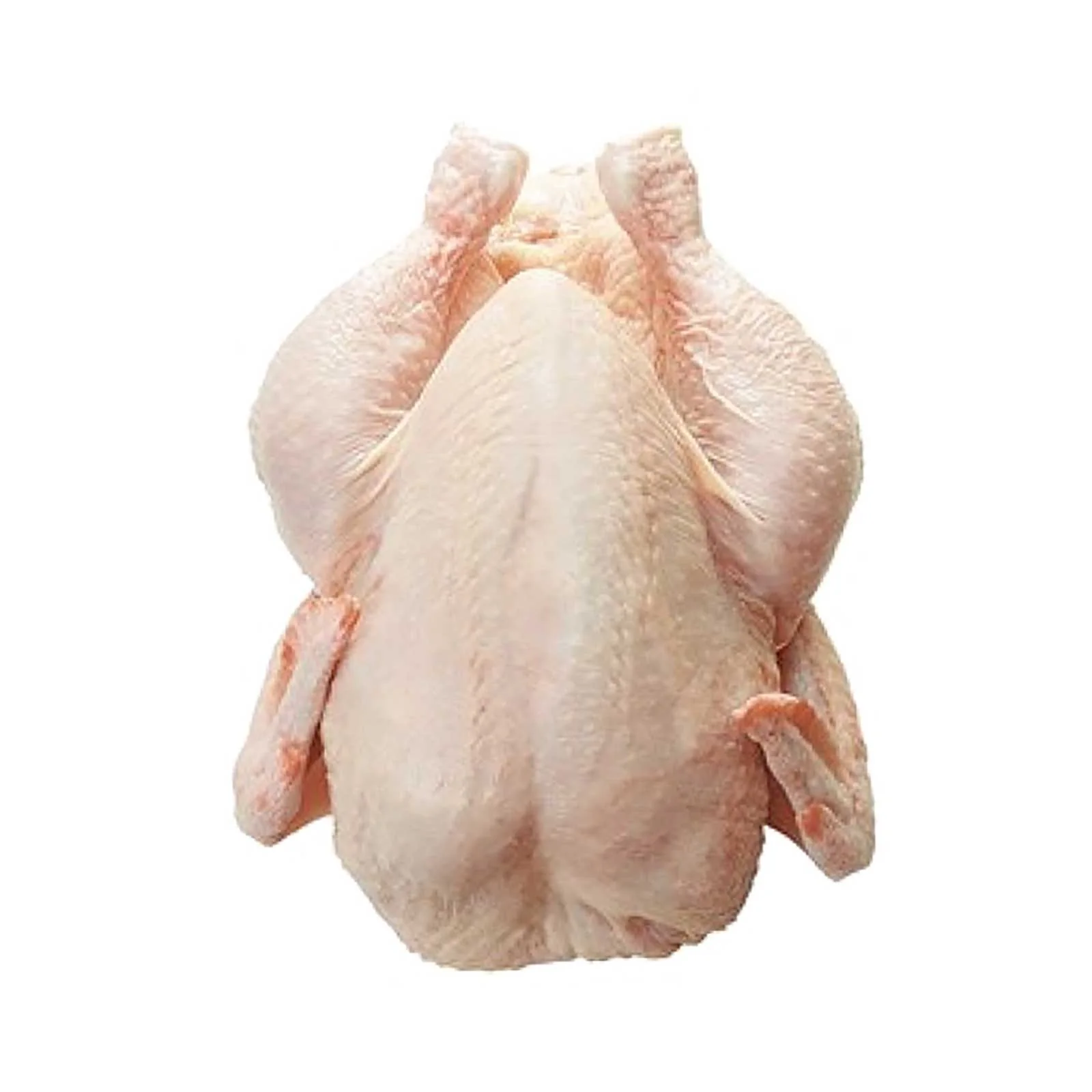
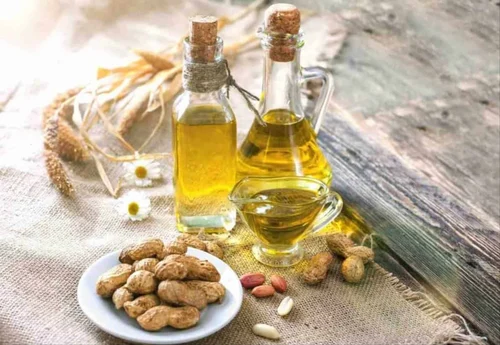
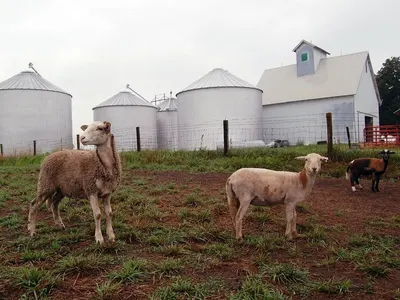
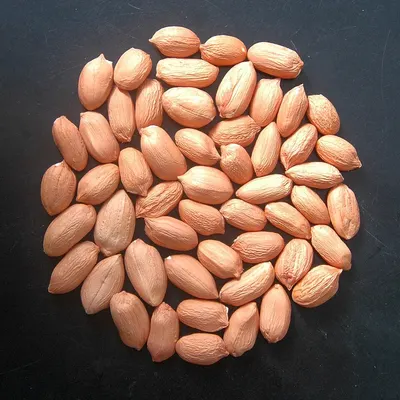
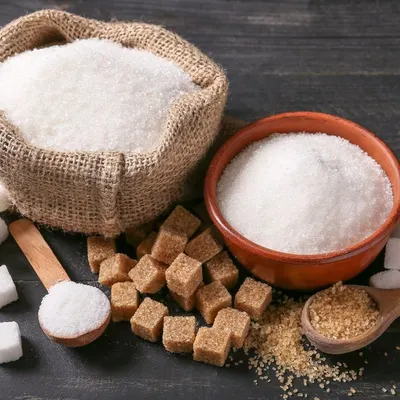
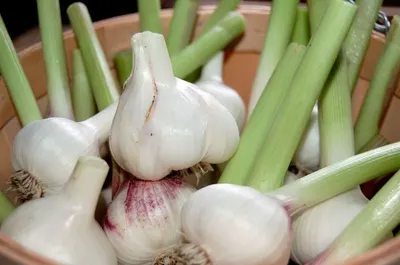
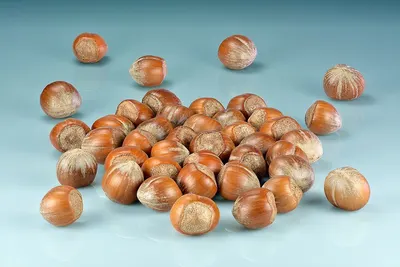
Based in Canada, ABS-MarketingLtd lists 16 active products across several agricultural and food categories. The catalogue spans poultry items, a variety of tree nuts, edible oils, spices, fresh produce, live animals and animal feed. Products include frozen chicken feet and paws, whole frozen chicken, fresh chicken eggs, refined sunflower oil, groundnut peanuts, walnuts in shell, pine nut kernels, pistachio nuts, Brazilian refined cane sugar, white garlic, black pepper, hazelnuts, macadamia nuts and a live stock offering of 100 % full‑blood Boer goats. The only product with a disclosed HS code is animal feed barley, classified under HS 1003.90 as feed‑grade barley grain. The remaining items fall under standard HS chapters for meat (0207), nuts (0802), edible oil (1509), spices (0904), sugar (1701), garlic (0703), pepper (0904), eggs (0407) and live animals (0102).
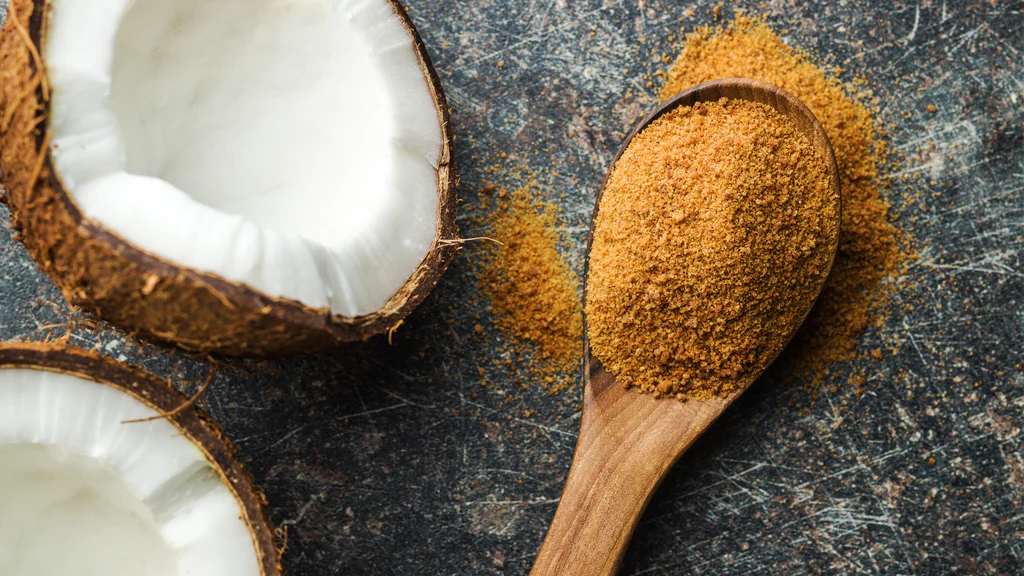
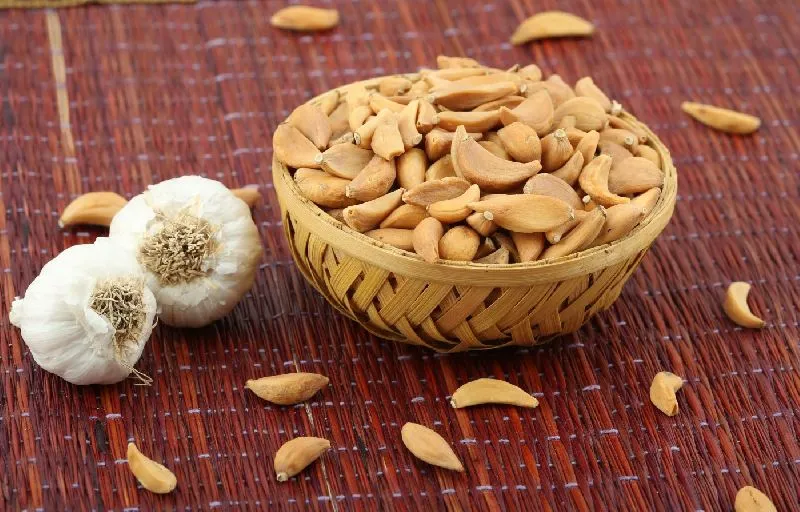
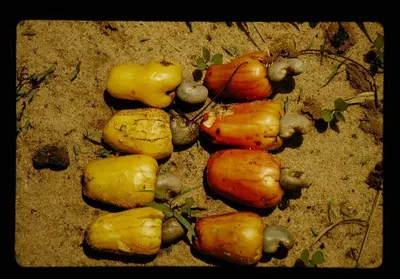
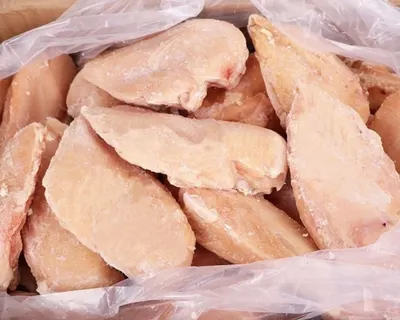
The supplier’s poultry segment comprises frozen chicken feet & paws, whole frozen chicken and fresh eggs, each typically packed for chilled or frozen transport. The nut segment lists cashew (WW320 grade), walnuts, pistachios, hazelnuts, macadamia and pine nut kernels, commonly exported in 10 kg or 20 kg vacuum‑sealed bags. Sunflower oil is offered as a refined product, generally meeting a free‑fatty‑acid level below 0.1 % and an iodine value around 100‑110. Groundnut peanuts, garlic and black pepper are listed as raw commodities, while Brazilian cane sugar is described as refined, usually with a purity of 99.8 %. Live Boer goats are presented as full‑blood stock for meat production, and the feed barley is specified as feed‑grade grain for livestock rations.
Product Range and Specialties of ABS-MarketingLtd
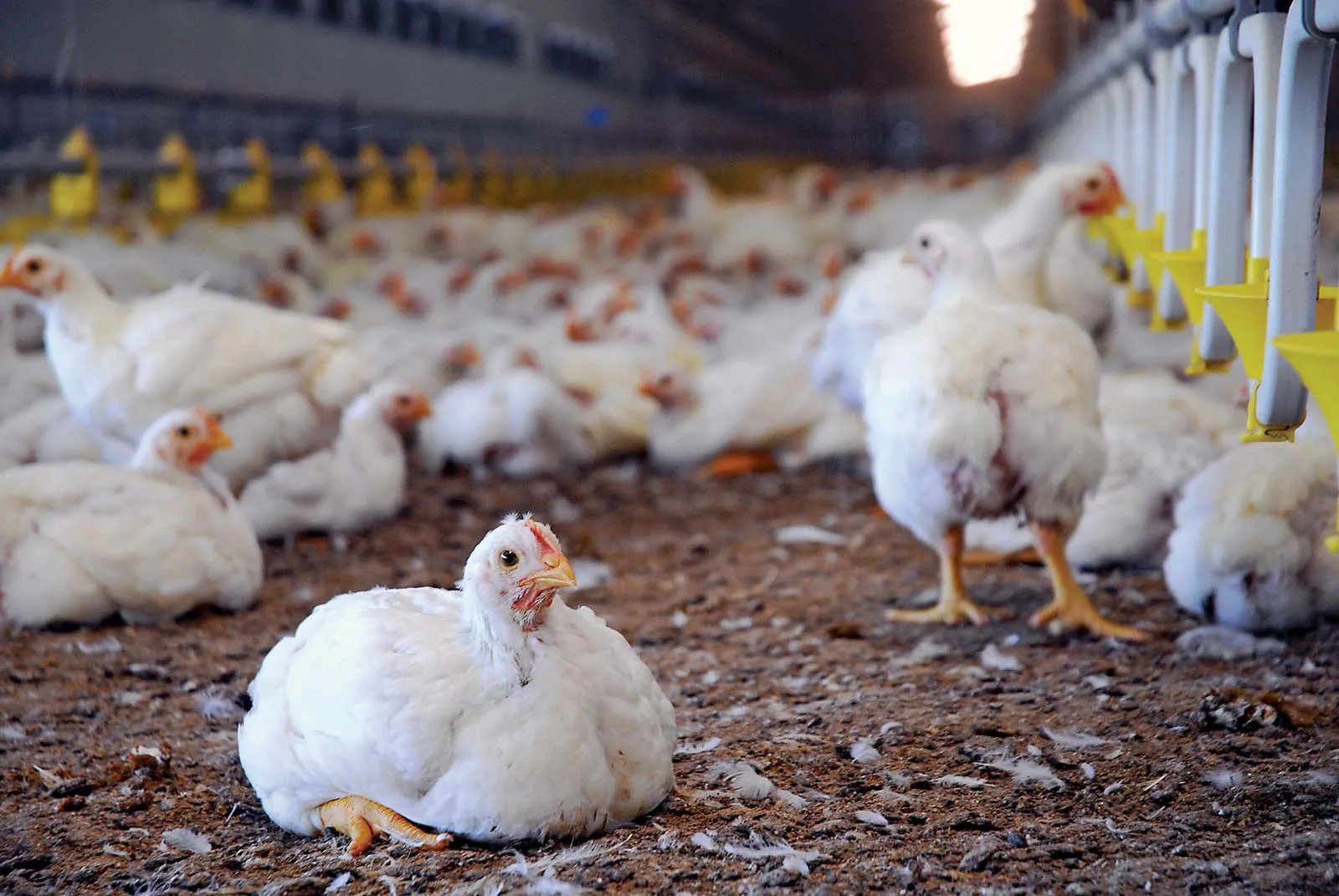
The poultry items - frozen chicken feet & paws, whole frozen chicken and fresh chicken eggs - correspond to HS 0207.90 for other poultry meat and HS 0407 for eggs. International buyers typically require HACCP compliance, ISO 22000 certification and a health certificate issued by the Canadian Food Inspection Agency. Standard export packaging includes insulated containers with temperature control for frozen meat, and carton packs for eggs meeting a shell‑strength test of at least 4 kg cm⁻².
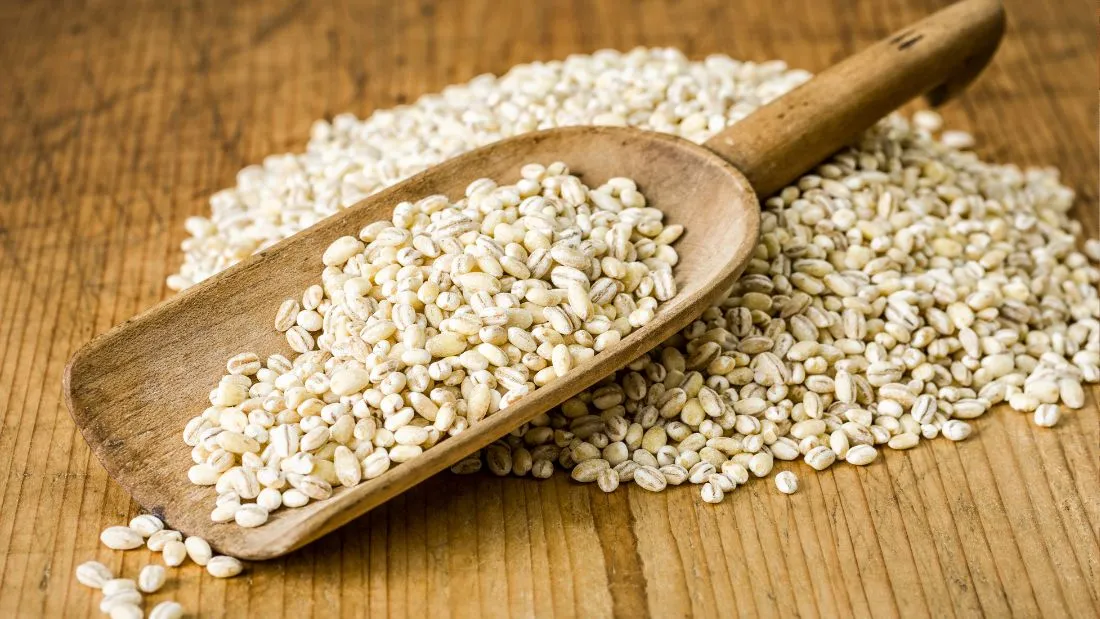
Nuts such as cashew (WW320 grade), walnuts, pistachios, hazelnuts, macadamia and pine nut kernels fall under HS 0802.40‑80 and are usually graded by size, moisture (<5 %) and defect count. Buyers often request a phytosanitary certificate, a commodity‑specific lab report for aflatoxin (limit ≤ 10 ppb for most markets), and compliance with EU or US pesticide residue limits. Refined sunflower oil (HS 1509.90) is expected to have free fatty acid ≤ 0.1 % and peroxide value ≤ 10 meq O₂/kg. Groundnut peanuts, garlic and black pepper (HS 0703, HS 0904) are subject to similar phytosanitary and residue testing. The feed barley (HS 1003.90) is supplied in 25 t bulk bags, meeting the Canadian Feed Grain Standards for moisture (<14 %).
Frequently Asked Questions About ABS-MarketingLtd
What product categories does ABS-MarketingLtd offer?
The catalogue includes frozen poultry (chicken feet, whole chicken, eggs), a range of tree nuts (cashew WW320, walnuts, pistachios, hazelnuts, macadamia, pine nut kernels), refined sunflower oil, groundnut peanuts, garlic, black pepper, refined cane sugar, live Boer goats and feed‑grade barley (HS 1003.90).
Which HS codes apply to the listed products?
The main HS code families are 0207.90 for frozen poultry meat, 0407 for eggs, 0802 for nuts, 1509.90 for refined sunflower oil, 0703 for garlic, 0904 for black pepper, 1701 for refined cane sugar and 1003.90 for feed‑grade barley; live goats fall under HS 0102.
What certifications should a buyer request for the poultry items?
Buyers typically ask for a HACCP or ISO 22000 audit report, a Canadian Food Inspection Agency health certificate and a temperature monitoring log for frozen shipments.
What quality specifications are common for the cashew nuts listed as WW320?
WW320 denotes a worldwide size grade where the nut kernel passes through a 320‑mesh sieve, with moisture below 5 % and a maximum of 2 % broken kernels.
How is the refined sunflower oil packaged for export?
It is usually packed in stainless‑steel drums of 200 L or food‑grade IBC containers, with free fatty acid ≤ 0.1 % and peroxide value ≤ 10 meq O₂/kg, and shipped in a refrigerated container to maintain stability.
 Canada
Related Suppliers & Products
Explore similar suppliers, related products and trending categories