Zishanzariart — Supplier

About Zishanzariart - Wedding Dresses & Accessories Supplier in India

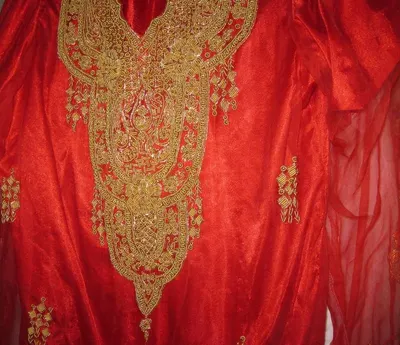
Zishanzariart is an India-based supplier with 8 active product listings concentrated in women's ethnic and bridal wear, spanning the categories Wedding Dresses & Accessories, Ladies Salwar, Suits, Dupattas & Sarees, Shawls, Other Ladies Dresses, and Ladies Kurti. The catalogue is built around bridal and occasion-wear silhouettes, including bridal trail gowns in velvet and other fabrics, lehenga choli sets in both standard and Marjina-style long-trail cuts, a kurti-trail dress, a gharara kurti, and a pashmina shawl (Darbar) listed under the shawls category. All eight items fall within the textile and clothing chapter of the Harmonized System, which covers HS chapters 61 (knitted apparel) and 62 (woven apparel), with shawls typically classified under HS 6117 (knitted accessories) or 6214 (woven shawls/scarves) depending on construction. The product mix points to a supplier oriented toward the South Asian bridal and festive-wear segment, where buyers typically source coordinated sets rather than single garments. The presence of velvet variants alongside traditional bridal fabrics, plus the inclusion of a pashmina shawl, indicates the supplier covers both heavy occasion wear and lighter accessory pieces. India is one of the world's largest producers and exporters of women's ethnic wear, with manufacturing concentrated in regions such as Lucknow, Jaipur, Surat, and Ahmedabad, and Zishanzariart's catalogue reflects the kind of product mix commonly seen from these clusters.

Product Range and Specialties of Zishanzariart

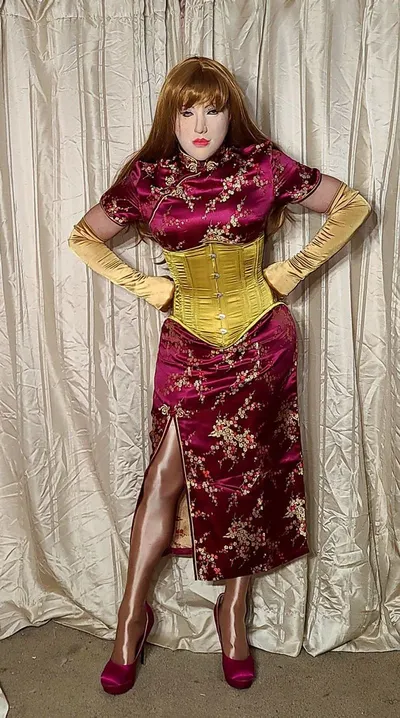
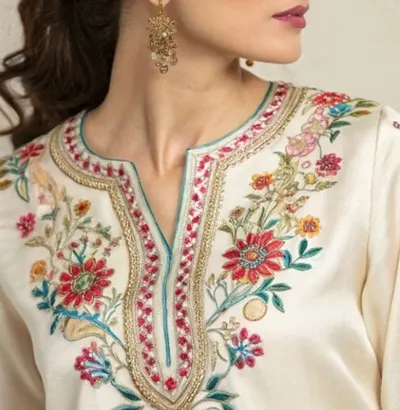
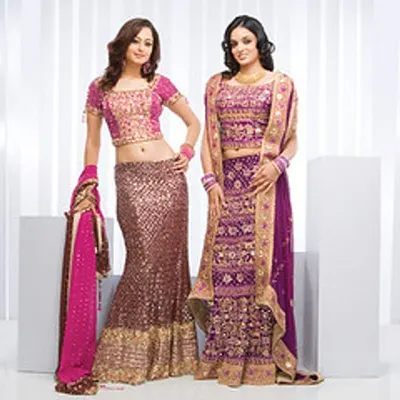
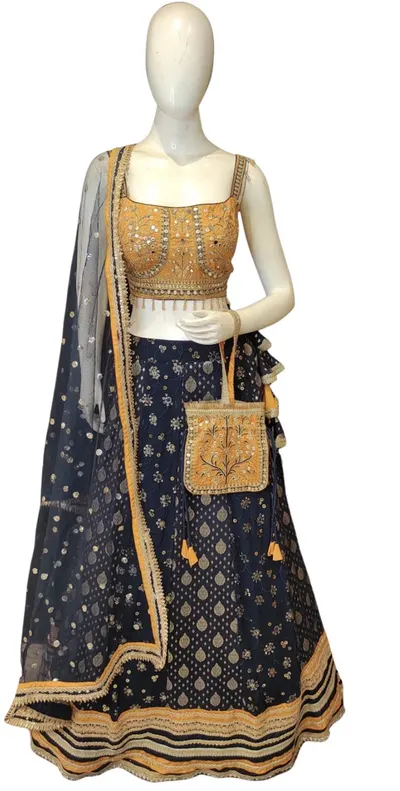
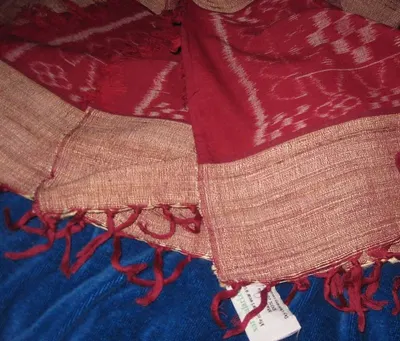
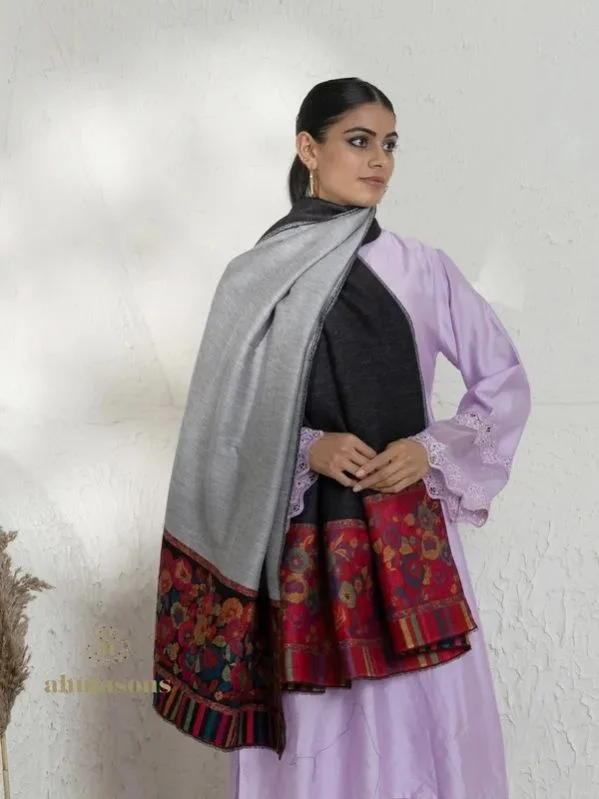
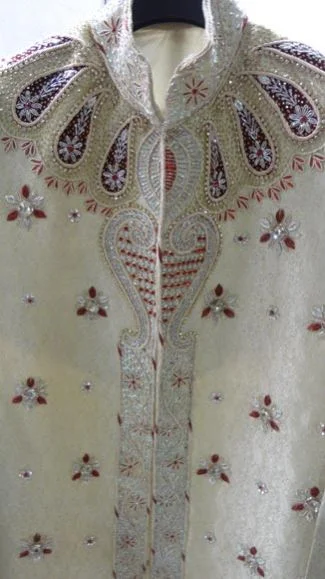
Zishanzariart's 8 listings cover four practical groupings for a buyer. Bridal and occasion gowns include the Velvet Bridal Trail Gown, Velvet Trail Dress, and Bridal Trail Gown, all built around the trail-cut silhouette that is standard in South Asian bridal couture. Traditional sets include the Marjina Style Long Trail Lehenga Choli and the Lehenga Choli, the two-piece skirt-and-blouse combinations that dominate the Indian ethnic-wear export segment; buyers should note that lehenga choli fabrics in this category typically range from net, georgette, and chiffon for lighter pieces to silk, velvet, and brocade for bridal weights, with embroidery work commonly done in zardozi, thread, sequin, or stone work. The kurti-trail dress and gharara kurti sit in the ladies kurti category, where gharara is a traditional wide-legged paired bottom and kurti lengths in the export market typically run from 38 to 48 inches. The pashmina shawl (Darbar) listed under Shawls is a notable accessory item. In the trade, genuine pashmina refers to fibre from the Changthangi goat, with fibre diameter commonly under 16 microns, and shawls are graded by purity (pure pashmina vs. pashmina-silk blends, typically 70/30 or 50/50) and by weave density. Buyers of shawls in this category typically ask for GSM weight (commonly 80 to 200 GSM for fine shawls), fibre-content test reports, and confirmation of handloom versus machine-loom construction. Across the full catalogue, fabrics buyers in this segment routinely request swatch cards for include velvet (typically 200 to 350 GSM base cloth), raw silk, tussar, organza, and net, with colour fastness to washing and light being standard quality parameters.

Trade and Export Information - Zishanzariart

Women's ethnic and bridal wear from India is exported to a wide set of destination markets, with the largest importer regions being the Middle East (UAE, Saudi Arabia, Qatar), the United Kingdom, the United States, Canada, Australia, and South and Southeast Asian diaspora markets including Malaysia, Singapore, and South Africa. The relevant HS code families for this catalogue are HS 6204 (women's woven suits, dresses, skirts, and trousers), HS 6206 (women's woven blouses and shirts), HS 6211 (tracksuits and other woven garments, sometimes used for bridal sets), HS 6214 (woven shawls, scarves), HS 6117 (knitted accessories including shawls), and HS 6104/6106 for any knitted equivalents. Buyers in these categories typically request a commercial invoice, packing list, bill of lading or airway bill, and country-of-origin certificate, with a GSP or preferential origin certificate relevant where the destination has a trade agreement with India. For bridal and ethnic wear specifically, buyers commonly require or ask to confirm compliance with destination-market textile regulations, including REACH compliance for the European Union, flammability standards such as 16 CFR Part 1610 for the US market, and care labelling per ISO 3758. Social-compliance documentation is also routinely requested in this segment, including SEDEX/SMETA audit reports, BSCI reports, or buyer-specific codes of conduct covering labour conditions in Indian textile units. Packaging norms for this category typically involve individual polybag packing per garment, with bridal sets often boxed in rigid cartons; ocean shipments are usually made in 20 ft or 40 ft containers with CBM-based loading, while air freight is common for sample and rush orders. Incoterms typically seen in this trade are FOB Indian port (commonly Mumbai/Nhava Sheva, Mundra, or Chennai), CIF, and occasionally EXW for domestic buyers.

Sourcing from Zishanzariart - Buyer Guidance

Sourcing bridal and ethnic wear from an India-based supplier like Zishanzariart requires attention to fabric specification, workmanship standards, and documentation before any order is placed. Buyers should request actual fabric swatches, close-up photographs of embroidery and beadwork, and a size chart with measurements in centimetres for each garment type, since bridal sizing in India often differs from Western sizing conventions. For the pashmina shawl listing, it is standard practice to request a fibre-content test report and to confirm whether the item is handwoven or machine-woven, as this materially affects both price positioning and labelling claims in destination markets. Verification steps that are standard in this category include asking for pre-shipment inspection reports (typically from agencies such as SGS, Intertek, Bureau Veritas, or TUV), photographs of the finished goods at the supplier's premises, and confirmation of any social-compliance audits the unit has undergone. MOQ and lead time should be confirmed in writing, since bridal sets with heavy embroidery typically require 30 to 60 days of production after fabric and embellishment sourcing, and sample lead times of 10 to 21 days are common. Payment terms in this segment are typically 30% T/T advance with 70% balance against scanned B/L, though L/C at sight is also used for larger orders, and buyers should confirm the supplier's responsiveness on sample dispatch and documentation as a baseline reliability indicator before scaling up.

Frequently Asked Questions About Zishanzariart

What product categories does Zishanzariart list?

The catalogue has 8 active listings across Wedding Dresses & Accessories, Ladies Salwar, Suits, Dupattas & Sarees, Shawls, Other Ladies Dresses, and Ladies Kurti. Items include bridal trail gowns in velvet and other fabrics, lehenga choli sets, a kurti-trail dress, a gharara kurti, and a pashmina shawl (Darbar).

Which HS code families apply to this catalogue?

Women's woven bridal and ethnic garments typically fall under HS 6204 (women's suits, dresses, skirts), HS 6206 (women's blouses/shirts), and HS 6211 for certain bridal sets, while shawls are commonly classified under HS 6214 (woven) or HS 6117 (knitted accessories). Buyers should confirm the exact classification with the supplier based on fabric construction.

What documents should I request when importing from this supplier?

Standard export documents for Indian textile shipments include a commercial invoice, packing list, bill of lading or airway bill, and country-of-origin certificate. For preferential tariff treatment, a GSP or India-specific FTA certificate of origin may apply depending on the destination country.

Which certifications and test reports are typically required for these goods?

Buyers of bridal and ethnic wear typically request fibre-content test reports, colour-fastness reports, and AZO-free / REACH compliance statements for EU-bound shipments. US-bound goods should meet 16 CFR Part 1610 flammability standards, and social-compliance documentation such as SEDEX/SMETA or BSCI is commonly requested by large retailers.

What should I verify before placing a bulk order?

Request fabric swatches, embroidery close-ups, and a size chart in centimetres, and confirm whether the pashmina shawl is handwoven or machine-woven with a fibre-content test. Pre-shipment inspection by an independent agency such as SGS, Intertek, or Bureau Veritas is standard practice for bridal and occasion wear.

What are typical MOQ and lead times for this category?

MOQ in Indian ethnic-wear exports typically starts at 50 to 100 pieces per style for bridal sets and 200 to 500 pieces for kurti lines, though this varies by embellishment complexity. Production lead time is commonly 30 to 60 days after order confirmation, with sample dispatch taking 10 to 21 days.

Which packaging norms apply to bridal and ethnic-wear shipments?

Garments are usually packed individually in polybags, with bridal sets often boxed in rigid cartons to protect embroidery and beadwork. Full container loads use 20 ft or 40 ft dry containers with CBM-based loading, and air freight is common for samples and time-sensitive orders.

Which Incoterms are standard for sourcing from India?

FOB Indian port (typically Mumbai/Nhava Sheva, Mundra, or Chennai), CIF, and occasionally EXW are the most common Incoterms in this trade. Buyers should confirm the named port and shipping mark conventions at the quotation stage.


Featured Products from this Supplier

Other Suppliers in Primary Category

Top Trusted Suppliers

Related Products

Trending in Parent Category

More Suppliers in Category

Related Products

Other Suppliers

EximNext
7.2K+ live requirements
Register Free🎁 Reach global buyers
Post Requirement
🌍 Trusted by 225K+ businesses in 200+ countries|
7.2K+ active requirements right now
✉️ [email protected]
|
Sell on EximNextPost Requirement
EximNext
AgricultureApparelConstructionElectronicFoodHomeIndustrialMineralsMiscellaneous
🔥 Deals|✨ AI Match|🏭 Suppliers|📋 Buy Leads|💰 Trade Finance
7.2K+ live RFQs·194.8K+ suppliers
🎁 Reach global buyers →
EximNext
EximNext
Register Free
🎁 Reach global buyers
Sign In
📋Post Requirement💬Get Quotes✨AI Match📋RFQ Marketplace
All Categories
Services & Tools
🏭Supplier Directory🔥Today's Deals💰Trade Finance
Sell on EximNext →
AboutContactBlogHelp
Apparel & Home  ·  India
8
products listed

Zishanzariart

⚓ Harbor
Country flag , IndiaNew supplier / no reviews yet
🛡️
54/100
Trust Score

Zishanzariart Product Catalog

Showing 8 of 8 products
View all products →
Velvet Bridal Trail Gown
⚓ Harbor
Velvet Bridal Trail Gown
Contact
MOQ: 1 Unit
Velvet Trail Dress
⚓ Harbor
Velvet Trail Dress
Contact
MOQ: 1 Unit
Bridal Trail Gown
⚓ Harbor
Bridal Trail Gown
Contact
MOQ: 1 Unit
Kurti-Trail Dress
⚓ Harbor
Kurti-Trail Dress
Contact
MOQ: 1 Unit
Marjina Style Long Trail Lehenga Choli
⚓ Harbor
Marjina Style Long Trail Lehenga Choli
Contact
MOQ: 1 Unit
Lehenga Choli
⚓ Harbor
Lehenga Choli
Contact
MOQ: 1 Unit
Gharara Kurti
⚓ Harbor
Gharara Kurti
Contact
MOQ: 1 Unit
Pashmina Shawl (Darbar)
⚓ Harbor
Pashmina Shawl (Darbar)
Contact
MOQ: 1 Unit

About Zishanzariart - Wedding Dresses & Accessories Supplier in India

Zishanzariart is an India-based supplier with 8 active product listings concentrated in women's ethnic and bridal wear, spanning the categories Wedding Dresses & Accessories, Ladies Salwar, Suits, Dupattas & Sarees, Shawls, Other Ladies Dresses, and Ladies Kurti. The catalogue is built around bridal and occasion-wear silhouettes, including bridal trail gowns in velvet and other fabrics, lehenga choli sets in both standard and Marjina-style long-trail cuts, a kurti-trail dress, a gharara kurti, and a pashmina shawl (Darbar) listed under the shawls category. All eight items fall within the textile and clothing chapter of the Harmonized System, which covers HS chapters 61 (knitted apparel) and 62 (woven apparel), with shawls typically classified under HS 6117 (knitted accessories) or 6214 (woven shawls/scarves) depending on construction. The product mix points to a supplier oriented toward the South Asian bridal and festive-wear segment, where buyers typically source coordinated sets rather than single garments. The presence of velvet variants alongside traditional bridal fabrics, plus the inclusion of a pashmina shawl, indicates the supplier covers both heavy occasion wear and lighter accessory pieces. India is one of the world's largest producers and exporters of women's ethnic wear, with manufacturing concentrated in regions such as Lucknow, Jaipur, Surat, and Ahmedabad, and Zishanzariart's catalogue reflects the kind of product mix commonly seen from these clusters.

Product Range and Specialties of Zishanzariart

Zishanzariart's 8 listings cover four practical groupings for a buyer. Bridal and occasion gowns include the Velvet Bridal Trail Gown, Velvet Trail Dress, and Bridal Trail Gown, all built around the trail-cut silhouette that is standard in South Asian bridal couture. Traditional sets include the Marjina Style Long Trail Lehenga Choli and the Lehenga Choli, the two-piece skirt-and-blouse combinations that dominate the Indian ethnic-wear export segment; buyers should note that lehenga choli fabrics in this category typically range from net, georgette, and chiffon for lighter pieces to silk, velvet, and brocade for bridal weights, with embroidery work commonly done in zardozi, thread, sequin, or stone work. The kurti-trail dress and gharara kurti sit in the ladies kurti category, where gharara is a traditional wide-legged paired bottom and kurti lengths in the export market typically run from 38 to 48 inches. The pashmina shawl (Darbar) listed under Shawls is a notable accessory item. In the trade, genuine pashmina refers to fibre from the Changthangi goat, with fibre diameter commonly under 16 microns, and shawls are graded by purity (pure pashmina vs. pashmina-silk blends, typically 70/30 or 50/50) and by weave density. Buyers of shawls in this category typically ask for GSM weight (commonly 80 to 200 GSM for fine shawls), fibre-content test reports, and confirmation of handloom versus machine-loom construction. Across the full catalogue, fabrics buyers in this segment routinely request swatch cards for include velvet (typically 200 to 350 GSM base cloth), raw silk, tussar, organza, and net, with colour fastness to washing and light being standard quality parameters.

Trade and Export Information - Zishanzariart

Women's ethnic and bridal wear from India is exported to a wide set of destination markets, with the largest importer regions being the Middle East (UAE, Saudi Arabia, Qatar), the United Kingdom, the United States, Canada, Australia, and South and Southeast Asian diaspora markets including Malaysia, Singapore, and South Africa. The relevant HS code families for this catalogue are HS 6204 (women's woven suits, dresses, skirts, and trousers), HS 6206 (women's woven blouses and shirts), HS 6211 (tracksuits and other woven garments, sometimes used for bridal sets), HS 6214 (woven shawls, scarves), HS 6117 (knitted accessories including shawls), and HS 6104/6106 for any knitted equivalents. Buyers in these categories typically request a commercial invoice, packing list, bill of lading or airway bill, and country-of-origin certificate, with a GSP or preferential origin certificate relevant where the destination has a trade agreement with India. For bridal and ethnic wear specifically, buyers commonly require or ask to confirm compliance with destination-market textile regulations, including REACH compliance for the European Union, flammability standards such as 16 CFR Part 1610 for the US market, and care labelling per ISO 3758. Social-compliance documentation is also routinely requested in this segment, including SEDEX/SMETA audit reports, BSCI reports, or buyer-specific codes of conduct covering labour conditions in Indian textile units. Packaging norms for this category typically involve individual polybag packing per garment, with bridal sets often boxed in rigid cartons; ocean shipments are usually made in 20 ft or 40 ft containers with CBM-based loading, while air freight is common for sample and rush orders. Incoterms typically seen in this trade are FOB Indian port (commonly Mumbai/Nhava Sheva, Mundra, or Chennai), CIF, and occasionally EXW for domestic buyers.

Sourcing from Zishanzariart - Buyer Guidance

Sourcing bridal and ethnic wear from an India-based supplier like Zishanzariart requires attention to fabric specification, workmanship standards, and documentation before any order is placed. Buyers should request actual fabric swatches, close-up photographs of embroidery and beadwork, and a size chart with measurements in centimetres for each garment type, since bridal sizing in India often differs from Western sizing conventions. For the pashmina shawl listing, it is standard practice to request a fibre-content test report and to confirm whether the item is handwoven or machine-woven, as this materially affects both price positioning and labelling claims in destination markets. Verification steps that are standard in this category include asking for pre-shipment inspection reports (typically from agencies such as SGS, Intertek, Bureau Veritas, or TUV), photographs of the finished goods at the supplier's premises, and confirmation of any social-compliance audits the unit has undergone. MOQ and lead time should be confirmed in writing, since bridal sets with heavy embroidery typically require 30 to 60 days of production after fabric and embellishment sourcing, and sample lead times of 10 to 21 days are common. Payment terms in this segment are typically 30% T/T advance with 70% balance against scanned B/L, though L/C at sight is also used for larger orders, and buyers should confirm the supplier's responsiveness on sample dispatch and documentation as a baseline reliability indicator before scaling up.

Frequently Asked Questions About Zishanzariart

What product categories does Zishanzariart list?

The catalogue has 8 active listings across Wedding Dresses & Accessories, Ladies Salwar, Suits, Dupattas & Sarees, Shawls, Other Ladies Dresses, and Ladies Kurti. Items include bridal trail gowns in velvet and other fabrics, lehenga choli sets, a kurti-trail dress, a gharara kurti, and a pashmina shawl (Darbar).

Which HS code families apply to this catalogue?

Women's woven bridal and ethnic garments typically fall under HS 6204 (women's suits, dresses, skirts), HS 6206 (women's blouses/shirts), and HS 6211 for certain bridal sets, while shawls are commonly classified under HS 6214 (woven) or HS 6117 (knitted accessories). Buyers should confirm the exact classification with the supplier based on fabric construction.

What documents should I request when importing from this supplier?

Standard export documents for Indian textile shipments include a commercial invoice, packing list, bill of lading or airway bill, and country-of-origin certificate. For preferential tariff treatment, a GSP or India-specific FTA certificate of origin may apply depending on the destination country.

Which certifications and test reports are typically required for these goods?

Buyers of bridal and ethnic wear typically request fibre-content test reports, colour-fastness reports, and AZO-free / REACH compliance statements for EU-bound shipments. US-bound goods should meet 16 CFR Part 1610 flammability standards, and social-compliance documentation such as SEDEX/SMETA or BSCI is commonly requested by large retailers.

What should I verify before placing a bulk order?

Request fabric swatches, embroidery close-ups, and a size chart in centimetres, and confirm whether the pashmina shawl is handwoven or machine-woven with a fibre-content test. Pre-shipment inspection by an independent agency such as SGS, Intertek, or Bureau Veritas is standard practice for bridal and occasion wear.

What are typical MOQ and lead times for this category?

MOQ in Indian ethnic-wear exports typically starts at 50 to 100 pieces per style for bridal sets and 200 to 500 pieces for kurti lines, though this varies by embellishment complexity. Production lead time is commonly 30 to 60 days after order confirmation, with sample dispatch taking 10 to 21 days.

Which packaging norms apply to bridal and ethnic-wear shipments?

Garments are usually packed individually in polybags, with bridal sets often boxed in rigid cartons to protect embroidery and beadwork. Full container loads use 20 ft or 40 ft dry containers with CBM-based loading, and air freight is common for samples and time-sensitive orders.

Which Incoterms are standard for sourcing from India?

FOB Indian port (typically Mumbai/Nhava Sheva, Mundra, or Chennai), CIF, and occasionally EXW are the most common Incoterms in this trade. Buyers should confirm the named port and shipping mark conventions at the quotation stage.

About Zishanzariart - Wedding Dresses & Accessories Supplier in India

Zishanzariart is an India-based supplier with 8 active product listings concentrated in women's ethnic and bridal wear, spanning the categories Wedding Dresses & Accessories, Ladies Salwar, Suits, Dupattas & Sarees, Shawls, Other Ladies Dresses, and Ladies Kurti. The catalogue is built around bridal and occasion-wear silhouettes, including bridal trail gowns in velvet and other fabrics, lehenga choli sets in both standard and Marjina-style long-trail cuts, a kurti-trail dress, a gharara kurti, and a pashmina shawl (Darbar) listed under the shawls category. All eight items fall within the textile and clothing chapter of the Harmonized System, which covers HS chapters 61 (knitted apparel) and 62 (woven apparel), with shawls typically classified under HS 6117 (knitted accessories) or 6214 (woven shawls/scarves) depending on construction. The product mix points to a supplier oriented toward the South Asian bridal and festive-wear segment, where buyers typically source coordinated sets rather than single garments. The presence of velvet variants alongside traditional bridal fabrics, plus the inclusion of a pashmina shawl, indicates the supplier covers both heavy occasion wear and lighter accessory pieces. India is one of the world's largest producers and exporters of women's ethnic wear, with manufacturing concentrated in regions such as Lucknow, Jaipur, Surat, and Ahmedabad, and Zishanzariart's catalogue reflects the kind of product mix commonly seen from these clusters.

Product Range and Specialties of Zishanzariart

Zishanzariart's 8 listings cover four practical groupings for a buyer. Bridal and occasion gowns include the Velvet Bridal Trail Gown, Velvet Trail Dress, and Bridal Trail Gown, all built around the trail-cut silhouette that is standard in South Asian bridal couture. Traditional sets include the Marjina Style Long Trail Lehenga Choli and the Lehenga Choli, the two-piece skirt-and-blouse combinations that dominate the Indian ethnic-wear export segment; buyers should note that lehenga choli fabrics in this category typically range from net, georgette, and chiffon for lighter pieces to silk, velvet, and brocade for bridal weights, with embroidery work commonly done in zardozi, thread, sequin, or stone work. The kurti-trail dress and gharara kurti sit in the ladies kurti category, where gharara is a traditional wide-legged paired bottom and kurti lengths in the export market typically run from 38 to 48 inches. The pashmina shawl (Darbar) listed under Shawls is a notable accessory item. In the trade, genuine pashmina refers to fibre from the Changthangi goat, with fibre diameter commonly under 16 microns, and shawls are graded by purity (pure pashmina vs. pashmina-silk blends, typically 70/30 or 50/50) and by weave density. Buyers of shawls in this category typically ask for GSM weight (commonly 80 to 200 GSM for fine shawls), fibre-content test reports, and confirmation of handloom versus machine-loom construction. Across the full catalogue, fabrics buyers in this segment routinely request swatch cards for include velvet (typically 200 to 350 GSM base cloth), raw silk, tussar, organza, and net, with colour fastness to washing and light being standard quality parameters.

Trade and Export Information - Zishanzariart

Women's ethnic and bridal wear from India is exported to a wide set of destination markets, with the largest importer regions being the Middle East (UAE, Saudi Arabia, Qatar), the United Kingdom, the United States, Canada, Australia, and South and Southeast Asian diaspora markets including Malaysia, Singapore, and South Africa. The relevant HS code families for this catalogue are HS 6204 (women's woven suits, dresses, skirts, and trousers), HS 6206 (women's woven blouses and shirts), HS 6211 (tracksuits and other woven garments, sometimes used for bridal sets), HS 6214 (woven shawls, scarves), HS 6117 (knitted accessories including shawls), and HS 6104/6106 for any knitted equivalents. Buyers in these categories typically request a commercial invoice, packing list, bill of lading or airway bill, and country-of-origin certificate, with a GSP or preferential origin certificate relevant where the destination has a trade agreement with India. For bridal and ethnic wear specifically, buyers commonly require or ask to confirm compliance with destination-market textile regulations, including REACH compliance for the European Union, flammability standards such as 16 CFR Part 1610 for the US market, and care labelling per ISO 3758. Social-compliance documentation is also routinely requested in this segment, including SEDEX/SMETA audit reports, BSCI reports, or buyer-specific codes of conduct covering labour conditions in Indian textile units. Packaging norms for this category typically involve individual polybag packing per garment, with bridal sets often boxed in rigid cartons; ocean shipments are usually made in 20 ft or 40 ft containers with CBM-based loading, while air freight is common for sample and rush orders. Incoterms typically seen in this trade are FOB Indian port (commonly Mumbai/Nhava Sheva, Mundra, or Chennai), CIF, and occasionally EXW for domestic buyers.

Sourcing from Zishanzariart - Buyer Guidance

Sourcing bridal and ethnic wear from an India-based supplier like Zishanzariart requires attention to fabric specification, workmanship standards, and documentation before any order is placed. Buyers should request actual fabric swatches, close-up photographs of embroidery and beadwork, and a size chart with measurements in centimetres for each garment type, since bridal sizing in India often differs from Western sizing conventions. For the pashmina shawl listing, it is standard practice to request a fibre-content test report and to confirm whether the item is handwoven or machine-woven, as this materially affects both price positioning and labelling claims in destination markets. Verification steps that are standard in this category include asking for pre-shipment inspection reports (typically from agencies such as SGS, Intertek, Bureau Veritas, or TUV), photographs of the finished goods at the supplier's premises, and confirmation of any social-compliance audits the unit has undergone. MOQ and lead time should be confirmed in writing, since bridal sets with heavy embroidery typically require 30 to 60 days of production after fabric and embellishment sourcing, and sample lead times of 10 to 21 days are common. Payment terms in this segment are typically 30% T/T advance with 70% balance against scanned B/L, though L/C at sight is also used for larger orders, and buyers should confirm the supplier's responsiveness on sample dispatch and documentation as a baseline reliability indicator before scaling up.

Frequently Asked Questions About Zishanzariart
What product categories does Zishanzariart list?
The catalogue has 8 active listings across Wedding Dresses & Accessories, Ladies Salwar, Suits, Dupattas & Sarees, Shawls, Other Ladies Dresses, and Ladies Kurti. Items include bridal trail gowns in velvet and other fabrics, lehenga choli sets, a kurti-trail dress, a gharara kurti, and a pashmina shawl (Darbar).
Which HS code families apply to this catalogue?
Women's woven bridal and ethnic garments typically fall under HS 6204 (women's suits, dresses, skirts), HS 6206 (women's blouses/shirts), and HS 6211 for certain bridal sets, while shawls are commonly classified under HS 6214 (woven) or HS 6117 (knitted accessories). Buyers should confirm the exact classification with the supplier based on fabric construction.
What documents should I request when importing from this supplier?
Standard export documents for Indian textile shipments include a commercial invoice, packing list, bill of lading or airway bill, and country-of-origin certificate. For preferential tariff treatment, a GSP or India-specific FTA certificate of origin may apply depending on the destination country.
Which certifications and test reports are typically required for these goods?
Buyers of bridal and ethnic wear typically request fibre-content test reports, colour-fastness reports, and AZO-free / REACH compliance statements for EU-bound shipments. US-bound goods should meet 16 CFR Part 1610 flammability standards, and social-compliance documentation such as SEDEX/SMETA or BSCI is commonly requested by large retailers.
What should I verify before placing a bulk order?
Request fabric swatches, embroidery close-ups, and a size chart in centimetres, and confirm whether the pashmina shawl is handwoven or machine-woven with a fibre-content test. Pre-shipment inspection by an independent agency such as SGS, Intertek, or Bureau Veritas is standard practice for bridal and occasion wear.
What are typical MOQ and lead times for this category?
MOQ in Indian ethnic-wear exports typically starts at 50 to 100 pieces per style for bridal sets and 200 to 500 pieces for kurti lines, though this varies by embellishment complexity. Production lead time is commonly 30 to 60 days after order confirmation, with sample dispatch taking 10 to 21 days.
Which packaging norms apply to bridal and ethnic-wear shipments?
Garments are usually packed individually in polybags, with bridal sets often boxed in rigid cartons to protect embroidery and beadwork. Full container loads use 20 ft or 40 ft dry containers with CBM-based loading, and air freight is common for samples and time-sensitive orders.
Which Incoterms are standard for sourcing from India?
FOB Indian port (typically Mumbai/Nhava Sheva, Mundra, or Chennai), CIF, and occasionally EXW are the most common Incoterms in this trade. Buyers should confirm the named port and shipping mark conventions at the quotation stage.

Zishanzariart
Country flag India
⚓ HarborApparel & Home
54/100
Trust Score
8
Products
✓ Free to contact — no commission
✓ Escrow payment available
✓ Verified business identity
Compare more suppliers
Post a requirement — get 10 quotes free
Let verified suppliers compete for your business. Free, fast, no commitment.
Due Diligence
Verify this supplier's real shipping history.
Every shipment, every buyer, every port. Trade data that can't be faked.
Run due diligence →
Discover More

Related Suppliers & Products

Explore similar suppliers, related products and trending categories

Featured Products from this Supplier

Other Suppliers in Primary Category

Top Trusted Suppliers

Related Products

Trending in Parent Category

More Suppliers in Category

Stay ahead in global trade
Weekly market insights & new supplier alerts.
EximNext
Exim Next is a leading global B2B marketplace, connecting over 220,000 registered suppliers and buyers across 200+ countries. As a trusted import export marketplace, it serves as the essential B2B portal for businesses worldwide, empowering them to expand their international reach. With Exim Next, businesses can trade smarter and grow faster.
SECURE PAYMENTS
VISAMastercardPayPalSWIFTL/CEscrow
Follow us
© 2026 EximNext