Zibo Yao Xing Fire-resistant And Heat-Preservation Material Co., Ltd. — Supplier
About Zibo Yao Xing Fire-resistant And Heat-Preservation Material Co., Ltd. - Ceramic Fiber Supplier in China
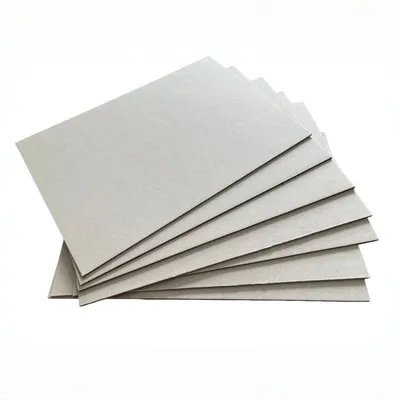
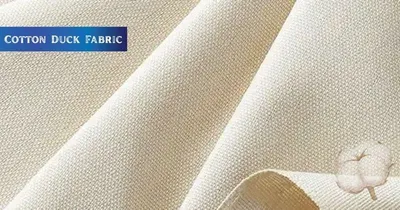
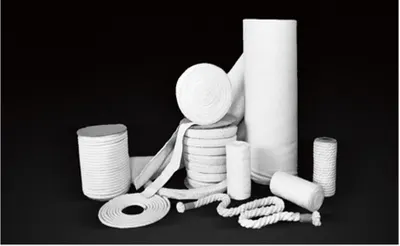
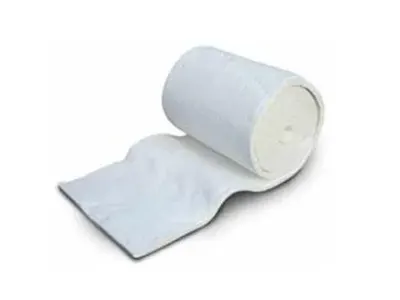
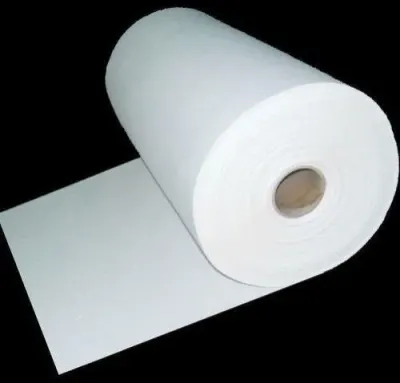
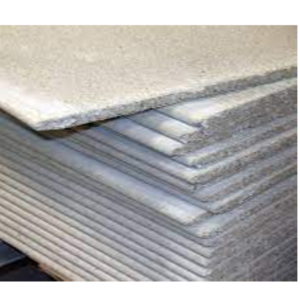
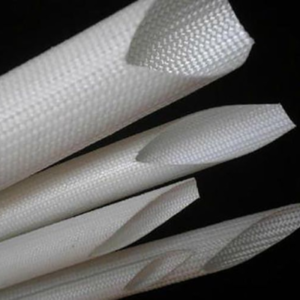
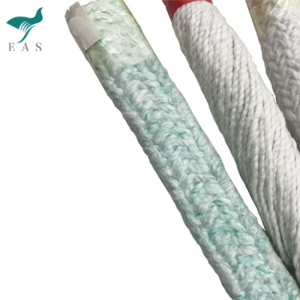
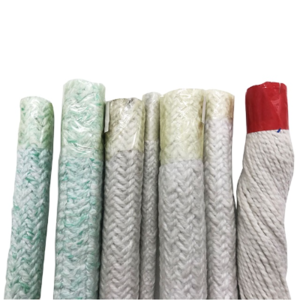
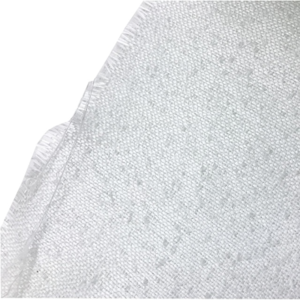
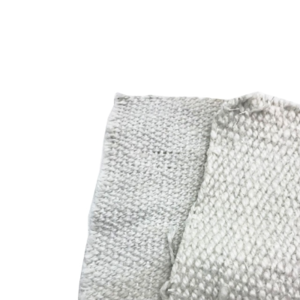
Zibo Yao Xing Fire-resistant And Heat-Preservation Material Co., Ltd. is located in China, with 5 active products in its catalogue. The company lists ceramic fiber products, including ceramic fiber paper, aluminum silicate ceramic fiber spun blanket, ceramic fiber textiles, vacuum formed ceramic fiber board, and high silica cloth. These products are typically used in high-temperature applications, such as in the steel, automotive, and aerospace industries. Exporters of ceramic fiber products from China, like Zibo Yao Xing Fire-resistant And Heat-Preservation Material Co., Ltd., often ship their goods to regions like North America, Europe, and Southeast Asia.
Buyers of ceramic fiber products usually require specifications, such as temperature resistance, tensile strength, and chemical resistance, to ensure the products meet their application requirements. The HS code families involved in the export of ceramic fiber products from China include 6815.20.00 and 6815.30.00. Typical quality grades for ceramic fiber products include standard, high-purity, and ultra-high-purity grades, with varying levels of temperature resistance and tensile strength.
Product Range and Specialties of Zibo Yao Xing Fire-resistant And Heat-Preservation Material Co., Ltd.
Zibo Yao Xing Fire-resistant And Heat-Preservation Material Co., Ltd.'s catalogue includes a range of ceramic fiber products, with varying specifications and applications. For example, ceramic fiber paper is often used in gasket and seal applications, while aluminum silicate ceramic fiber spun blanket is used in high-temperature insulation applications. Buyers of these products should request specifications, such as thickness, density, and temperature resistance, to ensure the products meet their application requirements. Typical standard specifications for ceramic fiber products include ASTM C892 and ISO 1889.
Trade and Export Information - Zibo Yao Xing Fire-resistant And Heat-Preservation Material Co., Ltd.
Exporters of ceramic fiber products from China, like Zibo Yao Xing Fire-resistant And Heat-Preservation Material Co., Ltd., often face regulations and standards related to the export of these products. For example, the products must comply with the EU's REACH regulation and the US's TSCA regulation. The products are typically shipped via sea freight, with Incoterms like FOB and CIF commonly used. Packaging requirements, such as palletization and shrink wrapping, are also important considerations for buyers. Typical packaging materials used for ceramic fiber products include cardboard, plastic, and wood.
Sourcing from Zibo Yao Xing Fire-resistant And Heat-Preservation Material Co., Ltd. - Buyer Guidance
When sourcing ceramic fiber products from Zibo Yao Xing Fire-resistant And Heat-Preservation Material Co., Ltd., buyers should request specifications, such as temperature resistance, tensile strength, and chemical resistance, to ensure the products meet their application requirements. Buyers should also request test reports and certifications, such as ISO 9001 and ASTM C892, to verify the products' quality. Additionally, buyers should verify the products' compliance with regulations, such as REACH and TSCA, to ensure they meet the required standards. Any given verification/response/tier signals, such as a passing test report or a certification, can help buyers confirm the products' quality and compliance.
Frequently Asked Questions About Zibo Yao Xing Fire-resistant And Heat-Preservation Material Co., Ltd.
What is the typical temperature resistance of ceramic fiber products?
The typical temperature resistance of ceramic fiber products varies depending on the application, but can range from 1000°C to 1600°C. Buyers should request specifications to ensure the products meet their application requirements.
What is the difference between standard, high-purity, and ultra-high-purity ceramic fiber products?
The difference between standard, high-purity, and ultra-high-purity ceramic fiber products lies in their varying levels of temperature resistance and tensile strength. High-purity products have higher temperature resistance and tensile strength than standard products, while ultra-high-purity products have the highest temperature resistance and tensile strength.
What certifications should buyers request for ceramic fiber products?
Buyers should request certifications, such as ISO 9001 and ASTM C892, to verify the products' quality and compliance with regulations.
What is the typical packaging material used for ceramic fiber products?
The typical packaging materials used for ceramic fiber products include cardboard, plastic, and wood. Buyers should verify the packaging materials to ensure they meet their requirements.
What is the typical MOQ for ceramic fiber products?
The typical MOQ for ceramic fiber products varies depending on the supplier and the application, but can range from 100 kg to 1000 kg. Buyers should request the MOQ to ensure they meet the supplier's requirements.
What is the typical lead time for ceramic fiber products?
The typical lead time for ceramic fiber products varies depending on the supplier and the application, but can range from 2 weeks to 6 weeks. Buyers should request the lead time to ensure they meet their application requirements.
What is the typical shipping method for ceramic fiber products?
The typical shipping method for ceramic fiber products is sea freight, with Incoterms like FOB and CIF commonly used. Buyers should verify the shipping method to ensure it meets their requirements.
What regulations do ceramic fiber products need to comply with?
Ceramic fiber products need to comply with regulations, such as REACH and TSCA, to ensure they meet the required standards. Buyers should verify the products' compliance with regulations to ensure they meet their application requirements.




 , China