Agriculture›
 Apparel and fashion accessories›
 Construction & real estate›💡Electronic & Electrical›🍎Food & Beverages›🛋️Home furnishing & supplies›⚗️Industrial goods & chemical›🪨Minerals & metals›📦Miscellaneous›Agriculture›Apparel and fashion accessories›Construction & real estate›💡Electronic & Electrical›🍎Food & Beverages›🛋️Home furnishing & supplies›⚗️Industrial goods & chemical›🪨Minerals & metals›📦Miscellaneous›
Beam Consolidated Product Catalog



About Beam Consolidated - Building Materials Supplier in Lebanon
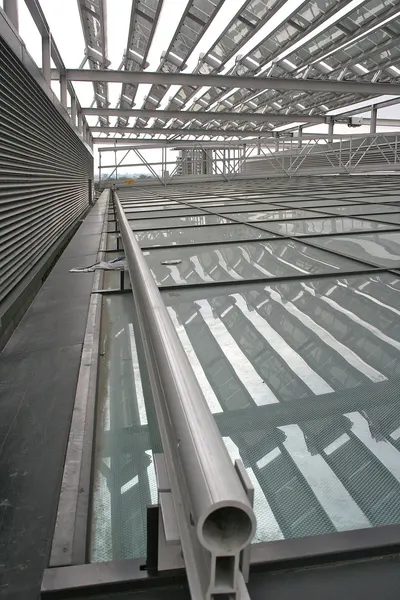
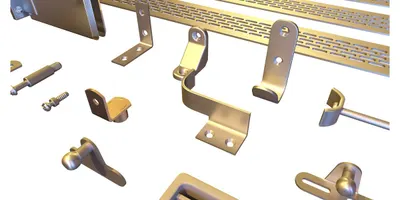
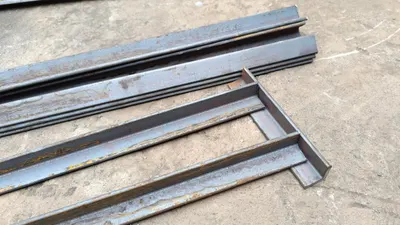
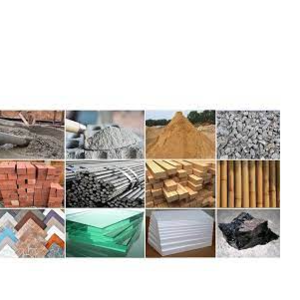
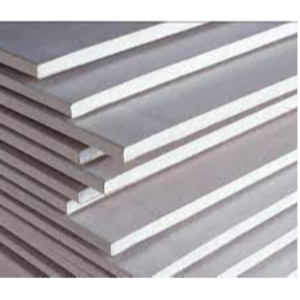
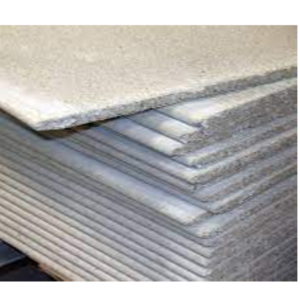
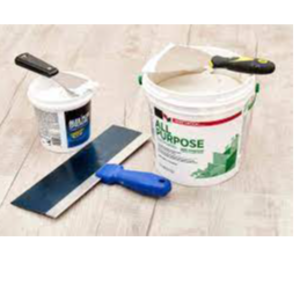
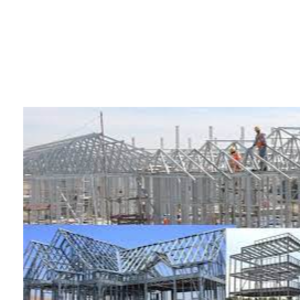
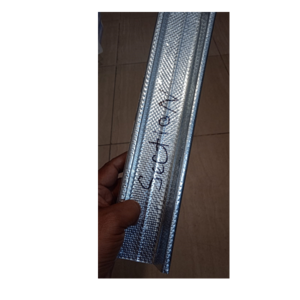
Lebanon, with a catalogue of 81 active products, Beam Consolidated lists building‑material items across several HS‑code families. The catalogue includes carbon structural steel/rebar classified under HS 7204.29, calcium sulfate dihydrate gypsum under HS 2520.10, gypsum powder (calcium sulfate hemihydrate) also HS 2520.10, gypsum boards (HS 6809.11) comprising a gypsum core with paper liner, fiber‑cement boards (HS 6811.89) made from Portland cement, cellulose fibre and sand, finishing compounds (HS 3405.40) based on abrasive polymer blends, frames and accessories of aluminium alloy or galvanized steel (HS 7308.30), and extra‑fill plasterboard jointing compound (HS 3824.50).
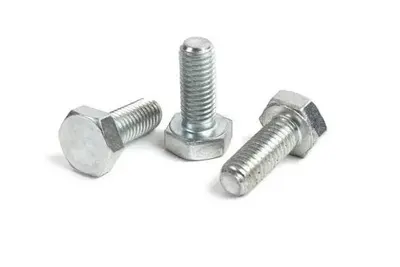
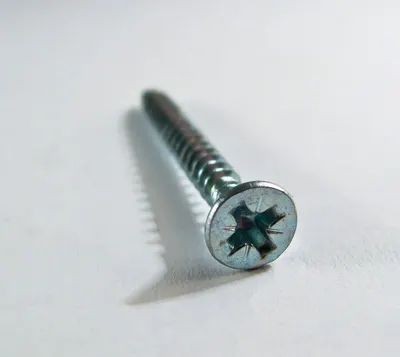
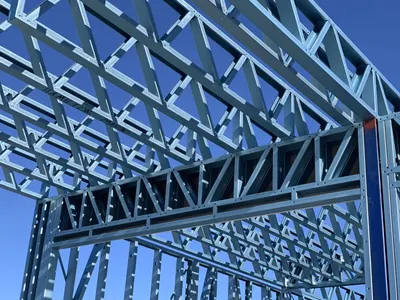
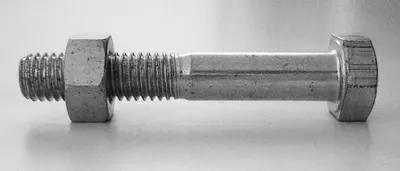
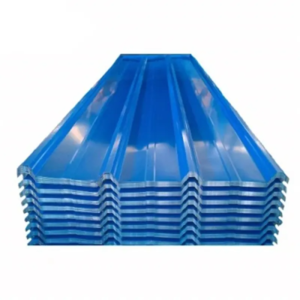
The remaining entries are various branded gypsum‑board lines such as GBOARD RG, GBOARD MR H3 and PVC tile products under the Gtiles series, which fall within the same HS categories for gypsum boards or plastics though individual HS codes are not specified. The product set also references roofing sheets, steel structures, fasteners, screws and construction chemicals, illustrating a broad building‑materials portfolio typical of manufacturers operating in the MENA region.
Product Range and Specialties of Beam Consolidated
Beam Consolidated’s catalogue covers standard construction inputs: carbon structural steel rebar (grade 500B) typically delivers a minimum tensile strength of 500 MPa; gypsum and gypsum powder are supplied as calcium sulfate dihydrate and hemihydrate, grades that meet ASTM C472 and EN 13139 specifications for purity above 99 %. Gypsum boards listed under HS 6809.11 are generally produced to ASTM C1396 or EN 13501 fire‑rating classes, with common thicknesses of 9.5 mm to 12.5 mm and paper liners of 0.5 mm. Fiber‑cement boards (HS 6811.89) in the region are often 6 mm to 12 mm thick, density 1.2‑1.4 t/m³, and meet ISO 12472 fire classification. Finishing compounds (HS 3405.40) use abrasive particles such as aluminum oxide or silicon carbide with grain sizes from 40 µm to 120 µm, conforming to ASTM C784. Frames and accessories (HS 7308.30) are typically aluminium alloy 6063 or hot‑dip galvanized steel, supplied in standard 2 m lengths. Extra‑fill plasterboard jointing compounds (HS 3824.50) are polymer‑modified cementitious mixes that comply with EN 13826 for moisture resistance.
trade:[
Frequently Asked Questions About Beam Consolidated
What HS codes does Beam Consolidated use for its steel and gypsum products?
Carbon structural steel/rebar is listed under HS 7204.29, while gypsum (both dihydrate and hemihydrate forms) and gypsum powder are under HS 2520.10. Gypsum boards carry HS 6809.11.
Which Incoterms does Beam Consolidated support for shipments?
Commonly used Incoterms include FOB Beirut Port and CIF destinations in GCC countries, reflecting standard Lebanese export practices.
Which certifications are commonly required for the gypsum board range?
Buyers usually request CE marking and compliance with ASTM C1396 or EN 13501 fire‑rating standards, together with an ISO 9001 quality‑management certificate.
What is the typical tensile strength for the rebar offered?
The rebar is described as grade 500B, which corresponds to a minimum tensile strength of about 500 MPa according to international steel standards.
Are test reports available for the finishing compounds?
Finishing compounds (HS 3405.40) are supplied with abrasive grade reports that include particle size distribution (e.g., 40‑120 µm) and conformity to ASTM C784.
 Lebanon
Related Suppliers & Products
Explore similar suppliers, related products and trending categories

.jpg.png)