Zhengzhou Winsen Electronics Technology Co., Ltd. — Supplier
About Zhengzhou Winsen Electronics Technology Co., Ltd. - Sensor Supplier in China
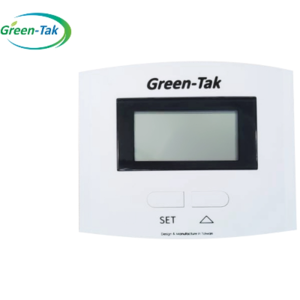
Zhengzhou Winsen Electronics Technology Co., Ltd. is based in China and currently lists five active products. The catalogue includes a humidity and temperature sensor (gsm01), a carbon monoxide gas sensor (ME2B-CO), a UL‑certificated CO gas sensor, a PIR motion sensor for lighting control, and a humidity control sensor designed for air‑conditioner units. All items fall under the broader categories of Electric Sensors, Electronic Sensors and Fire Extinguishers & Products as defined in the supplier profile. The product list reflects typical sensor families used in building automation, environmental monitoring and fire safety systems. The supplier’s tier is imported with a harbor trust rating.
The five sensor types are classified under the general HS Chapter 90 family for instruments and apparatus, which is the usual customs classification for electronic measurement devices. Within that chapter, humidity/temperature instruments, gas detection devices and motion detectors each have distinct sub‑headings that buyers and customs authorities recognize. The supplier’s catalogue therefore aligns with standard international tariff and regulatory frameworks for electronic sensors.
Product Range and Specialties of Zhengzhou Winsen Electronics Technology Co., Ltd.
The catalogue covers a humidity‑and‑temperature sensor (gsm01) that typically offers ±2 % RH accuracy and ±0.5 °C temperature tolerance, with a 3.3 V supply and analog or digital output. The ME2B‑CO carbon‑monoxide sensor and the UL‑certificated CO sensor are designed for detection ranges from 0 to 1000 ppm, feature built‑in temperature compensation and comply with UL 2075 safety standards. The PIR motion sensor for lights usually provides a detection angle of 110°, a range of 5 - 12 m and operates on 5 V DC with a transistor output. The humidity control sensor for air‑conditioners integrates a hygrometer and a control circuit to maintain indoor humidity between 30 - 60 % RH. In the broader market, these sensor families are offered in industrial‑grade (‑40 °C to +85 °C) and automotive‑grade (‑40 °C to +125 °C) specifications, with IEC 60529 IP ratings ranging from IP20 to IP65 depending on enclosure design.
Trade and Export Information - Zhengzhou Winsen Electronics Technology Co., Ltd.
China is a leading exporter of electronic sensors, supplying manufacturers in Europe, North America and Southeast Asia that serve HVAC, building‑automation and fire‑safety sectors. Buyers typically require CE marking, UL certification, RoHS compliance and, for gas detectors, adherence to IEC 61010 safety standards. Export shipments are normally packed in anti‑static bags, placed in insulated cartons, and loaded into 20‑ft or 40‑ft containers under FOB or CIF Incoterms. Chinese sensor exporters often provide test reports such as IEC 60730 performance certificates and UL test reports to satisfy importer due diligence. The market for humidity, temperature and motion sensors is driven by smart‑building projects and energy‑efficiency retrofits, while CO gas sensors are essential for indoor‑air‑quality monitoring and fire‑prevention systems.
Sourcing from Zhengzhou Winsen Electronics Technology Co., Ltd. - Buyer Guidance
When sourcing these sensors, request the latest datasheet, calibration certificate and any UL or CE test reports that correspond to the specific model. Verify that the product’s IP rating, operating temperature range and output type match the intended application, and confirm that the supplier can provide a compliance statement for RoHS and IEC standards. It is prudent to obtain a pre‑production sample to assess measurement accuracy, response time and mechanical durability before committing to larger volumes.
Frequently Asked Questions About Zhengzhou Winsen Electronics Technology Co., Ltd.
What sensor types are listed in the supplier’s catalogue?
The catalogue includes a humidity‑and‑temperature sensor (gsm01), a ME2B‑CO carbon‑monoxide gas sensor, a UL‑certificated CO gas sensor, a PIR motion sensor for lighting control, and a humidity control sensor intended for air‑conditioner units.
Are any of the gas sensors certified for safety?
One of the carbon‑monoxide sensors is described as UL certificated. Buyers should ask for the UL test report to confirm the certification scope and validity.
Which certifications should a buyer verify for these sensors?
Typical certifications for electronic sensors include CE marking, UL certification for safety, RoHS compliance for hazardous substances, and IEC safety or performance certificates such as IEC 60730 or IEC 61010, depending on the sensor type.
What are common minimum order quantities for these sensor products?
For electronic components like sensors, minimum order quantities often start between 500 and 1,000 units per model, but the exact figure must be confirmed with the supplier for each product.
What lead time can a buyer expect from order to shipment?
Chinese sensor manufacturers usually require 15 to 30 days of production lead time after order confirmation, with additional time for quality inspection and packaging.
How are the sensors packaged for international shipment?
Sensors are typically placed in anti‑static bags, grouped in insulated cartons, and loaded into standard 20‑ft or 40‑ft containers. Palletization and proper labeling follow the buyer’s Incoterm requirements.
Which market regions commonly import these types of sensors?
Importers in Europe, North America and Southeast Asia frequently source humidity, temperature, CO gas and motion sensors for HVAC systems, building‑automation projects and fire‑safety equipment.
How can a buyer request a sample of a specific sensor?
A buyer should submit the sensor model number, intended application details and shipping address; the supplier will then arrange a pre‑production sample, usually with the sample cost and freight payable by the buyer.




 , China





.jpg.png)