Yinchuan Aini Industry And Technology Development Co., Ltd. — Verified Supplier
About Yinchuan Aini Industry And Technology Development Co., Ltd. - Iron Alloy Supplier in China
Yinchuan Aini Industry And Technology Development Co., Ltd. is based in Yinchuan, China and currently lists five active products. The catalogue includes ferro‑silicon alloy, activated carbon, a carbon additive, silicon‑barium aluminium alloy and ferromanganese‑silicon alloy, covering the iron alloy, aluminium alloy, water‑treatment chemicals and industrial chemicals categories. Each product is identified by its standard material name rather than a specific HS code in the supplied data. The supplier is classified as an imported tier with a harbor trust level, indicating it participates in cross‑border trade under standard Chinese export procedures.
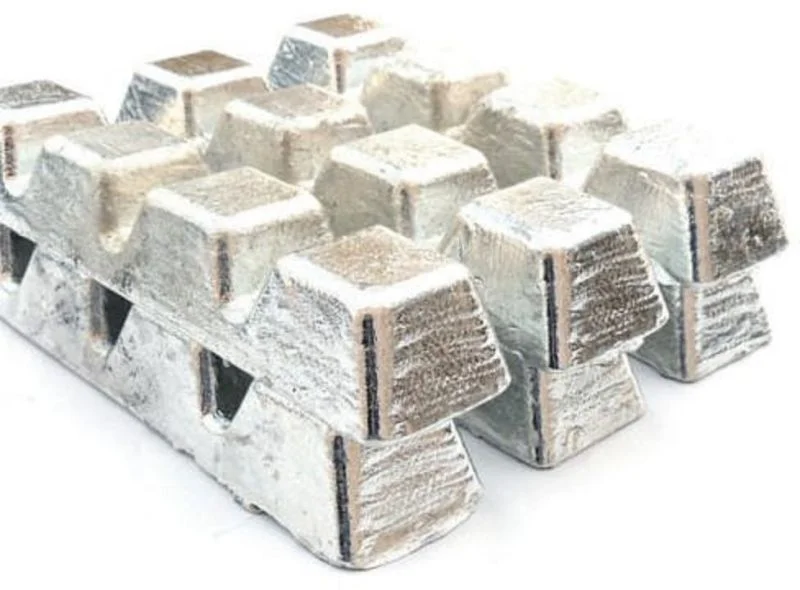
The company’s product set reflects common Chinese exports of ferro‑alloys and specialty carbon materials. Ferro‑silicon and ferromanganese‑silicon alloys are typical ferro‑alloys used in steelmaking, while activated carbon and carbon additives serve water treatment and polymer processing. The silicon‑barium aluminium alloy is a niche aluminium‑based alloy for castings. All five items are listed under the supplier’s active product count of five, providing a concise but focused portfolio for industrial buyers.
Product Range and Specialties of Yinchuan Aini Industry And Technology Development Co., Ltd.
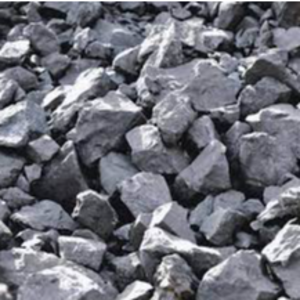
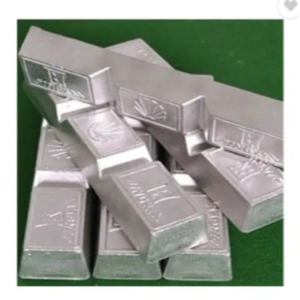
The listed products span two main material families: ferro‑alloys (ferro‑silicon, ferromanganese‑silicon) and carbon‑based chemicals (activated carbon, carbon additive) plus a specialty aluminium alloy. In the ferro‑alloy market, FeSi grades such as FeSi 75 % Si and FeSiMg 65 % Si are standard, with typical specifications for silicon content tolerance of ±1 % and low phosphorus levels. Activated carbon is usually graded by iodine number (800 mg g⁻¹ +), BET surface area (800 m² g⁻¹ +), and moisture content below 5 %. Carbon additives for plastics often have particle sizes between 5 µm and 20 µm and purity above 99 %. Silicon‑barium aluminium alloys commonly contain 5‑15 % Si, 0.5‑2 % Ba and the remainder aluminium, with tensile strength around 250‑300 MPa. Ferromanganese‑silicon alloys typically provide Mn 70‑80 % and Si 10‑15 % with a bulk density near 3.6 t m⁻³. These industry norms help buyers compare the supplier’s catalogue against market expectations.
Trade and Export Information - Yinchuan Aini Industry And Technology Development Co., Ltd.
China is a global exporter of ferro‑alloys and activated carbon, with major destination regions including the European Union, Southeast Asia, and the Middle East. Shipments are usually packed in 20‑ft or 40‑ft containers, with ferro‑alloys loaded in steel drums or bulk bags and carbon products in sealed polypropylene bags. The HS‑code families most frequently applied to these goods are Chapter 72 (iron and steel) for ferro‑alloys and Chapter 38 (chemical products) for activated carbon and carbon additives. Buyers typically request ISO 9001 certification, SGS assay reports, and compliance documents such as REACH registration for the EU market. Chinese exporters often work under Incoterms FOB Ningxia or CIF destination ports, and customs inspections focus on accurate HS‑code declaration, material safety data sheets (MSDS) and any required anti‑dumping certificates.
Sourcing from Yinchuan Aini Industry And Technology Development Co., Ltd. - Buyer Guidance
When sourcing from this supplier, request a detailed product specification sheet that lists chemical composition, silicon or manganese percentages, moisture content and particle size where applicable. Obtain an independent third‑party assay report (e.g., SGS or Bureau Veritas) and the latest MSDS to verify safety and regulatory compliance. Verify that the supplier can provide ISO 9001 or equivalent quality‑management certification and confirm packaging details - steel drums for alloys, sealed bags for carbon products - before confirming order quantities.
Frequently Asked Questions About Yinchuan Aini Industry And Technology Development Co., Ltd.
What are the typical specifications for the ferro‑silicon alloy offered?
Ferro‑silicon alloys from China are commonly supplied as FeSi 75 % Si with silicon tolerance of ±1 % and phosphorus below 0.02 %. Buyers should request an assay report confirming these figures before purchase.
How is activated carbon packaged for export?
Activated carbon is usually packed in 25 kg polypropylene bags or 1‑ton bulk bags, sealed to prevent moisture ingress. Packaging details are provided in the supplier’s export documentation.
Which certifications should a buyer ask for when ordering carbon additives?
Ask for ISO 9001 quality‑management certification and a third‑party purity test (typically >99 %). An MSDS is also standard for chemical handling compliance.
What is the standard lead time for ferromanganese‑silicon alloy shipments?
Lead times for ferro‑alloys from Chinese manufacturers generally range from 30 to 45 days after order confirmation, depending on production scheduling and container availability.
Are there any import restrictions for silicon‑barium aluminium alloy in the EU?
The EU requires REACH registration for alloy constituents and an MSDS. Buyers should verify that the supplier can provide a REACH‑compliant dossier before shipping.
What HS‑code families are typically used for these products?
Ferro‑alloys fall under HS Chapter 72 (e.g., 7202 for ferro‑silicon), while activated carbon and carbon additives are classified under Chapter 38 (e.g., 3802). The supplier’s export paperwork will reference the appropriate codes.
What minimum order quantity is common for these materials?
Minimum order quantities vary: ferro‑alloys often start at 1 ton, activated carbon at 500 kg, and carbon additives at 200 kg. Specific MOQs are confirmed in the supplier’s quotation.
Which Incoterms are typically used for shipments from this supplier?
Export transactions commonly use FOB Ningxia or CIF to the buyer’s destination port. The chosen Incoterm should be agreed during the contract negotiation.




 , China







.jpg.png)