DHM Consulting — Verified Trader & Wholesale Supplier
About DHM Consulting - Mixed Commodity Supplier in Germany
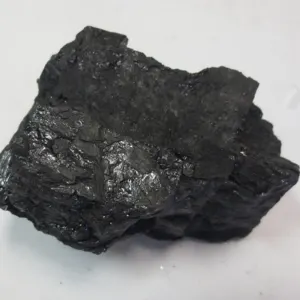
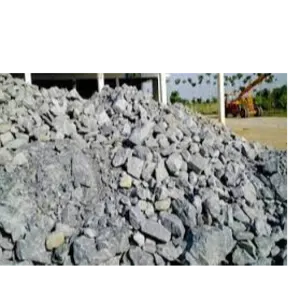
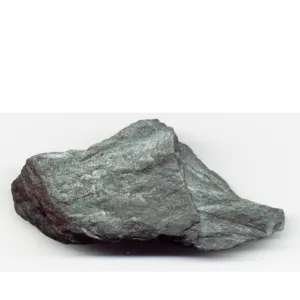
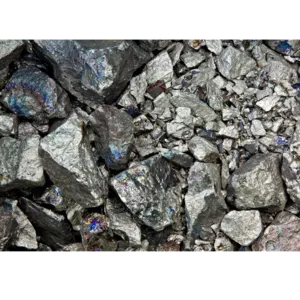
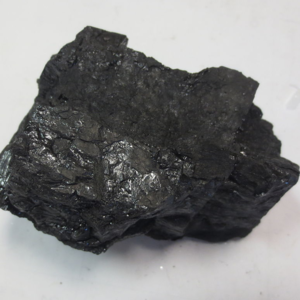
Germany, based in the Baunsbergstrasse area of Kassel, lists eight active product lines. The catalogue includes Refined Sunflower Oil (HS 1512.19), Liquefied Natural Gas (HS 2711.11), Potassium Chloride (Potash, HS 3104.20), Electrolytic Nickel Cathode 99.99 % pure (HS 7502.10), Iron Ore (hematite/magnetite, Fe 62‑67 %, HS 2601.11), Palm Oil (HS 1511.10), Natural Barite (BaSO4, HS 2511.10) and Anthracite Coal (high‑carbon, HS 2701.11). Each product is identified with its specific HS code and material description as provided in the supplier’s catalogue.
Product Range and Specialties of DHM Consulting
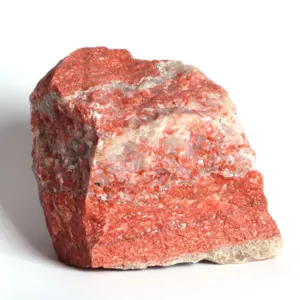
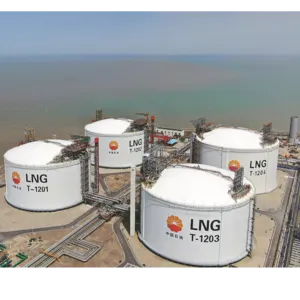
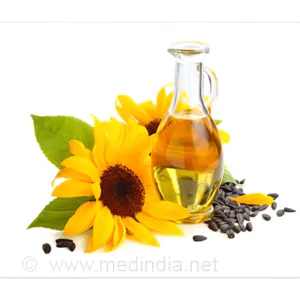
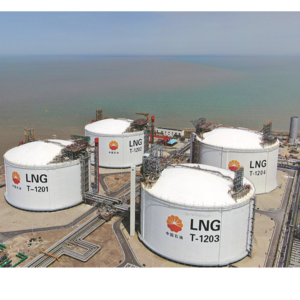
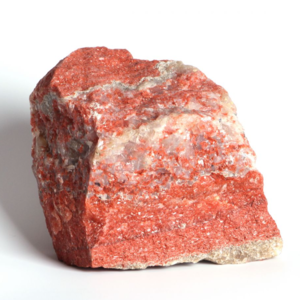
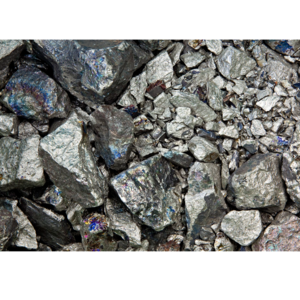
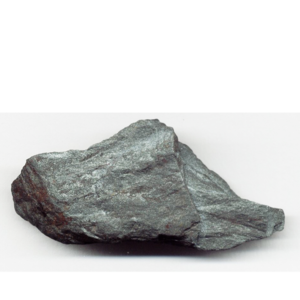
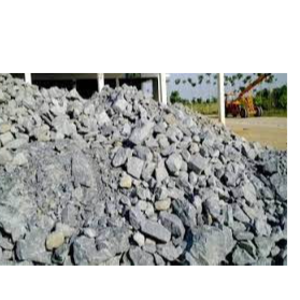
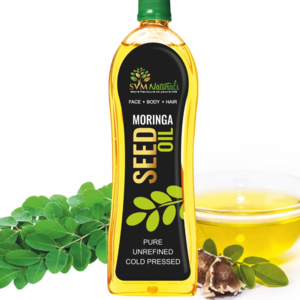
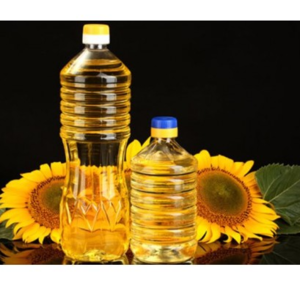
The product set covers both edible oils and bulk minerals. Refined Sunflower Oil and Palm Oil are typically sold in 200 L steel drums or ISO‑tank containers, with quality grades such as ICUMSA 45‑48 for sunflower and free fatty acid < 0.1 % for palm. Nickel cathodes at 99.99 % purity are supplied in 25 kg bags or bulk bags for downstream alloy production. Potash (Muriate of Potash) is usually shipped as granular KCl with a nitrogen content of 46 % and moisture < 0.5 %. Iron ore concentrates in the 62‑67 % Fe range are loaded in 20‑ft or 40‑ft containers on pallets, while Barite ore, with a specific gravity of 4.2‑4.5, is packed in woven polypropylene bags of 25 t each. Anthracite coal, characterized by carbon > 85 % and low volatile matter, is typically delivered in bulk 30‑t containers or rail‑car loads. LNG is exported in cryogenic tankers meeting ISO 21057 specifications, with methane purity usually above 90 %.
Industry standards for these categories include ISO 9001 quality management for mineral exports, REACH compliance and a Codex Alimentarius reference for edible oils, and ASTM B527 for nickel cathodes. Buyers often request SGS or Intertek inspection certificates, material safety data sheets (MSDS), and, where applicable, phytosanitary certificates for oil products.
Trade and Export Information - DHM Consulting
Germany’s export infrastructure supports bulk shipments of minerals and liquids to Europe, the Middle East, and Asian markets. HS chapter 25 (Barite) and chapter 26 (Iron ore, Coal) are subject to customs duties based on weight and origin, with many importers requiring a Certificate of Origin and an Independent Inspection Report. Edible oils under HS 1511‑1512 are frequently inspected for free fatty acid, peroxide value, and iodine value, and buyers in the EU often demand compliance with the EU Food Regulation EU 1169/2011. LNG exports follow the International Maritime Organization’s gas carrier regulations and usually trade on FOB or CIF terms, with buyers requesting a Statement of Compliance with the International Maritime Dangerous Goods (IMDG) Code.
German exporters of bulk commodities typically use maritime routes via the Port of Hamburg or Rotterdam, employing 20‑ft and 40‑ft containers for solid goods and bulk carriers for oil and LNG. Standard packaging includes 25 kg woven bags for nickel, 25‑t polypropylene bags for Barite, and 200 L drums for refined oils. Common certifications requested by importers include ISO 14001 environmental management for mining products and ISO 22000 for food‑grade oils.
Sourcing from DHM Consulting - Buyer Guidance
Buyers should request a Certificate of Analysis (CoA) that details free fatty acid, peroxide value and iodine value for Sunflower and Palm Oil, as well as a purity certificate for Nickel cathodes. For mineral shipments, an assay report confirming Fe content for iron ore, specific gravity for Barite, and moisture/ash content for Anthracite Coal is standard. Potash buyers normally ask for a KCl grade certificate and a moisture analysis. Sample sizes of 5‑10 L for oils, 25 kg for nickel, and 1‑t bulk samples for minerals are typical before full order confirmation.
Typical minimum order quantities (MOQ) range from 20 t for bulk minerals to 5 t for refined oils, with lead times of 30‑45 days from order receipt to vessel loading, depending on product availability and required certifications. Verification of MSDS, Certificate of Origin, and any required import permits should be completed prior to shipment to avoid customs delays.
Frequently Asked Questions About DHM Consulting
What HS codes are used for DHM Consulting’s main products?
The catalogue lists Sunflower Oil (HS 1512.19), LNG (HS 2711.11), Potash (HS 3104.20), Nickel cathode (HS 7502.10), Iron ore (HS 2601.11), Palm Oil (HS 1511.10), Barite (HS 2511.10) and Anthracite Coal (HS 2701.11).
Which quality specifications are common for the edible oils offered?
Buyers usually require ICUMSA 45‑48 for sunflower oil and free fatty acid < 0.1 % for palm oil, along with peroxide values below 10 meq O₂/kg and an iodine value appropriate to the oil type.
What documentation should be requested for the nickel product?
A purity certificate confirming 99.99 % Ni, an MSDS, and an independent assay report are standard documents for the electrolytic nickel cathode.
How is Barite typically packaged for export?
Barite ore is commonly packed in 25‑ton polypropylene bulk bags or in 20‑ft containers on wooden pallets, with a specific gravity test included in the shipment documents.
What are the usual incoterms for the LNG shipment?
LNG exports from Germany are typically quoted on FOB or CIF terms, with the buyer receiving a Statement of Compliance with the IMDG Code and a cryogenic container inspection report.
What sample size is appropriate for testing iron ore quality?
A bulk sample of 1 ton, representing the shipment batch, is generally taken for chemical analysis of Fe content (62‑67 %) and moisture before final acceptance.
Are there any standard certifications importers should verify?
Importers commonly verify ISO 9001 quality management, ISO 14001 environmental compliance for minerals, and REACH or ISO 22000 food safety certifications for edible oils.
What lead time should a buyer expect for a full container of Sunflower Oil?
Lead times for a 20‑ft container of refined sunflower oil are typically 30‑45 days from order confirmation, allowing time for CoA issuance, packaging, and vessel scheduling.




 , Germany