Wujiang Huili Silk Co.Ltd. — Supplier

About Wujiang Huili Silk Co.Ltd. - Silk Supplier in China

Wujiang, China hosts Wujiang Huili Silk Co.Ltd., a supplier that currently lists eight distinct silk‑based products. The catalogue covers items such as Heavy Crepe De Chine, Silk Twill, Crepe Satin Plain, Crepe De Chine, Spandex Silk Satin, Silk Jacquard, Silk Spinning and Burn‑out Silk. All entries fall under the broader categories of Silk fabrics and accessories for scarves or stoles. The product list reflects a focus on woven and knit silk textiles suitable for high‑end apparel and fashion accessories. Each item is presented without additional HS‑code or certification data in the supplied catalogue.

The supplier’s portfolio emphasizes traditional silk constructions, including plain, satin, crepe and jacquard weaves that are commonly used in luxury garment manufacturing. The inclusion of Spandex Silk Satin indicates a blend that adds stretch, while Burn‑out Silk denotes a patterned treatment applied to pure silk. Silk Spinning refers to raw silk yarns that can be further processed by buyers. The eight product lines collectively address the material needs of manufacturers producing scarves, stoles, dresses, and interior décor items. No explicit quality certifications are listed, so buyers typically request standard industry test reports.

Product Range and Specialties of Wujiang Huili Silk Co.Ltd.

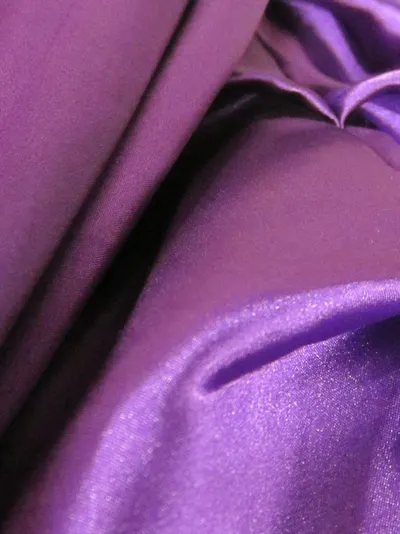
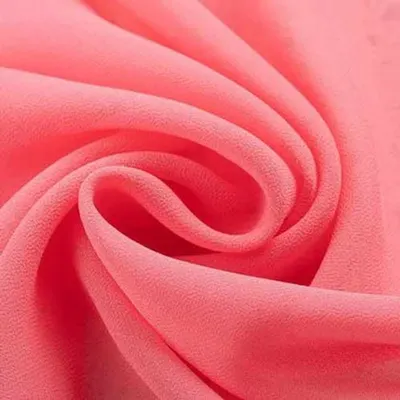
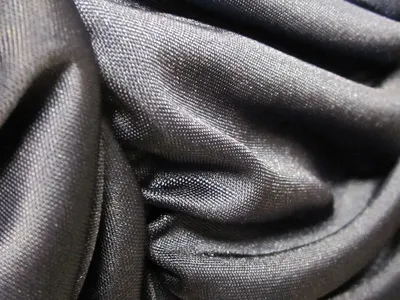
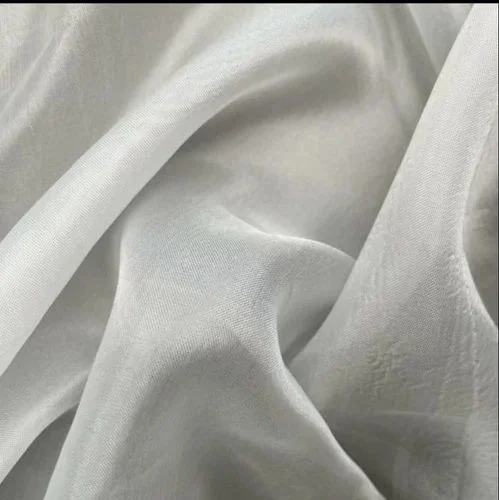
The catalogue’s Heavy Crepe De Chine and Crepe De Chine are classic silk fabrics with a matte finish and a typical weight of 12‑16 mommes, often specified for draping garments. Silk Twill and Silk Jacquard provide a diagonal or patterned weave respectively, with common specifications of 16‑22 mommes and a warp/weft density of 30‑40 ends per cm. Spandex Silk Satin combines 5‑10 % elastane with 90‑95 % silk to achieve a smooth, stretchable surface, while Burn‑out Silk uses a chemical burn‑out process to create sheer patterns, a technique popular in high‑fashion collections. Silk Spinning supplies raw filament yarns typically measured in denier ranges from 5 to 30 denier, suitable for both weaving and knitting.

Trade and Export Information - Wujiang Huili Silk Co.Ltd.

China remains the world’s largest exporter of raw and woven silk, with European and North American fashion houses accounting for a significant share of shipments. Export logistics for silk fabrics usually involve containerized freight in 20‑ft or 40‑ft units, packed in moisture‑controlled poly‑bags to preserve fiber integrity. Importers often require conformity to ISO 9001 quality management and test reports for fiber content, colorfastness to light (ISO 105‑B02) and wash (ISO 105‑C06). Customs classification for silk fabrics typically falls under HS chapter 50, and buyers should verify that the supplier can provide the necessary phytosanitary or textile declarations required by the destination country.

Sourcing from Wujiang Huili Silk Co.Ltd. - Buyer Guidance

When sourcing from Wujiang Huili Silk, buyers should request a mill test report confirming momme weight, silk purity (100 % filament), and any elastane content for blended items. Samples should be inspected for warp/weft uniformity, colorfastness, and burn‑out pattern consistency before confirming bulk orders, and the buyer should verify the supplier’s ability to meet packaging standards such as double‑layered poly‑bagging and container sealing.

Frequently Asked Questions About Wujiang Huili Silk Co.Ltd.

What types of silk fabrics are listed in the catalogue?

The catalogue includes Heavy Crepe De Chine, Crepe De Chine, Crepe Satin Plain, Silk Twill, Silk Jacquard, Spandex Silk Satin, Burn‑out Silk and raw Silk Spinning. These cover plain, crepe, satin, twill and patterned weaves commonly used in apparel and accessories.

Are the listed fabrics pure silk or blended?

Most items are pure filament silk, while Spandex Silk Satin is a blend that typically contains 5‑10 % elastane for stretch. The catalogue does not specify blends for the other fabrics, so buyers should confirm the exact fiber composition.

What quality specifications should I request for these silk fabrics?

Buyers usually ask for momme weight (e.g., 12‑22 mommes), fiber purity percentage, colorfastness test results (ISO 105‑B02 and ISO 105‑C06) and a mill test report. For blended items, the elastane content should also be documented.

What is the typical minimum order quantity (MOQ) for Chinese silk fabric suppliers?

Chinese silk manufacturers often set MOQs between 500 kg and 2 000 kg per fabric type, depending on weight and weave. Confirm the specific MOQ with the supplier for each product line.

What are the usual lead times for production and shipment?

Standard lead times for woven silk fabrics range from 30 to 45 days from order confirmation, plus additional time for container loading and transit. Expedited production may be possible with a higher priority request.

How are the fabrics packaged for export?

Silk fabrics are typically folded, placed in moisture‑controlled poly‑bags, and then packed in sealed cartons inside a 20‑ft or 40‑ft container. This protects the fibers from humidity and mechanical damage during transit.

Which documents should I obtain before shipment?

Buyers should request a commercial invoice, packing list, certificate of origin, mill test report and any required textile compliance certificates (e.g., ISO 9001, REACH). These documents facilitate customs clearance in most import markets.

What certifications are commonly required for silk imports?

Importers often require ISO 9001 for quality management, REACH compliance for chemical safety, and test reports for fiber content and colorfastness. While the supplier’s catalogue does not list certifications, buyers can ask the supplier to provide these documents.


Featured Products from this Supplier

Other Suppliers in Primary Category

Related Products

Trending in Parent Category

More Suppliers in Category

Related Products

Other Suppliers

EximNext
7.2K+ live requirements
Register Free🎁 Reach global buyers
Post Requirement
🌍 Trusted by 225K+ businesses in 200+ countries|
7.2K+ active requirements right now
✉️ [email protected]
|
Sell on EximNextPost Requirement
EximNext
AgricultureApparelConstructionElectronicFoodHomeIndustrialMineralsMiscellaneous
🔥 Deals|✨ AI Match|🏭 Suppliers|📋 Buy Leads|💰 Trade Finance
7.2K+ live RFQs·194.8K+ suppliers
🎁 Reach global buyers →
EximNext
EximNext
Register Free
🎁 Reach global buyers
Sign In
📋Post Requirement💬Get Quotes✨AI Match📋RFQ Marketplace
All Categories
Services & Tools
🏭Supplier Directory🔥Today's Deals💰Trade Finance
Sell on EximNext →
AboutContactBlogHelp
Apparel & Home  ·  China
8
products listed

Wujiang Huili Silk Co.Ltd.

⚓ Harbor
Country flag , ChinaNew supplier / no reviews yet
🛡️
54/100
Trust Score

Wujiang Huili Silk Co.Ltd. Product Catalog

Showing 8 of 8 products
View all products →
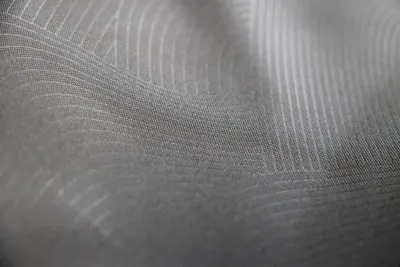
Silk Jacquard
⚓ Harbor
Silk Jacquard
Contact
MOQ: 1 Unit
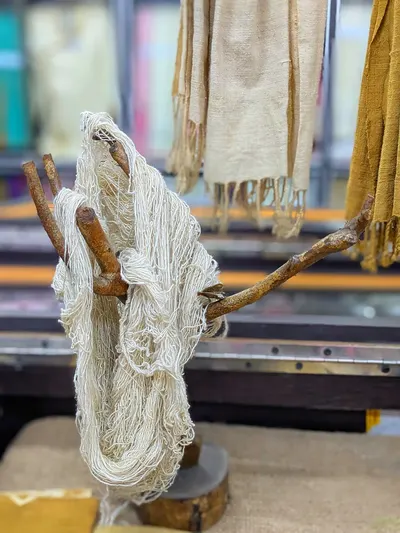
Silk Spinning
⚓ Harbor
Silk Spinning
Contact
MOQ: 1 Unit
Burn-out Silk
⚓ Harbor
Burn-out Silk
Contact
MOQ: 1 Unit
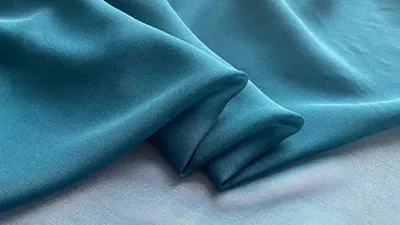
Heavy Crepe De Chine
⚓ Harbor
Heavy Crepe De Chine
Contact
MOQ: 1 Unit
Silk Twill
⚓ Harbor
Silk Twill
Contact
MOQ: 1 Unit
Crepe Satin Plain
⚓ Harbor
Crepe Satin Plain
Contact
MOQ: 1 Unit
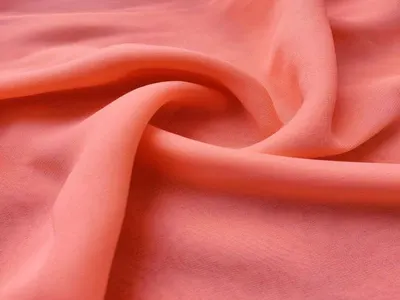
Crepe De Chine
⚓ Harbor
Crepe De Chine
Contact
MOQ: 1 Unit
Spandex Silk Satin
⚓ Harbor
Spandex Silk Satin
Contact
MOQ: 1 Unit

About Wujiang Huili Silk Co.Ltd. - Silk Supplier in China

Wujiang, China hosts Wujiang Huili Silk Co.Ltd., a supplier that currently lists eight distinct silk‑based products. The catalogue covers items such as Heavy Crepe De Chine, Silk Twill, Crepe Satin Plain, Crepe De Chine, Spandex Silk Satin, Silk Jacquard, Silk Spinning and Burn‑out Silk. All entries fall under the broader categories of Silk fabrics and accessories for scarves or stoles. The product list reflects a focus on woven and knit silk textiles suitable for high‑end apparel and fashion accessories. Each item is presented without additional HS‑code or certification data in the supplied catalogue.

The supplier’s portfolio emphasizes traditional silk constructions, including plain, satin, crepe and jacquard weaves that are commonly used in luxury garment manufacturing. The inclusion of Spandex Silk Satin indicates a blend that adds stretch, while Burn‑out Silk denotes a patterned treatment applied to pure silk. Silk Spinning refers to raw silk yarns that can be further processed by buyers. The eight product lines collectively address the material needs of manufacturers producing scarves, stoles, dresses, and interior décor items. No explicit quality certifications are listed, so buyers typically request standard industry test reports.

Product Range and Specialties of Wujiang Huili Silk Co.Ltd.

The catalogue’s Heavy Crepe De Chine and Crepe De Chine are classic silk fabrics with a matte finish and a typical weight of 12‑16 mommes, often specified for draping garments. Silk Twill and Silk Jacquard provide a diagonal or patterned weave respectively, with common specifications of 16‑22 mommes and a warp/weft density of 30‑40 ends per cm. Spandex Silk Satin combines 5‑10 % elastane with 90‑95 % silk to achieve a smooth, stretchable surface, while Burn‑out Silk uses a chemical burn‑out process to create sheer patterns, a technique popular in high‑fashion collections. Silk Spinning supplies raw filament yarns typically measured in denier ranges from 5 to 30 denier, suitable for both weaving and knitting.

Trade and Export Information - Wujiang Huili Silk Co.Ltd.

China remains the world’s largest exporter of raw and woven silk, with European and North American fashion houses accounting for a significant share of shipments. Export logistics for silk fabrics usually involve containerized freight in 20‑ft or 40‑ft units, packed in moisture‑controlled poly‑bags to preserve fiber integrity. Importers often require conformity to ISO 9001 quality management and test reports for fiber content, colorfastness to light (ISO 105‑B02) and wash (ISO 105‑C06). Customs classification for silk fabrics typically falls under HS chapter 50, and buyers should verify that the supplier can provide the necessary phytosanitary or textile declarations required by the destination country.

Sourcing from Wujiang Huili Silk Co.Ltd. - Buyer Guidance

When sourcing from Wujiang Huili Silk, buyers should request a mill test report confirming momme weight, silk purity (100 % filament), and any elastane content for blended items. Samples should be inspected for warp/weft uniformity, colorfastness, and burn‑out pattern consistency before confirming bulk orders, and the buyer should verify the supplier’s ability to meet packaging standards such as double‑layered poly‑bagging and container sealing.

Frequently Asked Questions About Wujiang Huili Silk Co.Ltd.

What types of silk fabrics are listed in the catalogue?

The catalogue includes Heavy Crepe De Chine, Crepe De Chine, Crepe Satin Plain, Silk Twill, Silk Jacquard, Spandex Silk Satin, Burn‑out Silk and raw Silk Spinning. These cover plain, crepe, satin, twill and patterned weaves commonly used in apparel and accessories.

Are the listed fabrics pure silk or blended?

Most items are pure filament silk, while Spandex Silk Satin is a blend that typically contains 5‑10 % elastane for stretch. The catalogue does not specify blends for the other fabrics, so buyers should confirm the exact fiber composition.

What quality specifications should I request for these silk fabrics?

Buyers usually ask for momme weight (e.g., 12‑22 mommes), fiber purity percentage, colorfastness test results (ISO 105‑B02 and ISO 105‑C06) and a mill test report. For blended items, the elastane content should also be documented.

What is the typical minimum order quantity (MOQ) for Chinese silk fabric suppliers?

Chinese silk manufacturers often set MOQs between 500 kg and 2 000 kg per fabric type, depending on weight and weave. Confirm the specific MOQ with the supplier for each product line.

What are the usual lead times for production and shipment?

Standard lead times for woven silk fabrics range from 30 to 45 days from order confirmation, plus additional time for container loading and transit. Expedited production may be possible with a higher priority request.

How are the fabrics packaged for export?

Silk fabrics are typically folded, placed in moisture‑controlled poly‑bags, and then packed in sealed cartons inside a 20‑ft or 40‑ft container. This protects the fibers from humidity and mechanical damage during transit.

Which documents should I obtain before shipment?

Buyers should request a commercial invoice, packing list, certificate of origin, mill test report and any required textile compliance certificates (e.g., ISO 9001, REACH). These documents facilitate customs clearance in most import markets.

What certifications are commonly required for silk imports?

Importers often require ISO 9001 for quality management, REACH compliance for chemical safety, and test reports for fiber content and colorfastness. While the supplier’s catalogue does not list certifications, buyers can ask the supplier to provide these documents.

About Wujiang Huili Silk Co.Ltd. - Silk Supplier in China

Wujiang, China hosts Wujiang Huili Silk Co.Ltd., a supplier that currently lists eight distinct silk‑based products. The catalogue covers items such as Heavy Crepe De Chine, Silk Twill, Crepe Satin Plain, Crepe De Chine, Spandex Silk Satin, Silk Jacquard, Silk Spinning and Burn‑out Silk. All entries fall under the broader categories of Silk fabrics and accessories for scarves or stoles. The product list reflects a focus on woven and knit silk textiles suitable for high‑end apparel and fashion accessories. Each item is presented without additional HS‑code or certification data in the supplied catalogue.

The supplier’s portfolio emphasizes traditional silk constructions, including plain, satin, crepe and jacquard weaves that are commonly used in luxury garment manufacturing. The inclusion of Spandex Silk Satin indicates a blend that adds stretch, while Burn‑out Silk denotes a patterned treatment applied to pure silk. Silk Spinning refers to raw silk yarns that can be further processed by buyers. The eight product lines collectively address the material needs of manufacturers producing scarves, stoles, dresses, and interior décor items. No explicit quality certifications are listed, so buyers typically request standard industry test reports.

Product Range and Specialties of Wujiang Huili Silk Co.Ltd.

The catalogue’s Heavy Crepe De Chine and Crepe De Chine are classic silk fabrics with a matte finish and a typical weight of 12‑16 mommes, often specified for draping garments. Silk Twill and Silk Jacquard provide a diagonal or patterned weave respectively, with common specifications of 16‑22 mommes and a warp/weft density of 30‑40 ends per cm. Spandex Silk Satin combines 5‑10 % elastane with 90‑95 % silk to achieve a smooth, stretchable surface, while Burn‑out Silk uses a chemical burn‑out process to create sheer patterns, a technique popular in high‑fashion collections. Silk Spinning supplies raw filament yarns typically measured in denier ranges from 5 to 30 denier, suitable for both weaving and knitting.

Trade and Export Information - Wujiang Huili Silk Co.Ltd.

China remains the world’s largest exporter of raw and woven silk, with European and North American fashion houses accounting for a significant share of shipments. Export logistics for silk fabrics usually involve containerized freight in 20‑ft or 40‑ft units, packed in moisture‑controlled poly‑bags to preserve fiber integrity. Importers often require conformity to ISO 9001 quality management and test reports for fiber content, colorfastness to light (ISO 105‑B02) and wash (ISO 105‑C06). Customs classification for silk fabrics typically falls under HS chapter 50, and buyers should verify that the supplier can provide the necessary phytosanitary or textile declarations required by the destination country.

Sourcing from Wujiang Huili Silk Co.Ltd. - Buyer Guidance

When sourcing from Wujiang Huili Silk, buyers should request a mill test report confirming momme weight, silk purity (100 % filament), and any elastane content for blended items. Samples should be inspected for warp/weft uniformity, colorfastness, and burn‑out pattern consistency before confirming bulk orders, and the buyer should verify the supplier’s ability to meet packaging standards such as double‑layered poly‑bagging and container sealing.

Frequently Asked Questions About Wujiang Huili Silk Co.Ltd.
What types of silk fabrics are listed in the catalogue?
The catalogue includes Heavy Crepe De Chine, Crepe De Chine, Crepe Satin Plain, Silk Twill, Silk Jacquard, Spandex Silk Satin, Burn‑out Silk and raw Silk Spinning. These cover plain, crepe, satin, twill and patterned weaves commonly used in apparel and accessories.
Are the listed fabrics pure silk or blended?
Most items are pure filament silk, while Spandex Silk Satin is a blend that typically contains 5‑10 % elastane for stretch. The catalogue does not specify blends for the other fabrics, so buyers should confirm the exact fiber composition.
What quality specifications should I request for these silk fabrics?
Buyers usually ask for momme weight (e.g., 12‑22 mommes), fiber purity percentage, colorfastness test results (ISO 105‑B02 and ISO 105‑C06) and a mill test report. For blended items, the elastane content should also be documented.
What is the typical minimum order quantity (MOQ) for Chinese silk fabric suppliers?
Chinese silk manufacturers often set MOQs between 500 kg and 2 000 kg per fabric type, depending on weight and weave. Confirm the specific MOQ with the supplier for each product line.
What are the usual lead times for production and shipment?
Standard lead times for woven silk fabrics range from 30 to 45 days from order confirmation, plus additional time for container loading and transit. Expedited production may be possible with a higher priority request.
How are the fabrics packaged for export?
Silk fabrics are typically folded, placed in moisture‑controlled poly‑bags, and then packed in sealed cartons inside a 20‑ft or 40‑ft container. This protects the fibers from humidity and mechanical damage during transit.
Which documents should I obtain before shipment?
Buyers should request a commercial invoice, packing list, certificate of origin, mill test report and any required textile compliance certificates (e.g., ISO 9001, REACH). These documents facilitate customs clearance in most import markets.
What certifications are commonly required for silk imports?
Importers often require ISO 9001 for quality management, REACH compliance for chemical safety, and test reports for fiber content and colorfastness. While the supplier’s catalogue does not list certifications, buyers can ask the supplier to provide these documents.

Wujiang Huili Silk Co.Ltd.
Country flag China
⚓ HarborApparel & Home
54/100
Trust Score
8
Products
✓ Free to contact — no commission
✓ Escrow payment available
✓ Verified business identity
Compare more suppliers
Post a requirement — get 10 quotes free
Let verified suppliers compete for your business. Free, fast, no commitment.
Due Diligence
Verify this supplier's real shipping history.
Every shipment, every buyer, every port. Trade data that can't be faked.
Run due diligence →
Discover More

Related Suppliers & Products

Explore similar suppliers, related products and trending categories

Featured Products from this Supplier

Other Suppliers in Primary Category

Related Products

Trending in Parent Category

More Suppliers in Category

Stay ahead in global trade
Weekly market insights & new supplier alerts.
EximNext
Exim Next is a leading global B2B marketplace, connecting over 220,000 registered suppliers and buyers across 200+ countries. As a trusted import export marketplace, it serves as the essential B2B portal for businesses worldwide, empowering them to expand their international reach. With Exim Next, businesses can trade smarter and grow faster.
SECURE PAYMENTS
VISAMastercardPayPalSWIFTL/CEscrow
Follow us
© 2026 EximNext