Wepl India — Verified Supplier
About Wepl India - Leggings And Jeggings Supplier in India
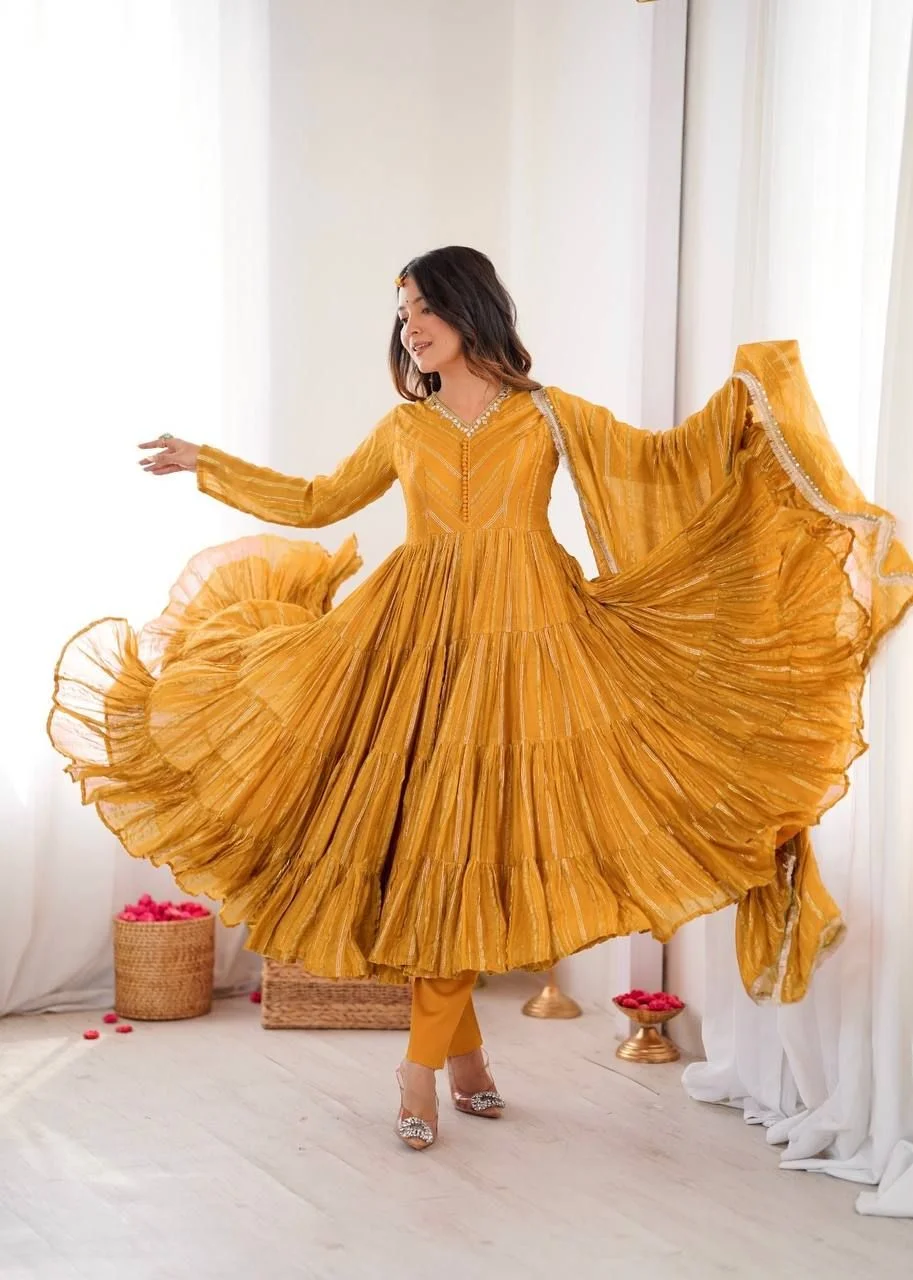
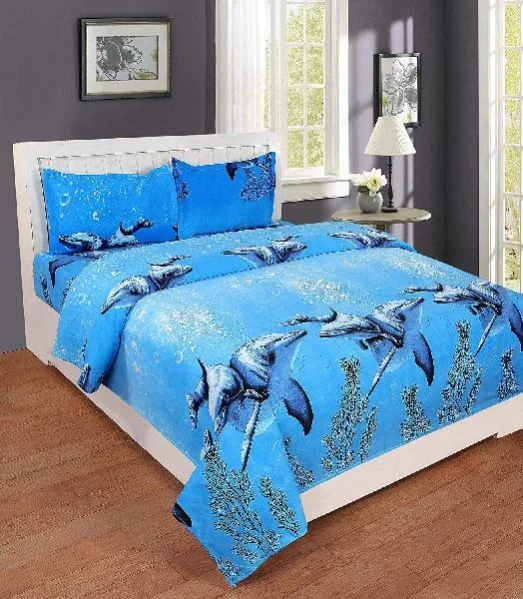
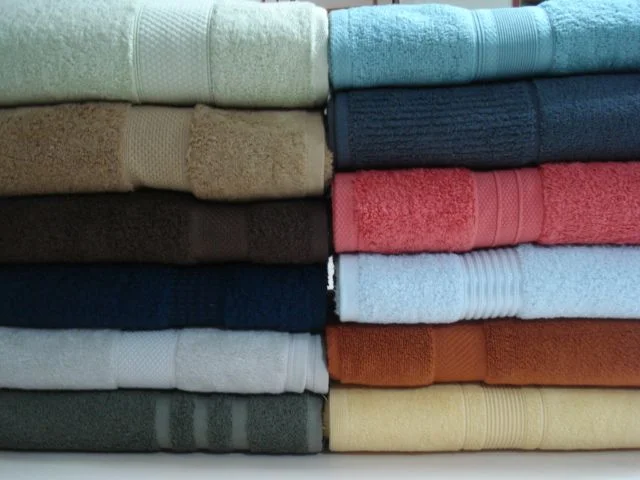
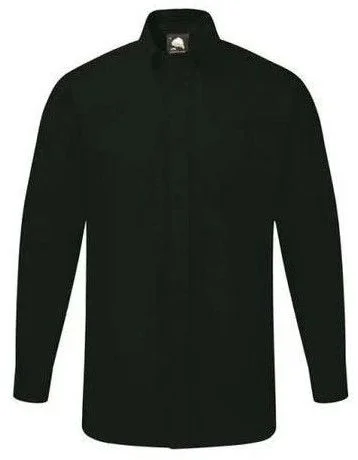
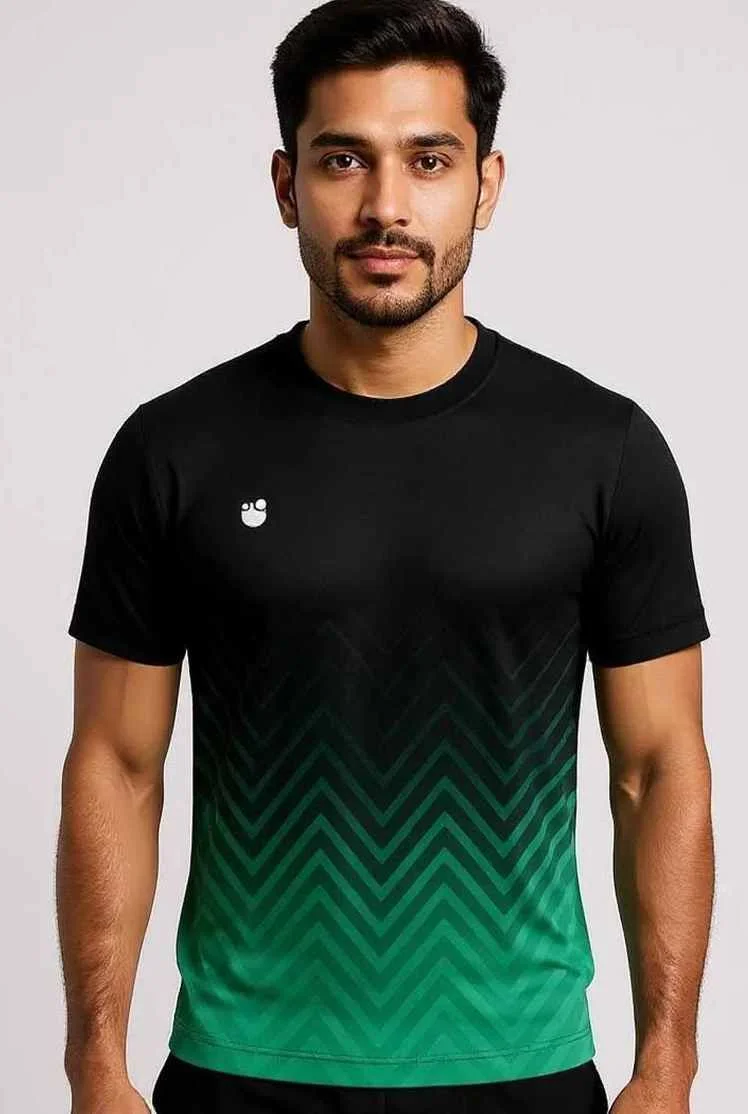
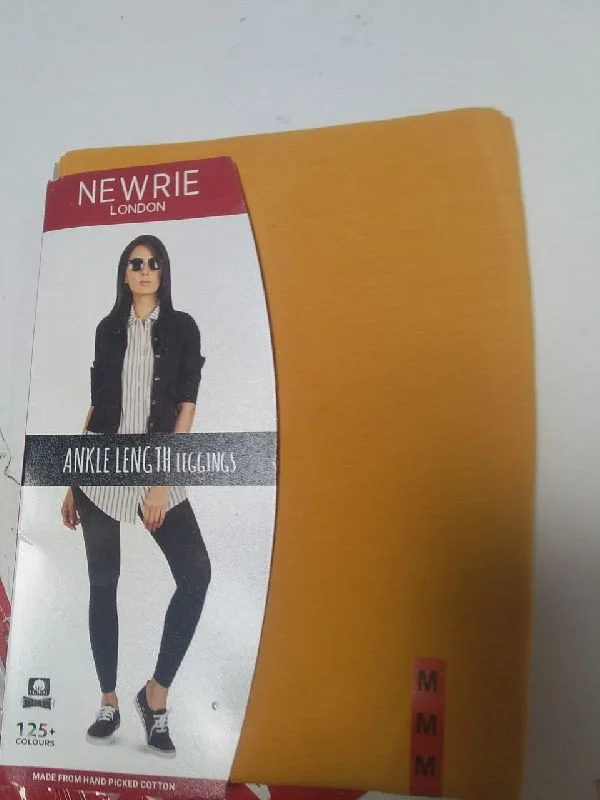
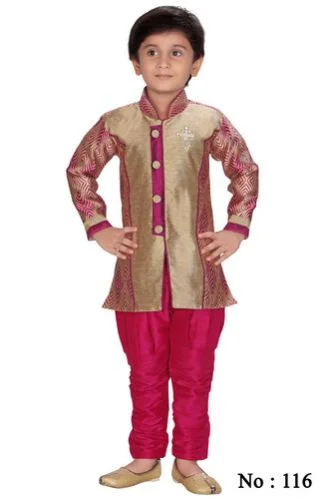
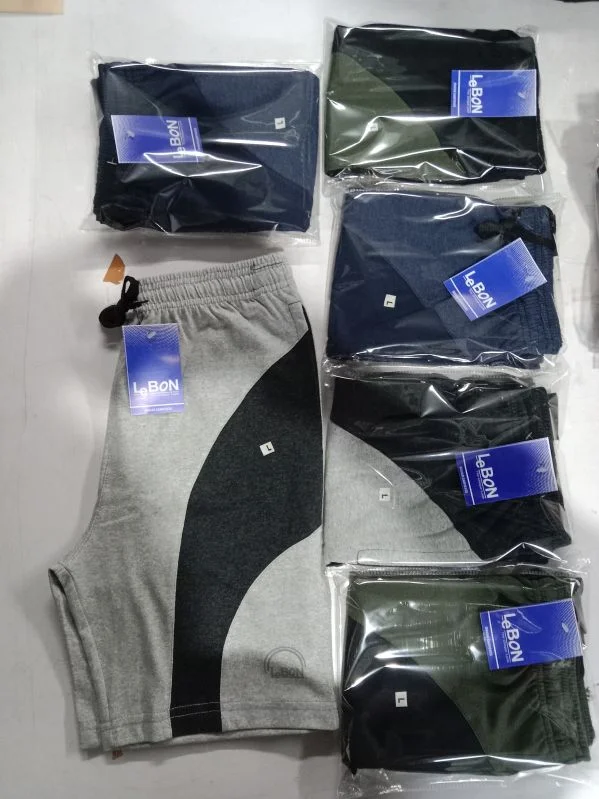
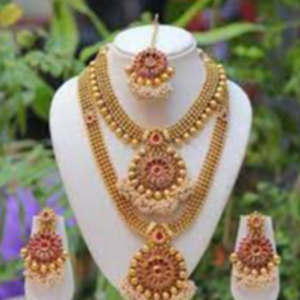
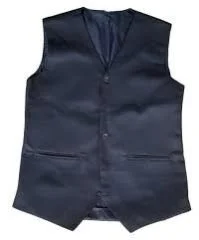
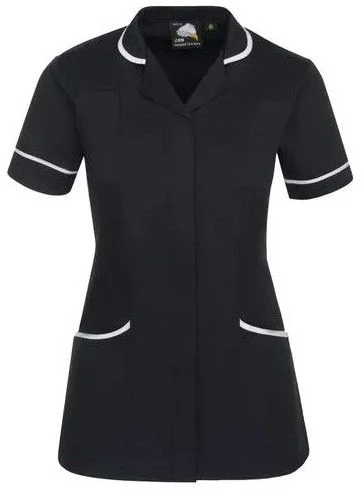
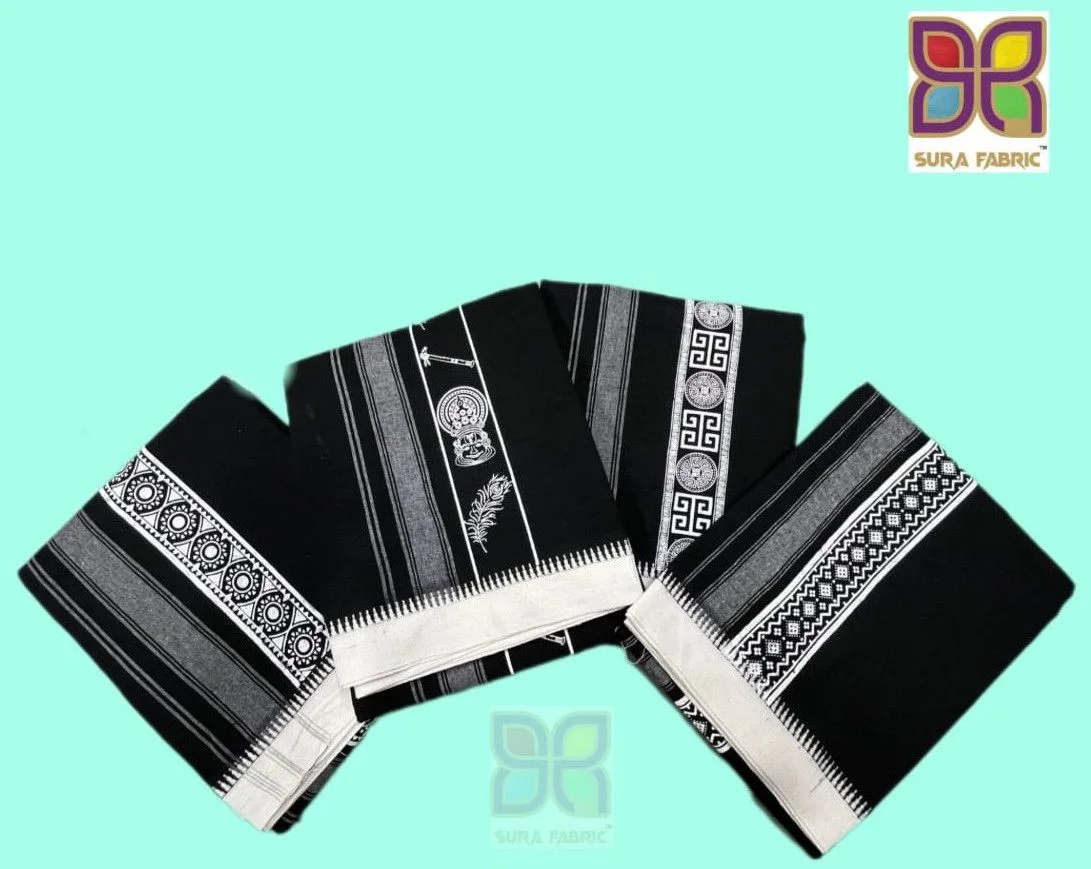
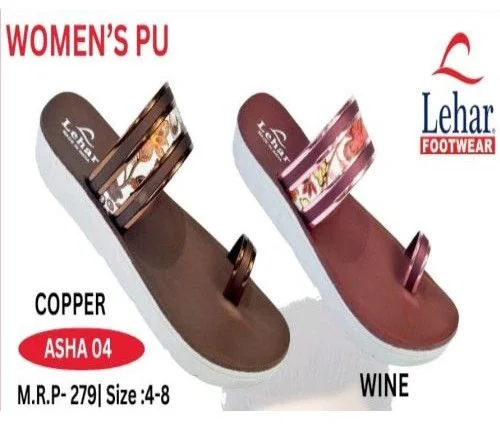
Wepl India operates from India and currently lists eight active products spanning apparel and home‑textile categories. The active product count of eight includes items such as leggings, traditional Indian dresses, night gowns, towels, shirts, T‑shirts and assorted tops, together with a bed‑sheet line that is classified under HS code 6302.32. Each product falls within the broader HS chapter 63 covering textile articles, which is standard for clothing and household fabrics. The supplier’s catalogue does not provide further technical specifications, but the product titles align with typical textile segments exported from India. The information reflects only the categories and HS classification supplied in the source data.
Product Range and Specialties of Wepl India
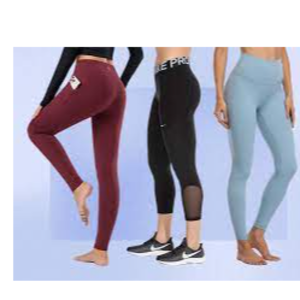
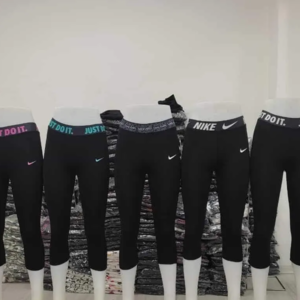
The catalogue shows leggings, which are generally produced from knit blends of cotton, polyester or elastane and are measured by stretch recovery and weight per square metre (gsm). Traditional Indian dresses and night gowns are usually woven or printed cotton fabrics, often assessed by yarn count (Ne / Nm) and colourfastness. Towels are typically evaluated on GSM values ranging from 300 - 600 gsm and absorbency standards such as ISO 105‑B02. Bed sheets listed under HS 6302.32 are commonly cotton or cotton‑polyester blends with thread counts from 200 to 400 and may be finished to meet Oeko‑Tex Standard 100. Shirts, T‑shirts and tops are generally knit or woven cotton, polyester or blends, with standard measurements including stitch density, seam strength and colour consistency. Industry practice also distinguishes between casual and formal cuts, which affect sizing tolerances and labeling requirements.
Trade and Export Information - Wepl India
India is a major exporter of both apparel and home textiles, with the European Union, United States and Middle‑East regions representing the largest import markets for these categories. HS 6302.32 for cotton‑polyester bed sheets is part of a tariff line that often requires compliance with fire‑safety regulations in the EU (e.g., REACH) and with labeling rules such as fibre‑content disclosure. Buyers typically request certifications such as Oeko‑Tex Standard 100, ISO 9001 quality‑management and, for certain markets, compliance with the Global Organic Textile Standard (GOTS) when organic fibres are claimed. Shipping of textile goods from Indian ports commonly uses 20‑ft or 40‑ft containers, with packing in poly‑bagged cartons of 25 kg each to optimise space and protect against moisture. Incoterms such as FOB Kolkata or CIF Dubai are frequently applied, and customs inspections often focus on HS code accuracy, fibre‑content verification and compliance with any anti‑dumping duties that may apply to specific textile sub‑headings.
Sourcing from Wepl India - Buyer Guidance
When sourcing from Wepl India, buyers should request a detailed product specification sheet that includes fibre composition, GSM or thread count, colour‑fastness test results and any relevant lab reports. Samples should be evaluated for seam integrity, shrinkage after laundering (per ISO 6330) and dimensional stability, especially for leggings and stretch fabrics. Because the supplier does not list certifications, buyers are advised to ask for Oeko‑Tex or ISO‑9001 certificates if those standards are required for the target market. Verify that the HS code declared for bed sheets matches the material description (cotton or cotton‑polyester blend) to avoid customs re‑classification. Confirm packaging details - such as carton dimensions, weight per carton and moisture barrier - before finalising the order.
Frequently Asked Questions About Wepl India
What product categories does Wepl India list in its catalogue?
The catalogue includes leggings, traditional Indian dresses or dress material, night gowns, towels, cotton or cotton‑polyester bed sheets (HS 6302.32), shirts, T‑shirts and assorted tops.
Which HS code is associated with any of the listed products?
Only the bed‑sheet product is linked to HS 6302.32, which covers cotton or cotton‑polyester bed linen.
What material is specified for the bed‑sheet product?
The bed‑sheet is described as made from cotton or a cotton‑polyester blend.
What typical certifications should a buyer request for these textile items?
Buyers normally request Oeko‑Tex Standard 100 for fibre safety, ISO 9001 for quality‑management and, where applicable, REACH compliance for chemical safety.
What are common quality parameters for towels and leggings?
Towels are evaluated by GSM (300‑600 gsm) and absorbency (ISO 105‑B02), while leggings are assessed for stretch recovery, elastane content and weight per square metre.
What packaging format is standard for exporting the listed textiles?
Export shipments are usually packed in poly‑bagged cartons of about 25 kg each, which are then loaded into 20‑ft or 40‑ft containers for sea freight.
What incoterms are typically used for Indian textile exports?
FOB from major Indian ports such as Kolkata or Mumbai and CIF to regional hubs like Dubai are common incoterms for these goods.
What documentation should a buyer verify before placing an order?
Buyers should obtain a product specification sheet, fibre‑content declaration, lab test reports (e.g., shrinkage, colour‑fastness) and any requested certifications such as Oeko‑Tex or ISO‑9001.




 , India