Agriculture›
 Apparel and fashion accessories›
 Construction & real estate›💡Electronic & Electrical›🍎Food & Beverages›🛋️Home furnishing & supplies›⚗️Industrial goods & chemical›🪨Minerals & metals›📦Miscellaneous›Agriculture›Apparel and fashion accessories›Construction & real estate›💡Electronic & Electrical›🍎Food & Beverages›🛋️Home furnishing & supplies›⚗️Industrial goods & chemical›🪨Minerals & metals›📦Miscellaneous›
Welton Bibby & Baron
⚓ Harbor , United KingdomNew supplier / no reviews yet
Welton Bibby & Baron Product Catalog


About Welton Bibby & Baron - Food Packaging Bags Supplier in United Kingdom
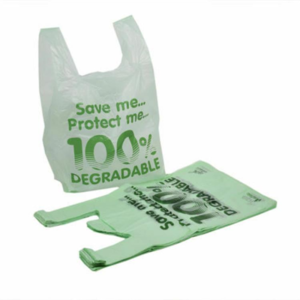
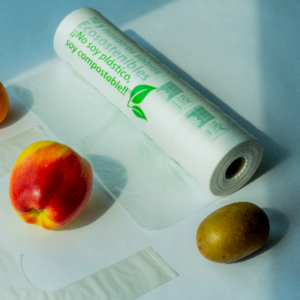
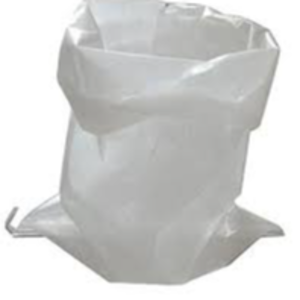
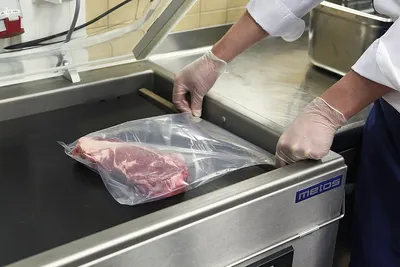
United Kingdom‑based Welton Bibby & Baron lists five active product entries in its catalogue. The supplier focuses on flexible packaging solutions, covering Food Packaging Bags, Plastic Carrier Bags, general Packaging Bags and Vacuum Bags. Its product portfolio includes retail carrier bags, pharmacy bags, food and ingredients bags, heat‑sealed protective bags and pet food bags. All items fall under the broader plastic bag segment commonly classified under HS chapter 39. The catalogue reflects a range of bag formats used across retail, pharmaceutical and food sectors.
The five listed products represent common bag types used for single‑use and multi‑use applications. Retail carrier bags are typically low‑density polyethylene (LDPE) or polypropylene (PP) with thickness from 30 to 70 µm. Pharmacy bags often require barrier properties and may incorporate a foil layer for moisture protection. Food and ingredients bags are designed for direct food contact and usually comply with FDA or EU food‑contact regulations. Heat‑sealed and protective bags are manufactured to withstand sealing temperatures up to 200 °C and provide tear resistance. Pet food bags are frequently produced in multi‑layer structures to ensure durability and freshness.
Product Range and Specialties of Welton Bibby & Baron
Welton Bibby & Baron’s catalogue includes retail carrier bags, pharmacy bags, food & ingredients bags, heat‑sealed protective bags and pet food bags. In the plastic bag market, these items are typically produced from LDPE, HDPE or PP, with common gauges ranging from 20 µm for lightweight carrier bags up to 120 µm for heavy‑duty vacuum bags. Standard specifications often reference ISO 9001 quality management, REACH compliance for chemical safety, and, where food contact is involved, FDA or EU Regulation No 1935/2004.
Buyers of plastic carrier and packaging bags usually request data on material composition, puncture resistance (measured in N), tensile strength (MPa), and melt flow index (MFI) for processing consistency. Multi‑layer vacuum bags may incorporate nylon or EVOH barrier films to achieve oxygen transmission rates below 5 cc m⁻² day⁻¹. Typical packaging sizes include bulk rolls of 500 kg or pre‑cut bags packed in 20‑ft containers, with moisture content below 0.5 % to maintain material integrity.
Frequently Asked Questions About Welton Bibby & Baron
What types of plastic are used in the bags listed by Welton Bibby & Baron?
The catalogue items are generally manufactured from low‑density polyethylene (LDPE), high‑density polyethylene (HDPE) or polypropylene (PP), depending on the required strength and barrier properties.
Are the food and ingredients bags suitable for direct food contact?
They are produced to meet food‑contact regulations such as the EU Regulation No 1935/2004 or FDA standards, and suppliers normally provide the relevant compliance certificates on request.
Which certifications should a buyer verify for these packaging bags?
Typical certifications include REACH registration for chemical safety, ISO 9001 for quality management, and, for food‑related bags, FDA or EU food‑contact approval and optionally BRC Food Safety certification.
What are the usual thickness ranges for the retail carrier bags and heat‑sealed protective bags?
Retail carrier bags commonly range from 30 µm to 70 µm, while heat‑sealed protective bags are often produced with thicknesses between 80 µm and 120 µm to withstand sealing temperatures.
What HS code is applied to these plastic bags for customs purposes?
Plastic bags of the types listed fall under HS Chapter 39, specifically heading 3923, which covers articles of plastics such as bags, sacks and similar packaging.
United KingdomRelated Suppliers & Products
Explore similar suppliers, related products and trending categories