Wave Function Ltda — Verified Supplier
About Wave Function Ltda - Multi‑Commodity Supplier in Brazil
Brazil‑based Wave Function Ltda lists 24 active products across base metals, industrial minerals and agricultural commodities. The catalogue groups items under HS‑code families such as 7403.11 for electrolytic copper cathodes, 7901.11 for Special High‑Grade zinc, 2601.11 for iron ore (hematite/magnetite) and 2530.90 for lithium‑spodumene concentrate, together with a set of products that lack an HS code in the source data, for example ICUMSA 45 sugar, soybeans, corn, coffee, cotton and various meat cuts.
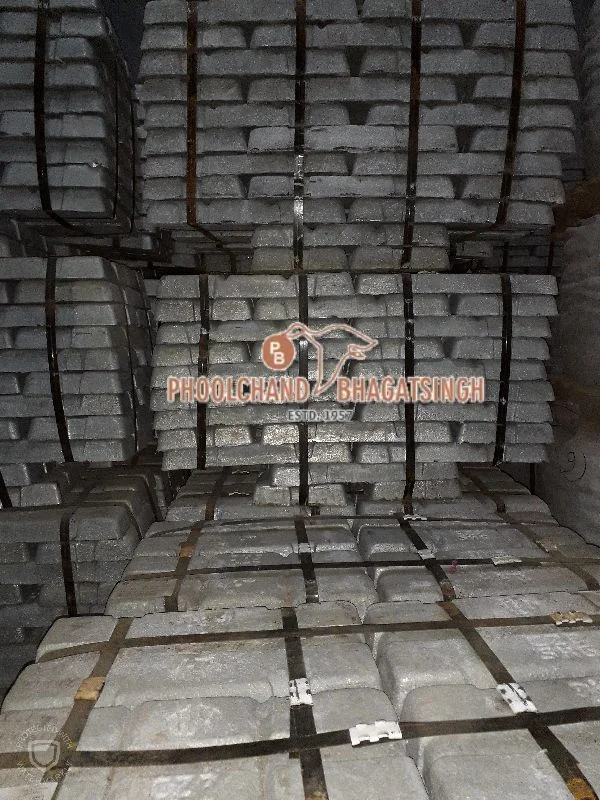
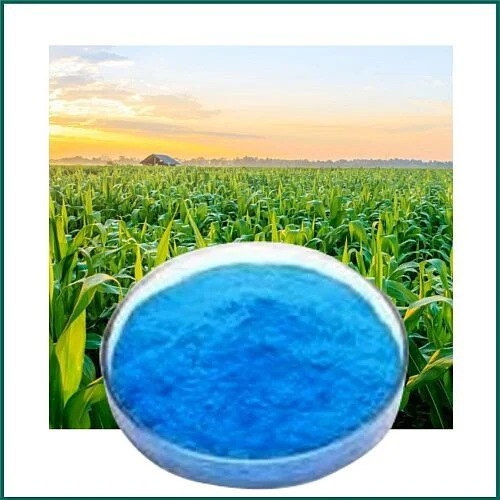
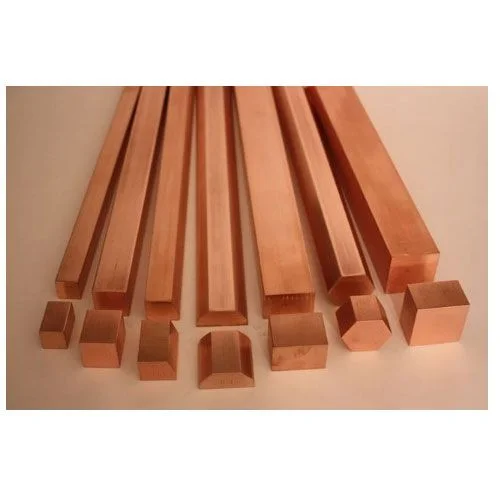
The mineral portfolio includes copper with a stated purity of 99.99 % (LME Grade A), zinc at a minimum of 99.995 % purity, iron ore with Fe ≥ 62 %, lithium concentrate (spodumene) and bauxite with Al₂O₃ 40‑60 %. Agricultural listings comprise VHP‑type sugar, soybeans, corn, coffee beans, cotton lint, beef, poultry, pork, frozen chicken and cocoa, each referenced only by product name in the supplied facts.
Product Range and Specialties of Wave Function Ltda
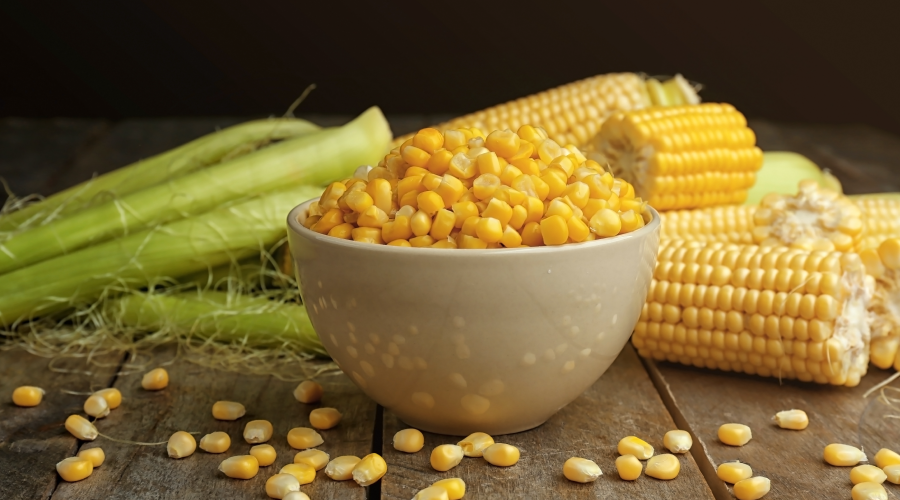
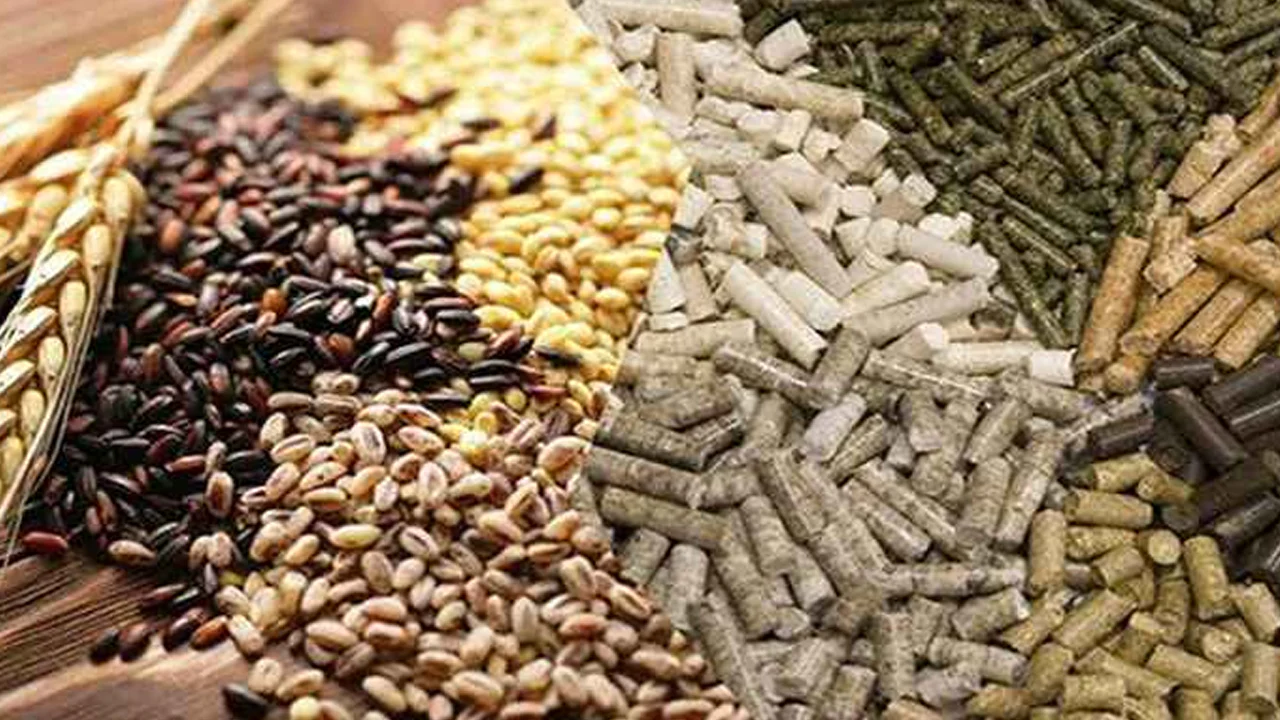
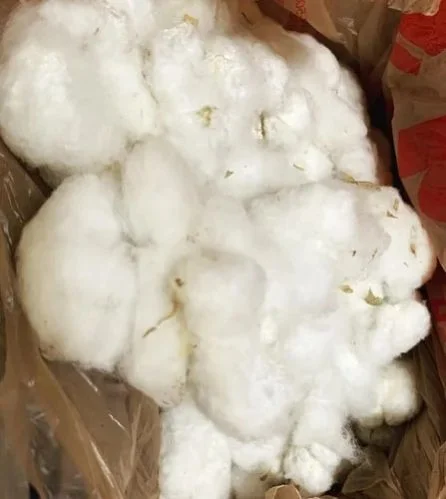
The metal line follows standard global specifications: copper cathodes are typically delivered as LME Grade A (≥ 99.99 % Cu), zinc as Special High‑Grade (≥ 99.995 % Zn) and iron ore as Fe ≥ 62 % hematite or magnetite concentrate. Lithium ore is presented as spodumene concentrate, which in the market usually contains 6‑7 % Li₂O and is shipped in bulk bags or containers. Bauxite grades range from 40‑60 % Al₂O₃, matching the common commercial grades used for aluminium smelting. Agricultural commodities follow well‑known quality benchmarks: ICUMSA 45 sugar meets the 45 % sucrose purity standard, soybeans are normally required to have ≤ 12 % moisture and ≤ 2 % foreign material, corn is evaluated on protein content (≈ 8‑9 %) and test weight, coffee beans are classified by cup score and defect count, cotton lint is graded by micronaire (3.5‑4.5) and staple length, and meat products are inspected for microbial limits and trim loss. The supplier’s catalogue therefore spans both bulk mineral shipments and bagged or palletised foodstuffs.
Trade and Export Information - Wave Function Ltda
Brazil is a leading exporter of copper, zinc, iron ore, bauxite and lithium concentrates, supplying mainly East Asia (China, South Korea, Japan), the European Union and North America. HS‑code chapters 74, 79, 26 and 25 cover these metals and ores, and shipments are typically handled in 20‑ft or 40‑ft containers for refined products or in bulk carriers for ore concentrates. Agricultural exports such as sugar, soybeans, corn, coffee and cocoa are shipped under HS chapters 17 and 18, often in 20‑ft containers with moisture‑controlled liners. Buyers of these commodities usually request ISO 9001 quality‑management certification, SGS or Bureau Veritas inspection certificates, and a Certificate of Origin. For metals, assay reports complying with ASTM B115 (copper) or ASTM B509 (zinc) are standard, while food products require phytosanitary certificates, COA (Certificate of Analysis) and, where applicable, organic or fair‑trade documentation. Brazilian exporters commonly use FOB Rio de Janeiro or CIF Shanghai terms, with cargo insured under Institute Cargo Clauses (A).
Sourcing from Wave Function Ltda - Buyer Guidance
When sourcing from Wave Function Ltda, buyers should ask for the latest assay or analysis report that confirms the stated purity - e.g., 99.99 % Cu for copper cathodes or 99.995 % Zn for zinc - together with a third‑party inspection certificate (SGS, Bureau Veritas). For ore shipments, request a detailed specification sheet showing Fe, Al₂O₃ or Li₂O percentages, moisture content and particle‑size distribution. For food items, obtain a COA that lists sucrose content (ICUMSA 45), moisture, foreign matter and mycotoxin limits, plus a phytosanitary certificate for meat and grain. Verify the HS code on the commercial invoice matches the product listed, confirm packaging (e.g., 20‑ton bulk bags for ores, 25 kg polypropylene bags for sugar, 1 ton Euro‑pallets for soybeans) and clarify the minimum order quantity - typically 20 metric tons for refined metals, 25 metric tons for bulk ores and 5‑10 metric tons for agricultural commodities. Lead times in Brazil range from 30 to 60 days depending on product availability and export clearance.
Frequently Asked Questions About Wave Function Ltda
What metal grades does Wave Function Ltda offer for copper and zinc?
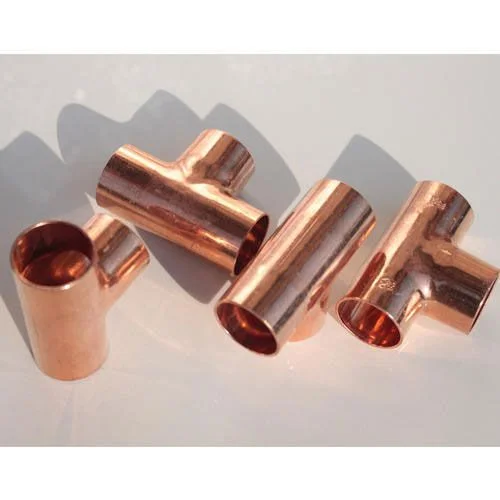
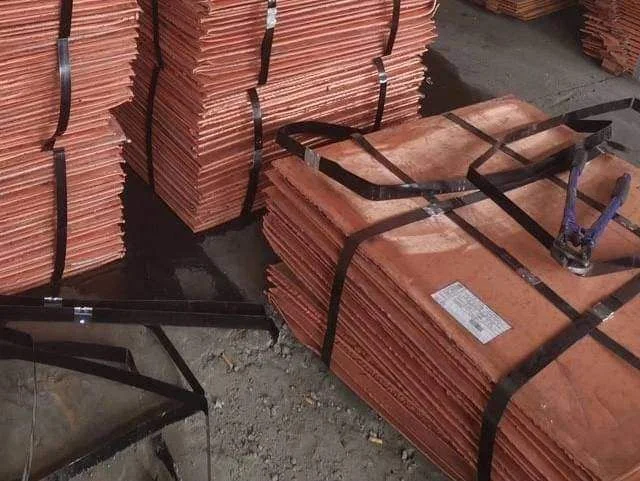
Copper is listed as electrolytic cathodes with 99.99 % purity (LME Grade A) under HS 7403.11. Zinc is described as Special High‑Grade (SHG) with a minimum of 99.995 % purity under HS 7901.11.
Which HS codes are associated with the ore products?
Iron ore is HS 2601.11, lithium ore (spodumene concentrate) HS 2530.90, bauxite HS 2606.00, tantalum concentrate HS 2615.90, niobium columbite concentrate HS 2615.90, and manganese ore HS 2602.00.
What quality documentation should a buyer request for the agricultural items?
Buyers should request a Certificate of Analysis showing sucrose purity for sugar (ICUMSA 45), moisture and foreign‑matter limits for soybeans, corn and coffee, and a phytosanitary certificate for meat products.
Are there typical minimum order quantities for the listed commodities?
In the Brazilian market, refined metals often have a 20‑metric‑ton MOQ, bulk ore shipments start around 25 metric tons, and agricultural commodities are commonly quoted from 5 to 10 metric tons per shipment.
What packaging formats are normally used for the listed minerals?
Copper cathodes and zinc are usually shipped in 20‑ft or 40‑ft containers on wooden pallets; ores such as iron, bauxite, lithium and manganese are packed in 20‑ton bulk bags or directly loaded into bulk carriers.
Which certifications are typically required for these products when importing?
Importers normally require ISO 9001 for the supplier’s quality system, third‑party inspection certificates (SGS or Bureau Veritas), and for food items a phytosanitary certificate and, where applicable, organic or fair‑trade certificates.
What Incoterms does Wave Function Ltda commonly use for export?
The supplier’s trade practice usually references FOB ports in Brazil (e.g., Rio de Janeiro) or CIF terms to major Asian or European destinations, with cargo insured under Institute Cargo Clauses (A).
How are HS codes handled for products without an HS code in the catalogue?
For items such as sugar, soybeans, corn, coffee, cotton and meat cuts, buyers should confirm the appropriate HS code with the supplier during the quotation process, as these codes are standard within HS chapters 17 (sugar) and 18 (foodstuffs).




 , Brazil