Wana Beverage JC — Manufacturer & Wholesale Supplier
About Wana Beverage JC - Beverage Supplier in Viet Nam
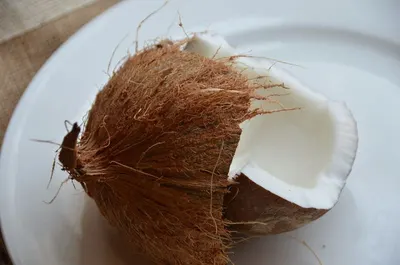
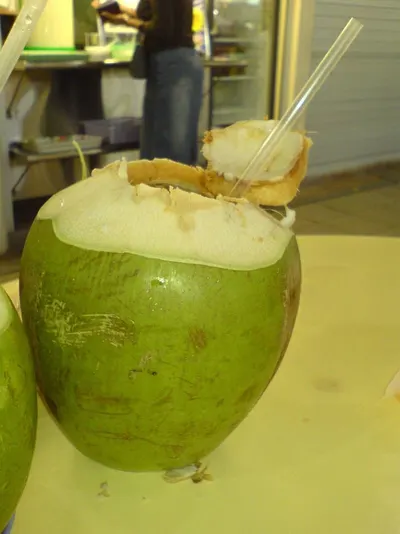
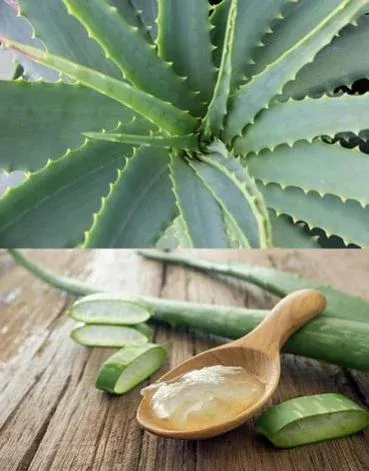
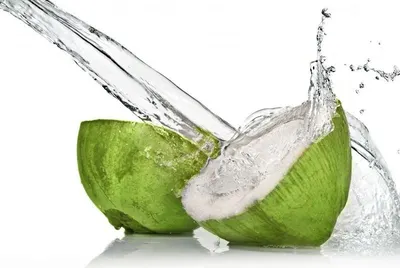
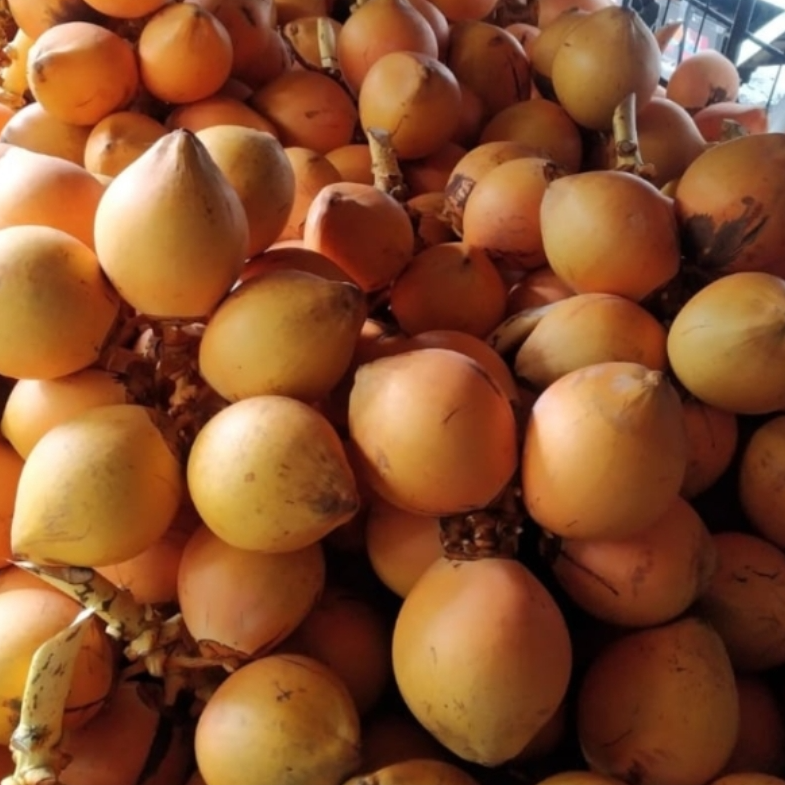
Vietnam, specifically the Binh Duong and Ho Chi Minh City region, hosts Wana Beverage JC which lists ten active beverage products. The catalogue covers coconut water variants, flavored coconut water, and a series of aloe‑vera based drinks in still and sparkling formats. Product sizes range from 250 ml bottles to 1000 ml containers, and the offerings include plain coconut water, carbonated coconut water, and aloe‑vera drinks with pulp, mixed fruit, or watermelon flavor. The supplier classifies its portfolio under categories such as Coconut Water & Coconut Milk, Beverages, Soft Drinks, Fruit Juices and Drinking Soda.
The listed items comprise a 100 % original coconut water without sugar or preservatives, flavored coconut water in 250 ml packs, and a sparkling coconut water variant. Aloe‑vera drinks are presented in 320 ml, 500 ml and 1000 ml PET bottles, some containing pulp and CO₂ carbonation, and flavored with watermelon or mixed fruit. All products are described as non‑alcoholic beverages, falling under the broader HS chapter 22 for drinks. No specific certifications are disclosed in the supplied data.
Product Range and Specialties of Wana Beverage JC
The product range includes ten items: plain coconut water, sparkling coconut water, flavored coconut water (250 ml), and a series of aloe‑vera drinks in 320 ml, 500 ml and 1000 ml formats, with variations such as pulp inclusion, mixed fruit flavor, watermelon flavor, and carbonation via CO₂. Materials noted are aloe vera, fruit juice concentrates, and carbon dioxide for sparkling versions. Packaging is primarily PET bottles, a common choice for ready‑to‑drink beverages due to its barrier properties and lightweight nature.
In the beverage industry, coconut water is typically assessed by Brix values between 4 % and 6 % and must meet microbial limits of ≤10 CFU/ml for total plate count and ≤1 CFU/100 ml for coliforms. Organic coconut water often carries certifications such as EU‑OP or USDA Organic. Aloe‑vera drinks commonly contain 5 - 10 % aloe vera pulp, pH between 3.5 and 4.5, and carbonation levels of 2 - 3 volumes of CO₂ for sparkling variants. Standard quality specifications include a shelf‑life of 12 - 18 months at ambient temperature and compliance with food safety standards like ISO 22000 and HACCP. Buyers usually request material safety data sheets (MSDS), microbial test reports, and a certificate of analysis (CoA) for each batch.
Trade and Export Information - Wana Beverage JC
Vietnam is a significant exporter of non‑alcoholic beverages, with the Binh Duong and Ho Chi Minh City logistics hubs facilitating shipments to Southeast Asia, the European Union, and North America. Products such as coconut water and aloe‑vera drinks fall under HS 2202 (non‑alcoholic beverages) and HS 2106 (fruit juices) classifications, which are subject to customs valuation and sanitary inspection in importing countries.
Importers typically require a phytosanitary certificate, a certificate of origin, and compliance with the importing market’s food safety regulations, including ISO 22000, HACCP, and any applicable organic certification. Container loading for PET‑bottled drinks usually follows a 20‑ft container capacity of approximately 12,000 units for 250 ml bottles or 4,000 units for 1000 ml bottles, with FOB Ho Chi Minh City or CIF destination being common Incoterms. Vietnamese beverage exporters often work with freight forwarders experienced in temperature‑controlled logistics to preserve product quality during sea transit.
Sourcing from Wana Beverage JC - Buyer Guidance
Potential buyers should request a sample batch together with a full certificate of analysis covering Brix, pH, microbiological limits, pesticide residue, and, where relevant, organic certification. Verifying the supplier’s food safety management system (ISO 22000 or HACCP) and obtaining a recent third‑party audit report can reduce compliance risk. Buyers should also confirm packaging specifications, such as PET bottle grade, cap type, and labeling compliance with the target market’s regulations.
Typical minimum order quantities for PET‑bottled drinks range from 10,000 to 20,000 units per SKU, with lead times of 30 - 45 days after final sample approval. Shipping documents to prepare include commercial invoice, packing list, bill of lading, certificate of origin, and any required health or sanitary certificates. Early clarification of required certifications and testing protocols helps streamline customs clearance and market entry.
Frequently Asked Questions About Wana Beverage JC
What types of coconut water products does Wana Beverage JC offer?
The catalogue lists plain coconut water, sparkling coconut water and flavored coconut water in 250 ml PET bottles. All variants are described as 100 % original, without added sugar or preservatives.
Are the aloe‑vera drinks carbonated or still?
Both formats are available. The sparkling aloe‑vera drink includes CO₂, while the still versions are offered in 320 ml, 500 ml and 1000 ml bottles with pulp or fruit‑juice flavors.
Which certifications should a buyer verify for these beverages?
Buyers should request copies of ISO 22000 or HACCP audit reports, a phytosanitary certificate, and, if organic claims are made, an EU‑OP or USDA Organic certificate. A certificate of analysis for each batch is also standard.
What packaging material is used for the listed products?
All products are packaged in PET bottles, a standard material for ready‑to‑drink beverages due to its durability and barrier properties. Caps are typically screw‑on polypropylene.
What is a typical minimum order quantity (MOQ) for these drinks?
MOQs generally start at 10,000 units per SKU, though larger volumes such as 20,000 units are common for container loads.
How long does production take after a sample is approved?
Lead times are usually 30 to 45 days from final sample approval to shipment, depending on order size and packaging specifications.
What shipping documents are required for export from Vietnam?
Standard documents include a commercial invoice, packing list, bill of lading, certificate of origin, and the relevant health or phytosanitary certificate required by the destination country.
Which HS codes apply to these beverage products?
Coconut water and other non‑alcoholic drinks are classified under HS 2202, while fruit‑juice based aloe‑vera drinks fall under HS 2106. Importers should confirm the exact sub‑heading based on product composition.





 , Viet Nam