Vikram Brothers — Verified Supplier
About Vikram Brothers - Tea Supplier in India
Vikram Brothers operates from India and currently lists five active products in its catalogue. The product set comprises CTC Tea, Assam Tea, Green Tea, Premix Tea and Instant Tea, covering both traditional black‑tea formats and specialty green‑tea offerings. Each entry aligns with the supplier’s two top categories, Tea and Green Tea, and reflects the standard HS‑code family for tea products (heading 0902). The catalogue does not provide additional product specifications, but the range spans bulk leaf, blended and instant formats typical for Indian tea exporters.
The supplier’s catalogue is organised under the broader tea classification without detailed sub‑category codes. In international trade, tea items are recorded under HS 0902 with sub‑headings such as 0902.10 for green tea and 0902.30 for black tea varieties. Vikram Brothers therefore falls within the common export framework used by Indian tea producers, which is recognised by customs authorities worldwide.
Product Range and Specialties of Vikram Brothers
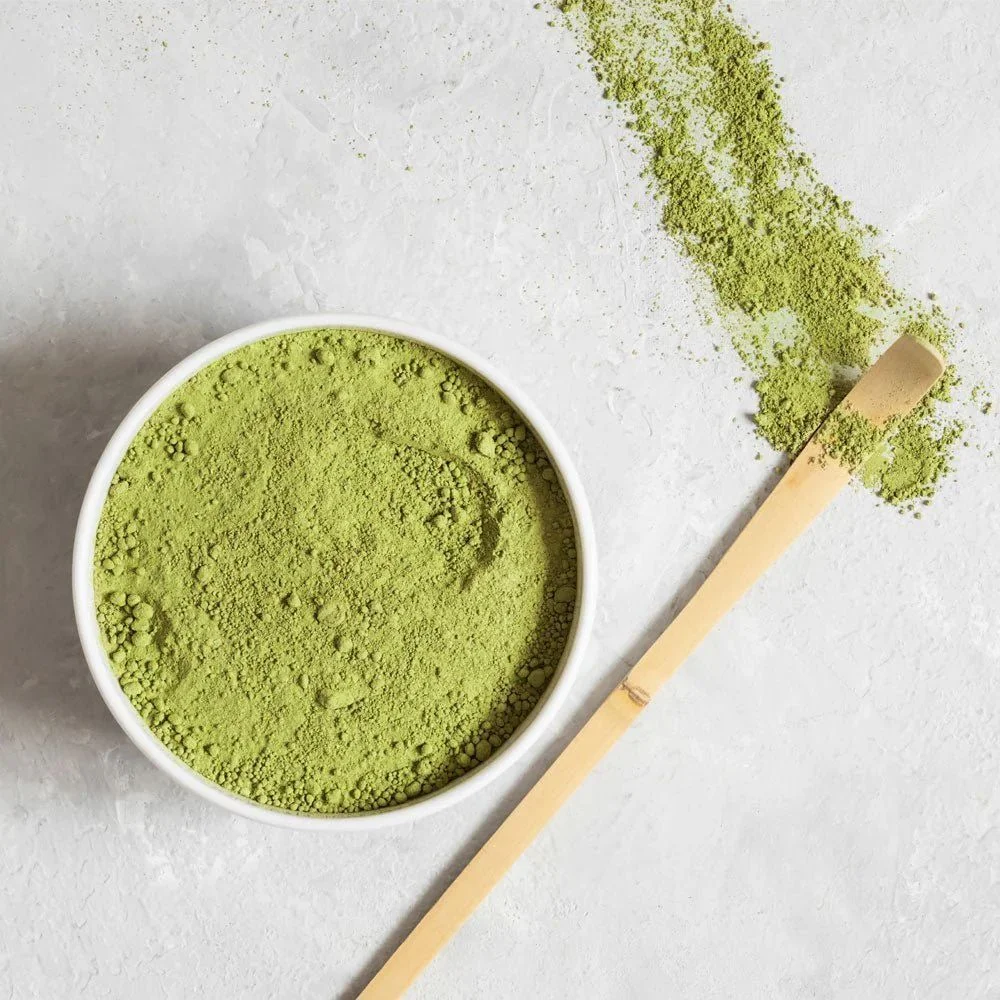
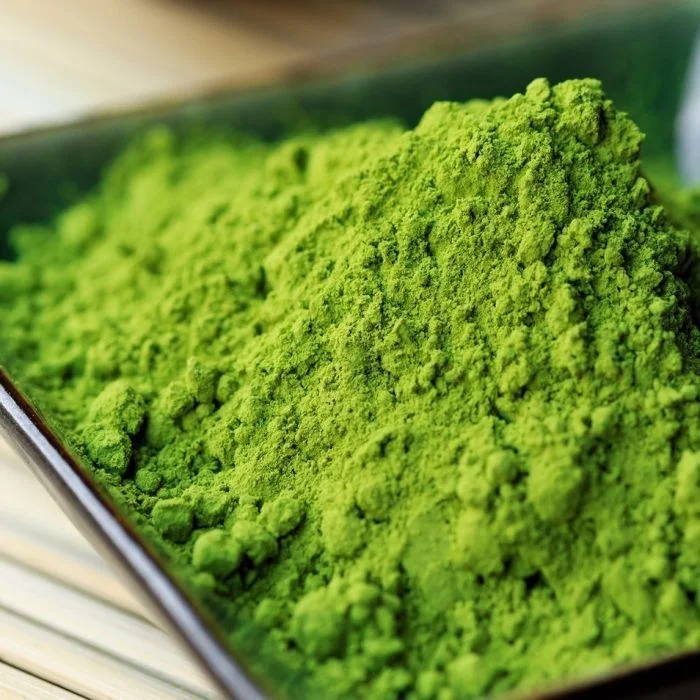
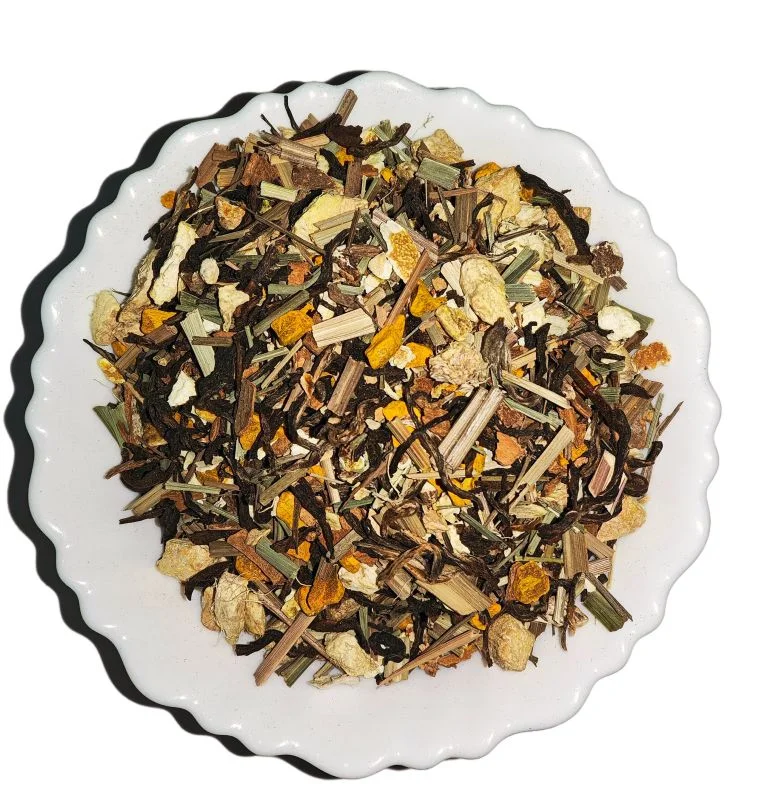
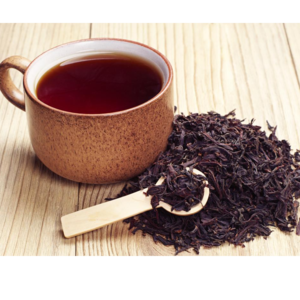
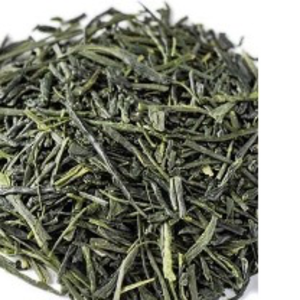
The five listed products represent core segments of the tea market. CTC (Crush‑Tear‑Curl) tea is a mechanically processed black tea used mainly for strong brews and chai blends; typical grades are FT (Flowery Orange Pekoe) and BOP (Broken Orange Pekoe) with moisture below 5 %. Assam tea refers to black tea sourced from the Assam region, commonly graded as PF (Pekoe Fannings) or BOPF with specific leaf size ranges. Green tea is usually graded SFT (Super Fine Tea) or PF, requiring low oxidation and moisture under 5 %. Premix tea denotes blends that may include flavorings, spices or herbal additives, and buyers often request a formulation sheet. Instant tea is a soluble powder produced by spray‑drying, with typical specifications of particle size below 250 µm and solubility above 95 %. All products are generally packed in food‑grade bulk bags or cartons for bulk shipment.
Trade and Export Information - Vikram Brothers
Indian tea exporters primarily serve markets in the Middle East, Europe and North America, with the United Kingdom, United Arab Emirates, Saudi Arabia, Germany and the United States ranking among the largest importers. The HS heading 0902 governs customs duties and statistical reporting, and many buyers require a phytosanitary certificate and a certificate of origin for clearance. Commonly requested certifications include ISO 22000 for food‑safety management and, where applicable, organic or Fairtrade credentials. Standard logistics involve 20‑ft or 40‑ft containers, each holding approximately 1,200 kg of bulk tea, and trade terms such as FOB or CIF are regularly used. Export documentation from India typically includes a commercial invoice, packing list, bill of lading, and any required inspection certificates issued by the Agricultural and Processed Food Products Export Development Authority (APEDA).
Sourcing from Vikram Brothers - Buyer Guidance
When sourcing from Vikram Brothers, buyers should request a product specification sheet that details leaf grade, moisture content, pesticide residue limits and any blending ratios for premix teas. Samples of bulk leaf or instant powder enable verification of aroma, flavor profile and solubility before committing to larger volumes. It is advisable to confirm the presence of a phytosanitary certificate, a certificate of origin and, if claimed, any organic or Fairtrade certification, as these are standard compliance documents for tea imports. Typical minimum order quantities start at 5 metric tonnes for bulk leaf teas, with lead times of 30‑60 days depending on processing, packaging and selected Incoterm.
Frequently Asked Questions About Vikram Brothers
What tea products does Vikram Brothers list in its catalogue?
The catalogue includes CTC Tea, Assam Tea, Green Tea, Premix Tea and Instant Tea, covering both black‑tea and green‑tea segments as well as blended and soluble formats.
Which HS code family applies to the products offered by Vikram Brothers?
Tea products are generally classified under HS heading 0902, with sub‑headings such as 0902.10 for green tea and 0902.30 for black tea varieties.
What quality parameters are typically required for bulk tea shipments?
Buyers usually require moisture content below 5 %, leaf size specifications according to grade, and compliance with Codex pesticide residue limits.
Which certifications should a buyer request from an Indian tea exporter?
Commonly requested certifications include ISO 22000 food‑safety certification, a phytosanitary certificate, and, where applicable, organic or Fairtrade certificates.
How are the tea products typically packaged for export?
Bulk tea is often packed in 25 kg jute or polypropylene bags, while instant tea is supplied in food‑grade cartons or bulk bags of 20 kg, both sealed to protect against moisture.
What are the usual minimum order quantities and lead times for these tea products?
Minimum order quantities generally start at 5 metric tonnes, and lead times range from 30 to 60 days, depending on processing, packaging and the chosen shipping terms.
Which regions are the main importers of Indian tea?
Key import markets include the United Kingdom, United Arab Emirates, Saudi Arabia, Germany and the United States, serving retail, hospitality and food‑service sectors.
What trade terms and logistics are typical for shipping tea from India?
Exporters often use FOB or CIF terms, loading the product into 20‑ft or 40‑ft containers that can hold roughly 1,200 kg of bulk tea, with standard documentation such as commercial invoice, packing list and bill of lading.




 , India