Verodav Group — Verified Supplier

About Verodav Group - Animal & Cattle Feed Supplier in France

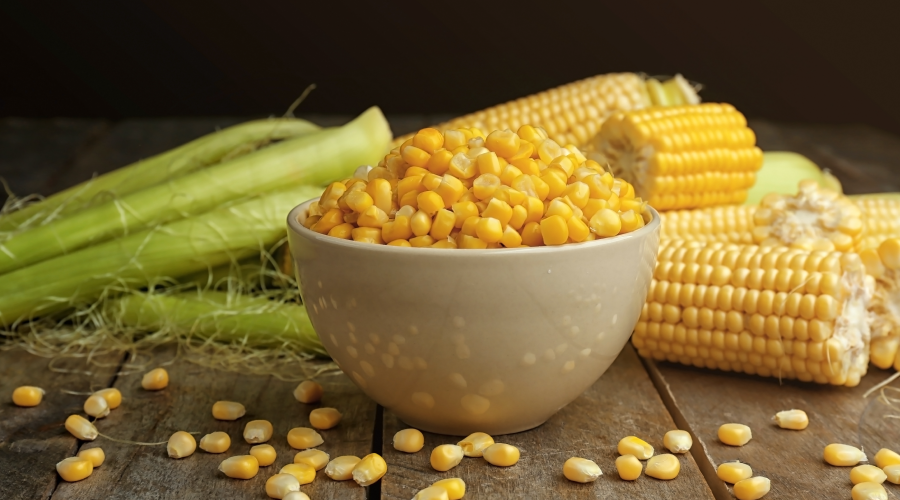
Verodav Group operates out of France and lists 21 distinct agricultural products in its catalogue. The portfolio spans animal and cattle feed, various grain and legume items such as yellow non‑GMO corn, red sorghum, kidney and black beans, and a selection of dry fruits, nuts and oilseed derivatives. Products are grouped under categories including Animal & Cattle Feed, Corn, Beans, Dry Fruits & Nuts, Soybean, Sorghum, Alfalfa Hay and Kidney Beans. The listed items cover both bulk feed formulations and raw commodities intended for further processing. The catalogue includes both plant‑based oils and meat products, reflecting a broad agri‑commodity offering.

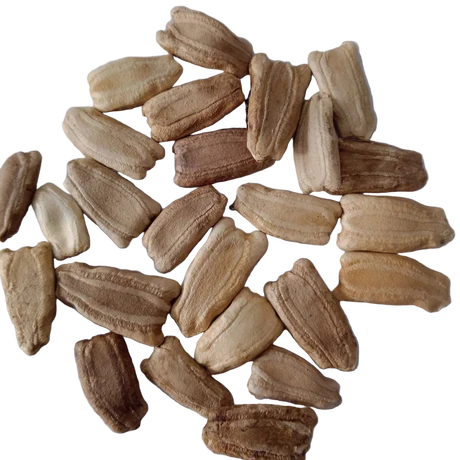
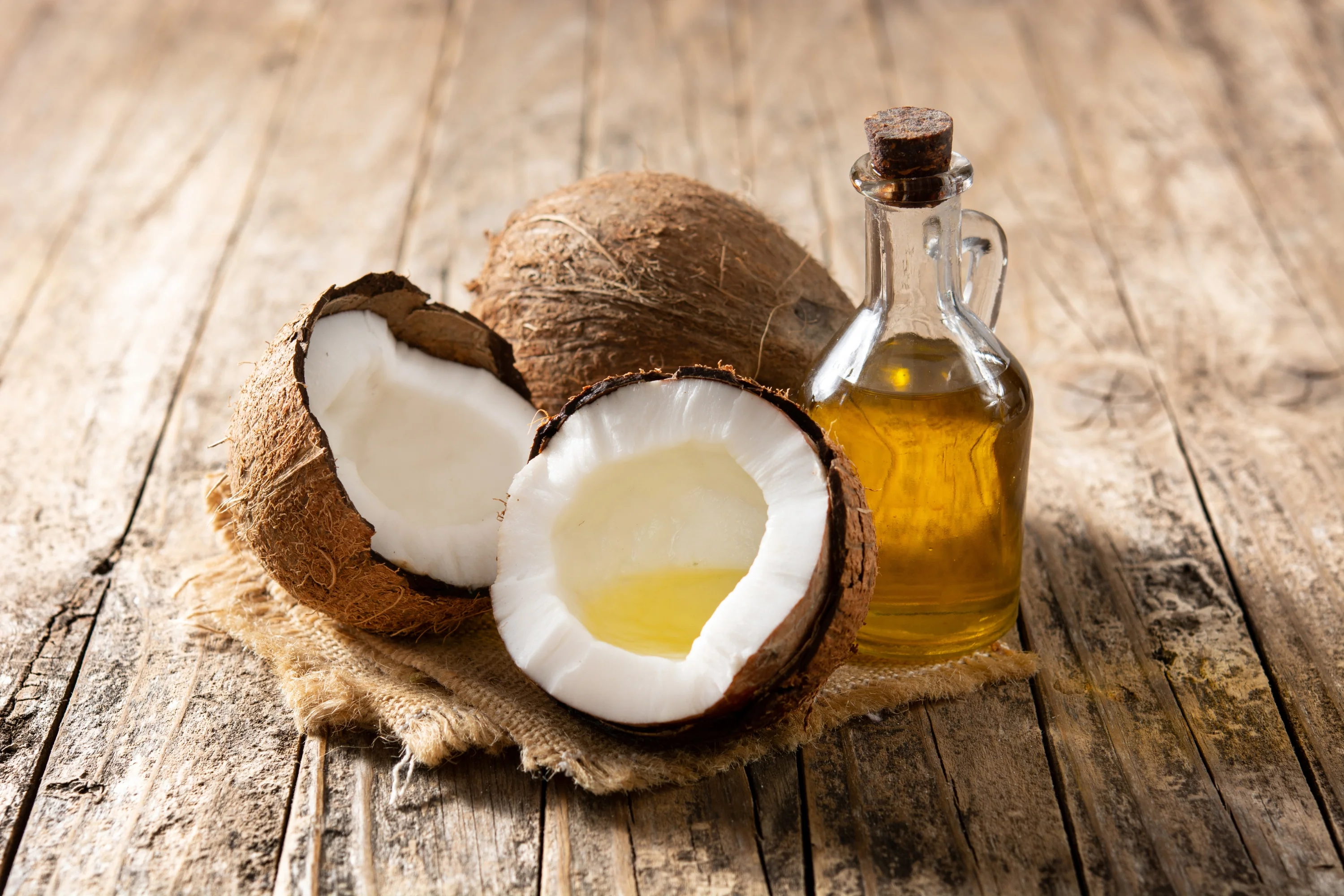
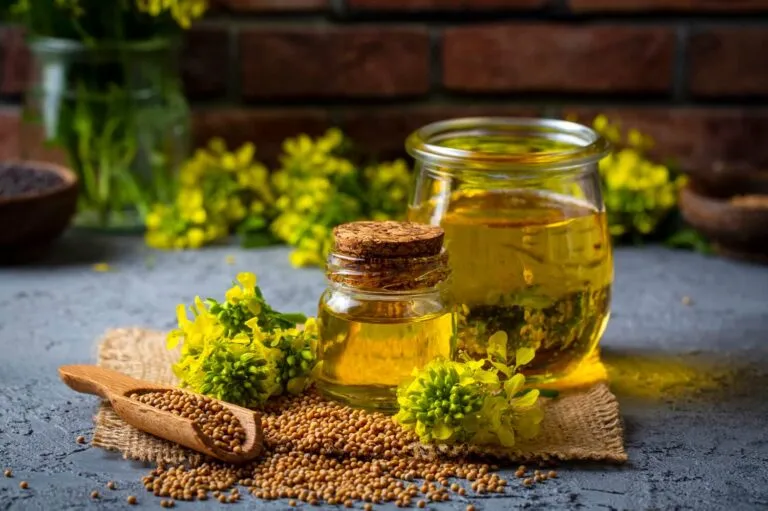
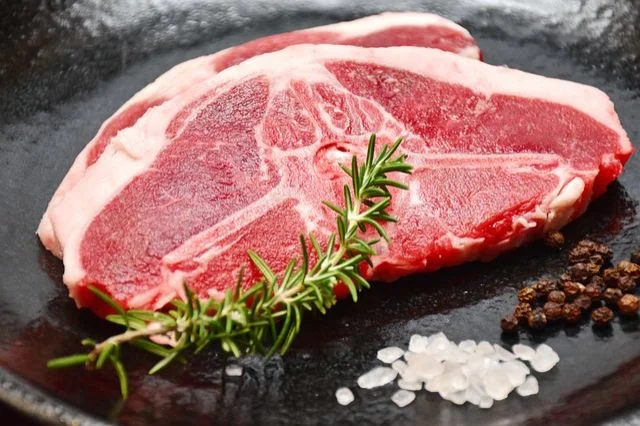
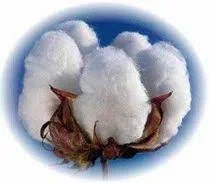
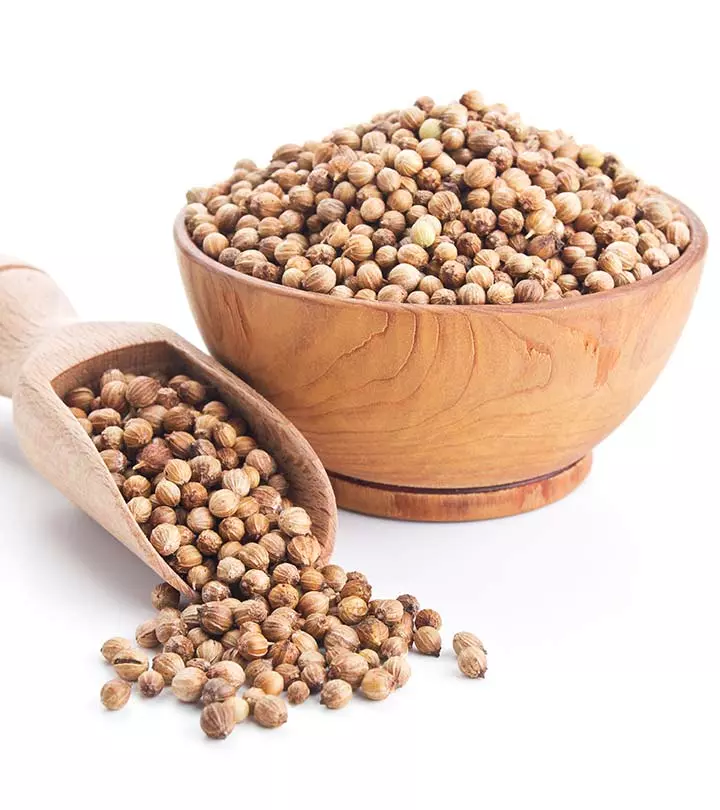
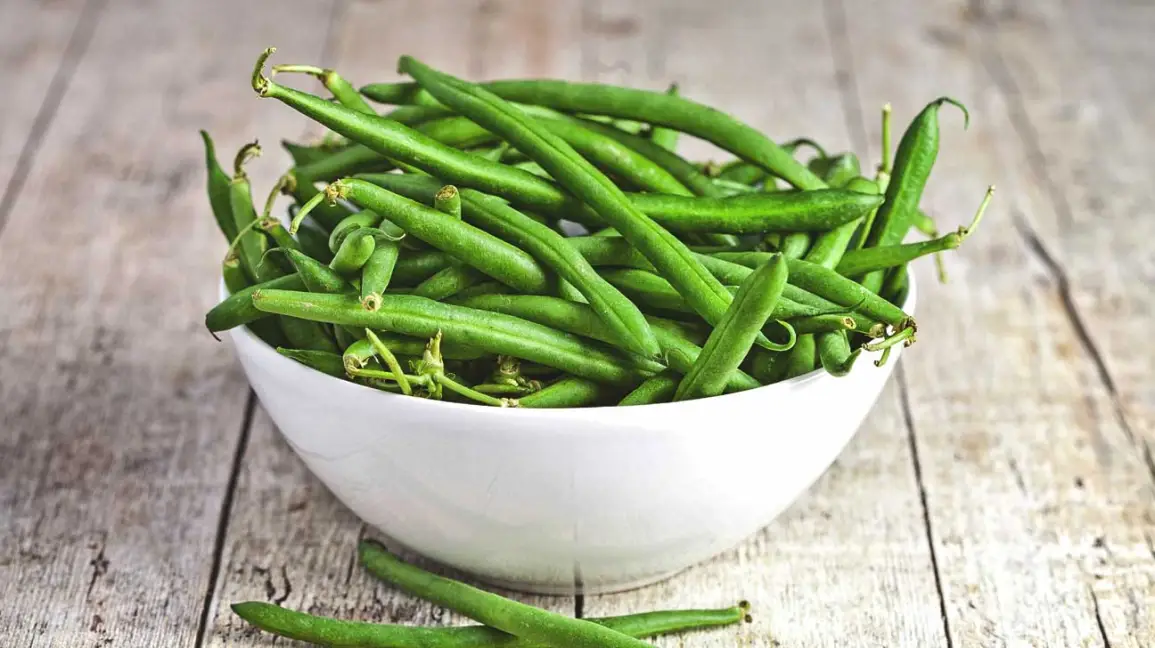
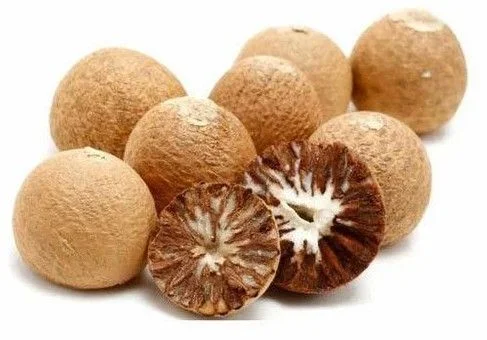
Specific entries with declared customs classifications include Black Beans (HS 0713.31, dried Phaseolus vulgaris), White Beans (HS 0713.39, dried Phaseolus vulgaris), Betel Nuts (HS 0802.90, dried Areca catechu) and Refined Canola Oil (HS 1514.19, low‑erucic acid rapeseed oil). Other items such as Dry Nuts, Non‑GMO Soybean, Cattle Feeding, Corn Grits, Poultry Feed, Alfalfa, Kidney Beans, Carob Seeds, Chia Seeds, Coriander Seeds, Cotton Seeds, Buffalo Meat, Sunflower Oil, Coconut Oil and generic Vegetable Oil are listed without explicit HS codes in the supplied data. The range therefore combines staple legumes, cereals, oilseeds and animal protein sources commonly traded under HS chapters 07, 08 and 15. The supplier’s catalogue therefore provides a mix of bulk grains, seed oils and processed feed components suitable for a variety of downstream markets.

Product Range and Specialties of Verodav Group

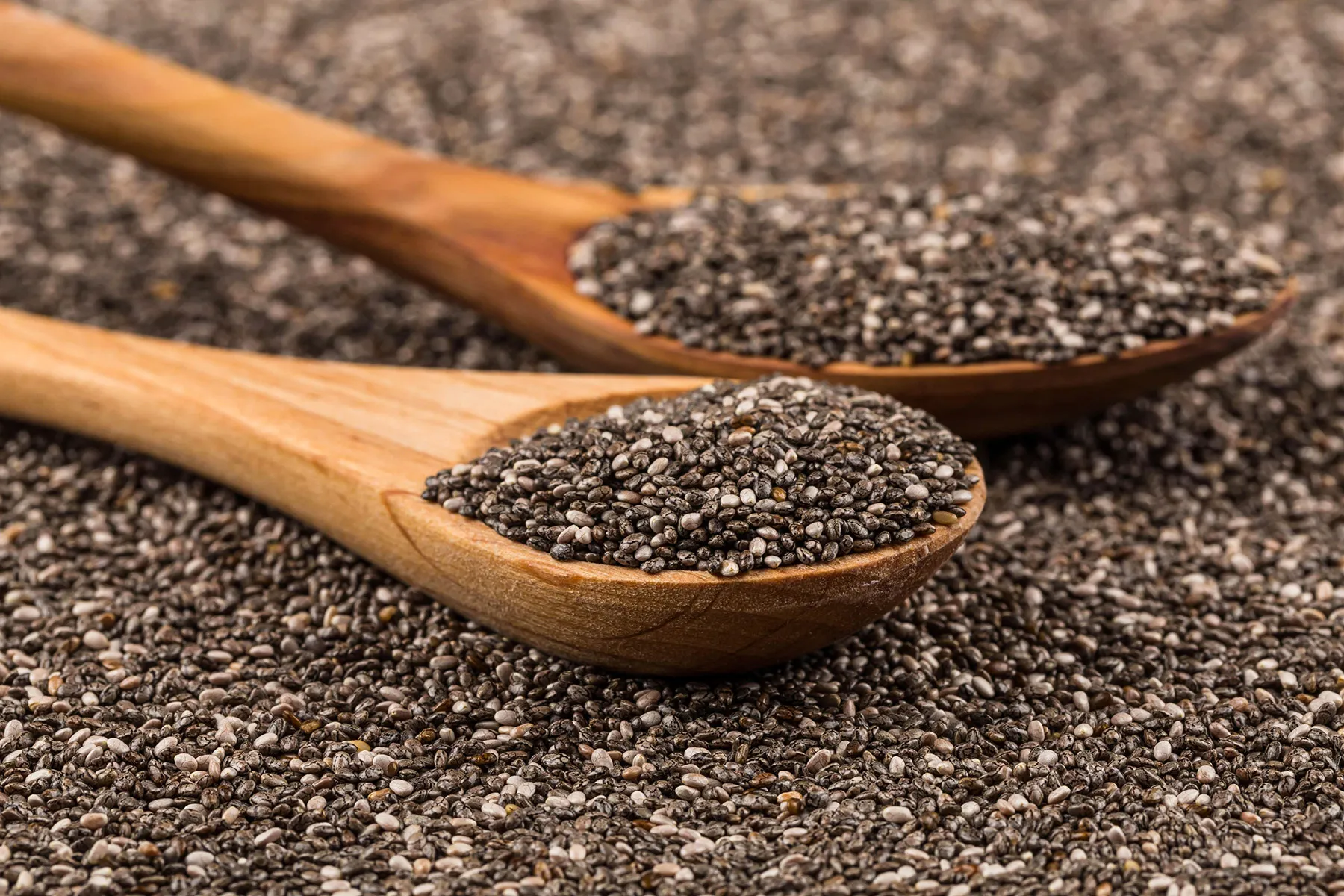
The catalogue lists raw commodities such as yellow non‑GMO corn, red sorghum, various beans (kidney, black, white) and oilseeds including canola, sunflower and coconut oil. In the feed segment, items include cattle feeding mixes, poultry feed and alfalfa hay. Typical industry specifications for these products are well defined: non‑GMO corn is usually graded by moisture ≤14 % and test weight ≥720 kg/m³; sorghum grains are evaluated for moisture ≤13 % and protein 8‑12 %; beans are commonly sorted by size and moisture ≤12 %; alfalfa hay is measured by crude protein 15‑18 % and ash ≤9 %; seed oils are assessed for free fatty acid (FFA) levels below 0.2 % and peroxide value under 10 meq O₂/kg. Dry nuts and seeds such as chia, coriander and cotton seeds are typically sold with moisture ≤8 % and aflatoxin below 10 µg/kg. These grades align with EU and international standards for feed and food commodities.

Trade and Export Information - Verodav Group

France is a long‑standing exporter of agricultural commodities to the European Union, North Africa and the Middle East. Grain and legume shipments under HS 07 and 08 are frequently subject to EU phytosanitary requirements, requiring a phytosanitary certificate and, where applicable, a GMO‑free declaration. Oilseed oils under HS 15 are commonly inspected for compliance with EU food safety regulations, including limits on erucic acid and pesticide residues, and buyers often request ISO 22000 or HACCP audit reports. Standard Incoterms used for bulk shipments from French ports are FOB or CIF, with cargo typically loaded in 20‑ft or 40‑ft containers or in bulk bags (e.g., 1‑ton polypropylene bags) for feed ingredients. Export documentation usually includes the commercial invoice, packing list, certificate of origin and, for animal feed, a feed safety data sheet.

Sourcing from Verodav Group - Buyer Guidance

Buyers should request a recent phytosanitary certificate and, for non‑GMO items, a GMO‑free test report from an accredited laboratory. For oil products, a certificate of analysis showing free fatty acid, peroxide value and pesticide residue levels is standard. Feed products such as cattle and poultry feed are often accompanied by a nutritional analysis sheet indicating crude protein, fiber and mineral content. Verify that the HS codes on the commercial invoice match the product description; mismatches can trigger customs delays. Confirm packaging details - bulk grains are usually shipped in 1‑ton polyethylene bags, while oils are packed in 200 L drums or IBC containers - and ensure that the supplier can meet the buyer’s preferred Incoterm.

Frequently Asked Questions About Verodav Group

What HS codes are associated with the beans listed by Verodav Group?

Black Beans are classified under HS 0713.31 and White Beans under HS 0713.39; both are dried Phaseolus vulgaris legumes.

Does Verodav Group provide non‑GMO certification for its soybean and corn products?

The catalogue indicates non‑GMO status for soybean and yellow corn, but buyers should request an official non‑GMO test report to confirm the claim.

Which quality parameters are typical for the canola oil offered?

Refined canola oil is usually evaluated for free fatty acid below 0.2 %, peroxide value under 10 meq O₂/kg, and erucic acid content under 2 %.

What documentation is required for importing the listed feed products into the EU?

EU imports of animal feed generally require a phytosanitary certificate, a feed safety data sheet, and evidence of compliance with EU feed hygiene regulations (e.g., HACCP audit report).

How are bulk grain products such as corn grits typically packaged for shipment?

Bulk grains are commonly packed in 1‑ton polypropylene bags or bulk containers, with moisture content not exceeding 14 % to meet standard export specifications.

Are there any specific certifications buyers should request for the dry nuts and seeds?

Buyers often request a Certificate of Analysis showing moisture ≤8 % and aflatoxin levels below 10 µg/kg, as well as any applicable organic or GlobalG.A.P. certifications if required by the destination market.

What are the usual lead times and minimum order quantities for the oil products?

Lead times for refined oils such as canola, sunflower or coconut oil typically range from 2 to 4 weeks, with minimum orders often set at one 20‑ft container (approximately 20 metric tons) unless otherwise negotiated.

Which regions are the primary importers of French legume and grain commodities?

Key markets include EU member states, North African countries such as Algeria and Morocco, and Middle Eastern markets like Saudi Arabia and the United Arab Emirates, where legumes and grains are used for both human consumption and animal feed.


Featured Products from this Supplier

Other Suppliers in Primary Category

Top Trusted Suppliers

Related Products

Trending in Parent Category

More Suppliers in Category

Related Products

Other Suppliers

EximNext
58.4K+ live requirements
Register Free🎁 5 free buy-lead credits
Post Requirement
🌍 Trusted by 224.4K+ businesses in 200+ countries|
58.4K+ active requirements right now
✉️ [email protected]
|
Sell on EximNextPost Requirement
EximNext
AgricultureApparelConstructionElectronicFoodHomeIndustrialMineralsMiscellaneous
🔥 Deals|✨ AI Match|🏭 Suppliers|📋 Buy Leads|💰 Trade Finance|⭐ Upgrade
58.4K+ live RFQs·194.4K+ suppliers
🎁 5 free credits →
EximNext
EximNext
Register Free
🎁 5 free buy-lead credits
Sign In
📋Post Requirement💬Get QuotesAI Match📋RFQ Marketplace
All Categories
Services & Tools
🏭Supplier Directory🔥Today's Deals💰Trade FinanceMembership
Sell on EximNext
AboutContactBlogHelp
🏭

Verodav Group

Harbor
Country flag , France
🛡️
77/100
Trust Score

Verodav Group Product Catalog

Showing 12 of 21 products
View all products →
Betel Nuts
Harbor
Betel Nuts
Contact
MOQ: 1 Unit
Vegetable Oil
Harbor
Vegetable Oil
Contact
MOQ: 1 Unit
Coconut Oil
Harbor
Coconut Oil
Contact
MOQ: 1 Unit
Canola Oil
Harbor
Canola Oil
Contact
MOQ: 1 Unit
Sunflower Oil
Harbor
Sunflower Oil
Contact
MOQ: 1 Unit
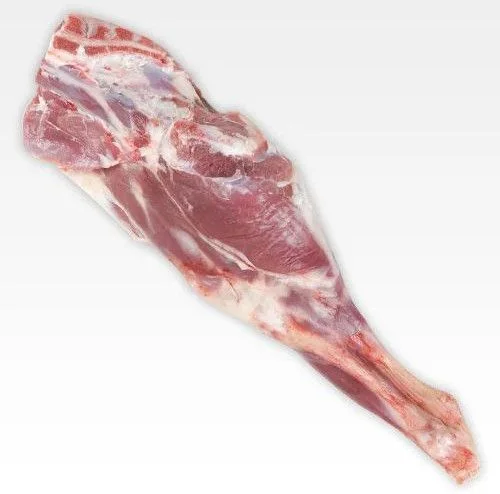
Buffalo Meat
Harbor
Buffalo Meat
Contact
MOQ: 1 Unit
Cotton Seeds
Harbor
Cotton Seeds
Contact
MOQ: 1 Unit
Coriander Seeds
Harbor
Coriander Seeds
Contact
MOQ: 1 Unit
Chia Seeds
Harbor
Chia Seeds
Contact
MOQ: 1 Unit
Carob Seeds
Harbor
Carob Seeds
Contact
MOQ: 1 Unit
White Beans
Harbor
White Beans
Contact
MOQ: 1 Unit
Dry Nuts
Harbor
Dry Nuts
Contact
MOQ: 1 Unit

About Verodav Group - Animal & Cattle Feed Supplier in France

Verodav Group operates out of France and lists 21 distinct agricultural products in its catalogue. The portfolio spans animal and cattle feed, various grain and legume items such as yellow non‑GMO corn, red sorghum, kidney and black beans, and a selection of dry fruits, nuts and oilseed derivatives. Products are grouped under categories including Animal & Cattle Feed, Corn, Beans, Dry Fruits & Nuts, Soybean, Sorghum, Alfalfa Hay and Kidney Beans. The listed items cover both bulk feed formulations and raw commodities intended for further processing. The catalogue includes both plant‑based oils and meat products, reflecting a broad agri‑commodity offering.

Specific entries with declared customs classifications include Black Beans (HS 0713.31, dried Phaseolus vulgaris), White Beans (HS 0713.39, dried Phaseolus vulgaris), Betel Nuts (HS 0802.90, dried Areca catechu) and Refined Canola Oil (HS 1514.19, low‑erucic acid rapeseed oil). Other items such as Dry Nuts, Non‑GMO Soybean, Cattle Feeding, Corn Grits, Poultry Feed, Alfalfa, Kidney Beans, Carob Seeds, Chia Seeds, Coriander Seeds, Cotton Seeds, Buffalo Meat, Sunflower Oil, Coconut Oil and generic Vegetable Oil are listed without explicit HS codes in the supplied data. The range therefore combines staple legumes, cereals, oilseeds and animal protein sources commonly traded under HS chapters 07, 08 and 15. The supplier’s catalogue therefore provides a mix of bulk grains, seed oils and processed feed components suitable for a variety of downstream markets.

Product Range and Specialties of Verodav Group

The catalogue lists raw commodities such as yellow non‑GMO corn, red sorghum, various beans (kidney, black, white) and oilseeds including canola, sunflower and coconut oil. In the feed segment, items include cattle feeding mixes, poultry feed and alfalfa hay. Typical industry specifications for these products are well defined: non‑GMO corn is usually graded by moisture ≤14 % and test weight ≥720 kg/m³; sorghum grains are evaluated for moisture ≤13 % and protein 8‑12 %; beans are commonly sorted by size and moisture ≤12 %; alfalfa hay is measured by crude protein 15‑18 % and ash ≤9 %; seed oils are assessed for free fatty acid (FFA) levels below 0.2 % and peroxide value under 10 meq O₂/kg. Dry nuts and seeds such as chia, coriander and cotton seeds are typically sold with moisture ≤8 % and aflatoxin below 10 µg/kg. These grades align with EU and international standards for feed and food commodities.

Trade and Export Information - Verodav Group

France is a long‑standing exporter of agricultural commodities to the European Union, North Africa and the Middle East. Grain and legume shipments under HS 07 and 08 are frequently subject to EU phytosanitary requirements, requiring a phytosanitary certificate and, where applicable, a GMO‑free declaration. Oilseed oils under HS 15 are commonly inspected for compliance with EU food safety regulations, including limits on erucic acid and pesticide residues, and buyers often request ISO 22000 or HACCP audit reports. Standard Incoterms used for bulk shipments from French ports are FOB or CIF, with cargo typically loaded in 20‑ft or 40‑ft containers or in bulk bags (e.g., 1‑ton polypropylene bags) for feed ingredients. Export documentation usually includes the commercial invoice, packing list, certificate of origin and, for animal feed, a feed safety data sheet.

Sourcing from Verodav Group - Buyer Guidance

Buyers should request a recent phytosanitary certificate and, for non‑GMO items, a GMO‑free test report from an accredited laboratory. For oil products, a certificate of analysis showing free fatty acid, peroxide value and pesticide residue levels is standard. Feed products such as cattle and poultry feed are often accompanied by a nutritional analysis sheet indicating crude protein, fiber and mineral content. Verify that the HS codes on the commercial invoice match the product description; mismatches can trigger customs delays. Confirm packaging details - bulk grains are usually shipped in 1‑ton polyethylene bags, while oils are packed in 200 L drums or IBC containers - and ensure that the supplier can meet the buyer’s preferred Incoterm.

Frequently Asked Questions About Verodav Group

What HS codes are associated with the beans listed by Verodav Group?

Black Beans are classified under HS 0713.31 and White Beans under HS 0713.39; both are dried Phaseolus vulgaris legumes.

Does Verodav Group provide non‑GMO certification for its soybean and corn products?

The catalogue indicates non‑GMO status for soybean and yellow corn, but buyers should request an official non‑GMO test report to confirm the claim.

Which quality parameters are typical for the canola oil offered?

Refined canola oil is usually evaluated for free fatty acid below 0.2 %, peroxide value under 10 meq O₂/kg, and erucic acid content under 2 %.

What documentation is required for importing the listed feed products into the EU?

EU imports of animal feed generally require a phytosanitary certificate, a feed safety data sheet, and evidence of compliance with EU feed hygiene regulations (e.g., HACCP audit report).

How are bulk grain products such as corn grits typically packaged for shipment?

Bulk grains are commonly packed in 1‑ton polypropylene bags or bulk containers, with moisture content not exceeding 14 % to meet standard export specifications.

Are there any specific certifications buyers should request for the dry nuts and seeds?

Buyers often request a Certificate of Analysis showing moisture ≤8 % and aflatoxin levels below 10 µg/kg, as well as any applicable organic or GlobalG.A.P. certifications if required by the destination market.

What are the usual lead times and minimum order quantities for the oil products?

Lead times for refined oils such as canola, sunflower or coconut oil typically range from 2 to 4 weeks, with minimum orders often set at one 20‑ft container (approximately 20 metric tons) unless otherwise negotiated.

Which regions are the primary importers of French legume and grain commodities?

Key markets include EU member states, North African countries such as Algeria and Morocco, and Middle Eastern markets like Saudi Arabia and the United Arab Emirates, where legumes and grains are used for both human consumption and animal feed.

About Verodav Group - Animal & Cattle Feed Supplier in France

Verodav Group operates out of France and lists 21 distinct agricultural products in its catalogue. The portfolio spans animal and cattle feed, various grain and legume items such as yellow non‑GMO corn, red sorghum, kidney and black beans, and a selection of dry fruits, nuts and oilseed derivatives. Products are grouped under categories including Animal & Cattle Feed, Corn, Beans, Dry Fruits & Nuts, Soybean, Sorghum, Alfalfa Hay and Kidney Beans. The listed items cover both bulk feed formulations and raw commodities intended for further processing. The catalogue includes both plant‑based oils and meat products, reflecting a broad agri‑commodity offering.

Specific entries with declared customs classifications include Black Beans (HS 0713.31, dried Phaseolus vulgaris), White Beans (HS 0713.39, dried Phaseolus vulgaris), Betel Nuts (HS 0802.90, dried Areca catechu) and Refined Canola Oil (HS 1514.19, low‑erucic acid rapeseed oil). Other items such as Dry Nuts, Non‑GMO Soybean, Cattle Feeding, Corn Grits, Poultry Feed, Alfalfa, Kidney Beans, Carob Seeds, Chia Seeds, Coriander Seeds, Cotton Seeds, Buffalo Meat, Sunflower Oil, Coconut Oil and generic Vegetable Oil are listed without explicit HS codes in the supplied data. The range therefore combines staple legumes, cereals, oilseeds and animal protein sources commonly traded under HS chapters 07, 08 and 15. The supplier’s catalogue therefore provides a mix of bulk grains, seed oils and processed feed components suitable for a variety of downstream markets.

Product Range and Specialties of Verodav Group

The catalogue lists raw commodities such as yellow non‑GMO corn, red sorghum, various beans (kidney, black, white) and oilseeds including canola, sunflower and coconut oil. In the feed segment, items include cattle feeding mixes, poultry feed and alfalfa hay. Typical industry specifications for these products are well defined: non‑GMO corn is usually graded by moisture ≤14 % and test weight ≥720 kg/m³; sorghum grains are evaluated for moisture ≤13 % and protein 8‑12 %; beans are commonly sorted by size and moisture ≤12 %; alfalfa hay is measured by crude protein 15‑18 % and ash ≤9 %; seed oils are assessed for free fatty acid (FFA) levels below 0.2 % and peroxide value under 10 meq O₂/kg. Dry nuts and seeds such as chia, coriander and cotton seeds are typically sold with moisture ≤8 % and aflatoxin below 10 µg/kg. These grades align with EU and international standards for feed and food commodities.

Trade and Export Information - Verodav Group

France is a long‑standing exporter of agricultural commodities to the European Union, North Africa and the Middle East. Grain and legume shipments under HS 07 and 08 are frequently subject to EU phytosanitary requirements, requiring a phytosanitary certificate and, where applicable, a GMO‑free declaration. Oilseed oils under HS 15 are commonly inspected for compliance with EU food safety regulations, including limits on erucic acid and pesticide residues, and buyers often request ISO 22000 or HACCP audit reports. Standard Incoterms used for bulk shipments from French ports are FOB or CIF, with cargo typically loaded in 20‑ft or 40‑ft containers or in bulk bags (e.g., 1‑ton polypropylene bags) for feed ingredients. Export documentation usually includes the commercial invoice, packing list, certificate of origin and, for animal feed, a feed safety data sheet.

Sourcing from Verodav Group - Buyer Guidance

Buyers should request a recent phytosanitary certificate and, for non‑GMO items, a GMO‑free test report from an accredited laboratory. For oil products, a certificate of analysis showing free fatty acid, peroxide value and pesticide residue levels is standard. Feed products such as cattle and poultry feed are often accompanied by a nutritional analysis sheet indicating crude protein, fiber and mineral content. Verify that the HS codes on the commercial invoice match the product description; mismatches can trigger customs delays. Confirm packaging details - bulk grains are usually shipped in 1‑ton polyethylene bags, while oils are packed in 200 L drums or IBC containers - and ensure that the supplier can meet the buyer’s preferred Incoterm.

Frequently Asked Questions About Verodav Group
What HS codes are associated with the beans listed by Verodav Group?
Black Beans are classified under HS 0713.31 and White Beans under HS 0713.39; both are dried Phaseolus vulgaris legumes.
Does Verodav Group provide non‑GMO certification for its soybean and corn products?
The catalogue indicates non‑GMO status for soybean and yellow corn, but buyers should request an official non‑GMO test report to confirm the claim.
Which quality parameters are typical for the canola oil offered?
Refined canola oil is usually evaluated for free fatty acid below 0.2 %, peroxide value under 10 meq O₂/kg, and erucic acid content under 2 %.
What documentation is required for importing the listed feed products into the EU?
EU imports of animal feed generally require a phytosanitary certificate, a feed safety data sheet, and evidence of compliance with EU feed hygiene regulations (e.g., HACCP audit report).
How are bulk grain products such as corn grits typically packaged for shipment?
Bulk grains are commonly packed in 1‑ton polypropylene bags or bulk containers, with moisture content not exceeding 14 % to meet standard export specifications.
Are there any specific certifications buyers should request for the dry nuts and seeds?
Buyers often request a Certificate of Analysis showing moisture ≤8 % and aflatoxin levels below 10 µg/kg, as well as any applicable organic or GlobalG.A.P. certifications if required by the destination market.
What are the usual lead times and minimum order quantities for the oil products?
Lead times for refined oils such as canola, sunflower or coconut oil typically range from 2 to 4 weeks, with minimum orders often set at one 20‑ft container (approximately 20 metric tons) unless otherwise negotiated.
Which regions are the primary importers of French legume and grain commodities?
Key markets include EU member states, North African countries such as Algeria and Morocco, and Middle Eastern markets like Saudi Arabia and the United Arab Emirates, where legumes and grains are used for both human consumption and animal feed.

🏭
Verodav Group
Country flag , France
Harbor
77/100
Trust Score
📦
21
Products
Free to contact — no commission
Escrow payment available
Verified business identity
Compare more suppliers
Post a requirement — get 10 quotes free
Let verified suppliers compete for your business. Free, fast, no commitment.
EximNext Verified Supplier
Business identity verified
Physical address confirmed
Financial history checked
Certifications authenticated
Trade references validated
Due Diligence
Verify this supplier's real shipping history.
Every shipment, every buyer, every port. Trade data that can't be faked.
Run due diligence →
Discover More

Related Suppliers & Products

Explore similar suppliers, related products and trending categories

Featured Products from this Supplier

Other Suppliers in Primary Category

Top Trusted Suppliers

Related Products

Trending in Parent Category

More Suppliers in Category

Stay ahead in global trade
Weekly market insights & new supplier alerts.
EximNext
Exim Next is a leading global B2B marketplace, connecting over 205,000 verified suppliers and buyers across 200+ countries. As a trusted import export marketplace, it serves as the essential B2B portal for businesses worldwide, empowering them to expand their international reach. With Exim Next, businesses can trade smarter and grow faster.
SECURE PAYMENTS
VISAMastercardPayPalSWIFTL/CEscrow
Follow us
© 2026 EximNext