Varma Tropical Exports — Verified Supplier
About Varma Tropical Exports - Fruit Pulp Supplier in India
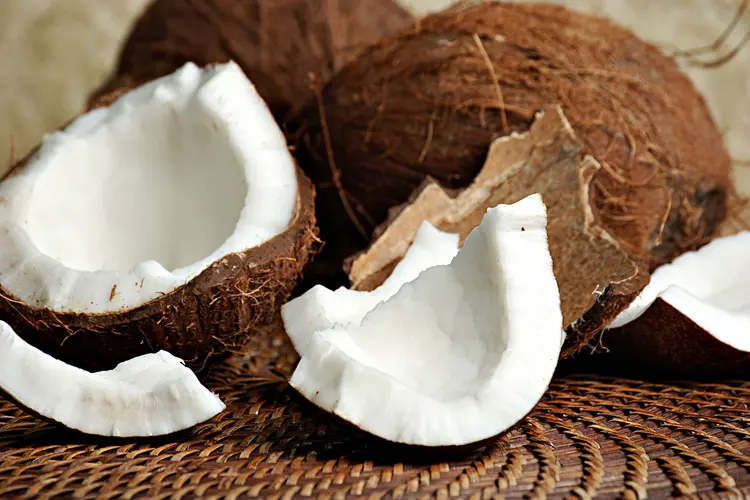
Varma Tropical Exports operates out of India and currently lists seven active products in its catalogue. The portfolio covers fruit pulp, spices, poultry, herbal plants, coconut by‑products and maize, reflecting a focus on primary agricultural commodities. Specific items include fresh matured coconuts, mango pulp, turmeric fingers, chicken eggs, Gloriosa superba seeds, coconut fiber and yellow maize. Each product falls under a distinct HS‑code family used for customs classification, such as HS 0804 for mango pulp and HS 1005 for yellow maize. The supplier is classified as an imported tier with a harbor trust rating, indicating a mid‑level verification status in B2B platforms.
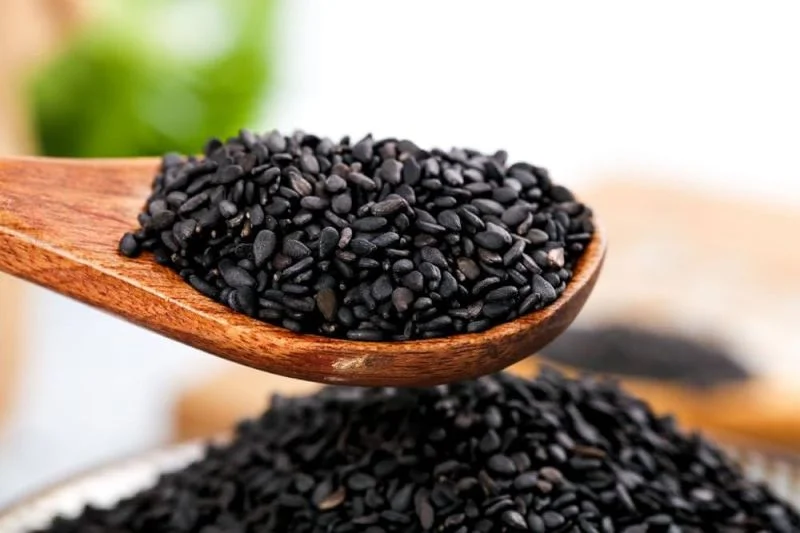
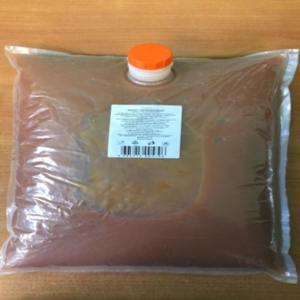
The fruit pulp offering is limited to mango pulp, a processed product commonly sold in bulk drums or aseptic packages. Spice inventory consists of whole turmeric fingers, a form preferred for drying and grinding into powder. Poultry supplies are represented by chicken eggs, which are typically graded by shell strength and size categories (e.g., AA, A). Herbal plant material is limited to Gloriosa superba seeds, a medicinal raw material subject to phytochemical testing. Coconut‑derived products include whole fresh coconuts and extracted coconut fiber, both used in food and non‑food applications, while yellow maize is offered as a staple grain for feed or food processing.
Product Range and Specialties of Varma Tropical Exports
Mango pulp from India is usually measured by total soluble solids (°Brix) between 12 and 16, with microbial limits set by Codex standards for total plate count and coliforms. Turmeric fingers are evaluated for moisture content below 12 %, essential oil percentage (usually 5‑7 %) and compliance with pesticide residue limits. Chicken eggs are sorted by size (Large, Extra‑Large) and shell strength, with a typical albumen pH of 7.6 to 8.0 for fresh eggs. Gloriosa superba seeds are examined for active alkaloid content, moisture below 10 % and absence of heavy metals. Fresh coconuts are graded by weight (1.0‑1.5 kg) and husk thickness, while coconut fiber is measured by fiber length (10‑25 mm) and moisture content under 12 %. Yellow maize is specified by kernel moisture (13‑14 %), test weight (≈78 kg/hl) and uniformity of yellow colour.
Trade and Export Information - Varma Tropical Exports
India ranks among the top exporters of mango pulp, turmeric, maize and coconut products, with shipments regularly reaching the Middle East, European Union and North American markets. Buyers of these commodities typically import under HS chapters 08 (fruit & vegetable products), 09 (spices), 04 (eggs), 12 (herbal seeds), 46 (coconut fiber) and 10 (cereals). Export logistics often use 20‑ft or 40‑ft containers; mango pulp is loaded in food‑grade drums, turmeric in jute or polypropylene bags, eggs in cardboard cartons, coconut fiber in bulk polypropylene bags, and maize in bulk bags or FIBCs. Standard documentation includes a certificate of origin, phytosanitary certificate, and where applicable ISO 22000 or HACCP compliance certificates. Indian exporters also align with Codex Alimentarius limits for pesticide residues and microbial counts, and many buyers request third‑party lab analysis reports before ship‑ment.
Sourcing from Varma Tropical Exports - Buyer Guidance
When sourcing mango pulp, request a recent Certificate of Analysis showing °Brix, moisture and microbial results, as well as a compliance statement with Codex limits for aflatoxins. For turmeric fingers, ask for pesticide residue certificates, moisture content data and, if required, an organic certification audit report. Chicken egg buyers should verify size grading, shell strength test results and a veterinary health certificate confirming freedom from Salmonella. Gloriosa superba seed purchasers need a phytochemical profile, heavy‑metal screening results and a phytosanitary clearance. Coconut fiber orders should be accompanied by fiber length distribution data, moisture content verification and a material safety data sheet. Yellow maize buyers typically request moisture level reports, test weight figures and a mycotoxin analysis before finalising the contract.
Frequently Asked Questions About Varma Tropical Exports
What product categories does Varma Tropical Exports list?
The supplier lists fruit pulp, spices, poultry, herbal plants, coconut by‑products and maize. Specific items are fresh matured coconuts, mango pulp, turmeric fingers, chicken eggs, Gloriosa superba seeds, coconut fiber and yellow maize.
Which HS codes correspond to the products offered by Varma Tropical Exports?
Mango pulp falls under HS 0804.30, turmeric fingers under HS 0905.00, chicken eggs under HS 0407.10, Gloriosa superba seeds under HS 1211.00, coconut fiber under HS 4602.99 and yellow maize under HS 1005.90. Fresh coconuts are classified under HS 0801.90.
What quality parameters are typical for mango pulp from India?
Buyers usually look for a total soluble solids range of 12‑16 °Brix, moisture below 7 %, total plate count under 10 000 cfu/g and coliforms below 10 cfu/g. Compliance with Codex Alimentarius limits for aflatoxins is also standard.
What documentation should a buyer obtain for chicken eggs?
A buyer should request a size grading certificate (e.g., AA or A), a shell strength test report and a veterinary health certificate confirming the flock is free from Salmonella and other avian diseases.
How is coconut fiber typically packaged for export?
Coconut fiber is usually packed in bulk polypropylene bags of 20‑25 kg each, which are then palletised and loaded into a 20‑ft or 40‑ft container with a food‑grade liner to protect against moisture.
Which certifications are commonly required for turmeric spices?
Importers often require ISO 22000 or HACCP food‑safety certification, a pesticide residue analysis meeting EU limits, and, when marketed as organic, a valid organic certification from an accredited body.
What are typical lead times and minimum order quantities for yellow maize?
Lead times from Indian growers are generally 4‑6 weeks after order confirmation. Minimum order quantities are usually around 20 metric tonnes, though larger shipments of 40 metric tonnes are common for container loading.




 , India