UD Bali Trade — Verified Supplier

About UD Bali Trade - Animal Skins & Betel Nut Supplier in Indonesia

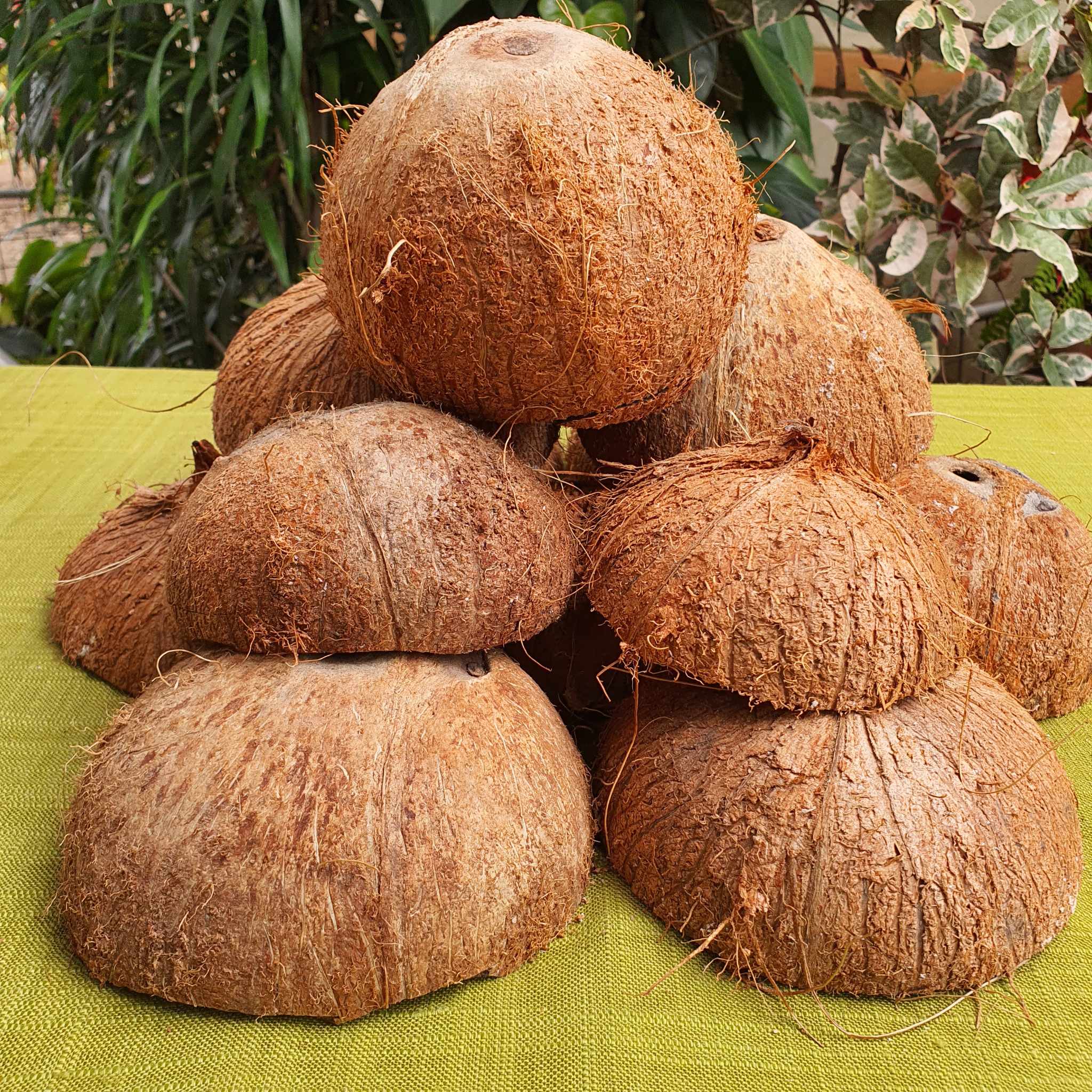
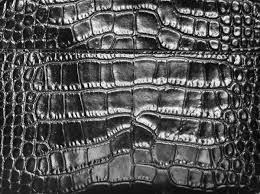
Indonesia‑based UD Bali Trade lists five active products in its catalogue. The items are crocodile skins, rabbit skin, Capiz shells, oyster shell, and dried whole areca nut, the latter recorded with HS code 0802.90 and described as Dried Whole Areca Nut (Areca catechu). These products map to the supplier’s top categories of animal skins, hides and betel nut. Each entry specifies the material type but does not include additional HS codes beyond the areca nut. The supplier is classified as an imported tier with a harbor trust tier.

Product Range and Specialties of UD Bali Trade

The catalogue covers four types of natural shells and skins plus one agricultural nut. Crocodile skins are typically graded by size, pattern clarity and thickness, with grades ranging from A (large, defect‑free) to C (smaller, minor blemishes); rabbit skins are sold in pelts measured in centimeters and are used for fur garments. Capiz shells, harvested from the windowpane oyster, are usually 70‑80 mm in diameter and 0.5‑1 mm thick, prized for their translucency in decorative lighting. Oyster shells are bulk‑shipped for calcium supplements or substrate and are classified under shell material. Dried whole areca nuts are exported under HS 0802.90 and are commonly supplied in 20 kg bags for the betel‑nut market.

Trade and Export Information - UD Bali Trade

Indonesia exports animal skins and decorative shells primarily to the European Union, United States and East Asian markets, where demand for luxury leather and interior décor items is strong. Crocodile skins fall under HS Chapter 41 (animal skins and hides) and usually require CITES documentation and a phytosanitary certificate; rabbit skins follow the same chapter but often need only a standard sanitary certificate. Areca nuts under HS 0802.90 are subject to pesticide residue testing and must meet the importing country’s food safety regulations. Typical shipping formats include 20‑foot containers for shells (up to 1 t) and 40‑foot containers for skins (up to 600 kg), with Incoterms such as FOB or CIF commonly used.

Sourcing from UD Bali Trade - Buyer Guidance

Buyers should request a CITES permit copy for any crocodile skin order and verify the skin grade with high‑resolution photos showing pattern and edge condition. For rabbit skins, ask for a recent sanitary certificate and measurements of pelts to confirm size specifications. Areca nut purchases should be accompanied by a certificate of origin, pesticide residue analysis, and moisture content below 12 %. Shell products benefit from a sample of shell thickness and a packing list indicating container load plan to avoid breakage. Verifying these documents before contract signing helps ensure compliance with import regulations and product quality expectations.

Frequently Asked Questions About UD Bali Trade

What HS code applies to the areca nut offered by UD Bali Trade?

The areca nut is listed under HS code 0802.90, which belongs to Chapter 08 covering edible fruits and nuts.

Are crocodile skins exported with any special permits?

Crocodile skins normally require a CITES export permit and a phytosanitary certificate; buyers should request copies of these documents from the supplier.

What typical grades are used for crocodile skins?

Grades range from A (large, defect‑free) to C (smaller, with minor blemishes); the grade is usually indicated by size in centimeters and pattern clarity.

How are Capiz shells usually packed for export?

Capiz shells are commonly packed in wooden crates or reinforced cardboard boxes with cushioning material, allowing 20‑ft containers to hold approximately 1 ton of shells.

What quality tests are standard for rabbit skins?

Rabbit skins are typically examined for pelage density, moisture content (usually below 10 %), and uniform thickness; a sample inspection report is advisable.

Which certifications should a buyer request for areca nut shipments?

Buyers should ask for a certificate of origin, pesticide residue test results, and a moisture content analysis to meet most importing country food‑safety standards.

What Incoterms are most common for these product categories?

FOB (Free on Board) and CIF (Cost, Insurance, and Freight) are the most frequently used Incoterms for skins, shells and areca nut shipments from Indonesia.

Can the supplier provide sample quantities before a full order?

Yes, the supplier can arrange small sample quantities - typically a few skins or a handful of shells and a 1 kg sample of areca nut - subject to standard sample request procedures.

Other Suppliers in Horns, Skins, Hides, Skulls, Feathers & Hairs Of Animals

Top Trusted Suppliers

Related Products in Horns, Skins, Hides, Skulls, Feathers & Hairs Of Animals

Trending in Parent Category

More Suppliers in Parent Category

Related Products

Other Suppliers

EximNext
58.4K+ live requirements
Register Free🎁 5 free buy-lead credits
Post Requirement
🌍 Trusted by 224.3K+ businesses in 200+ countries|
58.4K+ active requirements right now
✉️ [email protected]
|
Sell on EximNextPost Requirement
EximNext
AgricultureApparelConstructionElectronicFoodHomeIndustrialMineralsMiscellaneous
🔥 Deals|✨ AI Match|🏭 Suppliers|📋 Buy Leads|💰 Trade Finance|⭐ Upgrade
58.4K+ live RFQs·194.4K+ suppliers
🎁 5 free credits →
EximNext
EximNext
Register Free
🎁 5 free buy-lead credits
Sign In
📋Post Requirement💬Get QuotesAI Match📋RFQ Marketplace
All Categories
Services & Tools
🏭Supplier Directory🔥Today's Deals💰Trade FinanceMembership
Sell on EximNext
AboutContactBlogHelp
🏭

UD Bali Trade

Harbor
Country flag , Indonesia
🛡️
56/100
Trust Score

UD Bali Trade Product Catalog

Showing 5 of 5 products
View all products →
Areca nut
Harbor
Areca nut
Contact
MOQ: 1 Unit
Rabbit skin
Harbor
Rabbit skin
Contact
MOQ: 1 Unit
Oyster shell
Harbor
Oyster shell
Contact
MOQ: 1 Unit
Capiz shells
Harbor
Capiz shells
Contact
MOQ: 1 Unit
Crocodile skins
Harbor
Crocodile skins
Contact
MOQ: 1 Unit

About UD Bali Trade - Animal Skins & Betel Nut Supplier in Indonesia

Indonesia‑based UD Bali Trade lists five active products in its catalogue. The items are crocodile skins, rabbit skin, Capiz shells, oyster shell, and dried whole areca nut, the latter recorded with HS code 0802.90 and described as Dried Whole Areca Nut (Areca catechu). These products map to the supplier’s top categories of animal skins, hides and betel nut. Each entry specifies the material type but does not include additional HS codes beyond the areca nut. The supplier is classified as an imported tier with a harbor trust tier.

Product Range and Specialties of UD Bali Trade

The catalogue covers four types of natural shells and skins plus one agricultural nut. Crocodile skins are typically graded by size, pattern clarity and thickness, with grades ranging from A (large, defect‑free) to C (smaller, minor blemishes); rabbit skins are sold in pelts measured in centimeters and are used for fur garments. Capiz shells, harvested from the windowpane oyster, are usually 70‑80 mm in diameter and 0.5‑1 mm thick, prized for their translucency in decorative lighting. Oyster shells are bulk‑shipped for calcium supplements or substrate and are classified under shell material. Dried whole areca nuts are exported under HS 0802.90 and are commonly supplied in 20 kg bags for the betel‑nut market.

Trade and Export Information - UD Bali Trade

Indonesia exports animal skins and decorative shells primarily to the European Union, United States and East Asian markets, where demand for luxury leather and interior décor items is strong. Crocodile skins fall under HS Chapter 41 (animal skins and hides) and usually require CITES documentation and a phytosanitary certificate; rabbit skins follow the same chapter but often need only a standard sanitary certificate. Areca nuts under HS 0802.90 are subject to pesticide residue testing and must meet the importing country’s food safety regulations. Typical shipping formats include 20‑foot containers for shells (up to 1 t) and 40‑foot containers for skins (up to 600 kg), with Incoterms such as FOB or CIF commonly used.

Sourcing from UD Bali Trade - Buyer Guidance

Buyers should request a CITES permit copy for any crocodile skin order and verify the skin grade with high‑resolution photos showing pattern and edge condition. For rabbit skins, ask for a recent sanitary certificate and measurements of pelts to confirm size specifications. Areca nut purchases should be accompanied by a certificate of origin, pesticide residue analysis, and moisture content below 12 %. Shell products benefit from a sample of shell thickness and a packing list indicating container load plan to avoid breakage. Verifying these documents before contract signing helps ensure compliance with import regulations and product quality expectations.

Frequently Asked Questions About UD Bali Trade

What HS code applies to the areca nut offered by UD Bali Trade?

The areca nut is listed under HS code 0802.90, which belongs to Chapter 08 covering edible fruits and nuts.

Are crocodile skins exported with any special permits?

Crocodile skins normally require a CITES export permit and a phytosanitary certificate; buyers should request copies of these documents from the supplier.

What typical grades are used for crocodile skins?

Grades range from A (large, defect‑free) to C (smaller, with minor blemishes); the grade is usually indicated by size in centimeters and pattern clarity.

How are Capiz shells usually packed for export?

Capiz shells are commonly packed in wooden crates or reinforced cardboard boxes with cushioning material, allowing 20‑ft containers to hold approximately 1 ton of shells.

What quality tests are standard for rabbit skins?

Rabbit skins are typically examined for pelage density, moisture content (usually below 10 %), and uniform thickness; a sample inspection report is advisable.

Which certifications should a buyer request for areca nut shipments?

Buyers should ask for a certificate of origin, pesticide residue test results, and a moisture content analysis to meet most importing country food‑safety standards.

What Incoterms are most common for these product categories?

FOB (Free on Board) and CIF (Cost, Insurance, and Freight) are the most frequently used Incoterms for skins, shells and areca nut shipments from Indonesia.

Can the supplier provide sample quantities before a full order?

Yes, the supplier can arrange small sample quantities - typically a few skins or a handful of shells and a 1 kg sample of areca nut - subject to standard sample request procedures.

About UD Bali Trade - Animal Skins & Betel Nut Supplier in Indonesia

Indonesia‑based UD Bali Trade lists five active products in its catalogue. The items are crocodile skins, rabbit skin, Capiz shells, oyster shell, and dried whole areca nut, the latter recorded with HS code 0802.90 and described as Dried Whole Areca Nut (Areca catechu). These products map to the supplier’s top categories of animal skins, hides and betel nut. Each entry specifies the material type but does not include additional HS codes beyond the areca nut. The supplier is classified as an imported tier with a harbor trust tier.

Product Range and Specialties of UD Bali Trade

The catalogue covers four types of natural shells and skins plus one agricultural nut. Crocodile skins are typically graded by size, pattern clarity and thickness, with grades ranging from A (large, defect‑free) to C (smaller, minor blemishes); rabbit skins are sold in pelts measured in centimeters and are used for fur garments. Capiz shells, harvested from the windowpane oyster, are usually 70‑80 mm in diameter and 0.5‑1 mm thick, prized for their translucency in decorative lighting. Oyster shells are bulk‑shipped for calcium supplements or substrate and are classified under shell material. Dried whole areca nuts are exported under HS 0802.90 and are commonly supplied in 20 kg bags for the betel‑nut market.

Trade and Export Information - UD Bali Trade

Indonesia exports animal skins and decorative shells primarily to the European Union, United States and East Asian markets, where demand for luxury leather and interior décor items is strong. Crocodile skins fall under HS Chapter 41 (animal skins and hides) and usually require CITES documentation and a phytosanitary certificate; rabbit skins follow the same chapter but often need only a standard sanitary certificate. Areca nuts under HS 0802.90 are subject to pesticide residue testing and must meet the importing country’s food safety regulations. Typical shipping formats include 20‑foot containers for shells (up to 1 t) and 40‑foot containers for skins (up to 600 kg), with Incoterms such as FOB or CIF commonly used.

Sourcing from UD Bali Trade - Buyer Guidance

Buyers should request a CITES permit copy for any crocodile skin order and verify the skin grade with high‑resolution photos showing pattern and edge condition. For rabbit skins, ask for a recent sanitary certificate and measurements of pelts to confirm size specifications. Areca nut purchases should be accompanied by a certificate of origin, pesticide residue analysis, and moisture content below 12 %. Shell products benefit from a sample of shell thickness and a packing list indicating container load plan to avoid breakage. Verifying these documents before contract signing helps ensure compliance with import regulations and product quality expectations.

Frequently Asked Questions About UD Bali Trade
What HS code applies to the areca nut offered by UD Bali Trade?
The areca nut is listed under HS code 0802.90, which belongs to Chapter 08 covering edible fruits and nuts.
Are crocodile skins exported with any special permits?
Crocodile skins normally require a CITES export permit and a phytosanitary certificate; buyers should request copies of these documents from the supplier.
What typical grades are used for crocodile skins?
Grades range from A (large, defect‑free) to C (smaller, with minor blemishes); the grade is usually indicated by size in centimeters and pattern clarity.
How are Capiz shells usually packed for export?
Capiz shells are commonly packed in wooden crates or reinforced cardboard boxes with cushioning material, allowing 20‑ft containers to hold approximately 1 ton of shells.
What quality tests are standard for rabbit skins?
Rabbit skins are typically examined for pelage density, moisture content (usually below 10 %), and uniform thickness; a sample inspection report is advisable.
Which certifications should a buyer request for areca nut shipments?
Buyers should ask for a certificate of origin, pesticide residue test results, and a moisture content analysis to meet most importing country food‑safety standards.
What Incoterms are most common for these product categories?
FOB (Free on Board) and CIF (Cost, Insurance, and Freight) are the most frequently used Incoterms for skins, shells and areca nut shipments from Indonesia.
Can the supplier provide sample quantities before a full order?
Yes, the supplier can arrange small sample quantities - typically a few skins or a handful of shells and a 1 kg sample of areca nut - subject to standard sample request procedures.

🏭
UD Bali Trade
Country flag , Indonesia
Harbor
56/100
Trust Score
📦
5
Products
Free to contact — no commission
Escrow payment available
Verified business identity
Compare more suppliers
Post a requirement — get 10 quotes free
Let verified suppliers compete for your business. Free, fast, no commitment.
EximNext Verified Supplier
Business identity verified
Physical address confirmed
Financial history checked
Certifications authenticated
Trade references validated
Due Diligence
Verify this supplier's real shipping history.
Every shipment, every buyer, every port. Trade data that can't be faked.
Run due diligence →
Discover More

Related Suppliers & Products

Explore similar suppliers, related products and trending categories

Other Suppliers in Horns, Skins, Hides, Skulls, Feathers & Hairs Of Animals

Top Trusted Suppliers

Related Products in Horns, Skins, Hides, Skulls, Feathers & Hairs Of Animals

Trending in Parent Category

More Suppliers in Parent Category

Stay ahead in global trade
Weekly market insights & new supplier alerts.
EximNext
Exim Next is a leading global B2B marketplace, connecting over 205,000 verified suppliers and buyers across 200+ countries. As a trusted import export marketplace, it serves as the essential B2B portal for businesses worldwide, empowering them to expand their international reach. With Exim Next, businesses can trade smarter and grow faster.
SECURE PAYMENTS
VISAMastercardPayPalSWIFTL/CEscrow
Follow us
© 2026 EximNext