Anping Dual-Horse Animal By Products Factory — Verified Supplier
About Anping Dual-Horse Animal By Products Factory - Animal By Products Supplier in China
Anping Dual-Horse Animal By Products Factory is based in China and lists 17 active products in its catalogue. The catalogue focuses on various forms of horse and goat hair, including mixed mane, body hair of specific diameters, curled and dyed variants, and specialised uses such as fiddle‑bow hair, violin‑bow hair and fabric for clothing. Each product is recorded under the broader animal by‑products category, which in international trade is typically classified within HS Chapter 95 (musical‑instrument accessories) and HS Chapter 56 (animal hairs and skins). The supplier’s product list includes items such as 6/8 inch mixed horse mane, 25 mm‑60 mm brown horse body hair, double‑drawn goat hair, and horse‑tail hair fabric for crafts. The description of each line references the raw material source (horse or goat) and the intended end‑use, ranging from brush material to textile applications.
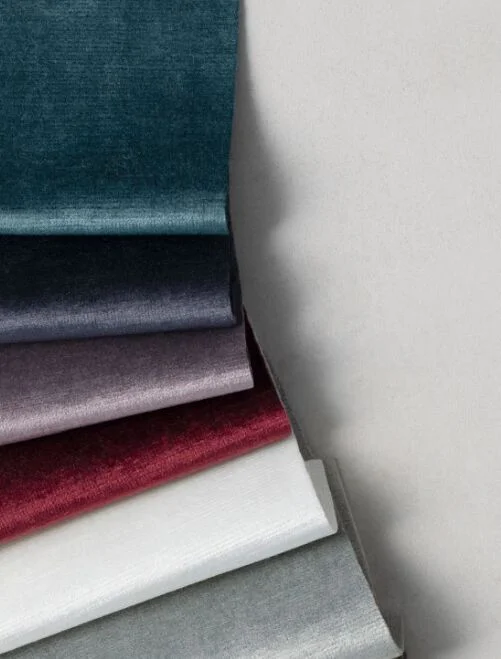
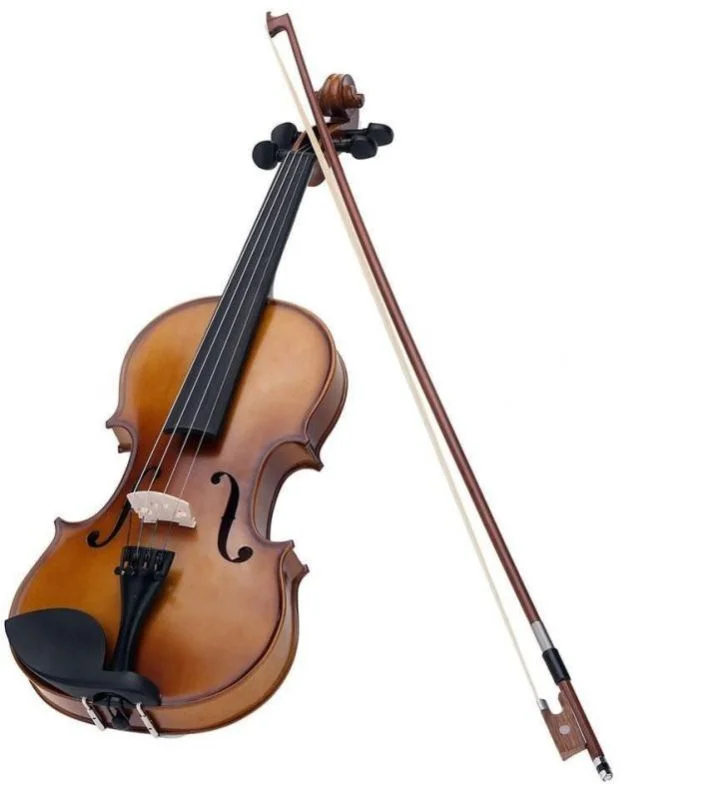
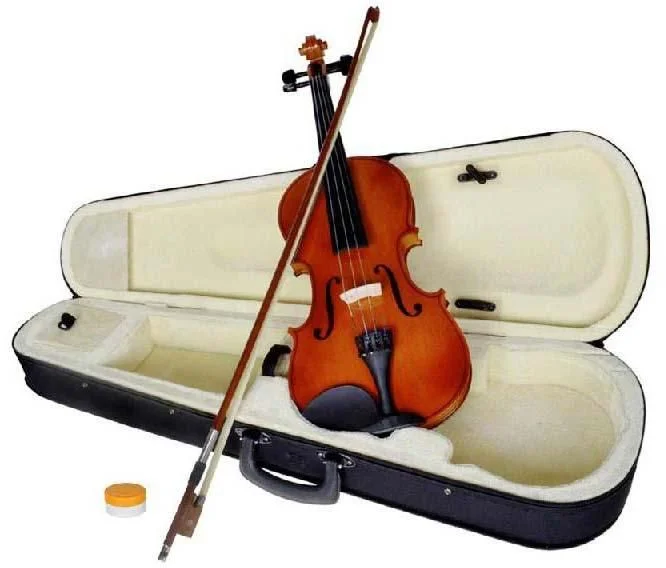
The factory’s catalogue also mentions hair products prepared for specific industries, for example fiddle‑bow hair and violin‑bow hair which are supplied to musical‑instrument manufacturers, and horse‑hair fabric used in clothing or upholstery. No HS code is supplied for individual items, so the information stays at the chapter level. The product set reflects typical animal‑hair by‑products that Chinese exporters provide to global buyers, especially in sectors that require consistent fibre length, tensile strength and low moisture content.
Product Range and Specialties of Anping Dual-Horse Animal By Products Factory
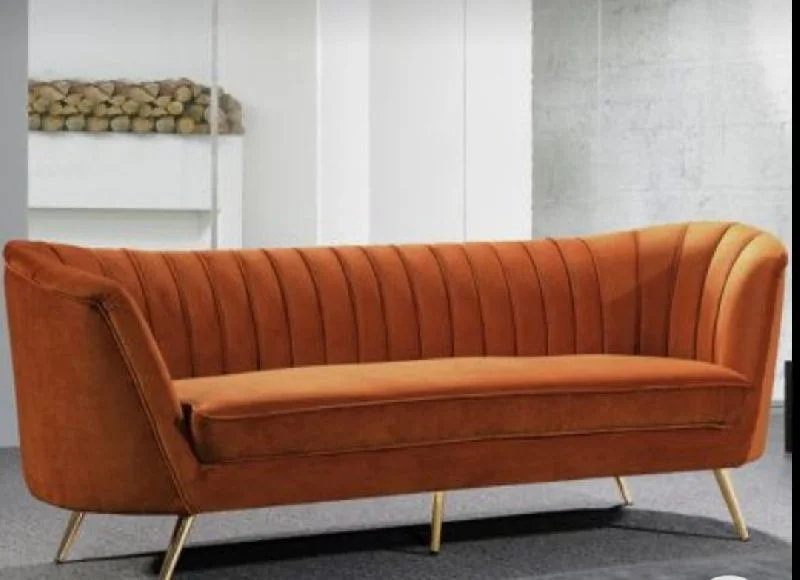
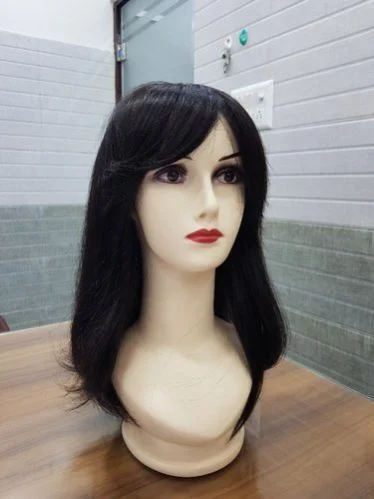
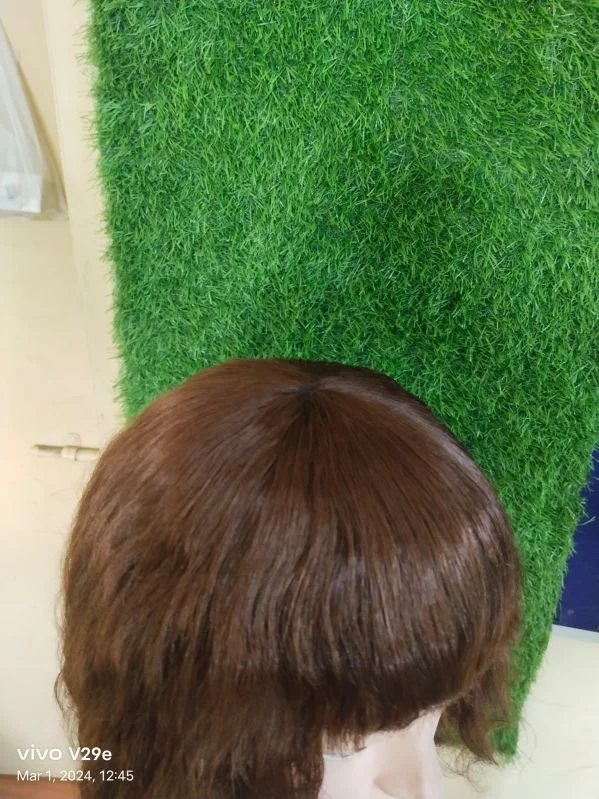
The listed catalogue comprises 17 distinct horse‑hair and goat‑hair items, such as 6/8 inch mixed horse mane, curled horse tail hair for sofa upholstery, dyed horse‑tail hair for crafts, and double‑drawn goat hair for wig production. In the industry, horse hair is graded by length (short, medium, long), diameter (often 0.15‑0.30 mm), colour (natural, dyed) and tensile strength (typically 30‑45 MPa). Goat hair used for wigs is usually classified by fibre uniformity and curl, with standard lengths of 30‑70 mm for synthetic‑blend applications. Buyers often request specifications such as moisture content below 10 % and ash‑free content for textile processing.
Typical industry standards for animal hair include ISO 9001 quality‑management certification, Oeko‑Tex Standard 100 for textile‑grade fibres, and compliance with REACH for chemical safety. For musical‑instrument bow hair, the International Society of Bow Makers (ISBM) recommends a uniform filament thickness of 0.20‑0.25 mm and a tensile strength of at least 35 MPa. These benchmarks help buyers compare the factory’s offerings against global expectations.
Trade and Export Information - Anping Dual-Horse Animal By Products Factory
China is a leading exporter of animal‑hair by‑products, supplying Europe, North America and Southeast Asia with raw and semi‑finished fibres. The primary import markets for horse‑hair include the United Kingdom, Germany and the United States for violin‑bow manufacturers, while brush‑making firms in Japan and South Korea source similar hair for fine‑brush production. Export shipments are commonly packed in 20‑ft or 40‑ft containers, with hair bundled in breathable cotton or polypropylene bags to maintain low humidity and prevent mould growth. HS Chapter 95 (e.g., 9506.99 for musical‑instrument accessories) and Chapter 56 (e.g., 5603 for animal hair) are the typical tariff headings used for customs clearance.
Buyers importing these goods usually request certificates of origin, phytosanitary certificates where applicable, and compliance documents such as REACH safety data sheets. Although the supplier’s facts do not list any certifications, exporters from China often obtain ISO 9001 and CE marking for textile‑grade hair. Import regulators in the EU and the US may also require proof that the material does not contain prohibited animal‑derived substances under CITES or the US Lacey Act, especially for wildlife‑derived products.
Sourcing from Anping Dual-Horse Animal By Products Factory - Buyer Guidance
When sourcing horse or goat hair from this factory, buyers should request a detailed product data sheet that lists fibre length, diameter range, tensile strength, moisture content and any dyeing agents used. Samples should be inspected for uniformity, colour consistency and absence of foreign matter; a laboratory test for ash content and a tensile‑strength test are standard verification steps. Buyers are advised to ask for a phytosanitary certificate and, if the hair will be used in textile applications, an Oeko‑Tex Standard 100 test report to confirm the absence of harmful chemicals.
Because the supplier’s facts do not mention existing certifications, buyers should explicitly request ISO 9001 compliance documentation and any REACH registration numbers before confirming a contract. Verification of packaging - typically 25 kg polypropylene bags or bulk bales wrapped in breathable film - helps ensure the hair arrives within the specified moisture limits. Confirming lead time (usually 30‑45 days from order to shipment) and minimum order quantity (often 500 kg per grade) will reduce the risk of supply delays.
Frequently Asked Questions About Anping Dual-Horse Animal By Products Factory
What types of horse hair does Anping Dual-Horse Animal By Products Factory offer?
The catalogue lists mixed horse mane (6‑8 inches), brown horse body hair (25‑60 mm), dressed horse body hair, curled horse tail hair, dyed horse tail hair for crafts, and specialised bow‑hair variants for fiddle and violin bows.
Are there any standard specifications for the listed horse‑hair products?
Industry practice grades horse hair by length, fibre diameter (0.15‑0.30 mm) and tensile strength (30‑45 MPa). Moisture content is typically required to be below 10 % for textile and brush applications.
What documentation should a buyer request before purchasing?
Buyers should request a product data sheet, a phytosanitary certificate, REACH safety data sheet, and, if available, ISO 9001 quality‑management certification.
Which HS chapters are normally used for customs clearance of these products?
Horse and goat hair are usually classified under HS Chapter 56 (animal hair and skins) and, for bow‑hair variants, under Chapter 95 for musical‑instrument accessories.
What is the typical packaging for horse‑hair shipments?
Exports are commonly packed in 25 kg polypropylene bags or bulk bales wrapped in breathable film, placed inside 20‑ft or 40‑ft containers to control humidity.
What are common minimum order quantities and lead times?
Suppliers often set a minimum order of around 500 kg per grade, with lead times of 30‑45 days from order confirmation to shipment.
Which markets commonly import these animal‑hair products?
European violin‑bow makers, North‑American brush manufacturers, and Asian textile firms are the primary importers of Chinese horse‑hair by‑products.
Are there any certifications typically required for horse‑hair used in textiles?
For textile‑grade hair, buyers usually require Oeko‑Tex Standard 100 certification and compliance with REACH to ensure the fibres are free of hazardous substances.




 , China