The Vietnam National General Export - Import Joint Stock Company No 1 — Supplier

About The Vietnam National General Export - Import Joint Stock Company No 1 - Spices Supplier in Viet Nam

Vietnam‑based The Vietnam National General Export - Import Joint Stock Company No 1 lists five active products in its catalogue. The portfolio includes a basic T‑shirt, processed fish meals, assorted handicrafts, both Robusta and Arabica coffee beans and white pepper. Each entry is recorded under the broader “Spices” top‑category although the range spans apparel, animal feed, and craft goods. The supplier is classified as an imported tier with a harbor trust tier, indicating it operates through established import channels. The company’s catalogue does not provide detailed technical specifications, but the product set reflects common Vietnamese export items. The inclusion of coffee beans and white pepper aligns with Vietnam’s status as a major global supplier of these spices, while the T‑shirt and handicrafts represent diversified manufacturing output. All five SKUs are actively listed for export without additional sub‑variants in the provided data.

Product Range and Specialties of The Vietnam National General Export - Import Joint Stock Company No 1

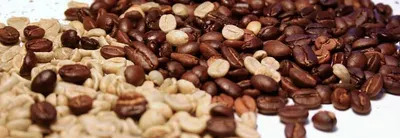
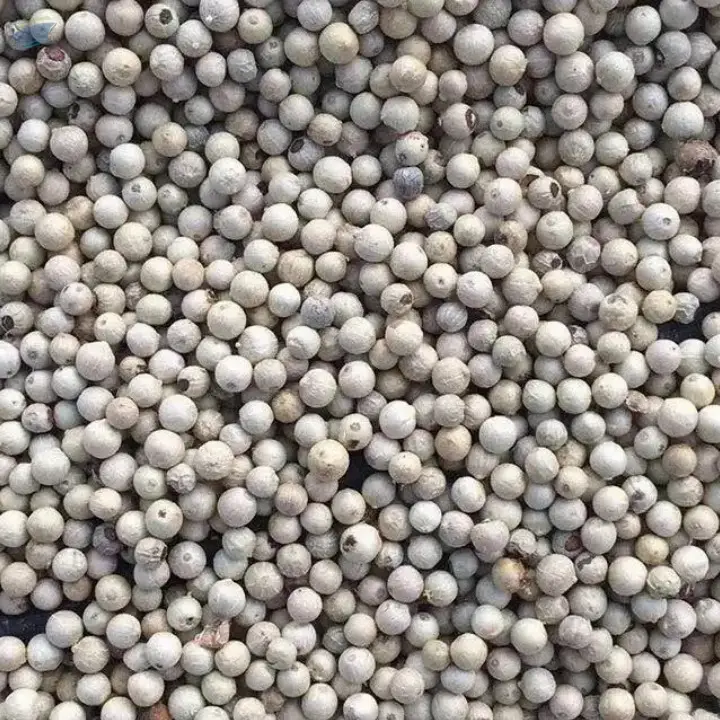
The T‑shirt entry is a standard cotton apparel item, typically produced in GSM ranges of 150‑180 and available in standard S‑XL sizes. Vietnamese garment exporters often certify fabric composition with Oeko‑Tex or GOTS when organic content is claimed. Fish meals are usually rendered from marine by‑products, delivering protein levels of 60‑70 % and moisture below 10 %, and are packaged in 25 kg bulk bags for bulk shipment. Handicrafts listed by Vietnamese producers frequently involve bamboo, rattan, or ceramic materials, finished by hand and packed in cartons of 20‑30 pieces per box. Coffee beans are offered in two varieties: Robusta, generally graded at 12‑14 % caffeine and 12‑13 % moisture, and Arabica, often classified as grade AA with bean size 15‑18 mm and similar moisture levels. Export‑ready coffee is usually vacuum‑sealed in 60 kg jute bags. White pepper from Vietnam is commonly graded as A or B, with oil content around 10‑12 % and moisture under 13 %. Pepper is shipped in 25 kg polypropylene bags. These typical industry grades provide a benchmark for buyers evaluating the supplier’s listings.

Trade and Export Information - The Vietnam National General Export - Import Joint Stock Company No 1

Vietnam’s export infrastructure supports containerized shipment of apparel, coffee, spices and fish meals to markets in the United States, European Union, Japan and the Middle East. Apparel such as T‑shirts is normally loaded in 20‑ft or 40‑ft containers, with cartonised packing to protect fabric. Processed fish meals travel in bulk bags that are palletised for container loading, often under ISO 22000 or HACCP compliance to meet feed safety standards. Coffee beans and white pepper are shipped in sealed jute or polypropylene bags, frequently accompanied by phytosanitary certificates and origin certificates required by importing customs. Common Incoterms used by Vietnamese exporters include FOB Hai Phong or CIF Shanghai, depending on buyer preference. Buyers of Vietnamese coffee and pepper typically request certifications such as ISO 9001, Fairtrade or organic registration when applicable. For fish meals, importers look for laboratory analyses confirming protein content, heavy‑metal limits and microbial safety. Apparel imports may be subject to textile labelling regulations and, where organic claims are made, GOTS certification. These regulatory expectations are standard across the product categories represented in this supplier’s catalogue.

Sourcing from The Vietnam National General Export - Import Joint Stock Company No 1 - Buyer Guidance

When sourcing T‑shirts, request a fabric composition certificate, GSM measurement report and a shrinkage test to verify size stability. For fish meals, ask for a recent analysis report covering crude protein, moisture, ash and any pesticide residues, together with a HACCP compliance letter. Coffee bean buyers should obtain a cupping score sheet, moisture content test and, where relevant, a Fairtrade or organic certificate. White pepper imports normally require a moisture analysis, oil content test and a phytosanitary certificate confirming the product is free of pests. Because the supplier is listed as an imported tier, request a copy of its business registration and export license to confirm legal trading status. Verify that any cited certifications are current and issued by recognized bodies. Samples should be evaluated against the typical grades described above before confirming bulk orders, and packaging specifications (bag type, container size) should be aligned with the buyer’s logistics plan.

Frequently Asked Questions About The Vietnam National General Export - Import Joint Stock Company No 1

What product categories does The Vietnam National General Export - Import Joint Stock Company No 1 list?

The catalogue includes a basic cotton T‑shirt, processed fish meals, assorted handicrafts, Robusta and Arabica coffee beans, and white pepper.

How many distinct products are actively listed by the supplier?

Five distinct products are currently active in the supplier’s catalogue.

Which certifications should a buyer request for the coffee beans?

Buyers should ask for a recent cupping score, moisture analysis, and, if required, Fairtrade, organic or ISO 9001 certification.

What typical specifications are used for white pepper imports?

White pepper is commonly graded A or B, with oil content around 10‑12 % and moisture below 13 %, and is shipped in 25 kg polypropylene bags.

What laboratory tests are standard for fish meals?

Standard tests include crude protein (60‑70 %), moisture (<10 %), ash content, and limits for heavy metals and microbial contamination.

What packaging format is typical for the T‑shirt product?

T‑shirts are usually packed in individual poly‑bagged units placed inside cardboard cartons, which are then palletised for container loading.

Which Incoterms are most frequently used for shipments from Vietnam?

Exporters from Vietnam commonly use FOB Hai Phong or CIF Shanghai, depending on the buyer’s preferred logistics arrangement.

What documentation is required to import the handicrafts?

Importers should request a material composition certificate, a country‑of‑origin certificate and any applicable safety or conformity declarations for the specific craft material.


Other Suppliers in Spices

Top Trusted Suppliers

Related Products in Spices

Trending in Parent Category

More Suppliers in Parent Category

Related Products

Other Suppliers

EximNext
7.2K+ live requirements
Register Free🎁 Reach global buyers
Post Requirement
🌍 Trusted by 225K+ businesses in 200+ countries|
7.2K+ active requirements right now
✉️ [email protected]
|
Sell on EximNextPost Requirement
EximNext
AgricultureApparelConstructionElectronicFoodHomeIndustrialMineralsMiscellaneous
🔥 Deals|✨ AI Match|🏭 Suppliers|📋 Buy Leads|💰 Trade Finance
7.2K+ live RFQs·194.8K+ suppliers
🎁 Reach global buyers →
EximNext
EximNext
Register Free
🎁 Reach global buyers
Sign In
📋Post Requirement💬Get Quotes✨AI Match📋RFQ Marketplace
All Categories
Services & Tools
🏭Supplier Directory🔥Today's Deals💰Trade Finance
Sell on EximNext →
AboutContactBlogHelp
Agriculture & Food  ·  Viet Nam
5
products listed

The Vietnam National General Export - Import Joint Stock Company No 1

⚓ Harbor
Country flag , Viet NamNew supplier / no reviews yet
🛡️
56/100
Trust Score

The Vietnam National General Export - Import Joint Stock Company No 1 Product Catalog

Showing 5 of 5 products
View all products →
White pepper
⚓ Harbor
White pepper
Contact
MOQ: 1 Unit
Handicrafts
⚓ Harbor
Handicrafts
Contact
MOQ: 1 Unit
Robusta and arabica coffee bean
⚓ Harbor
Robusta and arabica coffee bean
Contact
MOQ: 1 Unit
T-Shirt
⚓ Harbor
T-Shirt
Contact
MOQ: 1 Unit
Fish Meals
⚓ Harbor
Fish Meals
Contact
MOQ: 1 Unit

About The Vietnam National General Export - Import Joint Stock Company No 1 - Spices Supplier in Viet Nam

Vietnam‑based The Vietnam National General Export - Import Joint Stock Company No 1 lists five active products in its catalogue. The portfolio includes a basic T‑shirt, processed fish meals, assorted handicrafts, both Robusta and Arabica coffee beans and white pepper. Each entry is recorded under the broader “Spices” top‑category although the range spans apparel, animal feed, and craft goods. The supplier is classified as an imported tier with a harbor trust tier, indicating it operates through established import channels. The company’s catalogue does not provide detailed technical specifications, but the product set reflects common Vietnamese export items. The inclusion of coffee beans and white pepper aligns with Vietnam’s status as a major global supplier of these spices, while the T‑shirt and handicrafts represent diversified manufacturing output. All five SKUs are actively listed for export without additional sub‑variants in the provided data.

Product Range and Specialties of The Vietnam National General Export - Import Joint Stock Company No 1

The T‑shirt entry is a standard cotton apparel item, typically produced in GSM ranges of 150‑180 and available in standard S‑XL sizes. Vietnamese garment exporters often certify fabric composition with Oeko‑Tex or GOTS when organic content is claimed. Fish meals are usually rendered from marine by‑products, delivering protein levels of 60‑70 % and moisture below 10 %, and are packaged in 25 kg bulk bags for bulk shipment. Handicrafts listed by Vietnamese producers frequently involve bamboo, rattan, or ceramic materials, finished by hand and packed in cartons of 20‑30 pieces per box. Coffee beans are offered in two varieties: Robusta, generally graded at 12‑14 % caffeine and 12‑13 % moisture, and Arabica, often classified as grade AA with bean size 15‑18 mm and similar moisture levels. Export‑ready coffee is usually vacuum‑sealed in 60 kg jute bags. White pepper from Vietnam is commonly graded as A or B, with oil content around 10‑12 % and moisture under 13 %. Pepper is shipped in 25 kg polypropylene bags. These typical industry grades provide a benchmark for buyers evaluating the supplier’s listings.

Trade and Export Information - The Vietnam National General Export - Import Joint Stock Company No 1

Vietnam’s export infrastructure supports containerized shipment of apparel, coffee, spices and fish meals to markets in the United States, European Union, Japan and the Middle East. Apparel such as T‑shirts is normally loaded in 20‑ft or 40‑ft containers, with cartonised packing to protect fabric. Processed fish meals travel in bulk bags that are palletised for container loading, often under ISO 22000 or HACCP compliance to meet feed safety standards. Coffee beans and white pepper are shipped in sealed jute or polypropylene bags, frequently accompanied by phytosanitary certificates and origin certificates required by importing customs. Common Incoterms used by Vietnamese exporters include FOB Hai Phong or CIF Shanghai, depending on buyer preference. Buyers of Vietnamese coffee and pepper typically request certifications such as ISO 9001, Fairtrade or organic registration when applicable. For fish meals, importers look for laboratory analyses confirming protein content, heavy‑metal limits and microbial safety. Apparel imports may be subject to textile labelling regulations and, where organic claims are made, GOTS certification. These regulatory expectations are standard across the product categories represented in this supplier’s catalogue.

Sourcing from The Vietnam National General Export - Import Joint Stock Company No 1 - Buyer Guidance

When sourcing T‑shirts, request a fabric composition certificate, GSM measurement report and a shrinkage test to verify size stability. For fish meals, ask for a recent analysis report covering crude protein, moisture, ash and any pesticide residues, together with a HACCP compliance letter. Coffee bean buyers should obtain a cupping score sheet, moisture content test and, where relevant, a Fairtrade or organic certificate. White pepper imports normally require a moisture analysis, oil content test and a phytosanitary certificate confirming the product is free of pests. Because the supplier is listed as an imported tier, request a copy of its business registration and export license to confirm legal trading status. Verify that any cited certifications are current and issued by recognized bodies. Samples should be evaluated against the typical grades described above before confirming bulk orders, and packaging specifications (bag type, container size) should be aligned with the buyer’s logistics plan.

Frequently Asked Questions About The Vietnam National General Export - Import Joint Stock Company No 1

What product categories does The Vietnam National General Export - Import Joint Stock Company No 1 list?

The catalogue includes a basic cotton T‑shirt, processed fish meals, assorted handicrafts, Robusta and Arabica coffee beans, and white pepper.

How many distinct products are actively listed by the supplier?

Five distinct products are currently active in the supplier’s catalogue.

Which certifications should a buyer request for the coffee beans?

Buyers should ask for a recent cupping score, moisture analysis, and, if required, Fairtrade, organic or ISO 9001 certification.

What typical specifications are used for white pepper imports?

White pepper is commonly graded A or B, with oil content around 10‑12 % and moisture below 13 %, and is shipped in 25 kg polypropylene bags.

What laboratory tests are standard for fish meals?

Standard tests include crude protein (60‑70 %), moisture (<10 %), ash content, and limits for heavy metals and microbial contamination.

What packaging format is typical for the T‑shirt product?

T‑shirts are usually packed in individual poly‑bagged units placed inside cardboard cartons, which are then palletised for container loading.

Which Incoterms are most frequently used for shipments from Vietnam?

Exporters from Vietnam commonly use FOB Hai Phong or CIF Shanghai, depending on the buyer’s preferred logistics arrangement.

What documentation is required to import the handicrafts?

Importers should request a material composition certificate, a country‑of‑origin certificate and any applicable safety or conformity declarations for the specific craft material.

About The Vietnam National General Export - Import Joint Stock Company No 1 - Spices Supplier in Viet Nam

Vietnam‑based The Vietnam National General Export - Import Joint Stock Company No 1 lists five active products in its catalogue. The portfolio includes a basic T‑shirt, processed fish meals, assorted handicrafts, both Robusta and Arabica coffee beans and white pepper. Each entry is recorded under the broader “Spices” top‑category although the range spans apparel, animal feed, and craft goods. The supplier is classified as an imported tier with a harbor trust tier, indicating it operates through established import channels. The company’s catalogue does not provide detailed technical specifications, but the product set reflects common Vietnamese export items. The inclusion of coffee beans and white pepper aligns with Vietnam’s status as a major global supplier of these spices, while the T‑shirt and handicrafts represent diversified manufacturing output. All five SKUs are actively listed for export without additional sub‑variants in the provided data.

Product Range and Specialties of The Vietnam National General Export - Import Joint Stock Company No 1

The T‑shirt entry is a standard cotton apparel item, typically produced in GSM ranges of 150‑180 and available in standard S‑XL sizes. Vietnamese garment exporters often certify fabric composition with Oeko‑Tex or GOTS when organic content is claimed. Fish meals are usually rendered from marine by‑products, delivering protein levels of 60‑70 % and moisture below 10 %, and are packaged in 25 kg bulk bags for bulk shipment. Handicrafts listed by Vietnamese producers frequently involve bamboo, rattan, or ceramic materials, finished by hand and packed in cartons of 20‑30 pieces per box. Coffee beans are offered in two varieties: Robusta, generally graded at 12‑14 % caffeine and 12‑13 % moisture, and Arabica, often classified as grade AA with bean size 15‑18 mm and similar moisture levels. Export‑ready coffee is usually vacuum‑sealed in 60 kg jute bags. White pepper from Vietnam is commonly graded as A or B, with oil content around 10‑12 % and moisture under 13 %. Pepper is shipped in 25 kg polypropylene bags. These typical industry grades provide a benchmark for buyers evaluating the supplier’s listings.

Trade and Export Information - The Vietnam National General Export - Import Joint Stock Company No 1

Vietnam’s export infrastructure supports containerized shipment of apparel, coffee, spices and fish meals to markets in the United States, European Union, Japan and the Middle East. Apparel such as T‑shirts is normally loaded in 20‑ft or 40‑ft containers, with cartonised packing to protect fabric. Processed fish meals travel in bulk bags that are palletised for container loading, often under ISO 22000 or HACCP compliance to meet feed safety standards. Coffee beans and white pepper are shipped in sealed jute or polypropylene bags, frequently accompanied by phytosanitary certificates and origin certificates required by importing customs. Common Incoterms used by Vietnamese exporters include FOB Hai Phong or CIF Shanghai, depending on buyer preference. Buyers of Vietnamese coffee and pepper typically request certifications such as ISO 9001, Fairtrade or organic registration when applicable. For fish meals, importers look for laboratory analyses confirming protein content, heavy‑metal limits and microbial safety. Apparel imports may be subject to textile labelling regulations and, where organic claims are made, GOTS certification. These regulatory expectations are standard across the product categories represented in this supplier’s catalogue.

Sourcing from The Vietnam National General Export - Import Joint Stock Company No 1 - Buyer Guidance

When sourcing T‑shirts, request a fabric composition certificate, GSM measurement report and a shrinkage test to verify size stability. For fish meals, ask for a recent analysis report covering crude protein, moisture, ash and any pesticide residues, together with a HACCP compliance letter. Coffee bean buyers should obtain a cupping score sheet, moisture content test and, where relevant, a Fairtrade or organic certificate. White pepper imports normally require a moisture analysis, oil content test and a phytosanitary certificate confirming the product is free of pests. Because the supplier is listed as an imported tier, request a copy of its business registration and export license to confirm legal trading status. Verify that any cited certifications are current and issued by recognized bodies. Samples should be evaluated against the typical grades described above before confirming bulk orders, and packaging specifications (bag type, container size) should be aligned with the buyer’s logistics plan.

Frequently Asked Questions About The Vietnam National General Export - Import Joint Stock Company No 1
What product categories does The Vietnam National General Export - Import Joint Stock Company No 1 list?
The catalogue includes a basic cotton T‑shirt, processed fish meals, assorted handicrafts, Robusta and Arabica coffee beans, and white pepper.
How many distinct products are actively listed by the supplier?
Five distinct products are currently active in the supplier’s catalogue.
Which certifications should a buyer request for the coffee beans?
Buyers should ask for a recent cupping score, moisture analysis, and, if required, Fairtrade, organic or ISO 9001 certification.
What typical specifications are used for white pepper imports?
White pepper is commonly graded A or B, with oil content around 10‑12 % and moisture below 13 %, and is shipped in 25 kg polypropylene bags.
What laboratory tests are standard for fish meals?
Standard tests include crude protein (60‑70 %), moisture (<10 %), ash content, and limits for heavy metals and microbial contamination.
What packaging format is typical for the T‑shirt product?
T‑shirts are usually packed in individual poly‑bagged units placed inside cardboard cartons, which are then palletised for container loading.
Which Incoterms are most frequently used for shipments from Vietnam?
Exporters from Vietnam commonly use FOB Hai Phong or CIF Shanghai, depending on the buyer’s preferred logistics arrangement.
What documentation is required to import the handicrafts?
Importers should request a material composition certificate, a country‑of‑origin certificate and any applicable safety or conformity declarations for the specific craft material.

The Vietnam National General Export - Import Joint Stock Company No 1
Country flag Viet Nam
⚓ HarborAgriculture & Food
56/100
Trust Score
5
Products
✓ Free to contact — no commission
✓ Escrow payment available
✓ Verified business identity
Compare more suppliers
Post a requirement — get 10 quotes free
Let verified suppliers compete for your business. Free, fast, no commitment.
Due Diligence
Verify this supplier's real shipping history.
Every shipment, every buyer, every port. Trade data that can't be faked.
Run due diligence →
Discover More

Related Suppliers & Products

Explore similar suppliers, related products and trending categories

Other Suppliers in Spices

Top Trusted Suppliers

Related Products in Spices

Trending in Parent Category

More Suppliers in Parent Category

Stay ahead in global trade
Weekly market insights & new supplier alerts.
EximNext
Exim Next is a leading global B2B marketplace, connecting over 220,000 registered suppliers and buyers across 200+ countries. As a trusted import export marketplace, it serves as the essential B2B portal for businesses worldwide, empowering them to expand their international reach. With Exim Next, businesses can trade smarter and grow faster.
SECURE PAYMENTS
VISAMastercardPayPalSWIFTL/CEscrow
Follow us
© 2026 EximNext