Agriculture›
 Apparel and fashion accessories›
 Construction & real estate›💡Electronic & Electrical›🍎Food & Beverages›🛋️Home furnishing & supplies›⚗️Industrial goods & chemical›🪨Minerals & metals›📦Miscellaneous›Agriculture›Apparel and fashion accessories›Construction & real estate›💡Electronic & Electrical›🍎Food & Beverages›🛋️Home furnishing & supplies›⚗️Industrial goods & chemical›🪨Minerals & metals›📦Miscellaneous›
Tennyson Exports Product Catalog




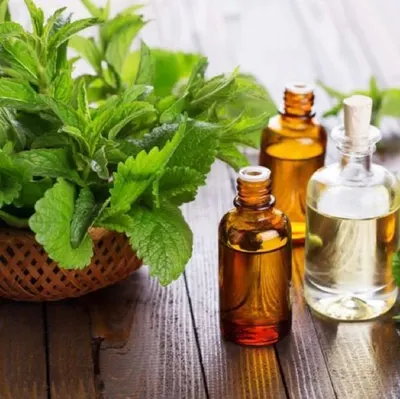
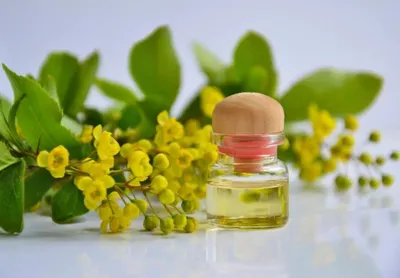
About Tennyson Exports - Essential Oils & Spices Supplier in India
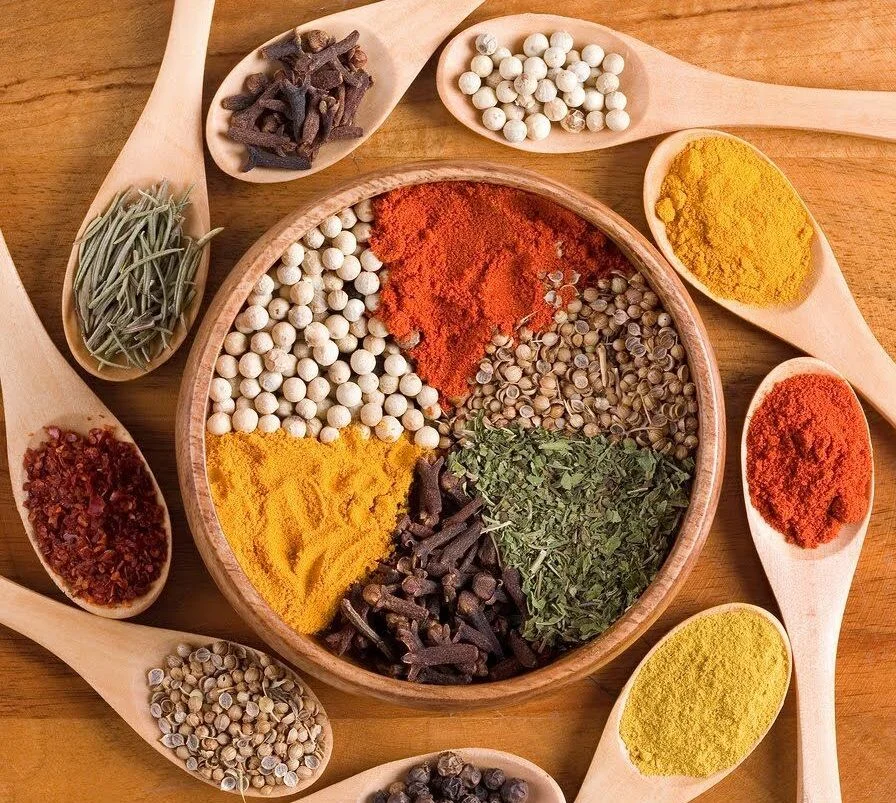
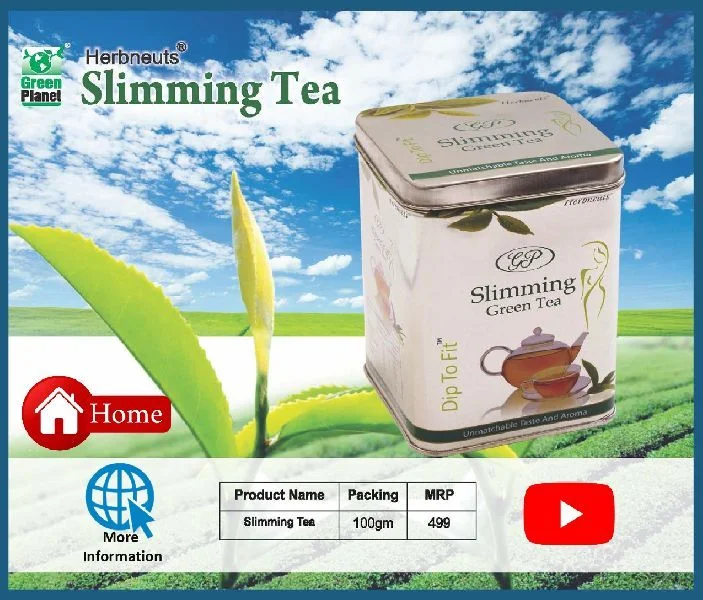
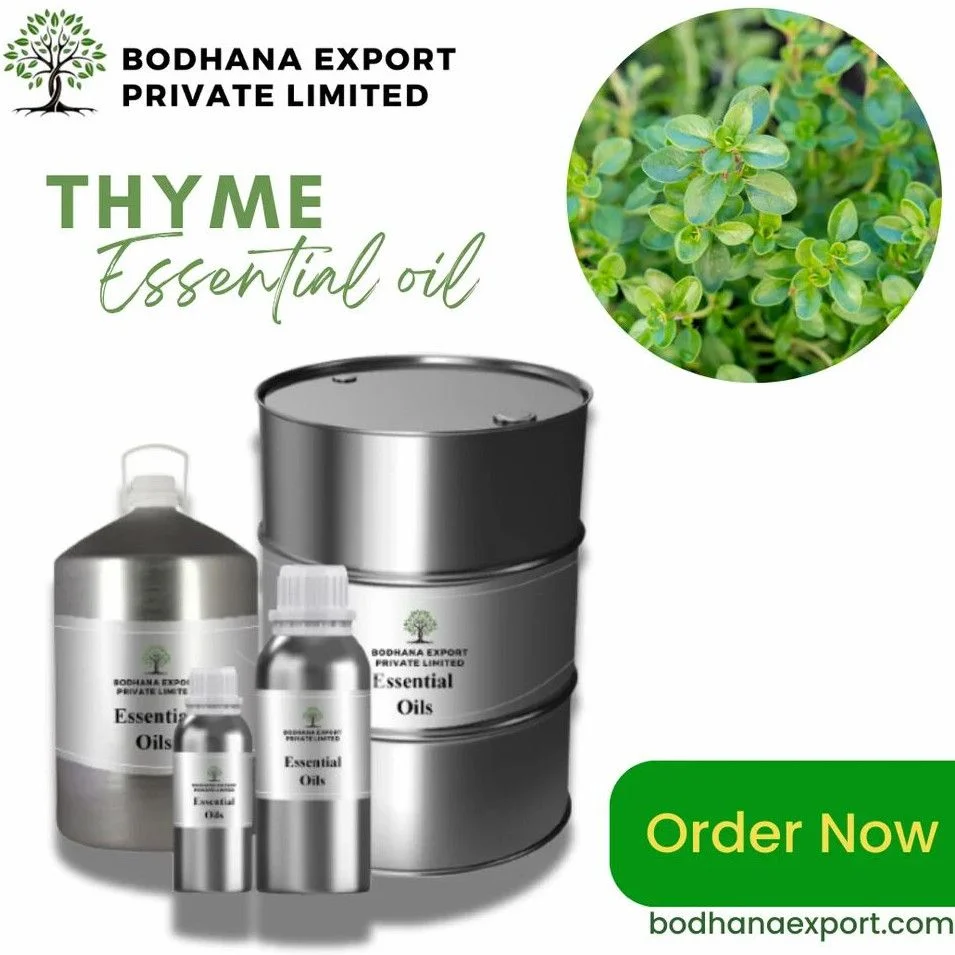
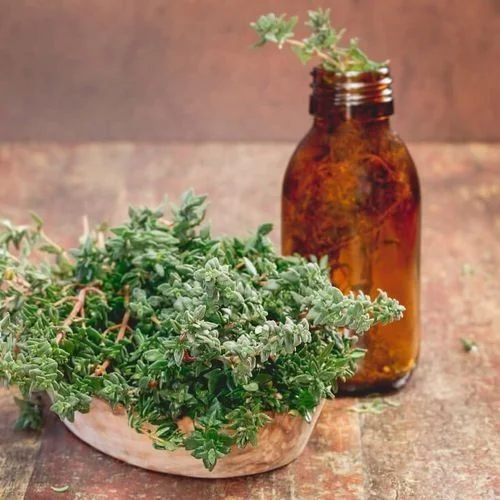
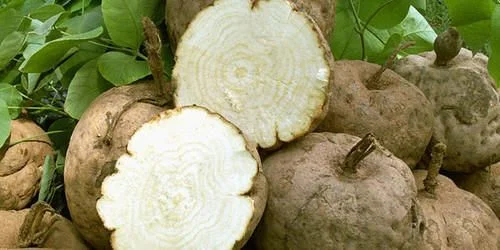
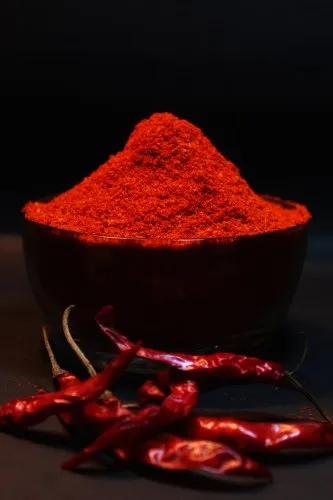
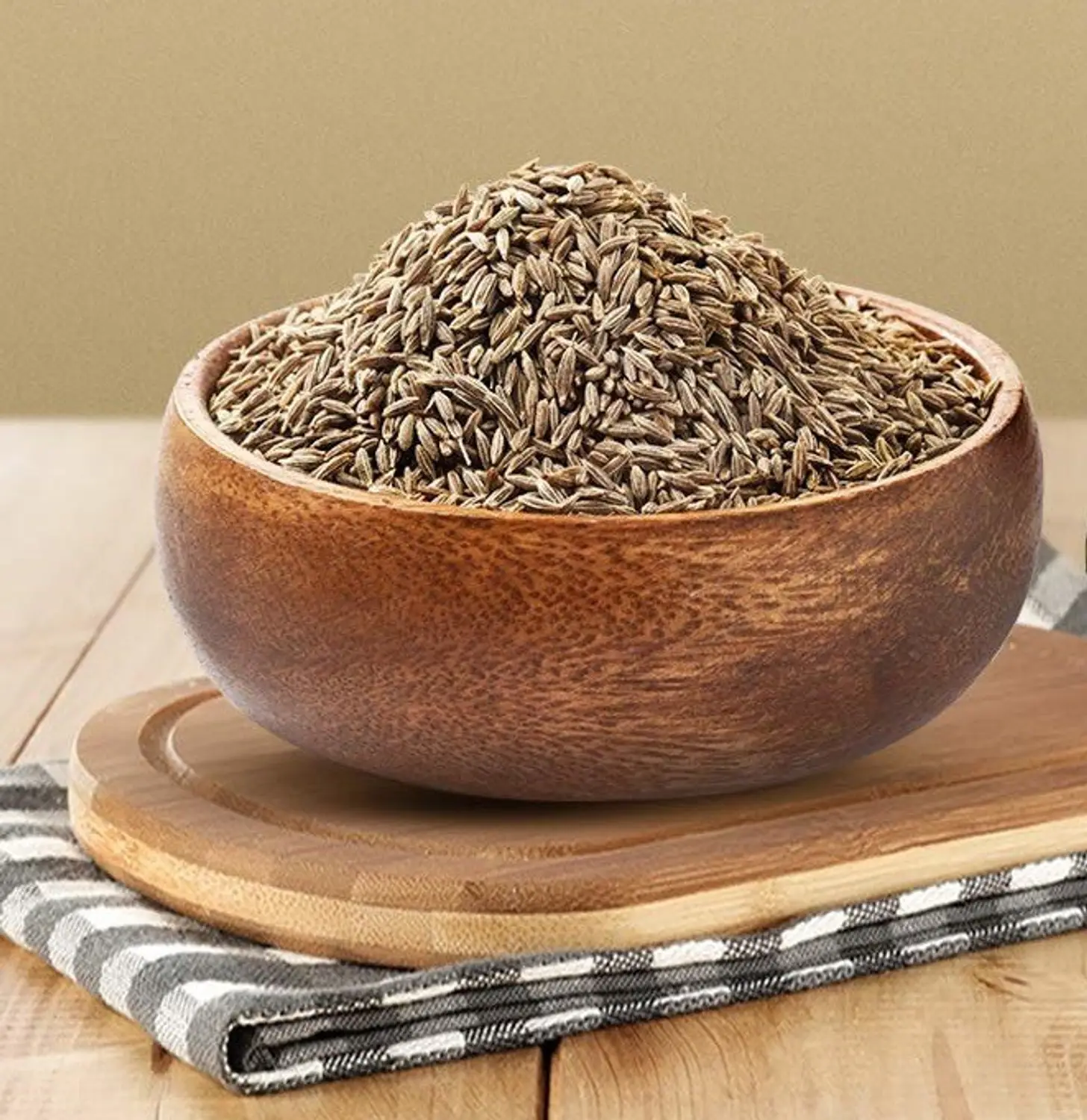
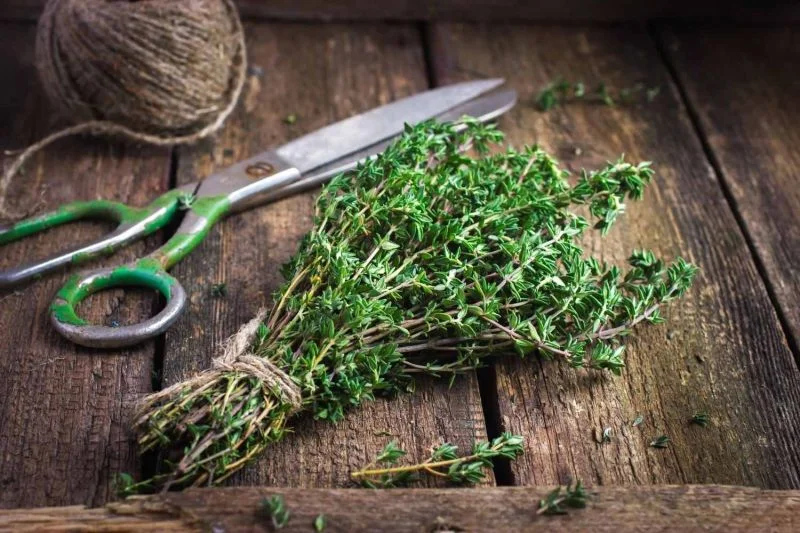
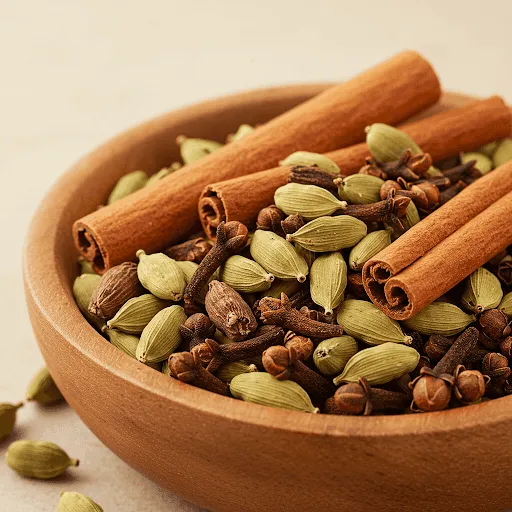
India hosts 35 active products listed by Tennyson Exports, covering both fresh agricultural produce and processed spice and essential‑oil items. The catalogue includes red‑green chili, cumin seeds, turmeric, ginger, garlic, star anise, nutmeg, clove and a full set of botanical extracts such as lemongrass, peppermint, lavender and sandalwood oils, as well as tea, coffee and assorted fruits and vegetables. Each entry aligns with the standard HS chapter groupings used for trade - HS 09 for dried spices, HS 33 for essential oils, HS 71 for tea and coffee - allowing buyers to map the products to familiar tariff codes. The supplier’s trust tier is listed as “harbor”, indicating a mid‑level verification level within the platform.
Product Range and Specialties of Tennyson Exports
The product list groups into two primary families: dried spices and essential oils. Within the spice family, items such as red‑green chili are typically graded “A” with capsaicin levels above 0.1 % and moisture below 10 %; cumin seeds are evaluated for oil content (≥1.5 %) and uniform size (5‑7 mm); turmeric is checked for curcumin content (≥3 %) and low ash. Essential oils are commonly assessed against ISO 9235 and ASTM D4329, with specifications expressed as oil yield (e.g., 1.5 % for lemongrass), GC‑MS fingerprint purity (>95 %) and refractive index. Industry practice also distinguishes bulk packaging - 25 kg jute bags for spices and 200 L HDPE drums for oils - which matches the formats used by most Indian exporters.
Frequently Asked Questions About Tennyson Exports
What HS codes are applicable to the spices listed by Tennyson Exports?
Spices such as red‑green chili, cumin, turmeric and star anise fall under HS chapter 09 - for example HS 0905 00 for dried chilies and HS 0909 10 for cumin seeds. The exact sub‑heading depends on the processing level (whole, ground or powdered).
Which certifications should I request for the essential oils?
Buyers should ask for an ISO 9235 compliance statement, a recent GC‑MS purity report and, if applicable, any organic or fair‑trade certificates. A COA signed by a recognized laboratory is also standard practice.
What are the typical packaging formats for the spice products?
Spices are usually packed in 25 kg polypropylene or jute bags that meet ISPM 15 requirements for export. The bags are sealed with heat‑sealed liners to prevent moisture ingress.
How are the essential oils shipped?
Essential oils are commonly shipped in 200 L HDPE drums with sealed caps and secondary cardboard cartons. For larger volumes, drums are palletized on wooden pallets compliant with ISPM 15.
What is the usual minimum order quantity for garlic and ginger?
The catalogue indicates a MOQ of 500 kg per fresh vegetable or root item, which aligns with standard Indian export practices for bulk fresh produce.
 India
Related Suppliers & Products
Explore similar suppliers, related products and trending categories