Sunshine Global Exporter — Verified Supplier
About Sunshine Global Exporter - Spice and Millet Supplier in India
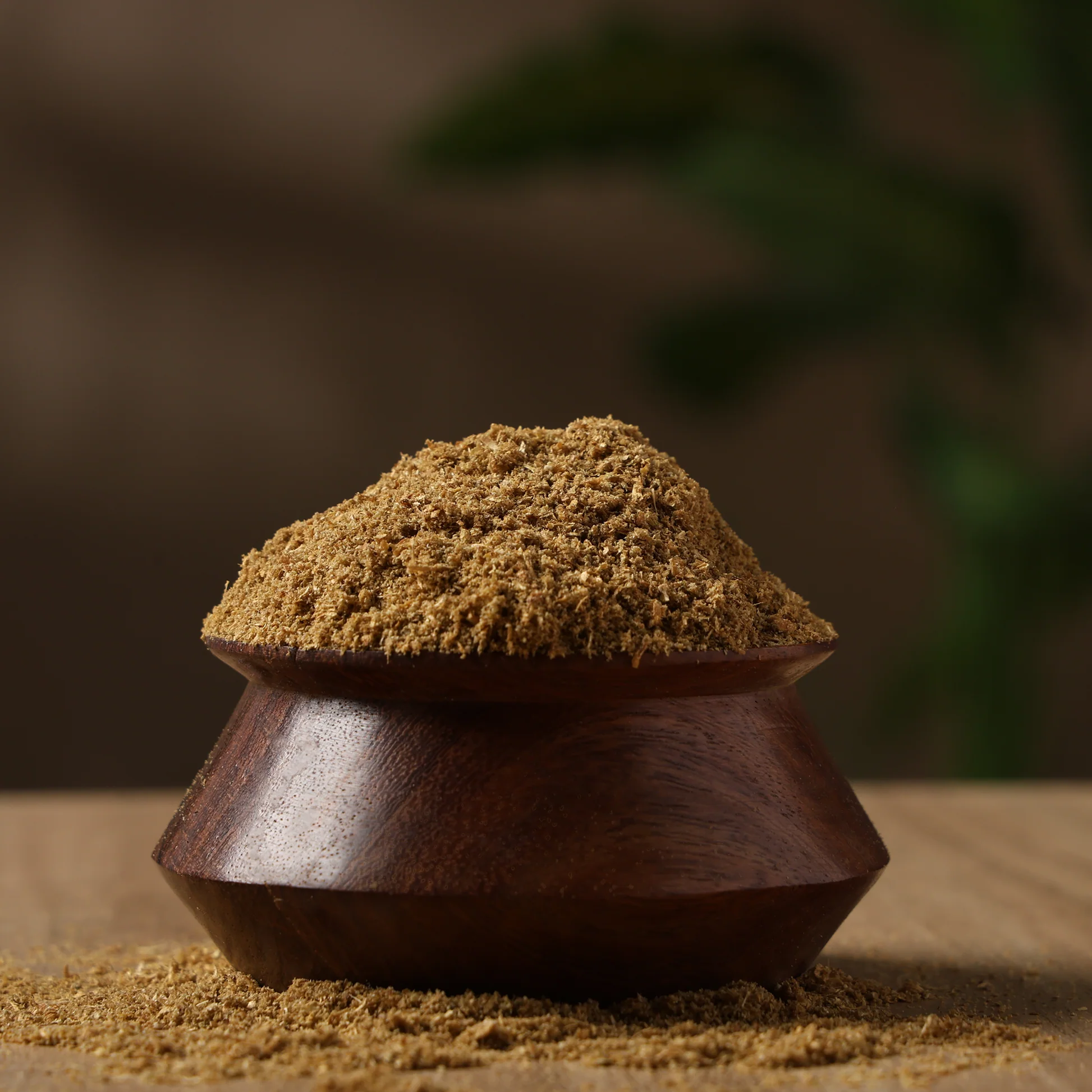
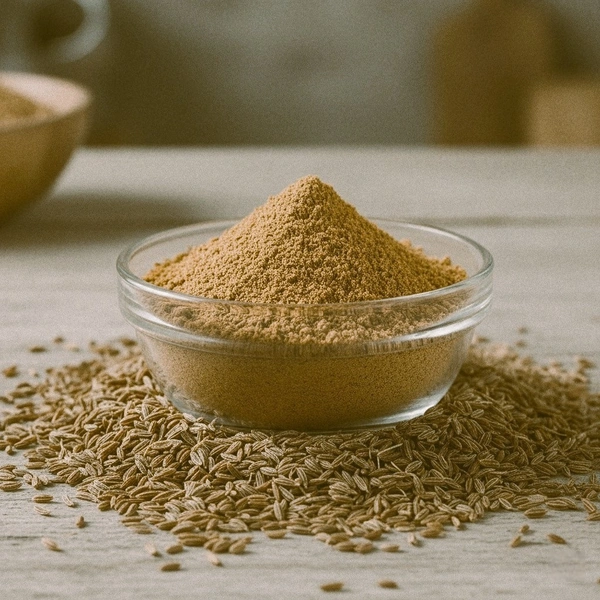
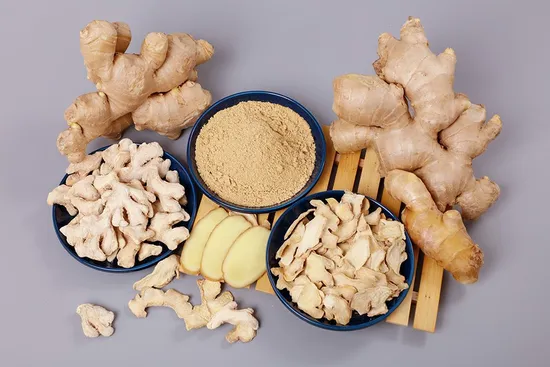
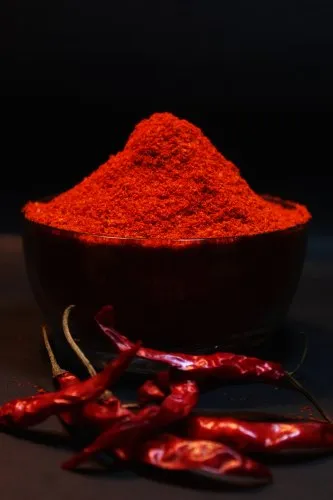
India hosts a diverse agricultural export sector, and Sunshine Global Exporter lists eight active products sourced from Indian farms. The catalogue includes premium turmeric, pearl millet (bajra), finger millet (ragi), black pepper, coriander seed, cumin seed, ginger and red chilli, each described as “Premium” in the supplier’s listing.
The product set covers major spice and cereal categories that are classified under separate HS‑chapter groups for spices and millets. The supplier’s portfolio reflects typical Indian export commodities, with each item targeting food‑processing, retail and ingredient markets worldwide.
Product Range and Specialties of Sunshine Global Exporter
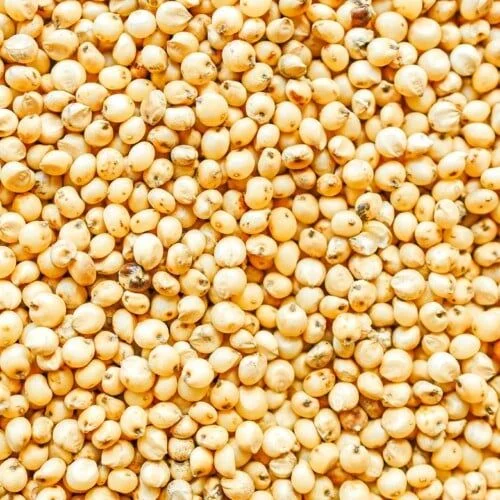
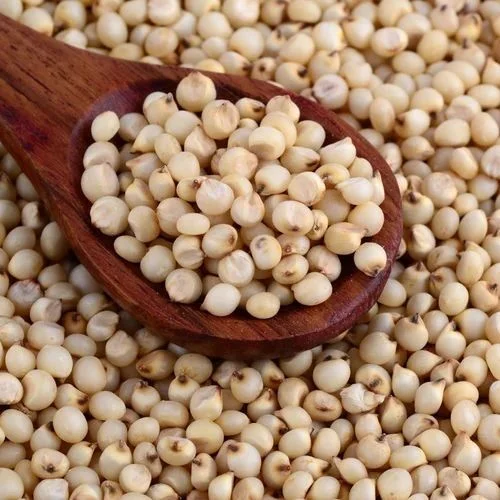
Sunshine Global Exporter’s catalogue features eight specific items: premium turmeric root, pearl millet (bajra), finger millet (ragi), black pepper, coriander seed, cumin seed, fresh ginger and red chilli. In the Indian spice market, turmeric is commonly graded by curcumin content (often ≥ 3 % for premium grades) and moisture below 12 %. Black pepper is evaluated by piperine level (typically 5‑7 %) and uniform size of 2‑3 mm. Millets are traded in clean, de‑hulled form with moisture under 14 % and bulk density around 720 kg/m³.
Industry standards for these commodities include ISO 22000 food safety management, HACCP compliance and, for spices, the European Union’s maximum levels for pesticide residues (MRLs). Buyers also look for certifications such as an FSSAI export licence for Indian food products and phytosanitary certificates confirming freedom from pests.
Trade and Export Information - Sunshine Global Exporter
India is a leading exporter of spices and millets, supplying the EU, United States, Middle East and Southeast Asian markets. Export shipments are usually packed in food‑grade polyethylene bags for millets (20 kg) and sealed cartons for spices, with container loads ranging from 20‑ft to 40‑ft depending on volume. Common Incoterms are FOB (Port of Mumbai or Kolkata) and CIF to major ports in Europe and the Middle East.
Buyers typically request phytosanitary certificates, commodity‑specific test reports (e.g., curcumin assay for turmeric, piperine content for pepper) and compliance with Codex Alimentarius standards. Indian exporters often obtain ISO 9001 or ISO 22000 certifications, but these must be verified per transaction. Trade finance may involve letters of credit aligned with standard commodity contracts.
Sourcing from Sunshine Global Exporter - Buyer Guidance
When sourcing from Sunshine Global Exporter, request sample packs of each spice or millet batch and compare analytical reports against typical grade thresholds (e.g., turmeric curcumin ≥ 3 %, pepper piperine 5‑7 %). Verify the presence of a valid phytosanitary certificate and any applicable export licences issued by Indian authorities.
Confirm packaging details such as 20 kg polyethylene bags for millets and inner cartons for spices, and clarify the preferred Incoterm (FOB or CIF). Ask for recent ISO 22000 or HACCP audit reports if food‑safety compliance is required for your market, and establish a clear MOQ - most Indian spice exporters start at a 500 kg container load for bulk orders.
Frequently Asked Questions About Sunshine Global Exporter
What product categories does Sunshine Global Exporter list?
The supplier lists eight premium items: turmeric, pearl millet (bajra), finger millet (ragi), black pepper, coriander seed, cumin seed, fresh ginger and red chilli.
Are there standard quality specifications for these spices?
Typical specifications include turmeric curcumin content of at least 3 %, pepper piperine 5‑7 %, ginger moisture below 12 % and chilli capsaicin level within market norms.
Which certifications should a buyer request?
Buyers should request a phytosanitary certificate, an FSSAI export licence, and any ISO 22000 or HACCP audit reports the exporter can provide.
What are common packaging formats for the millets?
Millets are usually packed in food‑grade polyethylene bags of 20 kg, stacked in 20‑ft containers for bulk shipments.
What Incoterms are typically used for these products?
FOB from major Indian ports such as Mumbai or Kolkata and CIF to European or Middle‑East ports are common in the spice trade.
What is a typical minimum order quantity?
Bulk buyers often start with a 500 kg container load for spices and a similar volume for millets, though smaller sample orders can be arranged.
How long does it take to ship from India?
Lead times from order confirmation to vessel loading are usually 30‑45 days, depending on production scheduling and port logistics.
What documentation is needed for customs clearance?
Customs generally require a commercial invoice, packing list, certificate of origin, phytosanitary certificate and any relevant food‑safety audit reports.




 , India