Suhryung Machinery Co., Ltd. — Supplier
About Suhryung Machinery Co., Ltd. - Automobile Spare Parts & Supplies Supplier in South Korea (Republic Of Korea)
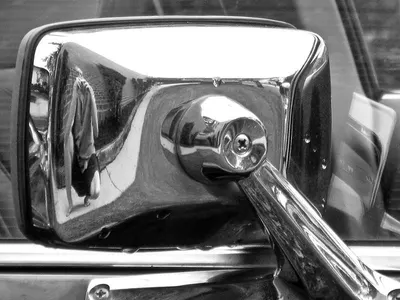
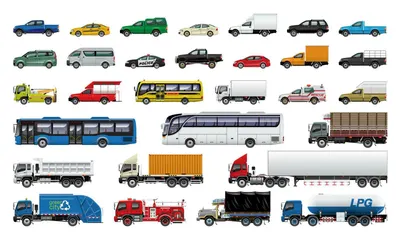
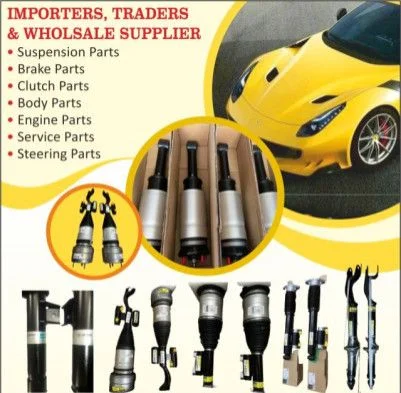
South Korea hosts Suhryung Machinery Co., Ltd., which lists 14 active products across five top automotive categories, including automobile spare parts, used vehicles and body components. The catalogue covers items such as radiators, shock absorbers, bumpers, bonnets, car sheets, wheel tires, Korean standard tail lamps, fenders, catalysts, side mirrors and several classes of used trucks and buses. Each product is identified by a specific HS‑code family - for example 8708.91 for radiators, 8708.80 for shock absorbers, 8708.29 for many body parts, 8512.20 for tail lamps and 7009.10 for side mirrors - reflecting the standard customs classification for automotive components.
The listed materials range from aluminum alloy and high‑purity copper‑brass in radiators to steel housings with hydraulic or gas damping fluid in shock absorbers, polypropylene or ABS plastics in bumpers, and cold‑rolled steel or aluminum sheet in bonnets and car sheets. The wheel tire entry does not include an HS code in the source data, while the catalyst and used‑vehicle entries are similarly HS‑code‑free. All items are described with their principal material composition, enabling buyers to match material grades to their own engineering specifications.
Product Range and Specialties of Suhryung Machinery Co., Ltd.
Suhryung’s product set includes radiators built from aluminum alloy or copper‑brass (Cu 99.99 %), a material choice that aligns with industry practice of using AA6063 or AA3003 for lightweight heat exchangers. Shock absorbers feature steel housings, hydraulic or gas fluid, and polyurethane or elastomer mounts, conforming to ISO 16750 performance tests for durability and vibration damping. Body components such as bumpers, bonnets, fenders and car sheets are offered in polypropylene, ABS, steel or aluminum sheet, materials that meet SAE J286 impact standards and typical automotive sheet‑metal thicknesses of 0.6‑1.2 mm. Tail lamps use ABS housings with polycarbonate lenses, a combination that satisfies UNECE E‑5 illumination requirements, while side mirrors employ glass with ABS/PP housings and steel brackets, matching common optical clarity and impact‑resistance grades. Tyres for cars and trucks, although not HS‑coded in the data, are typically supplied in 185/65 R15 to 315/80 R22 sizes, with tread depth and load index complying with DOT and ECE regulations.
Trade and Export Information - Suhryung Machinery Co., Ltd.
South Korean automotive parts exporters frequently supply to the United States, European Union, Southeast Asian markets and the Middle East, where demand for replacement parts and used vehicles remains strong. The HS‑code families used by Suhryung (8708, 8512, 7009) fall under Chapter 87 (vehicles) and Chapter 85 (electrical equipment), which are routinely inspected for compliance with UNECE regulations, EPA emissions standards for catalysts, and safety certifications such as ISO 9001 or IATF 16949 that buyers often request from Korean manufacturers. Export logistics commonly employ 20‑foot or 40‑foot containers with wooden pallets, moisture‑resistant wrapping and interior bracing to protect sheet metal and plastic components; tyres are usually loaded on bulk pallets with protective covers. Typical Incoterms for Korean auto‑parts shipments include FOB Busan or CIF destination ports, allowing buyers to arrange inland freight and customs clearance according to their preferred terms.
Sourcing from Suhryung Machinery Co., Ltd. - Buyer Guidance
When sourcing radiators or shock absorbers from Suhryung, buyers should request material test reports - for example mill test certificates for aluminum alloy composition or steel grade, and performance test data for damping force and rebound characteristics. Certification copies such as ISO 9001, IATF 16949, and any relevant UNECE type‑approval documents should be verified before contract finalisation. Buyers are advised to obtain product samples, confirm packaging dimensions (e.g., pallet size, crate weight) and review the supplier’s quality inspection protocol to ensure that the delivered parts meet the required automotive grade specifications.
Frequently Asked Questions About Suhryung Machinery Co., Ltd.
What categories of automotive products does Suhryung Machinery list?
The catalogue includes radiators, shock absorbers, bumpers, bonnets, car sheets, wheel tires, Korean standard tail lamps, fenders, catalysts, side mirrors and various classes of used cars, small trucks, buses and large trucks.
Which HS codes are associated with the listed products?
Radiators are coded 8708.91, shock absorbers 8708.80, most body parts such as bumpers, bonnets, fenders and car sheets use 8708.29, tail lamps use 8512.20 and side mirrors use 7009.10. The tyre, catalyst and used‑vehicle entries do not have HS codes in the provided data.
What material grades are typical for the radiators and shock absorbers?
Radiators are commonly fabricated from aluminum alloys like AA6063 or high‑purity copper‑brass (99.99 % Cu). Shock absorbers usually employ steel housings that meet ASTM A36 or equivalent, with hydraulic fluid and polyurethane or elastomer mounts that comply with ISO 16750 performance standards.
Which documents should a buyer request before purchasing tail lamps or side mirrors?
Buyers should ask for material safety data sheets, test reports confirming compliance with UNECE E‑5 illumination standards for tail lamps, and impact‑resistance test results for side mirrors. Copies of ISO 9001 or IATF 16949 certification and any type‑approval certificates are also customary.
How are these automotive parts typically packaged for export from South Korea?
Export shipments are usually packed in wooden crates or on Euro pallets, with protective cushioning for sheet metal and plastic components. Tyres are loaded on bulk pallets with covers to prevent deformation, and containers are sealed according to standard ISPM 15 phytosanitary requirements for wooden packaging.
Which regions most often import Korean automobile spare parts?
Major import destinations include the United States, the European Union (Germany, France, the UK), Southeast Asian countries such as Vietnam and Thailand, and Middle Eastern markets like Saudi Arabia and the UAE, where aftermarket demand is high.
Do used vehicles follow the same export procedures as new parts?
Used vehicles are subject to additional customs inspection and may require vehicle age certification, emissions compliance documentation and, where applicable, conformity with the destination country’s safety standards, unlike new parts which focus on material and performance certificates.
What verification steps help confirm product quality before placing an order?
Requesting mill test reports, third‑party inspection certificates, and compliance test results (e.g., impact, tensile strength, illumination) provides objective evidence of quality. Verifying the supplier’s ISO or IATF certification and reviewing sample performance against the buyer’s specifications further reduces risk.




 , South Korea (Republic Of Korea)