Sreechakra Impex — Supplier
About Sreechakra Impex - Leather Bags Supplier in India
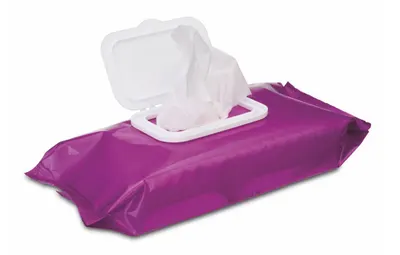
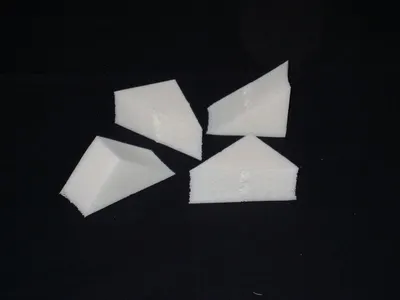
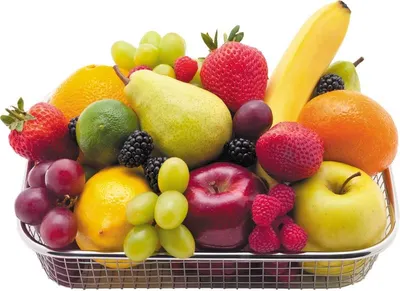
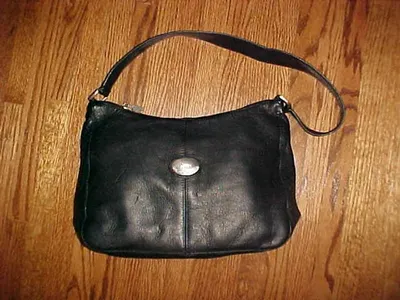
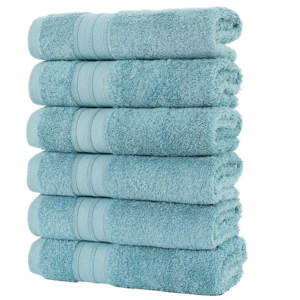
Sreechakra Impex is based in India and lists five active products in its catalogue. The catalogue includes leather bags, a service entry labeled outsourcing people, assorted fruits, wet tissues and paper soap. The supplier is classified as an imported tier with a harbor trust tier, indicating it operates through third‑party logistics rather than direct local distribution. The product titles align with the top categories reported for the company: leather bags, home furnishing textiles, fruits, tissue paper and holders, and soaps & detergents. No additional product specifications or HS codes are provided in the source data.
The five listed items cover both durable goods such as leather bags and consumables including fresh fruit, wet tissue products and paper‑based soap. While the catalogue mentions outsourcing people, no further details are supplied, so the focus remains on the tangible goods. The supplier’s public information does not disclose manufacturing locations, certifications held, or client references. All statements are derived from the supplied facts and standard industry context for these product types.
Product Range and Specialties of Sreechakra Impex
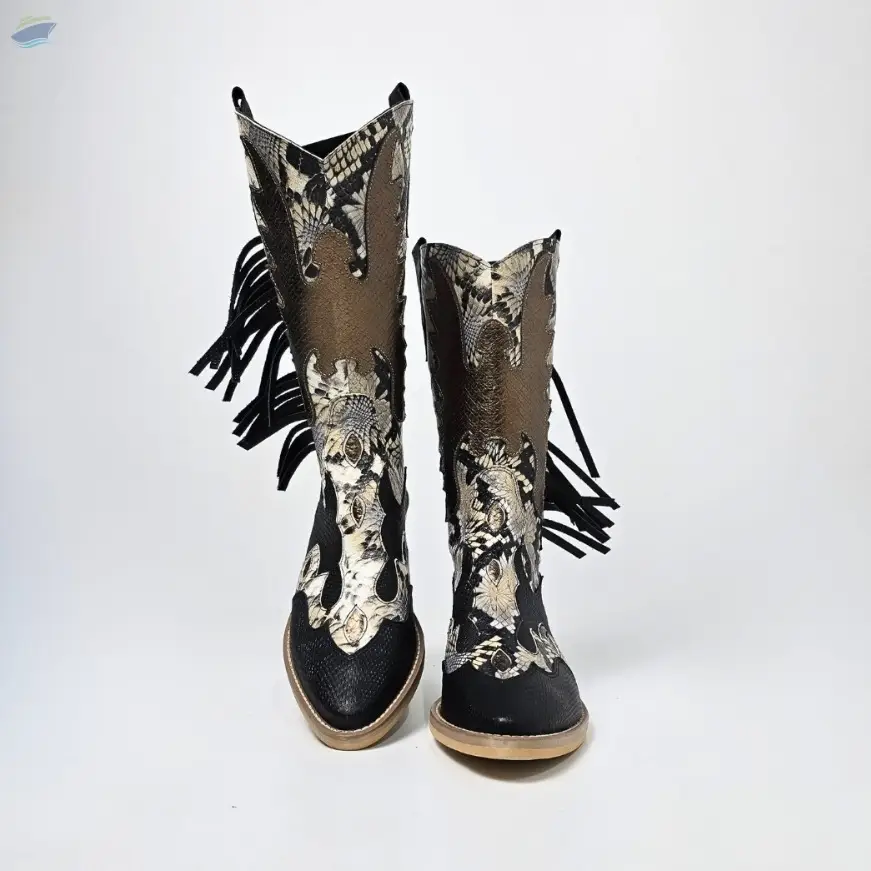
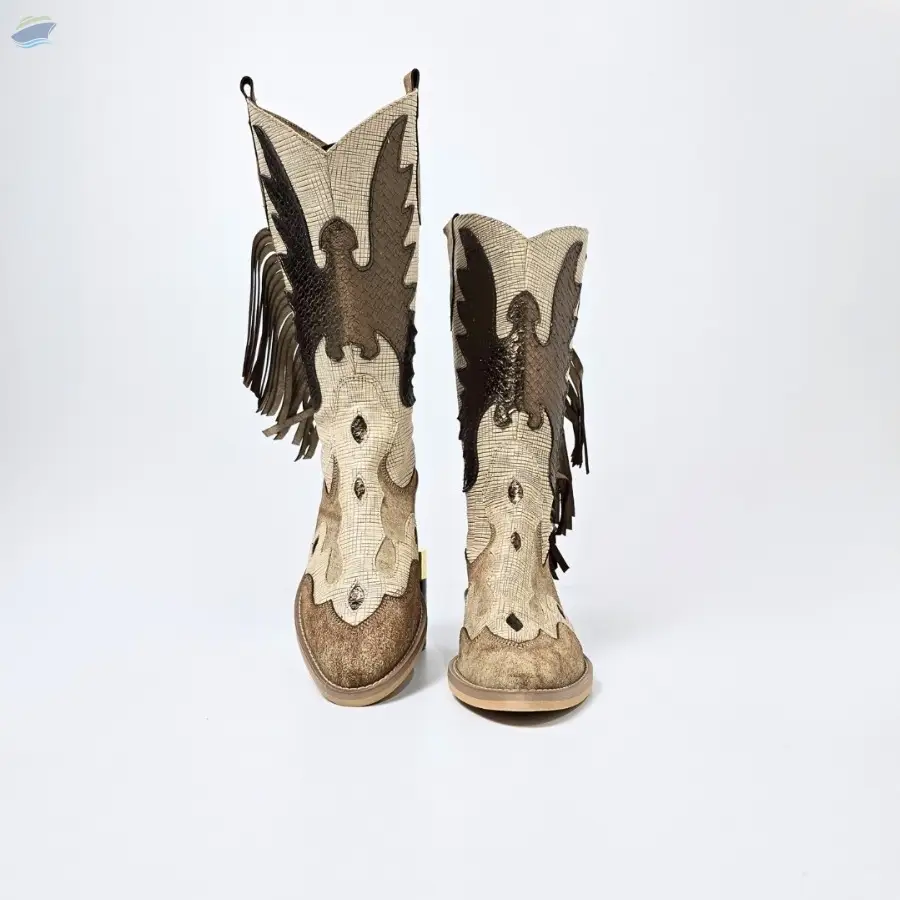
The catalogue shows leather bags as a primary durable good. In the broader leather bag market, buyers typically look for full‑grain or top‑grain leather, stitching strength measured in N/mm², and hardware such as brass or stainless steel fittings. Standard dimensions range from small clutch sizes (approximately 20 cm × 10 cm) to larger travel bags (up to 70 cm × 30 cm).
Fruits listed in the catalogue fall under fresh produce; common export grades are based on size, sugar content and blemish‑free appearance, with quality checks such as pesticide residue limits. Wet tissues and paper soap are part of the tissue paper segment, where typical specifications include basis weight around 15‑20 g/m², absorbency measured by the wet‑strength test, and packaging in sealed polyethylene bags. Industry practice often requires compliance with ISO 9001 for quality management, though the supplier’s specific certifications are not recorded.
Trade and Export Information - Sreechakra Impex
India exports leather accessories primarily to markets in the United States, European Union and Middle East, using containerised freight and often applying HS chapter 42 for leather goods. Fresh fruit exports from India are commonly shipped in refrigerated containers (reefers) and fall under HS chapter 08, with phytosanitary certificates required by importing countries. Tissue‑based products such as wet tissues and paper soap are classified under HS chapter 48 and typically require compliance with local safety regulations, including the presence of any required REACH or IS0 9001 documentation for the manufacturing process. The supplier’s listed target markets are not specified, so buyers should anticipate standard Indian export documentation: commercial invoice, packing list, certificate of origin and any product‑specific certificates demanded by the destination country.
Buyers importing these categories from India generally arrange FOB or CIF terms, with packaging choices ranging from cardboard boxes for leather bags to bulk palletised cartons for tissue products. Inspection agencies such as SGS or Bureau Veritas are frequently engaged to verify product conformity against the relevant standards before shipment.
Sourcing from Sreechakra Impex - Buyer Guidance
When sourcing leather bags from Sreechakra Impex, request material certificates confirming leather type, a sample of stitching quality, and a detailed product specification sheet that includes dimensions, weight and hardware finishes. For fruit shipments, ask for a phytosanitary certificate, a recent laboratory test report for pesticide residues, and a sample of the fruit to assess size and ripeness. Wet tissue and paper soap orders should be accompanied by a safety data sheet (SDS), a test report for absorbency and disintegration, and confirmation that the paper material meets the appropriate moisture content limits (typically below 5 %).
Verification steps include reviewing the supplier’s export documentation for completeness, confirming that any required third‑party inspection reports are attached, and cross‑checking product samples against the stated specifications before finalising the purchase order. Buyers should also clarify the packaging format (e.g., number of units per carton, pallet dimensions) and the preferred Incoterm to align logistics planning with the supplier’s capabilities.
Frequently Asked Questions About Sreechakra Impex
What durable goods does Sreechakra Impex list in its catalogue?
The catalogue lists leather bags as the only durable good, alongside consumable items such as fruits, wet tissues and paper soap.
Does the supplier provide any certification information for its products?
No certifications are mentioned in the supplied data; buyers should request any applicable certificates such as ISO 9001, phytosanitary certificates for fruit, or safety data sheets for tissue products.
Which HS code families are relevant to the products offered?
Typical HS code families for the listed items are chapter 42 for leather goods, chapter 08 for fresh fruit, and chapter 48 for tissue paper and paper‑based soap, but specific codes are not provided in the source facts.
What documentation should a buyer request before placing an order?
Buyers should ask for a commercial invoice, packing list, certificate of origin, product specification sheets, and any product‑specific certificates such as phytosanitary certificates for fruit or safety data sheets for tissue products.
Are there standard quality tests for wet tissues and paper soap?
Standard tests include absorbency measurement, wet‑strength testing, and moisture content analysis for wet tissues; paper soap is usually evaluated for dissolution rate, pH balance and compliance with relevant safety regulations.
What are typical packaging formats for the supplier’s export items?
Leather bags are commonly packed in sturdy cardboard boxes, fruits are shipped in refrigerated containers with insulated pallets, and wet tissues and paper soap are usually packed in sealed polyethylene bags placed on standard Euro‑pallets for bulk shipment.




 , India