Tridencargos — Verified Supplier
About Tridencargos - Millet Supplier in India
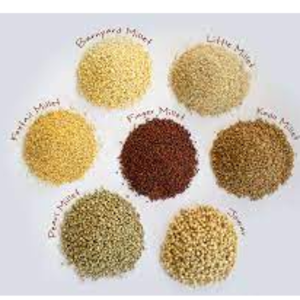
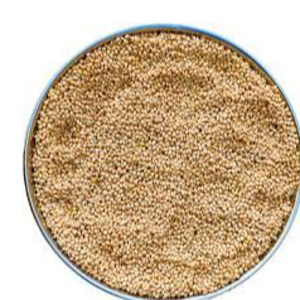
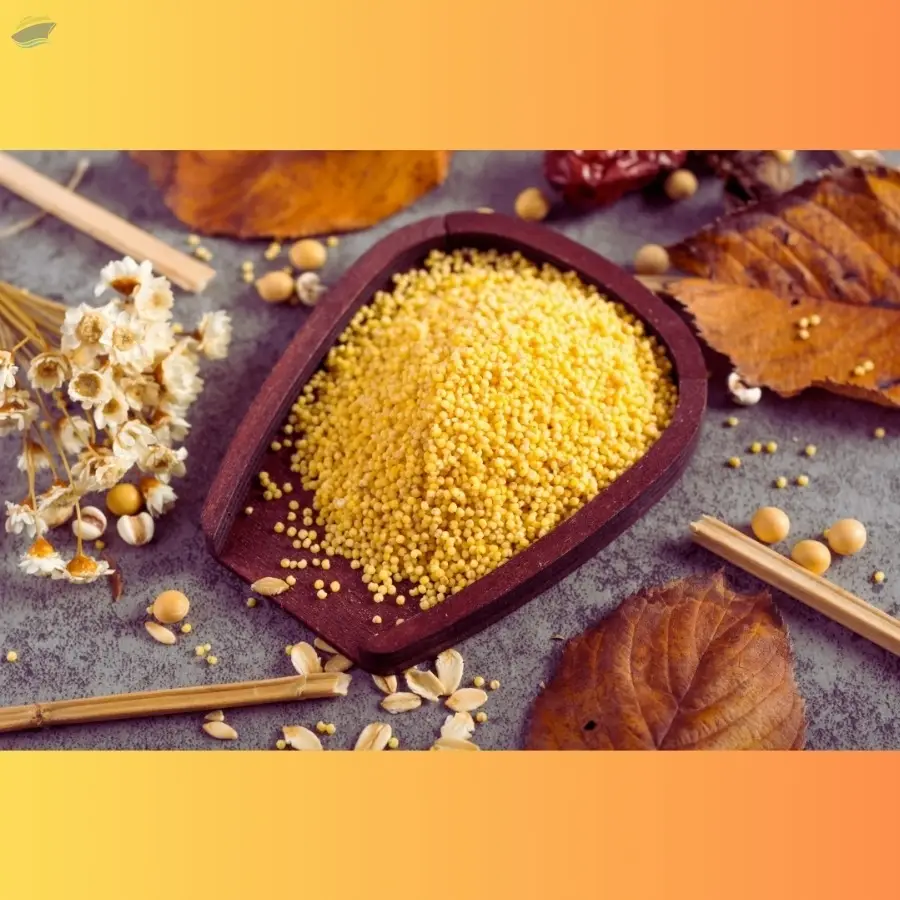
Based in Madurai, Tamil Nadu, India, Tridencargos lists nine active products across food, textile and horticultural categories. The catalogue includes millet flour (HS 1102.90) derived from Proso millet, millet grains (HS 1008.20) covering Proso, Pearl and Foxtail millet, a millet mix (HS 1102.90) blending five millet varieties, and millet flakes (HS 1104.19) made from whole grain millet. Additional food items are polished long‑grain rice (HS 1006.30), assorted dried pulses classified as dals (HS 0713.40), while textile offerings comprise silk‑cotton sarees (HS 6204.40) and custom bulk clothing apparel made from polyethylene or SMS non‑woven material (HS 3926.21.00). The final product is a coir block (HS 5305.00) composed of 100 % natural coconut husk fibre.
The supplier is identified as an organic tier provider with a voyage trust tier. Minimum order quantities start at 20 tonnes, and the stated handling capacity ranges from 500 to 700 tonnes, extending to 1 000 tonnes for clothing‑related shipments. All listed items are presented for on‑demand export, with the company emphasizing precision logistics in its operations.
Product Range and Specialties of Tridencargos
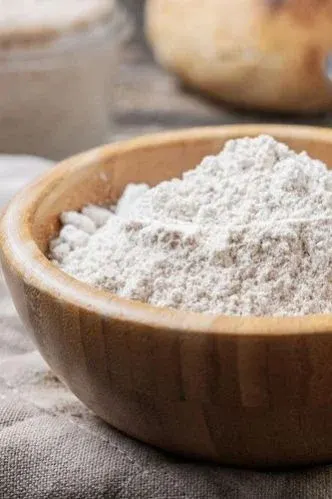
Tridencargos offers food products that conform to common Indian export standards. Millet flour is typically milled to a particle size of 150 - 250 µm, with moisture content not exceeding 12 % and protein levels around 10 - 12 %. Millet grains are usually delivered with moisture below 13 % and impurity limits under 2 %. The millet mix follows the same specifications, while millet flakes are produced with a bulk density of 0.45 - 0.55 g/cm³ and a moisture ceiling of 10 %.
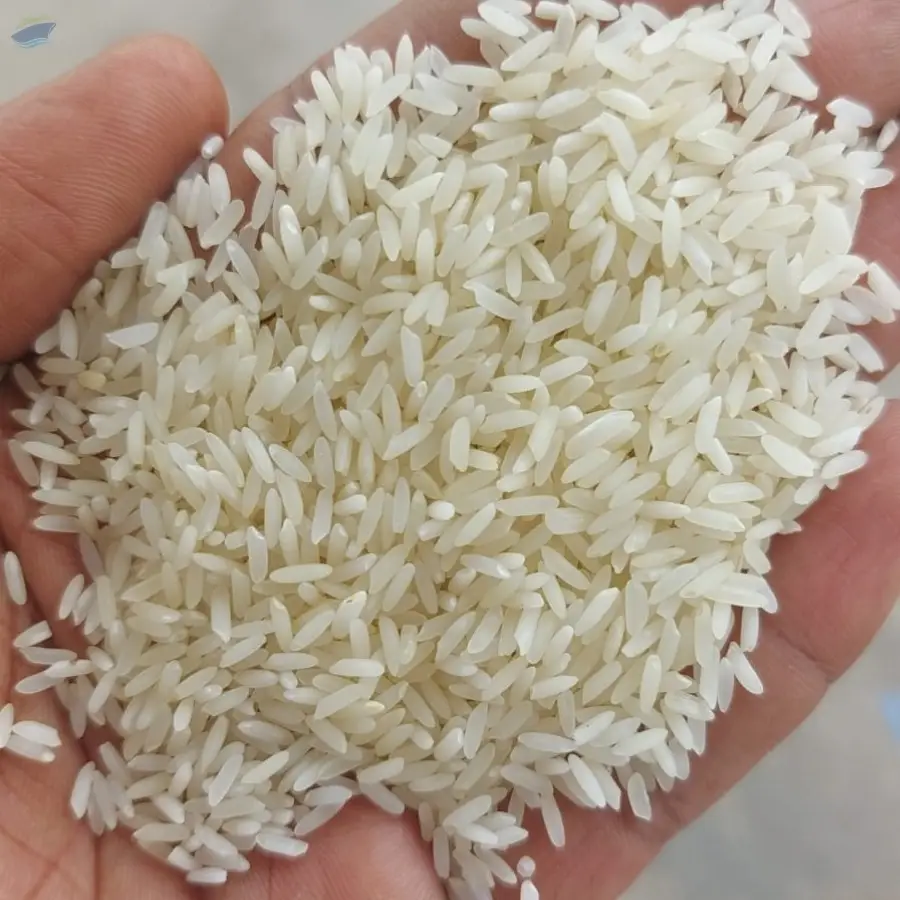
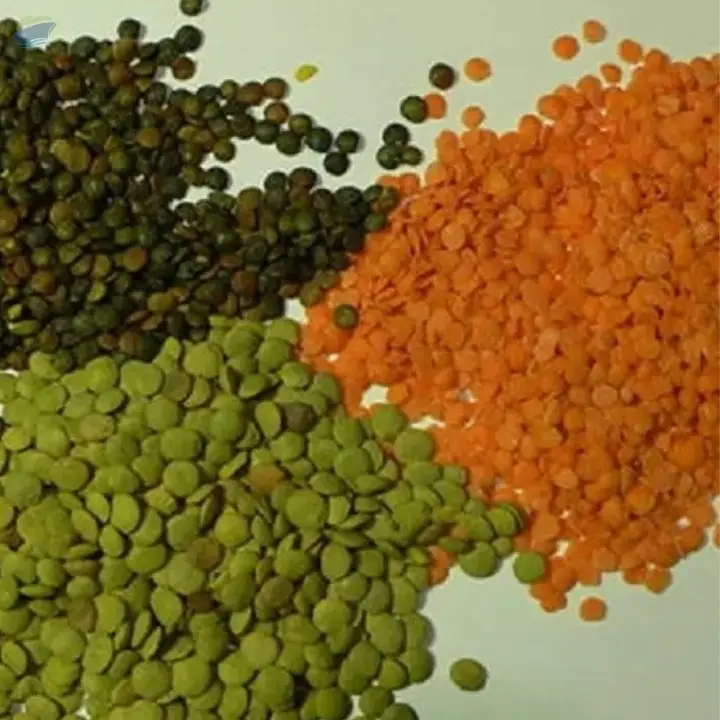
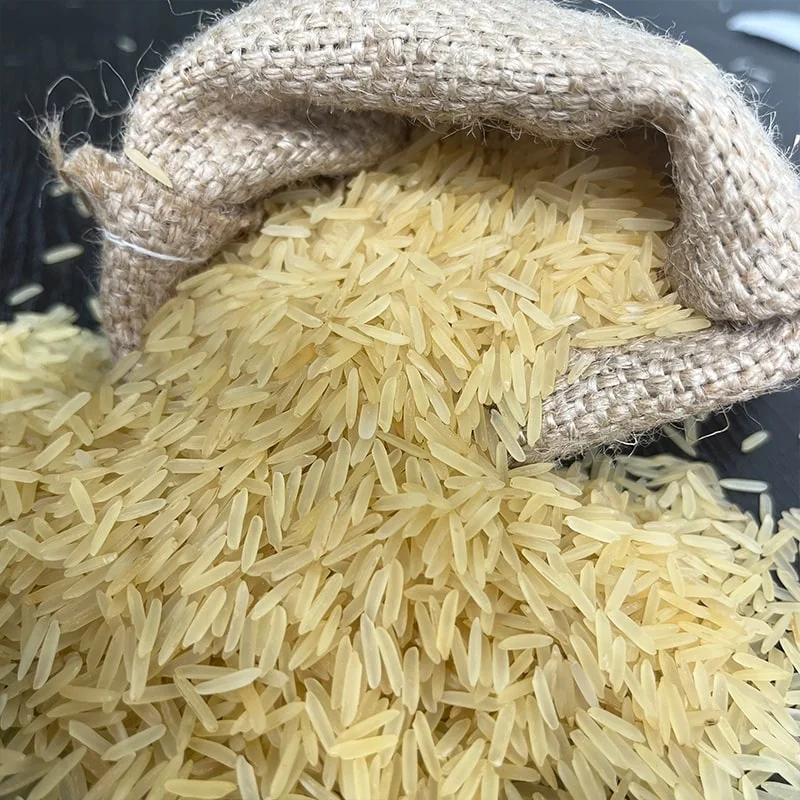
Rice grains are exported as polished long‑grain rice meeting the Basmati‑type specifications of broken rice ≤5 % and moisture 13 - 14 %. Dals such as Toor, Moong and Masoor are graded by size (e.g., 5 mm ± 0.5 mm) and must pass a pesticide residue test below 0.01 mg/kg. The sarees combine silk and cotton with a fabric weight of 120 - 150 g/m². Custom bulk clothing apparel uses polyethylene or SMS non‑woven fabrics that typically meet ISO 9001 quality management and are supplied in bulk rolls or packed in 20‑ft containers. Coir blocks are compressed to a density of 0.6 - 0.8 g/cm³ and are widely used in horticulture and erosion control.
Trade and Export Information - Tridencargos
India is a major exporter of millets, rice, pulses and coir products, with primary destinations in the Middle East, Southeast Asia, the European Union and the United States. HS chapter 11 (e.g., 1102.90 for millet flour and 1104.19 for millet flakes) and chapter 10 (e.g., 1006.30 for rice, 1008.20 for millet grains) are routinely inspected under the Indian Food Safety and Standards Authority (FSSAI) and require phytosanitary certificates for agricultural commodities.
Textile exports such as silk‑cotton sarees (HS 6204.40) and non‑woven apparel (HS 3926.21.00) generally need compliance with ISO 9001 and, for EU markets, CE marking or REACH registration. Coir blocks (HS 5305.00) are subject to phytosanitary clearance and may be certified under the Indian Ministry of New and Renewable Energy for sustainable material use. Standard export logistics involve FOB or CIF terms, containerisation in 20‑ft or 40‑ft containers, and packaging in food‑grade polyethylene bags for grains and moisture‑proof cartons for textiles.
Sourcing from Tridencargos - Buyer Guidance
Buyers should request a current Certificate of Analysis covering moisture, protein, ash and pesticide residues for all millet and rice products, as well as a phytosanitary certificate confirming freedom from pests. For pulses, a size‑grade report and pesticide residue test are standard, while textile orders should be accompanied by an ISO 9001 compliance statement and, where applicable, a CE or REACH declaration.
The minimum order quantity of 20 tonnes applies to all food items, with lead times typically 30 - 45 days after receipt of a pro‑forma invoice and required documentation. Verification of the supplier’s organic tier status can be done by requesting the latest organic certification, and buyers are advised to confirm container loading plans and packaging specifications before finalising the order.
Frequently Asked Questions About Tridencargos
What food products does Tridencargos export?
Tridencargos exports millet flour (HS 1102.90), millet grains (HS 1008.20), millet mix (HS 1102.90), millet flakes (HS 1104.19), polished long‑grain rice (HS 1006.30) and dried pulses classified as dals (HS 0713.40). Each product is listed with the corresponding HS code in the supplier catalogue.
Which HS codes apply to the textile items?
The silk‑cotton sarees are classified under HS 6204.40, and the custom bulk clothing apparel is listed under HS 3926.21.00 for polyethylene or SMS non‑woven fabric products. These codes are used for customs clearance of textile exports from India.
What is the minimum order quantity for food products?
The supplier requires a minimum order of 20 tonnes for each food product, such as millet flour, rice grains or dals. This threshold is stated in the supplier profile for on‑demand shipments.
What certifications should a buyer request for the millet and rice shipments?
Buyers should ask for a Certificate of Analysis, an FSSAI export certificate, and a phytosanitary certificate; if organic claims are made, the latest organic certification should also be provided. These documents verify compliance with Indian food safety standards and international import requirements.
How are coir blocks packaged for export?
Coir blocks are typically compressed into 500 kg bales, wrapped in polypropylene film, and loaded in 20‑ft containers with moisture‑proof liners. This packaging protects the natural fibre from moisture and damage during transit.
What typical lead time can a buyer expect?
After the purchase order and required documents are received, production and packaging usually take 30 to 45 days before shipment. Lead times may vary slightly depending on the specific product and destination.
Which markets commonly import these Indian millets and pulses?
Major importers include countries in the Middle East, Africa, the European Union and North America, where buyers often require compliance with international food safety standards. These regions regularly source Indian millets and pulses for health‑focused and specialty food markets.




 Madurai, India



.jpg.png)