Songitex — Supplier
About Songitex - Blended Fabric Supplier in South Korea (Republic Of Korea)
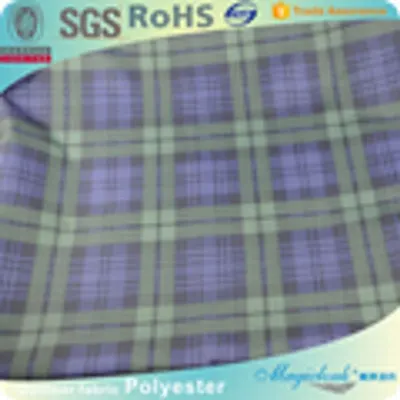
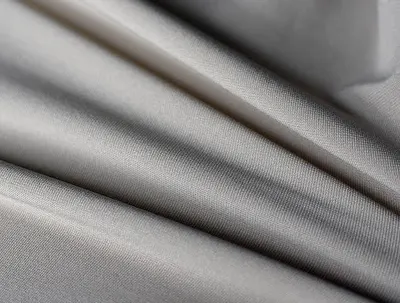
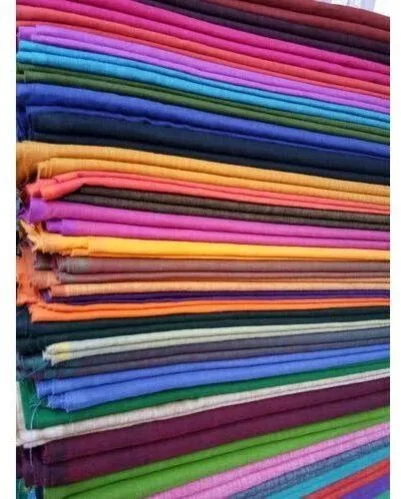
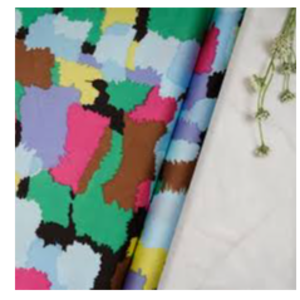
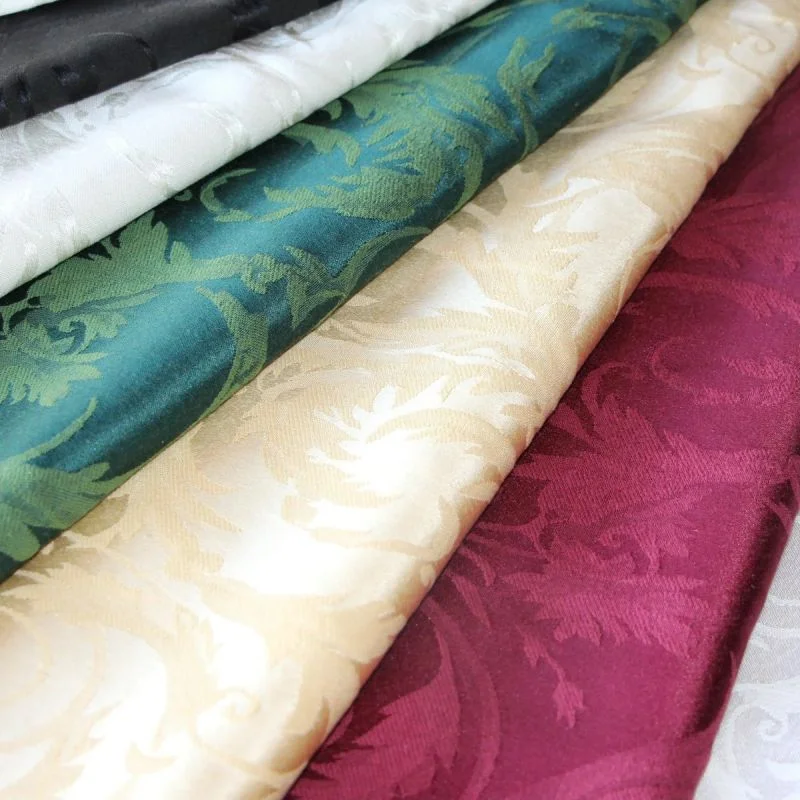
Songitex, located in South Korea (Republic Of Korea), offers a range of fabric products, with an active product count of 5. The company's catalogue includes two-way spandex fabric, cotton, nylon, polyester mixed fabrics, polyester, nylon mixed shape memory, yarn dyed nylon check and P/N spandex, and eco-friendly and functional fabrics. These products are part of the broader categories of blended fabric, synthetic fabric, and industrial sheets. Exporters of these goods typically ship to regions such as North America, Europe, and Asia, where they are used in various industries like apparel, upholstery, and industrial manufacturing.
As a supplier in South Korea, Songitex benefits from the country's strong textile industry, with access to advanced manufacturing facilities and a skilled workforce. The company's products are likely to be shipped via major ports in South Korea, such as Busan or Incheon, to destinations around the world. Buyers of these goods usually require specifications like fabric weight in GSM, tensile strength in MPa, and moisture resistance, as well as certifications like ISO 9001 or OEKO-TEX.
Product Range and Specialties of Songitex
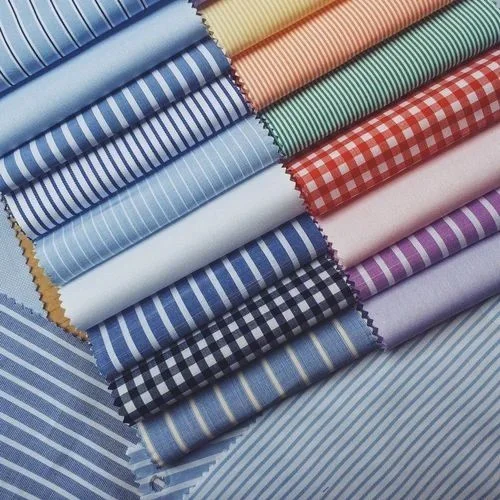
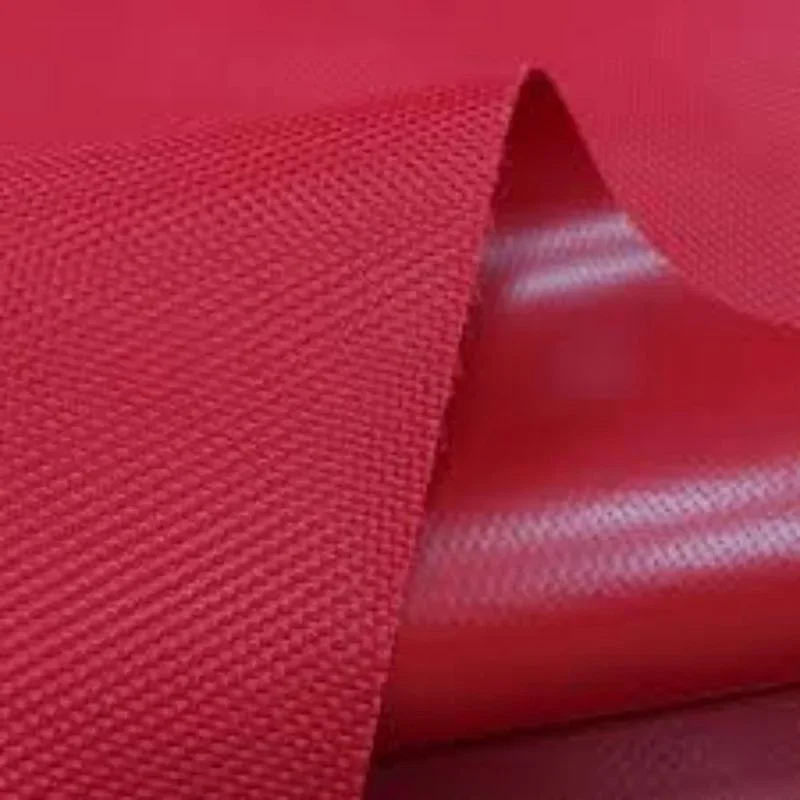
Songitex's product range includes a variety of fabric types, such as two-way spandex fabric, which is commonly used in apparel and sportswear. The company also offers cotton, nylon, polyester mixed fabrics, which are often used in industrial applications. Additionally, Songitex provides polyester, nylon mixed shape memory, which is used in products like outdoor gear and automotive interiors. Yarn dyed nylon check and P/N spandex are also part of the company's catalogue, and are typically used in clothing and textiles. Eco-friendly and functional fabrics round out the company's product offerings, and are in high demand from buyers looking for sustainable materials.
Buyers of these goods should be aware of the typical grades and standards for these products, such as the ICUMSA 45 standard for cotton fabrics, or the CP 10 cloud point standard for palm oil-based fabrics. They should also request specifications like fabric weight, tensile strength, and moisture resistance to ensure they are getting the quality they need.
Trade and Export Information - Songitex
Exporters of fabrics like Songitex typically ship their goods to regions like North America, Europe, and Asia, where they are used in various industries. The HS code families involved in these shipments are usually in the 50-60 range, which covers man-made fibers and woven fabrics. Certifications like ISO 9001 or OEKO-TEX are commonly required for these goods, and buyers should request these certifications to ensure they are getting quality products.
The regulatory context for these goods is typically governed by laws and regulations in the destination countries, such as the EU's REACH regulation or the US's TSCA. Buyers should be aware of these regulations and ensure that the goods they are sourcing comply with them. Incoterms like CIF or FOB are commonly used in these shipments, and buyers should understand the terms and conditions of these Incoterms to avoid any disputes.
Sourcing from Songitex - Buyer Guidance
When sourcing from Songitex, buyers should request specifications like fabric weight, tensile strength, and moisture resistance to ensure they are getting the quality they need. They should also ask for certifications like ISO 9001 or OEKO-TEX, and request test reports and samples to verify the quality of the goods.
Buyers should verify the supplier's credentials and reputation before placing an order, and should be wary of any red flags like unclear communication or unresponsive customer service. They should also ensure that the goods they are sourcing comply with the regulations in their destination country, and should request any necessary documents or certifications to prove compliance.
Frequently Asked Questions About Songitex
What is the typical lead time for orders from Songitex?
The typical lead time for orders from Songitex is around 2-3 weeks, depending on the complexity of the order and the availability of materials. Buyers should confirm the lead time with the supplier before placing an order.
What certifications should I request from Songitex?
Buyers should request certifications like ISO 9001 or OEKO-TEX from Songitex, depending on the type of goods being sourced. These certifications ensure that the goods meet certain quality and safety standards.
How do I request a sample from Songitex?
Buyers can request a sample from Songitex by contacting the supplier directly and providing specifications like fabric weight, tensile strength, and moisture resistance. The supplier will typically provide a sample free of charge, but buyers should confirm the details before requesting a sample.
What is the minimum order quantity (MOQ) for Songitex?
The MOQ for Songitex is typically around 100-500 kg, depending on the type of goods being sourced. Buyers should confirm the MOQ with the supplier before placing an order.
How do I verify the quality of the goods from Songitex?
Buyers can verify the quality of the goods from Songitex by requesting test reports and samples, and by checking the certifications and specifications provided by the supplier. They should also inspect the goods upon arrival to ensure they meet the required standards.
What is the packaging like for goods from Songitex?
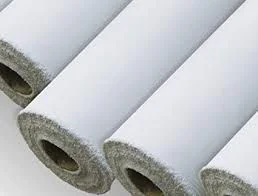
The packaging for goods from Songitex is typically in rolls or bundles, depending on the type of goods being sourced. Buyers should confirm the packaging details with the supplier before placing an order.
Can I request a custom specification from Songitex?
Yes, buyers can request a custom specification from Songitex, but they should provide clear and detailed specifications to the supplier. The supplier will typically work with the buyer to develop a custom specification that meets their needs.
How do I track my order from Songitex?
Buyers can track their order from Songitex by contacting the supplier directly and requesting tracking information. The supplier will typically provide updates on the status of the order and the expected delivery date.




 , South Korea (Republic Of Korea)