SMTEX Co., Ltd. — Supplier

About SMTEX Co., Ltd. - Printed Fabric Supplier in South Korea (Republic Of Korea)

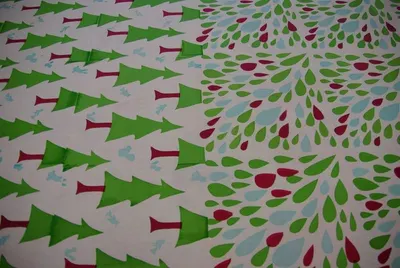
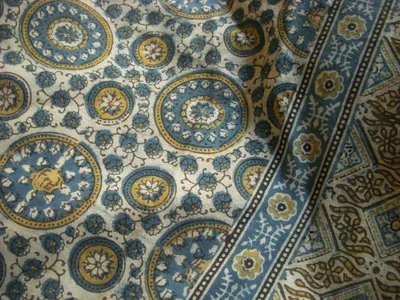
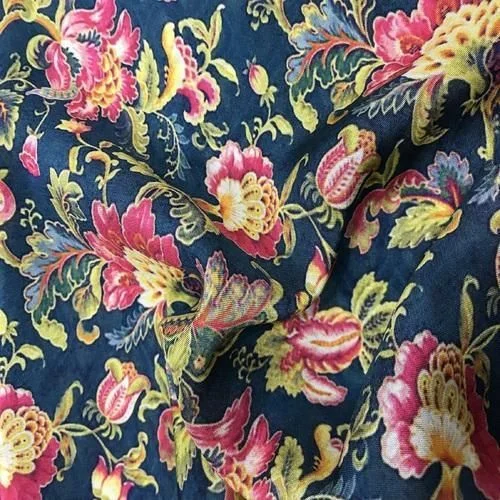
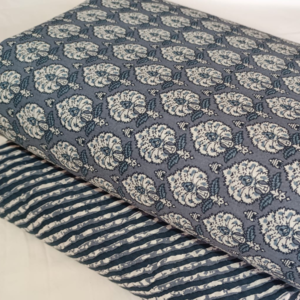
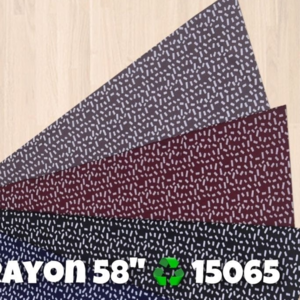
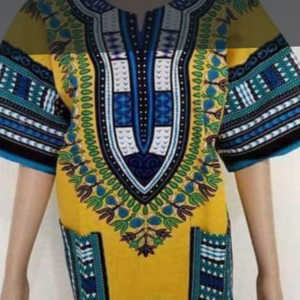
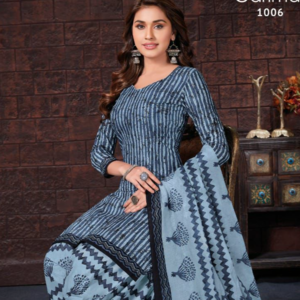
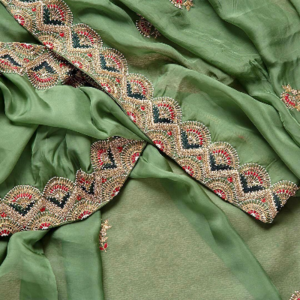
South Korea (Republic Of Korea) hosts SMTEX Co., Ltd., which currently lists 14 active printed‑fabric items in its catalogue. The company focuses on the printed fabric segment, offering a variety of designs such as Light Gold Fabric for Clothes, 2689EM‑7BD Fabric, 6415‑1JS White Fabric, 7083JS Fabric and several SM‑coded items. Each entry is identified by a product code that reflects a specific colour, finish or weave, and the catalogue is limited to fabric products only. The supplier’s portfolio is presented without reference to additional product families or services, keeping the scope strictly within printed textiles.

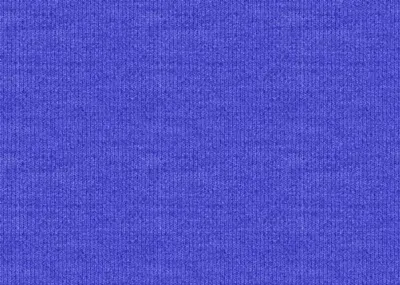
The listed fabrics cover a range of applications, from apparel‑grade light‑gold and blue cotton blends to interior‑use white and khaki prints. Product names such as "2551R Blue Fabric" and "Excellent Quality Fabrics 2551R Blue" indicate colour‑specific runs, while codes like "SM‑2866" and "SM‑7113JS" suggest variations in weave density or finish. All items are classified under the printed fabric category, which typically involves surface printing on woven or knit bases. Buyers can expect the fabrics to be supplied in standard rolls or folded packs suitable for further cutting and garment production.

Product Range and Specialties of SMTEX Co., Ltd.

SMTEX’s catalogue enumerates fourteen distinct printed fabrics, each identified by a unique alphanumeric code. The codes often denote the base material and the print treatment; for example, the "JS" suffix is commonly used for fabrics with a jet‑set finish, while "EM" may indicate an emboss‑type print. In the broader industry, printed fabrics are usually supplied in weights ranging from 120 gsm to 250 gsm, with cotton‑polyester blends predominating for apparel and synthetic‑rich weaves for technical uses. Typical specifications include colour fastness to washing (rating 4 - 5 on the ISO 105‑C06 scale), a minimum tear strength of 30 N, and a width of 150 cm, although exact figures vary by product. Buyers often request additional data such as fibre composition, dye type (reactive or pigment), and finishing treatments like anti‑shrink or moisture‑wicking finishes.

Trade and Export Information - SMTEX Co., Ltd.

South Korea is a major exporter of printed textiles, with most shipments destined for East Asian garment manufacturers, European fashion houses and North American home‑textile distributors. The printed‑fabric HS chapter 59 (especially sub‑heading 5903) is routinely applied for customs clearance, and freight is typically arranged in 20‑ft or 40‑ft containers, each holding up to 1,200 kg of rolled fabric. Importers usually require compliance with standards such as Oeko‑Tex Standard 100, ISO 9001 quality management and, for certain markets, REACH registration of dyes. Packaging is commonly performed in sealed polyethylene film wrapped rolls, placed inside double‑wall cardboard cartons that protect against moisture and creasing during sea transit. Common Incoterms include FOB Busan or CIF major ports, reflecting the logistics infrastructure of South Korean textile exporters.

Sourcing from SMTEX Co., Ltd. - Buyer Guidance

When sourcing from SMTEX, request a detailed spec sheet that lists fibre blend, fabric weight (gsm), width, colour‑fastness ratings and any post‑print treatments. Ask for a pre‑production sample and a third‑party test report covering wash fastness, dimensional stability and any required certifications such as Oeko‑Tex or REACH. Verify that the supplier can provide the appropriate documentation before confirming an order, and clarify the accepted payment terms, lead‑time estimates and container loading plan. Because the catalogue does not disclose MOQ, negotiate a trial order that allows inspection of the first shipment before scaling up.

Frequently Asked Questions About SMTEX Co., Ltd.

What types of printed fabrics are included in SMTEX’s catalogue?

The catalogue lists fourteen printed fabrics, ranging from light‑gold and blue cotton‑polyester blends to white and khaki finishes. Each item is identified by a product code that reflects its colour, weave and any special finishing treatment.

How can I obtain a sample of a specific fabric code?

Contact the supplier directly to specify the product code (e.g., 2689EM‑7BD or SM‑2866) and request a rolled or folded sample. Samples are typically shipped in protective film and may incur a nominal handling fee.

What quality tests are commonly performed on these printed fabrics?

Standard industry tests include ISO 105‑C06 colour‑fastness to washing, ISO 9073‑2 tear strength, and measurements of fabric weight (gsm) and width. Test reports are usually issued by an accredited laboratory.

Which certifications are typically required for South Korean printed fabrics?

Buyers often request Oeko‑Tex Standard 100 for harmful substance limits, ISO 9001 for quality management, and REACH compliance for dye chemicals when exporting to the EU or North America.

What are the usual minimum order quantities and lead times?

While the catalogue does not state a fixed MOQ, exporters commonly set a minimum of one 20‑ft container (approximately 1,200 kg) for first‑time orders. Lead times in South Korea range from 25 to 40 days after order confirmation, depending on fabric availability and printing schedule.

How are the fabrics packaged for international shipment?

Fabrics are rolled on cores, wrapped in sealed polyethylene film, and placed in double‑wall cardboard cartons. The cartons are then palletised for loading into 20‑ft or 40‑ft containers, using standard FOB or CIF terms.


Featured Products from this Supplier

Other Suppliers in Primary Category

Related Products

Trending in Parent Category

More Suppliers in Category

Related Products

Other Suppliers

EximNext
7.2K+ live requirements
Register Free🎁 Reach global buyers
Post Requirement
🌍 Trusted by 225K+ businesses in 200+ countries|
7.2K+ active requirements right now
✉️ [email protected]
|
Sell on EximNextPost Requirement
EximNext
AgricultureApparelConstructionElectronicFoodHomeIndustrialMineralsMiscellaneous
🔥 Deals|✨ AI Match|🏭 Suppliers|📋 Buy Leads|💰 Trade Finance
7.2K+ live RFQs·194.8K+ suppliers
🎁 Reach global buyers →
EximNext
EximNext
Register Free
🎁 Reach global buyers
Sign In
📋Post Requirement💬Get Quotes✨AI Match📋RFQ Marketplace
All Categories
Services & Tools
🏭Supplier Directory🔥Today's Deals💰Trade Finance
Sell on EximNext →
AboutContactBlogHelp
Apparel & Home  ·  South Korea (Republic Of Korea)
14
products listed

SMTEX Co., Ltd.

⚓ Harbor
Country flag , South Korea (Republic Of Korea)New supplier / no reviews yet
🛡️
55/100
Trust Score

SMTEX Co., Ltd. Product Catalog

Showing 12 of 14 products
View all products →
SM-6415-1JS Fabric
⚓ Harbor
SM-6415-1JS Fabric
Contact
MOQ: 1 Unit
2552-1 Print Fabrics
⚓ Harbor
2552-1 Print Fabrics
Contact
MOQ: 1 Unit
Excellent Quality Fabrics 2551R Blue
⚓ Harbor
Excellent Quality Fabrics 2551R Blue
Contact
MOQ: 1 Unit
SM-2548-3-Khaki Fabric
⚓ Harbor
SM-2548-3-Khaki Fabric
Contact
MOQ: 1 Unit
SM-2753-2 Fabric
⚓ Harbor
SM-2753-2 Fabric
Contact
MOQ: 1 Unit
SM-7020 Fabric
⚓ Harbor
SM-7020 Fabric
Contact
MOQ: 1 Unit
SM-7113JS Fabric
⚓ Harbor
SM-7113JS Fabric
Contact
MOQ: 1 Unit
2689 Light Gold Fabric For Clothes
⚓ Harbor
2689 Light Gold Fabric For Clothes
Contact
MOQ: 1 Unit
2689EM-7BD Fabric
⚓ Harbor
2689EM-7BD Fabric
Contact
MOQ: 1 Unit
6415-1JS White Fabric
⚓ Harbor
6415-1JS White Fabric
Contact
MOQ: 1 Unit
7083JS Fabric
⚓ Harbor
7083JS Fabric
Contact
MOQ: 1 Unit
2551R Blue Fabric
⚓ Harbor
2551R Blue Fabric
Contact
MOQ: 1 Unit

About SMTEX Co., Ltd. - Printed Fabric Supplier in South Korea (Republic Of Korea)

South Korea (Republic Of Korea) hosts SMTEX Co., Ltd., which currently lists 14 active printed‑fabric items in its catalogue. The company focuses on the printed fabric segment, offering a variety of designs such as Light Gold Fabric for Clothes, 2689EM‑7BD Fabric, 6415‑1JS White Fabric, 7083JS Fabric and several SM‑coded items. Each entry is identified by a product code that reflects a specific colour, finish or weave, and the catalogue is limited to fabric products only. The supplier’s portfolio is presented without reference to additional product families or services, keeping the scope strictly within printed textiles.

The listed fabrics cover a range of applications, from apparel‑grade light‑gold and blue cotton blends to interior‑use white and khaki prints. Product names such as "2551R Blue Fabric" and "Excellent Quality Fabrics 2551R Blue" indicate colour‑specific runs, while codes like "SM‑2866" and "SM‑7113JS" suggest variations in weave density or finish. All items are classified under the printed fabric category, which typically involves surface printing on woven or knit bases. Buyers can expect the fabrics to be supplied in standard rolls or folded packs suitable for further cutting and garment production.

Product Range and Specialties of SMTEX Co., Ltd.

SMTEX’s catalogue enumerates fourteen distinct printed fabrics, each identified by a unique alphanumeric code. The codes often denote the base material and the print treatment; for example, the "JS" suffix is commonly used for fabrics with a jet‑set finish, while "EM" may indicate an emboss‑type print. In the broader industry, printed fabrics are usually supplied in weights ranging from 120 gsm to 250 gsm, with cotton‑polyester blends predominating for apparel and synthetic‑rich weaves for technical uses. Typical specifications include colour fastness to washing (rating 4 - 5 on the ISO 105‑C06 scale), a minimum tear strength of 30 N, and a width of 150 cm, although exact figures vary by product. Buyers often request additional data such as fibre composition, dye type (reactive or pigment), and finishing treatments like anti‑shrink or moisture‑wicking finishes.

Trade and Export Information - SMTEX Co., Ltd.

South Korea is a major exporter of printed textiles, with most shipments destined for East Asian garment manufacturers, European fashion houses and North American home‑textile distributors. The printed‑fabric HS chapter 59 (especially sub‑heading 5903) is routinely applied for customs clearance, and freight is typically arranged in 20‑ft or 40‑ft containers, each holding up to 1,200 kg of rolled fabric. Importers usually require compliance with standards such as Oeko‑Tex Standard 100, ISO 9001 quality management and, for certain markets, REACH registration of dyes. Packaging is commonly performed in sealed polyethylene film wrapped rolls, placed inside double‑wall cardboard cartons that protect against moisture and creasing during sea transit. Common Incoterms include FOB Busan or CIF major ports, reflecting the logistics infrastructure of South Korean textile exporters.

Sourcing from SMTEX Co., Ltd. - Buyer Guidance

When sourcing from SMTEX, request a detailed spec sheet that lists fibre blend, fabric weight (gsm), width, colour‑fastness ratings and any post‑print treatments. Ask for a pre‑production sample and a third‑party test report covering wash fastness, dimensional stability and any required certifications such as Oeko‑Tex or REACH. Verify that the supplier can provide the appropriate documentation before confirming an order, and clarify the accepted payment terms, lead‑time estimates and container loading plan. Because the catalogue does not disclose MOQ, negotiate a trial order that allows inspection of the first shipment before scaling up.

Frequently Asked Questions About SMTEX Co., Ltd.

What types of printed fabrics are included in SMTEX’s catalogue?

The catalogue lists fourteen printed fabrics, ranging from light‑gold and blue cotton‑polyester blends to white and khaki finishes. Each item is identified by a product code that reflects its colour, weave and any special finishing treatment.

How can I obtain a sample of a specific fabric code?

Contact the supplier directly to specify the product code (e.g., 2689EM‑7BD or SM‑2866) and request a rolled or folded sample. Samples are typically shipped in protective film and may incur a nominal handling fee.

What quality tests are commonly performed on these printed fabrics?

Standard industry tests include ISO 105‑C06 colour‑fastness to washing, ISO 9073‑2 tear strength, and measurements of fabric weight (gsm) and width. Test reports are usually issued by an accredited laboratory.

Which certifications are typically required for South Korean printed fabrics?

Buyers often request Oeko‑Tex Standard 100 for harmful substance limits, ISO 9001 for quality management, and REACH compliance for dye chemicals when exporting to the EU or North America.

What are the usual minimum order quantities and lead times?

While the catalogue does not state a fixed MOQ, exporters commonly set a minimum of one 20‑ft container (approximately 1,200 kg) for first‑time orders. Lead times in South Korea range from 25 to 40 days after order confirmation, depending on fabric availability and printing schedule.

How are the fabrics packaged for international shipment?

Fabrics are rolled on cores, wrapped in sealed polyethylene film, and placed in double‑wall cardboard cartons. The cartons are then palletised for loading into 20‑ft or 40‑ft containers, using standard FOB or CIF terms.

About SMTEX Co., Ltd. - Printed Fabric Supplier in South Korea (Republic Of Korea)

South Korea (Republic Of Korea) hosts SMTEX Co., Ltd., which currently lists 14 active printed‑fabric items in its catalogue. The company focuses on the printed fabric segment, offering a variety of designs such as Light Gold Fabric for Clothes, 2689EM‑7BD Fabric, 6415‑1JS White Fabric, 7083JS Fabric and several SM‑coded items. Each entry is identified by a product code that reflects a specific colour, finish or weave, and the catalogue is limited to fabric products only. The supplier’s portfolio is presented without reference to additional product families or services, keeping the scope strictly within printed textiles.

The listed fabrics cover a range of applications, from apparel‑grade light‑gold and blue cotton blends to interior‑use white and khaki prints. Product names such as "2551R Blue Fabric" and "Excellent Quality Fabrics 2551R Blue" indicate colour‑specific runs, while codes like "SM‑2866" and "SM‑7113JS" suggest variations in weave density or finish. All items are classified under the printed fabric category, which typically involves surface printing on woven or knit bases. Buyers can expect the fabrics to be supplied in standard rolls or folded packs suitable for further cutting and garment production.

Product Range and Specialties of SMTEX Co., Ltd.

SMTEX’s catalogue enumerates fourteen distinct printed fabrics, each identified by a unique alphanumeric code. The codes often denote the base material and the print treatment; for example, the "JS" suffix is commonly used for fabrics with a jet‑set finish, while "EM" may indicate an emboss‑type print. In the broader industry, printed fabrics are usually supplied in weights ranging from 120 gsm to 250 gsm, with cotton‑polyester blends predominating for apparel and synthetic‑rich weaves for technical uses. Typical specifications include colour fastness to washing (rating 4 - 5 on the ISO 105‑C06 scale), a minimum tear strength of 30 N, and a width of 150 cm, although exact figures vary by product. Buyers often request additional data such as fibre composition, dye type (reactive or pigment), and finishing treatments like anti‑shrink or moisture‑wicking finishes.

Trade and Export Information - SMTEX Co., Ltd.

South Korea is a major exporter of printed textiles, with most shipments destined for East Asian garment manufacturers, European fashion houses and North American home‑textile distributors. The printed‑fabric HS chapter 59 (especially sub‑heading 5903) is routinely applied for customs clearance, and freight is typically arranged in 20‑ft or 40‑ft containers, each holding up to 1,200 kg of rolled fabric. Importers usually require compliance with standards such as Oeko‑Tex Standard 100, ISO 9001 quality management and, for certain markets, REACH registration of dyes. Packaging is commonly performed in sealed polyethylene film wrapped rolls, placed inside double‑wall cardboard cartons that protect against moisture and creasing during sea transit. Common Incoterms include FOB Busan or CIF major ports, reflecting the logistics infrastructure of South Korean textile exporters.

Sourcing from SMTEX Co., Ltd. - Buyer Guidance

When sourcing from SMTEX, request a detailed spec sheet that lists fibre blend, fabric weight (gsm), width, colour‑fastness ratings and any post‑print treatments. Ask for a pre‑production sample and a third‑party test report covering wash fastness, dimensional stability and any required certifications such as Oeko‑Tex or REACH. Verify that the supplier can provide the appropriate documentation before confirming an order, and clarify the accepted payment terms, lead‑time estimates and container loading plan. Because the catalogue does not disclose MOQ, negotiate a trial order that allows inspection of the first shipment before scaling up.

Frequently Asked Questions About SMTEX Co., Ltd.
What types of printed fabrics are included in SMTEX’s catalogue?
The catalogue lists fourteen printed fabrics, ranging from light‑gold and blue cotton‑polyester blends to white and khaki finishes. Each item is identified by a product code that reflects its colour, weave and any special finishing treatment.
How can I obtain a sample of a specific fabric code?
Contact the supplier directly to specify the product code (e.g., 2689EM‑7BD or SM‑2866) and request a rolled or folded sample. Samples are typically shipped in protective film and may incur a nominal handling fee.
What quality tests are commonly performed on these printed fabrics?
Standard industry tests include ISO 105‑C06 colour‑fastness to washing, ISO 9073‑2 tear strength, and measurements of fabric weight (gsm) and width. Test reports are usually issued by an accredited laboratory.
Which certifications are typically required for South Korean printed fabrics?
Buyers often request Oeko‑Tex Standard 100 for harmful substance limits, ISO 9001 for quality management, and REACH compliance for dye chemicals when exporting to the EU or North America.
What are the usual minimum order quantities and lead times?
While the catalogue does not state a fixed MOQ, exporters commonly set a minimum of one 20‑ft container (approximately 1,200 kg) for first‑time orders. Lead times in South Korea range from 25 to 40 days after order confirmation, depending on fabric availability and printing schedule.
How are the fabrics packaged for international shipment?
Fabrics are rolled on cores, wrapped in sealed polyethylene film, and placed in double‑wall cardboard cartons. The cartons are then palletised for loading into 20‑ft or 40‑ft containers, using standard FOB or CIF terms.

SMTEX Co., Ltd.
Country flag South Korea (Republic Of Korea)
⚓ HarborApparel & Home
55/100
Trust Score
14
Products
✓ Free to contact — no commission
✓ Escrow payment available
✓ Verified business identity
Compare more suppliers
Post a requirement — get 10 quotes free
Let verified suppliers compete for your business. Free, fast, no commitment.
Due Diligence
Verify this supplier's real shipping history.
Every shipment, every buyer, every port. Trade data that can't be faked.
Run due diligence →
Discover More

Related Suppliers & Products

Explore similar suppliers, related products and trending categories

Featured Products from this Supplier

Other Suppliers in Primary Category

Related Products

Trending in Parent Category

More Suppliers in Category

Stay ahead in global trade
Weekly market insights & new supplier alerts.
EximNext
Exim Next is a leading global B2B marketplace, connecting over 220,000 registered suppliers and buyers across 200+ countries. As a trusted import export marketplace, it serves as the essential B2B portal for businesses worldwide, empowering them to expand their international reach. With Exim Next, businesses can trade smarter and grow faster.
SECURE PAYMENTS
VISAMastercardPayPalSWIFTL/CEscrow
Follow us
© 2026 EximNext