SK International — Verified Supplier
About SK International - Banana Powder Supplier in India
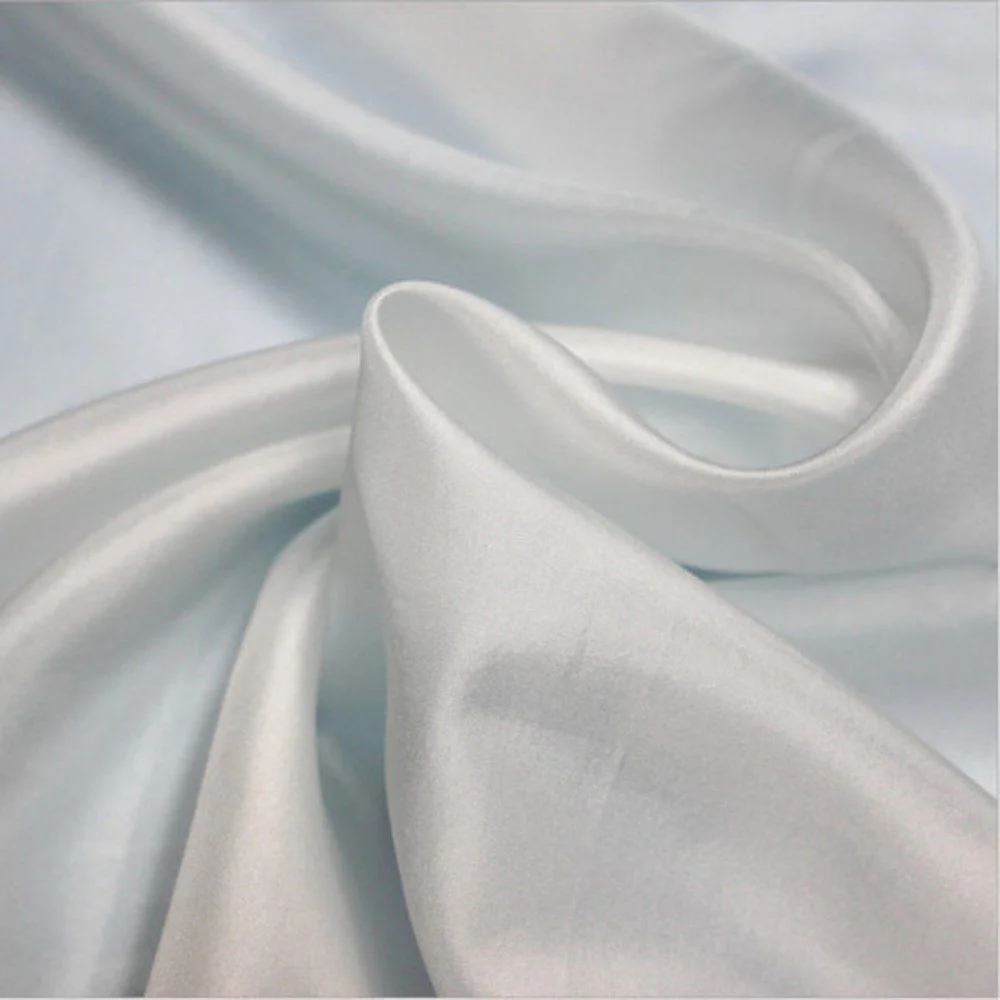
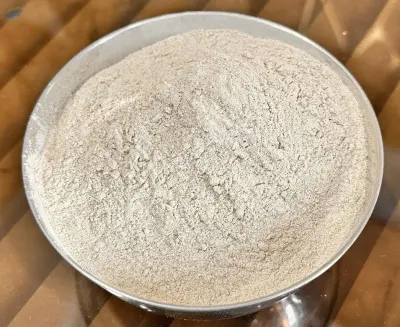
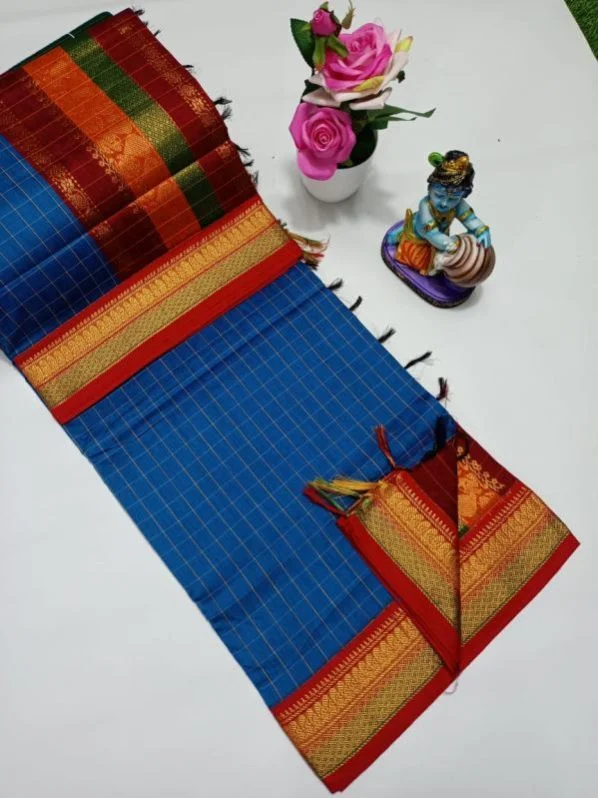
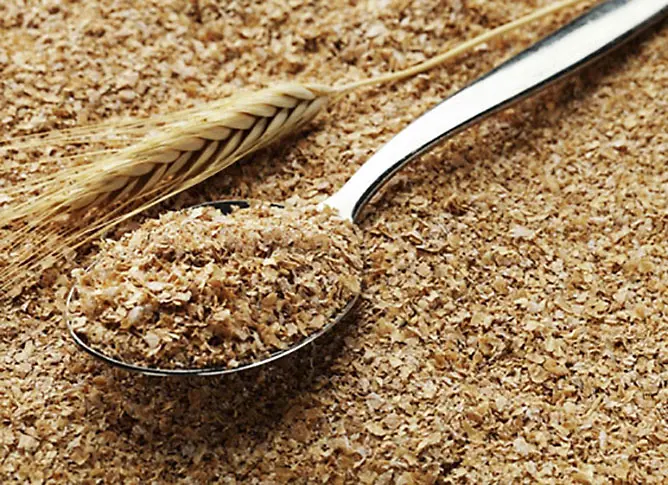
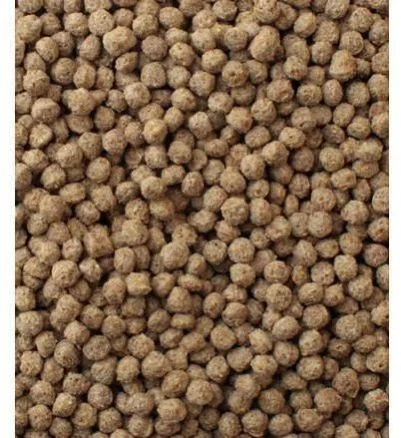
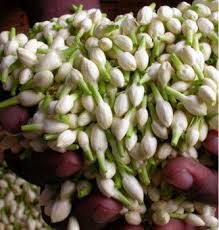
SK International is based in India and currently lists five active products across four broad categories: animal by‑products, banana derivatives, fiberglass items and Tussar silk textiles. The catalogue includes Dehydrate Banana Powder, two variants of silkworm cocoons (with and without warm treatment), Fiber Glass Wall Murals and Fountain, and a Tussar Silk Fabric/Yarn/Saree line. Each product falls under the relevant HS‑code families for fruit powders, raw silk, glass fibre articles and textile goods, although specific HS numbers are not disclosed in the source data. The supplier’s profile emphasizes organic and chemical‑free processing, with a stated maximum moisture content of 3.5 % for the banana powder. The product list reflects a focus on both agricultural inputs and finished textile or decorative items.
The banana powder entry aligns with common fruit‑powder specifications such as moisture ≤ 5 %, sugar content derived from natural fruit sugars, and purity grades comparable to ICUMSA 45 for white powders. Silk cocoon products are typically evaluated by average cocoon weight (≈ 2 - 3 g), filament length (≈ 1 km), and protein content (≈ 20 %). Fiberglass wall murals are usually supplied as panels with glass‑fiber density around 1.5 g/cm³ and thicknesses from 5 mm to 15 mm. Tussar silk fabrics are commonly measured in GSM (≈ 180 - 250) and yarn count (Ne ≈ 30 - 40). These industry benchmarks help buyers compare SK International’s offerings with standard market grades.
Product Range and Specialties of SK International
The catalogue’s Dehydrate Banana Powder is a dried fruit ingredient used in baby foods, health supplements, cosmetics and medicines, matching the typical grade of fine, low‑moisture powder suitable for reconstitution. Silkwarm and standard silkworm cocoons provide raw material for silk processing; warm‑treated cocoons are often used to enhance filament strength, while untreated cocoons serve traditional degumming routes. The Fiber Glass Wall Murals and Fountain products are decorative panels fabricated from continuous glass‑fiber reinforcement, a common choice for interior and outdoor installations requiring fire‑retardant properties. The Tussar Silk line includes fabric, yarn and ready‑made sarees, which are generally produced from wild‑type Tussar silk with a natural golden hue and are valued for their texture and durability. Across these categories, buyers typically encounter specifications such as particle size distribution for powders, filament tensile strength for silk, and fire‑rating classifications for fiberglass panels.
Trade and Export Information - SK International
India is a major exporter of fruit powders, with shipments usually classified under HS chapter 20 (e.g., 2009 90 for other vegetable preparations). International buyers of banana powder are often located in the EU, North America and the Middle East, where organic certification and low‑moisture content are standard import requirements. Silkworm cocoons fall under HS 5004 and are exported mainly to China, Japan and European textile hubs; importers commonly request Oeko‑Tex or ISO 9001 compliance to verify processing standards. Fiberglass wall décor items are coded under HS 7013 and are shipped in 20‑ft or 40‑ft containers to construction and interior‑design markets in Southeast Asia and the Gulf region. Typical export documentation includes a commercial invoice, packing list, certificate of origin, phytosanitary certificate for organic powders, and where applicable, an organic or sustainability certificate.
Sourcing from SK International - Buyer Guidance
When sourcing the banana powder, request a recent Certificate of Analysis showing moisture ≤ 3.5 %, sugar profile, microbial limits (e.g., total plate count < 10 CFU/g) and confirmation of organic status if required. For silkworm cocoons, ask for average cocoon weight, filament length data, and a test report on sericin content to assess readiness for degumming. Fiberglass panels should be accompanied by a Material Safety Data Sheet, fire‑resistance test results (e.g., ASTM E84) and dimensional tolerances for panel thickness. Tussar silk fabrics need a fabric GSM report, yarn count verification and a colourfastness test (ISO 105‑B02). In all cases, verify that the supplier can provide the relevant HS codes on the commercial invoice and that packaging meets bulk‑shipping standards such as 20 kg polypropylene bags for powders or crate‑packed panels for fiberglass.
Frequently Asked Questions About SK International
What HS code is used for the Dehydrate Banana Powder?
Banana powder is generally classified under HS chapter 20, most commonly under code 2009 90 for other vegetable preparations, but the exact code should be confirmed on the commercial invoice.
Which quality parameters should I check for the banana powder?
Key parameters include moisture content (≤ 3.5 %), particle size (usually < 250 µm), sugar content, microbial limits and, if required, organic certification.
How are the silkworm cocoons packaged for export?
Cocoons are typically packed in breathable polypropylene bags of 10 - 20 kg each, placed inside wooden crates to protect against crushing during sea freight.
What certifications are commonly required for Indian silk exports?
Importers often request Oeko‑Tex Standard 100, ISO 9001 quality management certification, and a certificate of origin; organic silk would additionally need an organic certification.
What fire‑rating standards apply to the fiberglass wall murals?
Fiberglass panels are usually tested to ASTM E84 or EN 13501‑1 for surface fire spread rating; buyers should obtain the test report before shipment.
Can I obtain a sample of the Tussar silk fabric before placing a large order?
Suppliers typically provide a swatch of 10 × 10 cm with a detailed fabric specification sheet, including GSM, yarn count and colourfastness results.
What documentation is needed for customs clearance of the silk products?
A commercial invoice, packing list, certificate of origin, and any applicable textile import permits or certifications (e.g., Oeko‑Tex) are normally required.
What are the typical shipping terms for these products?
Exporters from India commonly use FOB or CIF terms, with banana powder shipped in 20 ft containers, silk cocoons in bulk bags, and fiberglass panels crated for 40 ft container loads.




 , India